

Rail economic resilience now depends on maintenance timing
Dr. Alistair Thorne
Time
Click Count
Rail economic resilience now hinges on one critical variable: maintenance timing. For procurement leaders managing cost, uptime, and compliance across complex rail networks, delayed intervention can trigger cascading operational and financial risk. This article explores how data-driven maintenance strategies, lifecycle benchmarking, and supply chain visibility are reshaping asset decisions in high-speed, metro, and transit infrastructure.
For procurement teams, the core question behind the phrase rail economic resilience is not theoretical. It is practical: how can an operator or project owner keep trains running, budgets under control, and safety obligations intact when assets age, demand rises, and supply chains become less predictable?
The short answer is that maintenance timing has become a strategic procurement variable, not just an engineering issue. If interventions happen too late, the result is higher whole-life cost, more service disruption, and rushed purchasing under emergency conditions. If they happen too early, capital is tied up in unnecessary replacement, labor windows are wasted, and asset value is not fully captured.
That is why the most capable rail buyers are shifting away from calendar-based assumptions and toward evidence-based maintenance planning. They want to know which components are truly approaching failure, which suppliers can support consistent performance over time, and which maintenance models deliver the best balance between availability, compliance, and cost.
Why maintenance timing now sits at the center of rail economic resilience
Railways have always depended on maintenance, but the economics have changed. Networks today operate under tighter performance commitments, stricter safety oversight, and greater public sensitivity to delays. At the same time, inflation, spare-part volatility, and labor shortages have made every maintenance decision more expensive to get wrong.
For procurement professionals, this means maintenance timing directly affects three financial outcomes: unplanned downtime, lifecycle cost, and contractual risk. A late intervention on traction systems, bogies, signaling assets, or track components can lead to failures that ripple across the network. One delayed renewal can trigger service penalties, passenger compensation, freight disruption, and emergency sourcing at premium prices.
Timing also shapes capital efficiency. When operators replace components on fixed intervals without condition evidence, they may over-maintain healthy assets. That inflates inventory levels, workshop load, and budget consumption. In an environment where public funding and private investment are under scrutiny, that is increasingly hard to justify.
Economic resilience in rail therefore depends on making better decisions about when to inspect, repair, overhaul, and replace. Those decisions must be based on real asset behavior, operating context, and supply risk, not only on legacy maintenance schedules.
What procurement leaders are actually trying to solve
Procurement buyers in rail are rarely searching for maintenance theory. They are trying to reduce uncertainty. Their concern is whether a given maintenance strategy will protect service reliability while preserving commercial discipline over many years.
The first concern is predictability. Buyers need confidence that assets will perform as expected between maintenance intervals, especially on high-utilization metro lines and high-speed corridors where disruption costs are severe. They want evidence that maintenance plans align with actual asset stress, climate conditions, duty cycles, and failure history.
The second concern is budget control. Procurement teams must evaluate not only acquisition cost, but total cost of ownership. A lower-priced component that requires frequent intervention, specialized tooling, or hard-to-source spares can become more expensive than a premium option with better reliability and diagnostics support.
The third concern is supplier resilience. Maintenance timing is only effective if suppliers can deliver parts, technical support, software updates, and overhaul capacity when needed. Buyers therefore look beyond catalog specifications toward lead times, regional service capability, certification status, and digital integration readiness.
The fourth concern is compliance exposure. In rail, maintenance timing intersects with safety case requirements, asset traceability, and standards-based documentation. Procurement decisions that ignore these issues can create audit gaps, delayed approvals, and operational restrictions later in the asset lifecycle.
Why delayed maintenance creates disproportionate commercial damage
Many organizations still underestimate the nonlinear cost of delay. In rail systems, a maintenance task deferred by a few months does not simply produce a small increase in risk. It can move an asset from manageable wear into unstable performance, secondary damage, and network-wide disruption.
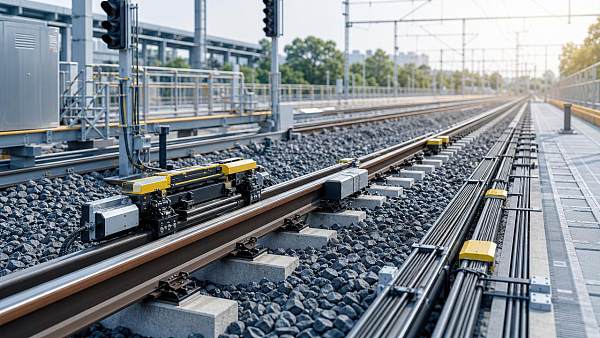
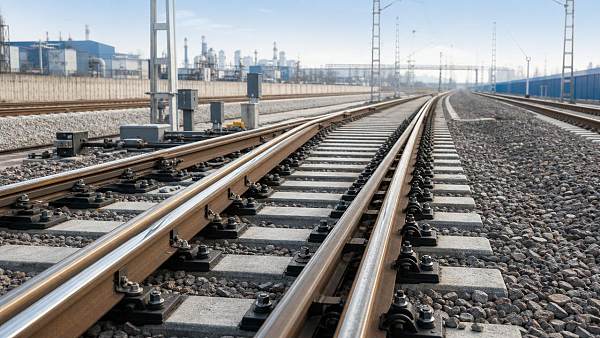
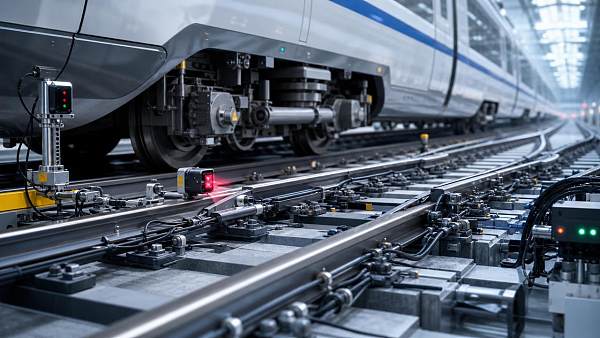
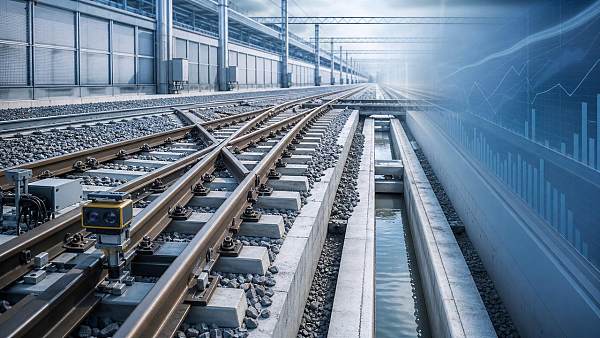
Consider track infrastructure. If grinding, fastening replacement, or geometry correction is postponed beyond the optimal window, wear accelerates. This can increase rolling noise, vibration, and component fatigue in both track and rolling stock. The eventual intervention may require longer possessions, broader scope, and more expensive remedial work than the original task.
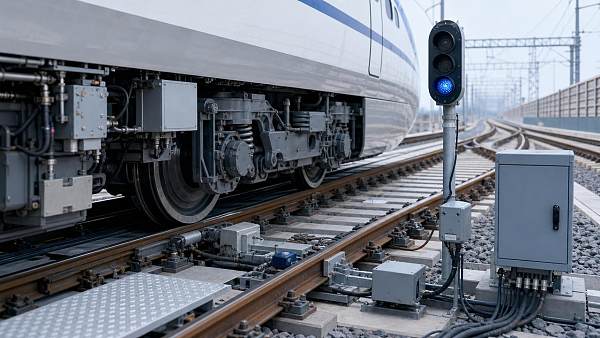
The same principle applies to traction and bogie systems. Bearings, suspension elements, power electronics, and cooling components often show early signals before major failure. If those signals are missed or ignored, the result may be not just one replacement event, but collateral damage affecting adjacent systems, safety performance, and fleet availability.
For procurement teams, the commercial lesson is clear: late maintenance increases both direct cost and volatility. Emergency tenders, expedited logistics, excess inventory buffers, and short-notice contractor mobilization all erode value. This is why rail economic resilience depends so heavily on intervention timing.
How data-driven maintenance improves procurement decisions
Data-driven maintenance is often discussed as a technical innovation, but its procurement value is equally important. Better data helps buyers distinguish between assets that truly need intervention and assets that can safely remain in service. That improves spending precision and reduces the risk of both over-maintenance and under-maintenance.
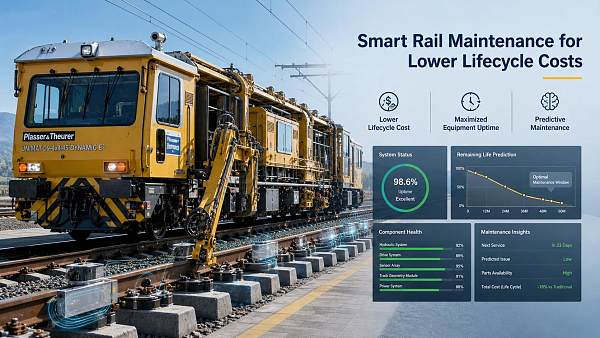
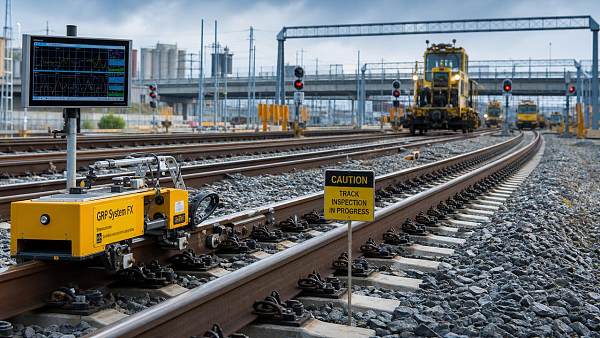
Condition monitoring is one enabler. Sensors and diagnostic systems can track vibration, temperature, current behavior, wheel condition, track geometry, and signaling performance. When connected to asset management platforms, this information allows teams to identify deterioration trends earlier and plan interventions at the most economical moment.
Predictive analytics adds another layer. Instead of simply reporting that a component is wearing, predictive models estimate the likely remaining useful life under specific operating conditions. This helps procurement teams schedule parts purchasing, service contracts, and workshop capacity in advance rather than reacting after failure.
For buyers, the key question is not whether a supplier offers “smart maintenance,” but whether the data is actionable. Can it support maintenance interval optimization? Can it integrate with existing enterprise asset management systems? Can it improve spare forecasting and reduce unnecessary stock? Can it be verified against standards and operational outcomes?
When these conditions are met, maintenance timing becomes a controllable business lever. Procurement can negotiate better service-level agreements, align sourcing with actual need, and lower the premium associated with uncertainty.
What to benchmark before selecting maintenance-related suppliers
Procurement teams should avoid evaluating maintenance suppliers solely on price, stated reliability, or generic digital claims. To support rail economic resilience, supplier benchmarking needs to examine how each vendor performs across the full maintenance lifecycle.
Start with failure behavior. Buyers should request mean time between failures, mean distance between failures where relevant, degradation patterns, and evidence from comparable operating environments. A component proven on a low-demand route may perform very differently under intensive metro stop-start cycles or high-speed thermal loads.
Next, assess maintainability. How long does inspection or replacement take? What tools and training are required? Can tasks be completed during short overnight windows, or do they require extended possessions? The answer affects labor cost, possession planning, and service continuity.
Then evaluate spare-part resilience. Procurement should look at lead times, localization options, obsolescence planning, repairability, and stock strategy. A technically strong product can still be commercially weak if spares are locked into long overseas delivery cycles or single-source dependency.
Digital compatibility is another benchmark area. If the supplier provides diagnostics, remote monitoring, or predictive maintenance software, procurement should examine data ownership, cybersecurity posture, interoperability, and reporting quality. Insights are only valuable if they can be trusted and operationalized.
Finally, verify compliance depth. Certification against relevant frameworks such as ISO/TS 22163 and alignment with lifecycle and RAMS-oriented requirements matter because maintenance timing decisions must stand up to audit, safety review, and cross-border project requirements.
How different rail segments require different timing strategies
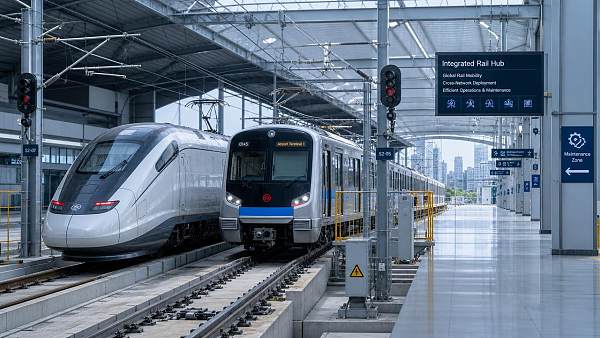
Maintenance timing is not uniform across the rail industry. High-speed rail, urban metro, regional passenger lines, and freight corridors each create different wear profiles, access limitations, and risk tolerances. Procurement strategies must reflect these differences.
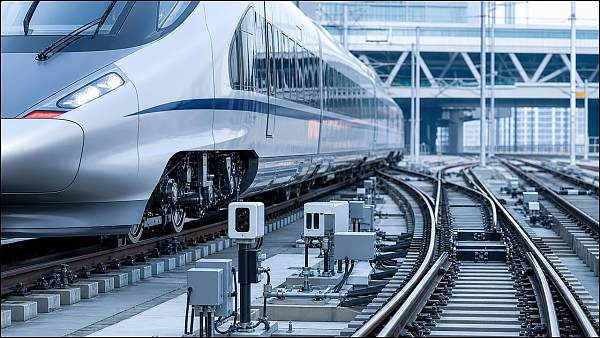
In high-speed rail, timing precision is critical because component stress is high and failure consequences are magnified by speed, timetable density, and public visibility. Here, the cost of delayed intervention can be enormous, especially for track quality, pantograph-catenary interaction, braking systems, and signaling availability. Buyers in this segment should prioritize high-reliability components, continuous monitoring, and suppliers with proven support capability.
Urban metro systems face a different challenge: extremely high asset utilization and limited maintenance windows. Nightly possession periods are short, and even minor failures can affect large passenger volumes. Procurement should therefore favor modular components, rapid replacement design, condition-based monitoring, and service contracts that guarantee response speed.
Regional and mixed-traffic networks often operate under tighter budgets and more diverse asset conditions. In these environments, procurement teams need flexible maintenance models that stretch asset life without increasing operational risk. Benchmarking becomes essential to determine where predictive strategies deliver real value and where disciplined preventive maintenance remains the better option.
Questions procurement should ask before approving maintenance investments
To move from theory to action, procurement leaders need a clear set of decision questions. These questions help determine whether a maintenance-related investment genuinely strengthens resilience or simply adds cost.
First, what failure modes are being targeted, and what is their operational consequence? A compelling business case should identify whether the maintenance investment reduces delays, safety events, energy inefficiency, premature renewal, or emergency sourcing.
Second, what is the evidence that current maintenance timing is suboptimal? Procurement should ask for inspection data, fault history, asset performance trends, workshop records, and route-specific context. Without this baseline, claims of optimization are difficult to validate.
Third, what measurable savings or protections are expected? These may include reduced downtime, longer component life, lower inventory levels, fewer corrective interventions, or improved fleet availability. Buyers should require realistic assumptions rather than headline percentages.
Fourth, what implementation dependencies exist? A predictive maintenance solution may require onboard sensors, secure communications, data engineers, revised maintenance processes, and training. If these supporting elements are missing, the expected value may not materialize.
Fifth, how does the strategy perform under supply chain disruption? Rail economic resilience is not only about ideal conditions. Procurement must test whether the maintenance model remains viable when lead times lengthen, software support changes, or a key component becomes temporarily unavailable.
From reactive buying to lifecycle-centered sourcing
The strongest rail organizations are changing the role of procurement from transactional purchasing to lifecycle orchestration. This shift matters because maintenance timing can only deliver value when sourcing, engineering, operations, and asset management work from the same performance logic.
Reactive buying tends to happen when failures force urgent decisions. In that environment, price rises, specification discipline weakens, and vendor leverage increases. Procurement has little room to compare alternatives or negotiate long-term support terms. The result is often a patchwork asset base with inconsistent maintainability.
Lifecycle-centered sourcing is different. It begins by identifying critical assets, failure consequences, maintenance windows, and supply exposure. Procurement then structures contracts around uptime, service response, spare availability, data support, and obsolescence planning. This approach gives operators a stronger basis for timing interventions before problems escalate.
It also supports better capital allocation. When buyers understand lifecycle behavior, they can distinguish between assets that need accelerated replacement and assets that can be preserved through smarter maintenance. That is a direct contributor to economic resilience, especially in networks balancing expansion with renewal obligations.
Conclusion: better timing is now a competitive advantage
Rail economic resilience is no longer shaped only by network size, funding volume, or engineering capability. It is increasingly determined by how precisely organizations time maintenance interventions across rolling stock, track, signaling, and power systems.
For procurement leaders, this creates a clear mandate. The objective is not simply to buy cheaper parts or more advanced software. It is to build a maintenance ecosystem in which data, supplier capability, and lifecycle planning work together to reduce disruption, control total cost, and strengthen compliance confidence.
Organizations that continue to rely on rigid schedules or delayed intervention will face rising volatility as assets age and supply risks intensify. Those that benchmark suppliers carefully, use condition evidence intelligently, and align sourcing with actual asset behavior will be better positioned to protect uptime and preserve budget flexibility.
In that sense, maintenance timing is no longer a back-office planning detail. It is a frontline economic decision. And for modern rail systems, it may be one of the most important determinants of long-term resilience.
Search News
Industry Portal
Hot Articles

Popular Tags
Recommended News
 Jul 15, 2026Track Maintenance Systems in Europe: How to Compare Lifecycle Cost and UptimeTrack maintenance systems Europe: compare lifecycle cost, uptime, compliance, and spare-parts risk to choose rail solutions that cut downtime and improve long-term value.
 Jul 11, 2026Diagnostic Equipment Manufacturer Selection: Key Specs, Calibration, and Compliance ChecksDiagnostic equipment manufacturer selection affects accuracy, calibration traceability, and compliance. Learn the key specs and checks to reduce risk and choose with confidence.
 Jul 10, 2026How to Choose a Hydraulic Press for Sheet Metal Based on Tonnage, Stroke, and Die SetupHydraulic press for sheet metal selection goes beyond tonnage. Learn how stroke, die setup, and part requirements affect accuracy, uptime, and smarter buying decisions.
 Jul 09, 2026Socket Wrench Sets: What Sizes, Drive Types, and Case Options Are Worth Buying?socketwrenchsets buying guide: compare must-have sizes, 1/4, 3/8, and 1/2 drive options, plus case styles that improve access, durability, and value for real maintenance work.
![]() Jul 07, 2026Solid Waste Shredders: Which Types Fit MSW, Plastic, Wood, and Bulky Waste?solidwasteshredders guide: compare the best shredder types for MSW, plastic, wood, and bulky waste, with practical selection tips to boost uptime, cut costs, and choose smarter.
Jul 07, 2026Solid Waste Shredders: Which Types Fit MSW, Plastic, Wood, and Bulky Waste?solidwasteshredders guide: compare the best shredder types for MSW, plastic, wood, and bulky waste, with practical selection tips to boost uptime, cut costs, and choose smarter. Jul 03, 2026>30000 Layers H Type Automatic Battery Cage: Key Specs, Capacity, and Farm Fit>30000 Layers H Type Automatic Battery Cage guide covering key specs, true capacity, automation benefits, and farm fit—compare smarter and choose a system built for scalable egg production.
 Jul 01, 2026Sheet Metal Work vs CNC Machining: Which Process Fits Your Part Design and Volume?Sheet metal work vs CNC machining: discover how geometry, tolerance, and production volume affect cost, lead time, and scalability so you can choose the right process with confidence.
 Jun 30, 2026Rail Track Maintenance in the Middle East: Key Challenges, Methods, and Planning TipsRail track maintenance Middle East guide covering heat, sand, drainage, turnout care, and planning tips to cut downtime, improve safety, and optimize life-cycle cost.
 Jun 24, 2026Car Maintenance Checklist: What to Inspect Daily, Monthly, and Before Long TripsCar maintenance made simple: discover what to inspect daily, monthly, and before long trips to prevent breakdowns, improve safety, and save on costly repairs.
 Jun 22, 2026Handling Technology in Rail Maintenance: Equipment Types and Selection CriteriaHandling technology in rail maintenance: explore equipment types, key selection criteria, and smart ways to improve safety, uptime, and depot efficiency.
 Jun 16, 2026How to Read Hydraulic Press Specifications for Rail Workshop JobsHydraulic press specifications explained for rail workshop jobs: learn how to assess force, stroke, duty cycle, safety, and control to reduce procurement risk and improve performance.
 Jun 13, 2026Industrial Tablet PCs for Field Maintenance: Key Specs for Dust, Vibration, and ConnectivityTablet PCs built for field maintenance: discover the key specs for dust protection, vibration resistance, and reliable connectivity to keep rail and transit teams productive.
 Jun 03, 2026Hydraulic Parts Selection Guide: Seals, Valves, Pumps, and Failure RisksHydraulic parts selection guide for seals, valves, pumps, and hoses—learn how to reduce leakage, contamination, downtime, and failure risks in rail and transit maintenance.
 May 26, 2026When rail track maintenance costs more than expectedRail track maintenance costs often exceed budgets due to hidden lifecycle, compliance, and procurement risks. Learn the real cost drivers and make smarter approval decisions.
 May 24, 2026When does rail track maintenance cost more than expectedRail track maintenance costs rise fast when hidden defects, traffic pressure, aging assets, and compliance gaps go unchecked. Learn when overruns become avoidable.
 May 23, 2026When does rail predictive maintenance truly cut downtime?Rail predictive maintenance cuts downtime when critical assets show clear warning signs and teams can act fast. Learn when it delivers real ROI, fewer disruptions, and smarter rail maintenance planning.
 May 22, 2026How rail track maintenance costs change over asset lifeRail track maintenance costs change across every asset life stage. Learn the key cost drivers, renewal signals, and planning insights to reduce risk and improve rail budget performance.
 May 21, 2026How rail predictive maintenance cuts downtime in practiceRail predictive maintenance cuts downtime by turning condition data into early action. Learn where it works best, which rail assets to prioritize, and how to implement it for fewer failures and smarter maintenance.
 May 18, 2026What rail track maintenance issues cause most service delays?Rail track maintenance issues like geometry defects, turnout failures, wear, and drainage problems cause most service delays. See which risks matter most by operating scene.
 May 13, 2026Is rail global mobility reshaping spare parts planning?Rail global mobility is reshaping spare parts planning through compliance, forecasting, and lead-time control. Learn how smarter inventory strategies reduce risk and boost rail aftermarket growth.
 May 09, 2026Rail economic resilience now depends on maintenance timingRail economic resilience starts with smarter maintenance timing. Discover how data-driven planning cuts downtime, controls lifecycle cost, and strengthens rail network performance.
 May 08, 2026When Does Rail Track Maintenance Start Costing More Than It Saves?Rail track maintenance: learn the warning signs, cost triggers, and renewal thresholds that show when repeated repairs stop saving money and start hurting rail performance and budgets.
 May 06, 2026What Causes Rail Track Maintenance Costs to Spike Early?Rail track maintenance costs can spike early due to hidden drainage issues, load stress, delayed inspections, and poor component fit. Discover practical fixes to cut failures and extend track life.
 May 05, 2026What rail global mobility means for fleet deployment plansRail global mobility is redefining fleet deployment plans. Discover how operators balance interoperability, compliance, maintenance, and low-carbon goals for smarter rail decisions.





Quarterly Executive Summaries Delivered Directly.
Join 50,000+ industry leaders who receive our proprietary market analysis and policy outlooks before they hit the public library.