

How Rail Economic Resilience Affects Fleet Renewal Timing
Dr. Alistair Thorne
Time
Click Count
For finance approvers evaluating rail capital plans, rail economic resilience is a decisive signal for fleet renewal timing. When ridership recovery, public funding stability, energy costs, and maintenance risk align, replacement cycles can shift from reactive spending to value-based investment. Understanding these economic drivers helps decision-makers protect cash flow, reduce lifecycle costs, and approve renewal strategies with greater confidence.
Why Scenario Differences Matter More Than a Generic Renewal Rule
In rail investment, no single replacement formula fits every operator, corridor, or funding model. The same train age can imply very different actions depending on whether the asset serves a crowded urban metro, a long-distance regional line, or a high-speed network exposed to strict performance guarantees. That is why rail economic resilience should be read as a scenario-based decision signal rather than a broad market trend.
For financial approvers, the practical question is not simply whether a fleet is old. It is whether the operating environment can absorb continued maintenance, whether public or private capital remains dependable, and whether delayed renewal raises service, compliance, or energy-cost exposure. In resilient markets, renewal can be accelerated to lock in lower lifecycle costs and technology advantages. In fragile markets, timing may need to be phased, ring-fenced, or linked to milestone funding.
This is especially relevant for institutions following global benchmarks such as ISO/TS 22163, IEC 62278, and EN 50126. Modern fleet renewal is no longer a simple vehicle purchase. It affects traction efficiency, signaling compatibility, predictive maintenance capability, spare parts strategy, passenger capacity, and long-term asset reliability. A finance-led approval process must therefore examine where rail economic resilience is strongest and where it remains uneven.
Where Rail Economic Resilience Usually Shapes Renewal Decisions
The impact of rail economic resilience becomes most visible in several recurring business scenarios. Each has a different approval logic, risk threshold, and expected payback profile.
Scenario 1: Urban Metro Systems Recovering Ridership
In large metro networks, ridership recovery is often the clearest demand-side indicator. If passenger volumes are climbing back steadily and farebox support is stabilizing, deferred fleet renewal can become more expensive than acting now. Older metro cars usually create more downtime, higher component replacement frequency, and greater energy use during stop-start operations. In this scenario, rail economic resilience supports earlier renewal when there is clear evidence that new trains will improve availability, passenger throughput, and maintenance productivity.
Scenario 2: Regional Rail Operators Facing Budget Volatility
Regional rail often depends more heavily on public subsidy and multi-year transport budgets. Here, rail economic resilience is less about ridership alone and more about the durability of state support. A fleet may need replacement, but if budget continuity is uncertain, finance teams may favor staged procurement, refurbishment bridges, or mixed fleet strategies. Renewal timing should be tied to funding certainty, not only technical urgency.
Scenario 3: High-Speed Rail Corridors Under Performance Pressure
High-speed rail is capital intensive, technically demanding, and highly visible to regulators and the public. Even small reliability failures can produce disproportionate economic and reputational costs. In this context, rail economic resilience affects renewal timing through the ability to sustain premium service, meet safety and punctuality metrics, and control advanced maintenance costs. If demand remains strong and network expansion is planned, replacement or fleet expansion may deserve priority approval earlier than a purely age-based model would suggest.
Scenario 4: Cross-Border or Internationally Financed Projects
Projects backed by development finance, export credit, or multinational procurement rules face a different timing challenge. The renewal window may depend on tender cycles, compliance alignment, and supplier qualification. Here, rail economic resilience means the project ecosystem can support long lead times, certification requirements, spare parts localization, and digital integration. Delaying approval in such cases may raise total project cost if financing terms, currency conditions, or supply chain availability deteriorate.
A Practical Scenario Comparison for Finance Approvers
The table below shows how rail economic resilience influences renewal timing differently across common rail applications.
What Different Decision-Makers Should Prioritize in Each Scenario
Although the keyword rail economic resilience sounds macroeconomic, approval quality improves when each stakeholder views it through a role-specific lens.
For CFOs and Finance Committees
Focus on debt capacity, operating margin stability, and the cost of waiting. In resilient conditions, delayed renewal may increase net present cost because maintenance inflation, energy inefficiency, and unplanned service disruptions accelerate. If the business case includes measurable savings from traction efficiency, digital diagnostics, or reduced heavy overhauls, rail economic resilience becomes a justification for advancing approval rather than postponing it.
For Procurement Leaders
Supply chain resilience matters as much as market demand. Procurement teams should examine supplier capacity, localization plans, interoperability with signaling systems such as CBTC or ETCS, and compliance with international quality frameworks. In some markets, economic resilience exists on the demand side but not in the supply chain, which can distort renewal timing if long lead items are overlooked.
For Operations and Asset Managers
The key issue is the crossover point where keeping old assets costs more than replacing them. This includes wheel and bogie wear, traction motor efficiency decline, door failures, HVAC reliability, software obsolescence, and maintenance labor intensity. Rail economic resilience strengthens the case for renewal when operational savings are credible, recurrent, and auditable.
How to Judge Whether Your Scenario Supports Earlier, Later, or Phased Renewal
A useful approval framework is to test five conditions together rather than rely on fleet age alone.
1. Demand Visibility
If ridership or traffic demand is recovering consistently, replacement can improve service quality at the right time. If demand remains unstable, a phased order may preserve flexibility.
2. Funding Durability
Strong rail economic resilience requires more than budget approval on paper. Finance teams should verify whether grants, subsidies, municipal backing, or lender commitments are durable across the full delivery timeline.
3. Maintenance Risk Escalation
If maintenance intervals are shortening, spare parts are harder to source, or failures are affecting punctuality, deferral may destroy value. In this scenario, renewal is not a discretionary upgrade but a risk-control action.
4. Energy and Efficiency Opportunity
New rolling stock can materially reduce traction energy use, improve regenerative braking performance, and support smarter diagnostics. When energy costs are volatile, rail economic resilience improves faster for fleets with clear efficiency gains.
5. Network Compatibility and Strategic Fit
A fleet renewal decision should support wider network goals, including platform compatibility, signaling integration, depot modernization, and expansion planning. Approving trains without checking system fit can lock in future cost.
Common Misjudgments That Distort Fleet Renewal Timing
One common error is treating resilience as a national economic story only. In reality, rail economic resilience can be strong in one corridor and weak in another, even within the same country. A profitable urban line may justify early renewal while a lightly used regional route may require a slower plan.
Another mistake is overvaluing near-term CAPEX savings while underestimating lifecycle deterioration. Aging fleets usually carry hidden costs: more standby vehicles, more workshop hours, lower availability, and more frequent service recovery actions. These costs often remain fragmented across departments, making deferral appear cheaper than it is.
A third misjudgment is ignoring compliance and technology lock-in. If a fleet cannot efficiently integrate with updated control, communications, or maintenance systems, delayed renewal may create an expensive gap later. This is particularly important in markets where digital asset management and predictive maintenance are becoming standard procurement requirements.
Scenario-Based Approval Recommendations
For metro networks with rising utilization, approve renewal when operational savings and capacity benefits can be measured over a credible planning horizon. For subsidy-dependent regional lines, consider tranche-based procurement with go or no-go checkpoints tied to funding releases. For high-speed rail, prioritize reliability, compliance, and brand protection, since service disruption costs can outweigh delayed CAPEX benefits. For internationally financed projects, synchronize approval with certification, tender readiness, and supplier commitment windows.
In all cases, rail economic resilience should be translated into an approval dashboard: demand trend, funding certainty, maintenance burden, energy impact, and system integration readiness. This approach turns a broad market concept into a finance-ready decision tool.
Frequently Asked Questions About Rail Economic Resilience and Renewal Timing
Does strong rail economic resilience always mean renew earlier?
No. It means the environment may support earlier renewal, but only if maintenance savings, performance gains, and funding stability are verified. Strong resilience improves the case; it does not replace due diligence.
What if the fleet is old but funding is uncertain?
A phased strategy is often best. Prioritize the most failure-prone assets, secure bridge maintenance plans, and align future procurement with confirmed budget milestones.
How can finance teams validate claimed savings?
Ask for route-level maintenance data, energy consumption baselines, failure trends, spare parts exposure, and availability improvements tied to technical specifications. Savings should be measurable, not assumed.
Final Decision Lens for Finance Approvers
The best renewal timing is rarely determined by fleet age alone. It emerges from the interaction between service demand, funding resilience, operational risk, and system modernization needs. For finance approvers, rail economic resilience is most useful when applied to specific scenarios: a metro under ridership rebound, a regional operator under subsidy pressure, a high-speed corridor under performance scrutiny, or a cross-border project with strict procurement windows.
If your organization is reviewing replacement cycles, the next step is to compare your own corridor economics, asset condition, and funding structure against these scenarios. A disciplined scenario-based review can reveal whether renewal should be accelerated, deferred, or split into phases. That is where better timing protects capital, improves reliability, and turns rail economic resilience into a concrete investment advantage.
Search News
Industry Portal
Hot Articles

Popular Tags
Recommended News
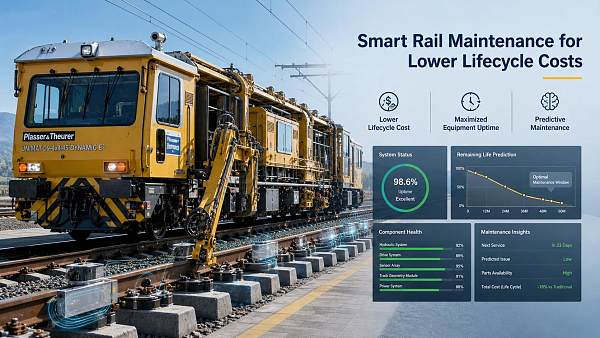
 Jul 15, 2026Track Maintenance Systems in Europe: How to Compare Lifecycle Cost and UptimeTrack maintenance systems Europe: compare lifecycle cost, uptime, compliance, and spare-parts risk to choose rail solutions that cut downtime and improve long-term value.
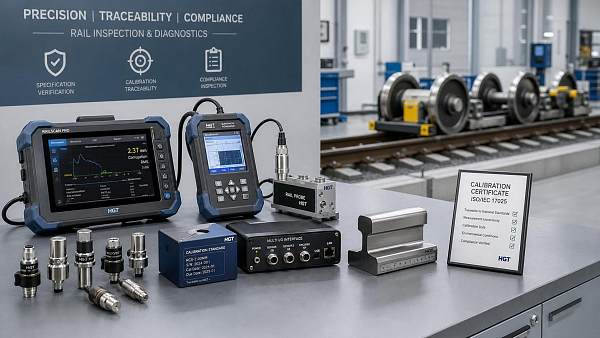
 Jul 11, 2026Diagnostic Equipment Manufacturer Selection: Key Specs, Calibration, and Compliance ChecksDiagnostic equipment manufacturer selection affects accuracy, calibration traceability, and compliance. Learn the key specs and checks to reduce risk and choose with confidence.
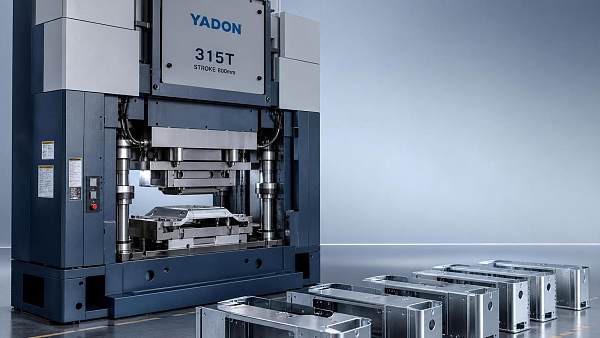
 Jul 10, 2026How to Choose a Hydraulic Press for Sheet Metal Based on Tonnage, Stroke, and Die SetupHydraulic press for sheet metal selection goes beyond tonnage. Learn how stroke, die setup, and part requirements affect accuracy, uptime, and smarter buying decisions.
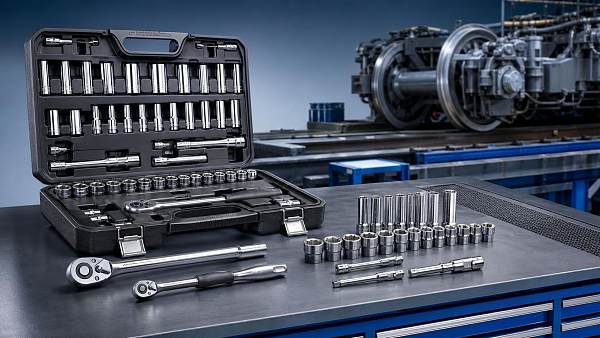
 Jul 09, 2026Socket Wrench Sets: What Sizes, Drive Types, and Case Options Are Worth Buying?socketwrenchsets buying guide: compare must-have sizes, 1/4, 3/8, and 1/2 drive options, plus case styles that improve access, durability, and value for real maintenance work.
![]() Jul 07, 2026Solid Waste Shredders: Which Types Fit MSW, Plastic, Wood, and Bulky Waste?solidwasteshredders guide: compare the best shredder types for MSW, plastic, wood, and bulky waste, with practical selection tips to boost uptime, cut costs, and choose smarter.
Jul 07, 2026Solid Waste Shredders: Which Types Fit MSW, Plastic, Wood, and Bulky Waste?solidwasteshredders guide: compare the best shredder types for MSW, plastic, wood, and bulky waste, with practical selection tips to boost uptime, cut costs, and choose smarter. Jul 03, 2026>30000 Layers H Type Automatic Battery Cage: Key Specs, Capacity, and Farm Fit>30000 Layers H Type Automatic Battery Cage guide covering key specs, true capacity, automation benefits, and farm fit—compare smarter and choose a system built for scalable egg production.
 Jul 01, 2026Sheet Metal Work vs CNC Machining: Which Process Fits Your Part Design and Volume?Sheet metal work vs CNC machining: discover how geometry, tolerance, and production volume affect cost, lead time, and scalability so you can choose the right process with confidence.
 Jun 30, 2026Rail Track Maintenance in the Middle East: Key Challenges, Methods, and Planning TipsRail track maintenance Middle East guide covering heat, sand, drainage, turnout care, and planning tips to cut downtime, improve safety, and optimize life-cycle cost.
 Jun 24, 2026Car Maintenance Checklist: What to Inspect Daily, Monthly, and Before Long TripsCar maintenance made simple: discover what to inspect daily, monthly, and before long trips to prevent breakdowns, improve safety, and save on costly repairs.
 Jun 22, 2026Handling Technology in Rail Maintenance: Equipment Types and Selection CriteriaHandling technology in rail maintenance: explore equipment types, key selection criteria, and smart ways to improve safety, uptime, and depot efficiency.
 Jun 16, 2026How to Read Hydraulic Press Specifications for Rail Workshop JobsHydraulic press specifications explained for rail workshop jobs: learn how to assess force, stroke, duty cycle, safety, and control to reduce procurement risk and improve performance.
 Jun 13, 2026Industrial Tablet PCs for Field Maintenance: Key Specs for Dust, Vibration, and ConnectivityTablet PCs built for field maintenance: discover the key specs for dust protection, vibration resistance, and reliable connectivity to keep rail and transit teams productive.
 Jun 03, 2026Hydraulic Parts Selection Guide: Seals, Valves, Pumps, and Failure RisksHydraulic parts selection guide for seals, valves, pumps, and hoses—learn how to reduce leakage, contamination, downtime, and failure risks in rail and transit maintenance.
 May 26, 2026When rail track maintenance costs more than expectedRail track maintenance costs often exceed budgets due to hidden lifecycle, compliance, and procurement risks. Learn the real cost drivers and make smarter approval decisions.
 May 24, 2026When does rail track maintenance cost more than expectedRail track maintenance costs rise fast when hidden defects, traffic pressure, aging assets, and compliance gaps go unchecked. Learn when overruns become avoidable.
 May 23, 2026When does rail predictive maintenance truly cut downtime?Rail predictive maintenance cuts downtime when critical assets show clear warning signs and teams can act fast. Learn when it delivers real ROI, fewer disruptions, and smarter rail maintenance planning.
 May 22, 2026How rail track maintenance costs change over asset lifeRail track maintenance costs change across every asset life stage. Learn the key cost drivers, renewal signals, and planning insights to reduce risk and improve rail budget performance.
 May 21, 2026How rail predictive maintenance cuts downtime in practiceRail predictive maintenance cuts downtime by turning condition data into early action. Learn where it works best, which rail assets to prioritize, and how to implement it for fewer failures and smarter maintenance.
 May 18, 2026What rail track maintenance issues cause most service delays?Rail track maintenance issues like geometry defects, turnout failures, wear, and drainage problems cause most service delays. See which risks matter most by operating scene.
 May 13, 2026Is rail global mobility reshaping spare parts planning?Rail global mobility is reshaping spare parts planning through compliance, forecasting, and lead-time control. Learn how smarter inventory strategies reduce risk and boost rail aftermarket growth.
 May 09, 2026Rail economic resilience now depends on maintenance timingRail economic resilience starts with smarter maintenance timing. Discover how data-driven planning cuts downtime, controls lifecycle cost, and strengthens rail network performance.
 May 08, 2026When Does Rail Track Maintenance Start Costing More Than It Saves?Rail track maintenance: learn the warning signs, cost triggers, and renewal thresholds that show when repeated repairs stop saving money and start hurting rail performance and budgets.
 May 06, 2026What Causes Rail Track Maintenance Costs to Spike Early?Rail track maintenance costs can spike early due to hidden drainage issues, load stress, delayed inspections, and poor component fit. Discover practical fixes to cut failures and extend track life.
 May 05, 2026What rail global mobility means for fleet deployment plansRail global mobility is redefining fleet deployment plans. Discover how operators balance interoperability, compliance, maintenance, and low-carbon goals for smarter rail decisions.






Quarterly Executive Summaries Delivered Directly.
Join 50,000+ industry leaders who receive our proprietary market analysis and policy outlooks before they hit the public library.