

When Rail Track Maintenance Delays Start Signaling Bigger Risk
Dr. Alistair Thorne
Time
Click Count
When rail track maintenance delays become routine, they often point to deeper risks—asset fatigue, signaling vulnerabilities, budget misalignment, or weak inspection workflows. For after-sales maintenance teams, recognizing these early warnings is essential to preventing service disruption, safety incidents, and rising lifecycle costs. This article explores how small delays can signal larger operational threats across modern rail infrastructure.
Understanding What Rail Track Maintenance Delays Really Mean
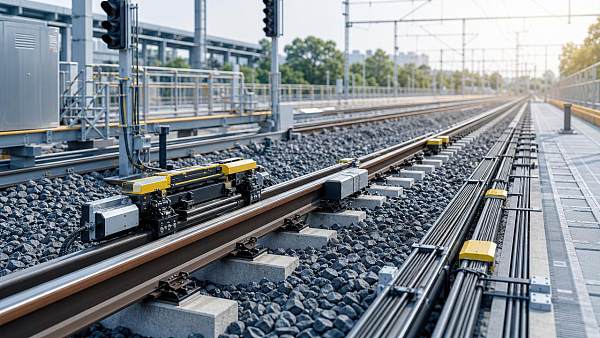
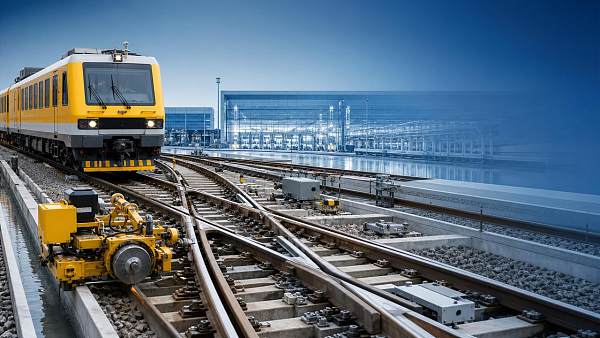
In modern rail systems, rail track maintenance is not just a scheduled engineering activity. It is a control mechanism that protects network reliability, passenger safety, freight continuity, and long-term asset value. When maintenance tasks start slipping from planned windows into repeated postponements, the issue is rarely limited to calendar pressure alone. Delays often indicate that inspection findings are not being converted into action fast enough, maintenance resources are not aligned with asset condition, or operational priorities are consistently overriding infrastructure needs.
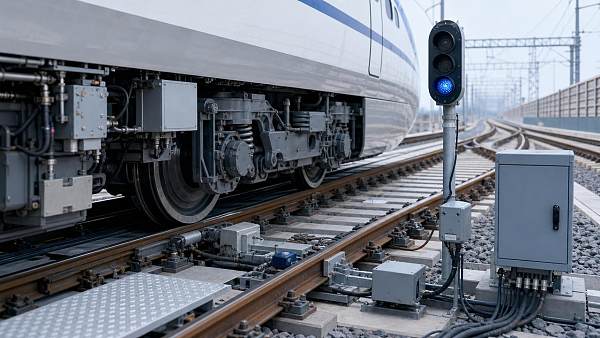
For after-sales maintenance personnel, these delays matter because they are usually the first visible symptom of a wider systems problem. A deferred tamping cycle, a postponed rail grinding intervention, or a late turnout inspection may appear manageable in isolation. However, once these tasks accumulate, they can amplify wear patterns, increase vibration, reduce ride quality, and create conditions in which signaling and track geometry performance begin to deteriorate together. In that sense, delayed rail track maintenance is less a single failure and more an operational warning signal.
Why the Industry Pays Close Attention to Maintenance Slippage
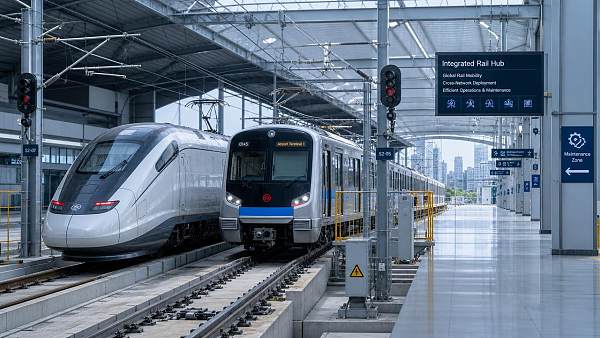
Across high-speed rail, urban metro, regional passenger corridors, and heavy-haul freight lines, infrastructure managers are under pressure to deliver higher availability with tighter maintenance windows. At the same time, traffic density is rising, axle loads are increasing in many networks, and regulators expect stronger evidence of compliance with standards such as ISO/TS 22163, IEC 62278, and EN 50126. Under these conditions, even minor maintenance backlog can quickly become a strategic issue.
This is one reason intelligence-led platforms such as G-RTI have become relevant. Decision-makers no longer need only component specifications; they need benchmarked visibility into how mechanical, digital, and structural elements interact over time. In practice, rail track maintenance performance is increasingly assessed alongside signaling resilience, traction power stability, and rolling stock behavior. A delayed response to track defects may ultimately affect braking performance, wheel-rail interaction, asset life, and timetable confidence far beyond the maintenance department itself.
For after-sales teams, this means maintenance is no longer judged solely by whether work orders are closed. It is judged by how effectively the team can detect weak signals early, prioritize interventions based on risk, and support operators with evidence-based recommendations that reduce lifecycle cost.
Common Causes Behind Rail Track Maintenance Delays
Not every delay points to the same root cause. Some arise from operational congestion, while others are linked to capability gaps or fragmented decision-making. Understanding the type of delay is the first step toward controlling the underlying risk.
These causes often overlap. A network may appear to suffer from labor shortage, for example, while the deeper issue is that maintenance planning does not reflect actual asset criticality. For this reason, effective rail track maintenance management requires both technical insight and workflow discipline.
How Small Delays Develop into Bigger Operational Threats
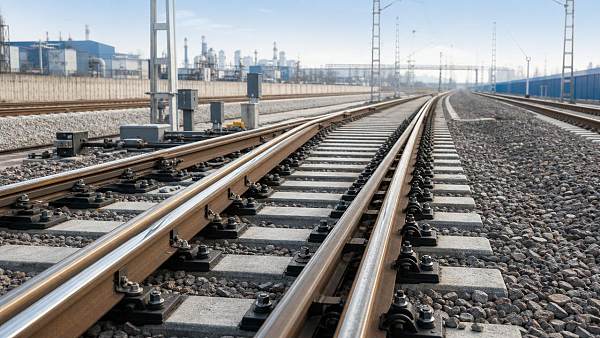
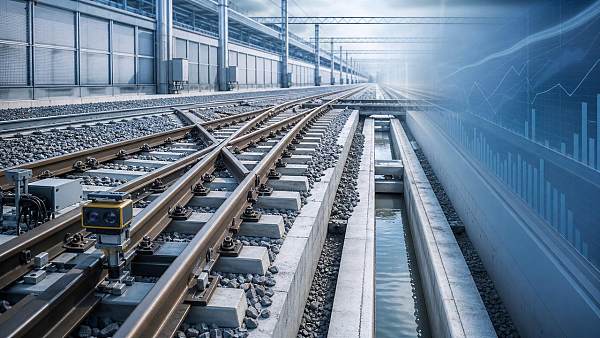
A delayed maintenance task becomes dangerous when it changes the condition trend of the asset. Track geometry defects can worsen under repeated traffic loading, especially in curves, transition zones, switches, crossings, bridges, and slab-to-ballast interfaces. What starts as a minor deviation may progress into speed restrictions, increased wheel impact, accelerated fastener wear, or poor ride comfort. Each consequence can generate secondary costs that far exceed the original maintenance effort.
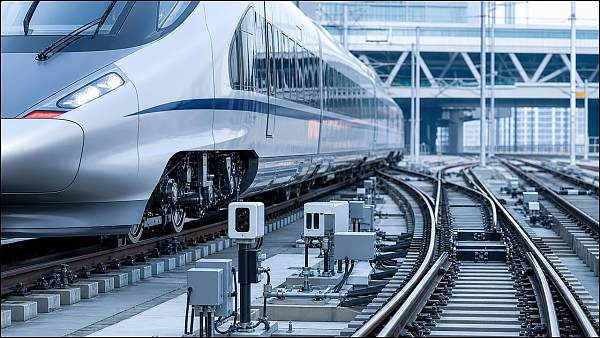
There is also a systems integration risk. Track condition does not operate independently from signaling and communications. In advanced networks using CBTC or ETCS environments, maintenance delays can indirectly affect train detection reliability, cable route integrity, equipment accessibility, and intervention safety procedures. After-sales teams should therefore treat delayed rail track maintenance as a cross-functional concern, not merely a civil works matter.
Another major threat is normalization. Once a backlog becomes familiar, organizations may start accepting degraded conditions as ordinary. This is especially risky because teams become more reactive, emergency work displaces planned work, and the maintenance strategy drifts away from preventive intent. By the time failures are visible to operations, the repair scope is usually larger, more disruptive, and more expensive.
Where After-Sales Maintenance Teams See the Earliest Warning Signs
After-sales personnel are often the first to recognize that a delay pattern is becoming abnormal. They work close to actual fault recurrence, intervention records, component wear history, and customer complaints. This practical visibility allows them to detect trends that may not yet be obvious in management dashboards.
Typical early signs include repeated short-term fixes on the same section, higher turnout adjustment frequency, growing numbers of deferred work orders, unexplained changes in vibration or noise, and more frequent coordination problems between track and signaling teams. In mixed fleets or multi-vendor environments, after-sales specialists may also notice that certain bogie or wheel profiles are intensifying local track wear, creating an interaction problem rather than a simple infrastructure defect.
This is where benchmark-based analysis becomes valuable. By comparing maintenance response times, intervention thresholds, and component performance against recognized industry practice, teams can move from opinion to evidence. That supports better escalation to operators, EPC contractors, and infrastructure owners.
Practical Value of Better Rail Track Maintenance Visibility
Improving visibility into rail track maintenance does more than avoid isolated defects. It strengthens decision-making across the asset lifecycle. For operators, better visibility supports timetable confidence and fewer unplanned disruptions. For maintenance contractors, it improves crew allocation, material readiness, and intervention quality. For manufacturers and system integrators, it provides feedback that can influence component design, digital monitoring logic, and warranty strategy.
In financial terms, early action helps preserve the difference between manageable preventive work and expensive corrective work. A track asset rarely fails in one dramatic step; it usually degrades through signals that were visible but not acted on in time. Better visibility shortens that gap between detection and response.
For organizations involved in international rail markets, visibility also supports compliance and procurement discipline. Buyers and project leaders increasingly expect service partners to demonstrate measurable maintenance intelligence, not only manual capability. Evidence of structured monitoring, traceable intervention history, and standards-aligned decision criteria can become a competitive advantage.
Typical Maintenance Contexts and Their Risk Profile
This classification shows why one uniform response is rarely enough. Effective rail track maintenance depends on traffic profile, infrastructure design, asset age, and digital maturity.
Practical Recommendations for After-Sales Maintenance Personnel
First, treat recurring maintenance delay as a reportable condition, not just a scheduling inconvenience. If the same task slips repeatedly, document the operational reason, the asset condition trend, and the projected consequence of further deferral. This creates a stronger basis for escalation.
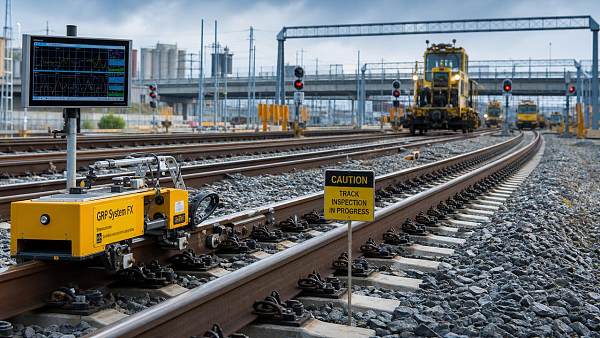
Second, connect field observations with measurable thresholds. Combining visual inspection, geometry data, ultrasonic testing, turnout diagnostics, and failure history helps prevent subjective decision-making. The more traceable the evidence, the easier it is to justify intervention before a defect becomes critical.
Third, improve interface management. Many rail track maintenance issues worsen because track, signaling, and rolling stock teams review them separately. Shared defect reviews and common risk language can reduce blind spots, especially on complex transit systems.
Fourth, distinguish backlog by risk, not by age alone. Some older open items may remain stable, while newly identified defects in turnouts, transition zones, or high-stress curves may require faster intervention. Prioritization should reflect operational impact and deterioration rate.
Finally, use benchmarking intelligently. External comparison can reveal whether delay patterns are normal for a specific network type or evidence of underperformance. This is especially useful for organizations operating across regions with different regulatory expectations and supplier ecosystems.
Building a More Resilient Maintenance Culture
The long-term goal is not simply to reduce delayed tasks. It is to build a maintenance culture in which weak signals are visible, discussed early, and acted on with discipline. That requires reliable data capture, clear accountability, realistic access planning, and leadership support for preventive work even when operations are under pressure.
In a global rail environment shaped by tighter standards, denser traffic, and stronger demand for asset transparency, delayed rail track maintenance should never be dismissed as a routine inconvenience. For after-sales maintenance teams, it is often the earliest practical indicator that bigger operational, safety, or cost risks are forming beneath the surface.
Organizations that respond early gain more than compliance. They protect service continuity, extend asset life, and make better technical decisions across track, signaling, power, and rolling stock interfaces. If your team is seeing repeated slippage in maintenance execution, now is the right time to investigate the pattern, validate it against benchmark data, and turn those warning signs into informed action.
Search News
Industry Portal
Hot Articles

Popular Tags
Recommended News
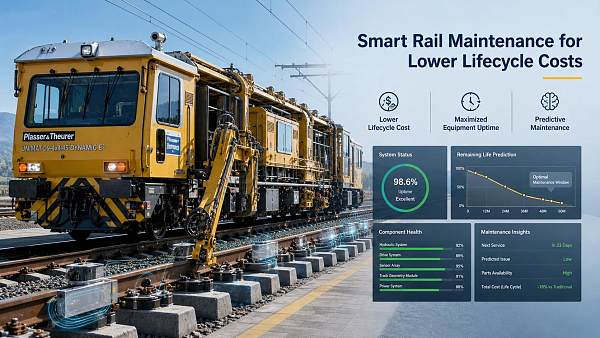
 Jul 15, 2026Track Maintenance Systems in Europe: How to Compare Lifecycle Cost and UptimeTrack maintenance systems Europe: compare lifecycle cost, uptime, compliance, and spare-parts risk to choose rail solutions that cut downtime and improve long-term value.
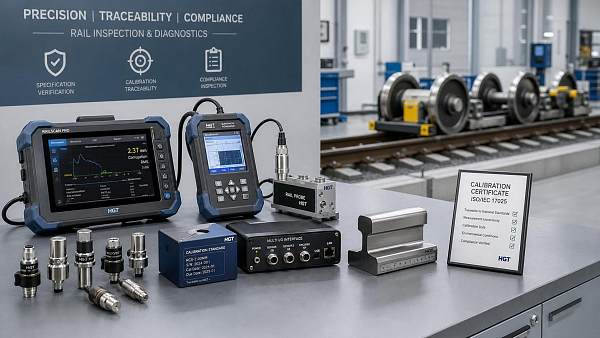
 Jul 11, 2026Diagnostic Equipment Manufacturer Selection: Key Specs, Calibration, and Compliance ChecksDiagnostic equipment manufacturer selection affects accuracy, calibration traceability, and compliance. Learn the key specs and checks to reduce risk and choose with confidence.
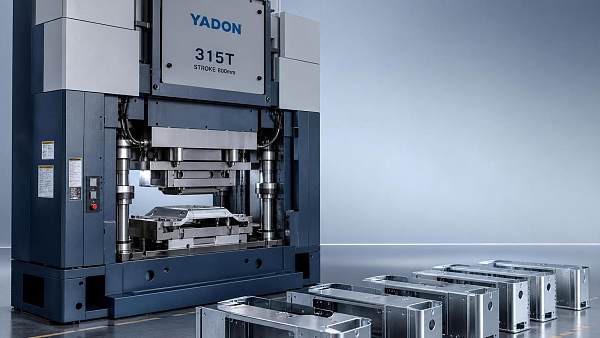
 Jul 10, 2026How to Choose a Hydraulic Press for Sheet Metal Based on Tonnage, Stroke, and Die SetupHydraulic press for sheet metal selection goes beyond tonnage. Learn how stroke, die setup, and part requirements affect accuracy, uptime, and smarter buying decisions.
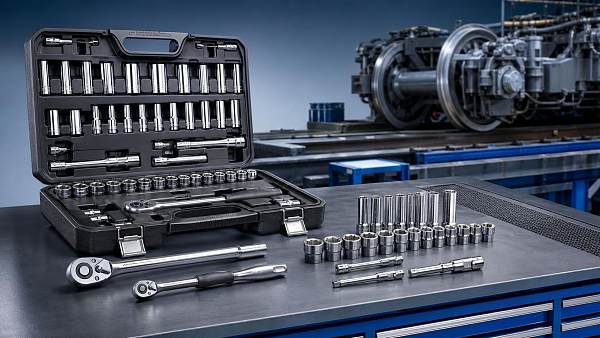
 Jul 09, 2026Socket Wrench Sets: What Sizes, Drive Types, and Case Options Are Worth Buying?socketwrenchsets buying guide: compare must-have sizes, 1/4, 3/8, and 1/2 drive options, plus case styles that improve access, durability, and value for real maintenance work.
![]() Jul 07, 2026Solid Waste Shredders: Which Types Fit MSW, Plastic, Wood, and Bulky Waste?solidwasteshredders guide: compare the best shredder types for MSW, plastic, wood, and bulky waste, with practical selection tips to boost uptime, cut costs, and choose smarter.
Jul 07, 2026Solid Waste Shredders: Which Types Fit MSW, Plastic, Wood, and Bulky Waste?solidwasteshredders guide: compare the best shredder types for MSW, plastic, wood, and bulky waste, with practical selection tips to boost uptime, cut costs, and choose smarter. Jul 03, 2026>30000 Layers H Type Automatic Battery Cage: Key Specs, Capacity, and Farm Fit>30000 Layers H Type Automatic Battery Cage guide covering key specs, true capacity, automation benefits, and farm fit—compare smarter and choose a system built for scalable egg production.
 Jul 01, 2026Sheet Metal Work vs CNC Machining: Which Process Fits Your Part Design and Volume?Sheet metal work vs CNC machining: discover how geometry, tolerance, and production volume affect cost, lead time, and scalability so you can choose the right process with confidence.
 Jun 30, 2026Rail Track Maintenance in the Middle East: Key Challenges, Methods, and Planning TipsRail track maintenance Middle East guide covering heat, sand, drainage, turnout care, and planning tips to cut downtime, improve safety, and optimize life-cycle cost.
 Jun 24, 2026Car Maintenance Checklist: What to Inspect Daily, Monthly, and Before Long TripsCar maintenance made simple: discover what to inspect daily, monthly, and before long trips to prevent breakdowns, improve safety, and save on costly repairs.
 Jun 22, 2026Handling Technology in Rail Maintenance: Equipment Types and Selection CriteriaHandling technology in rail maintenance: explore equipment types, key selection criteria, and smart ways to improve safety, uptime, and depot efficiency.
 Jun 16, 2026How to Read Hydraulic Press Specifications for Rail Workshop JobsHydraulic press specifications explained for rail workshop jobs: learn how to assess force, stroke, duty cycle, safety, and control to reduce procurement risk and improve performance.
 Jun 13, 2026Industrial Tablet PCs for Field Maintenance: Key Specs for Dust, Vibration, and ConnectivityTablet PCs built for field maintenance: discover the key specs for dust protection, vibration resistance, and reliable connectivity to keep rail and transit teams productive.
 Jun 03, 2026Hydraulic Parts Selection Guide: Seals, Valves, Pumps, and Failure RisksHydraulic parts selection guide for seals, valves, pumps, and hoses—learn how to reduce leakage, contamination, downtime, and failure risks in rail and transit maintenance.
 May 26, 2026When rail track maintenance costs more than expectedRail track maintenance costs often exceed budgets due to hidden lifecycle, compliance, and procurement risks. Learn the real cost drivers and make smarter approval decisions.
 May 24, 2026When does rail track maintenance cost more than expectedRail track maintenance costs rise fast when hidden defects, traffic pressure, aging assets, and compliance gaps go unchecked. Learn when overruns become avoidable.
 May 23, 2026When does rail predictive maintenance truly cut downtime?Rail predictive maintenance cuts downtime when critical assets show clear warning signs and teams can act fast. Learn when it delivers real ROI, fewer disruptions, and smarter rail maintenance planning.
 May 22, 2026How rail track maintenance costs change over asset lifeRail track maintenance costs change across every asset life stage. Learn the key cost drivers, renewal signals, and planning insights to reduce risk and improve rail budget performance.
 May 21, 2026How rail predictive maintenance cuts downtime in practiceRail predictive maintenance cuts downtime by turning condition data into early action. Learn where it works best, which rail assets to prioritize, and how to implement it for fewer failures and smarter maintenance.
 May 18, 2026What rail track maintenance issues cause most service delays?Rail track maintenance issues like geometry defects, turnout failures, wear, and drainage problems cause most service delays. See which risks matter most by operating scene.
 May 13, 2026Is rail global mobility reshaping spare parts planning?Rail global mobility is reshaping spare parts planning through compliance, forecasting, and lead-time control. Learn how smarter inventory strategies reduce risk and boost rail aftermarket growth.
 May 09, 2026Rail economic resilience now depends on maintenance timingRail economic resilience starts with smarter maintenance timing. Discover how data-driven planning cuts downtime, controls lifecycle cost, and strengthens rail network performance.
 May 08, 2026When Does Rail Track Maintenance Start Costing More Than It Saves?Rail track maintenance: learn the warning signs, cost triggers, and renewal thresholds that show when repeated repairs stop saving money and start hurting rail performance and budgets.
 May 06, 2026What Causes Rail Track Maintenance Costs to Spike Early?Rail track maintenance costs can spike early due to hidden drainage issues, load stress, delayed inspections, and poor component fit. Discover practical fixes to cut failures and extend track life.
 May 05, 2026What rail global mobility means for fleet deployment plansRail global mobility is redefining fleet deployment plans. Discover how operators balance interoperability, compliance, maintenance, and low-carbon goals for smarter rail decisions.








Quarterly Executive Summaries Delivered Directly.
Join 50,000+ industry leaders who receive our proprietary market analysis and policy outlooks before they hit the public library.