

Rail track maintenance costs rise fast when inspections slip
Dr. Alistair Thorne
Time
Click Count
When inspections are delayed, rail track maintenance costs can escalate far faster than many project teams expect. For project managers and engineering leads, even minor lapses in monitoring may trigger larger repair scopes, unplanned downtime, and higher lifecycle risk. Understanding how inspection discipline influences asset performance is essential for controlling budgets, meeting safety standards, and sustaining reliable rail operations.
Why missed inspections make rail track maintenance costs rise so quickly
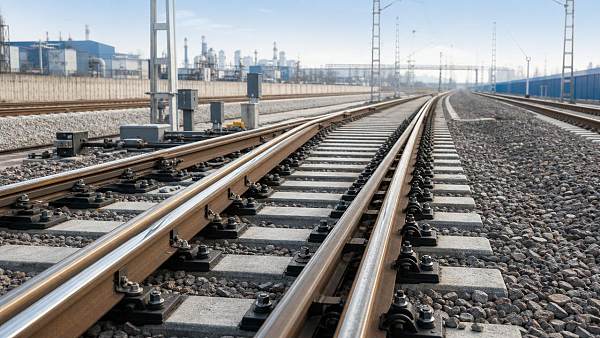
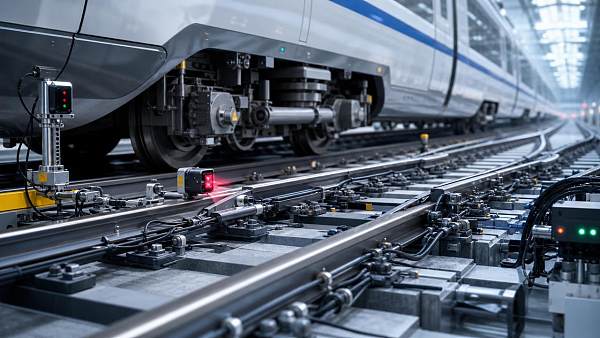
In rail infrastructure, deterioration rarely stays linear. A small geometry deviation, early ballast fouling issue, loose fastening set, or localized rail surface defect can remain manageable when discovered during a planned inspection cycle. Once that cycle slips by even one review window, the same issue may progress into speed restrictions, larger work packages, and emergency callouts. That is why rail track maintenance cost control depends as much on inspection discipline as on repair capability.
For project managers, the problem is not only technical. Delayed inspections affect possession planning, contractor allocation, spare part readiness, and stakeholder reporting. A 7-day or 14-day delay in reviewing a priority section can shift work from a low-cost planned intervention to a higher-cost reactive maintenance event. In mixed traffic corridors, metro systems, and high-speed rail segments, the financial effect is magnified because access windows are short and service continuity is critical.
Rail track maintenance is also linked to safety assurance frameworks. Standards and lifecycle management practices commonly require traceable inspection records, risk ranking, and corrective action timing. If inspection evidence is incomplete, operators and EPC teams may face wider consequences than direct repair expense, including delayed acceptance, compliance review pressure, and disputes over asset condition at handover.
From a budgeting perspective, the biggest mistake is assuming maintenance cost rises only when visible failure appears. In reality, costs often rise in 3 stages: early defect growth, operational restriction, and emergency intervention. The first stage is usually the least expensive to resolve. The third stage often consumes the most labor hours, more replacement material, and more coordination time across engineering, operations, and procurement teams.
How defect escalation changes project economics
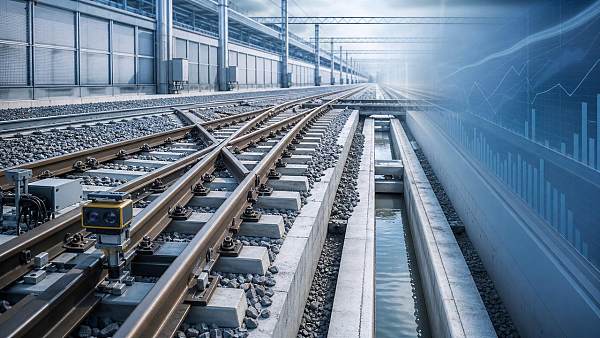
A routine inspection program is designed to identify defects before they interact. For example, poor drainage can accelerate ballast degradation, which then affects track geometry stability, which then increases dynamic loading on rails and sleepers. What began as one maintenance issue can become a multi-discipline problem across civil works, track components, and operating performance within one inspection quarter.
This is especially relevant in networks handling high axle loads, frequent acceleration and braking, or weather-driven stress cycles. Project teams that postpone inspection often do not see one extra cost line; they see several. Those may include tamping, fastening replacement, weld grinding, drainage correction, traffic management support, and overnight possession premiums.
- Minor defects found early are usually corrected within a planned maintenance window using standard labor crews and existing stock.
- Intermediate defects often require broader measurement, additional approvals, and temporary operating restrictions.
- Advanced defects may require urgent possessions, higher-cost subcontract support, and broader asset replacement than initially expected.
Which cost drivers matter most in rail track maintenance planning?
Project leaders often focus on unit repair price, but the true cost of rail track maintenance is broader. Inspection slippage changes direct and indirect cost categories at the same time. The direct cost includes labor, machinery, replacement components, and testing. The indirect cost includes possession overruns, service disruption, contractor remobilization, and delayed milestone achievement. When these categories combine, the budget impact can exceed the original maintenance estimate by a significant margin.
A practical way to manage this is to break maintenance economics into five decision layers: inspection frequency, defect criticality, access constraints, component interoperability, and compliance burden. On a busy urban transit line, for example, a missed inspection may force repairs into a night-only access window of 2–4 hours, which is much less efficient than a planned 6–8 hour possession. The same work then costs more simply because productive site time is reduced.
Another cost driver is replacement scope creep. If rail, fastening systems, sleepers, and ballast condition are not tracked together, teams may under-specify the required intervention. That leads to repeat access, repeat testing, and duplicated logistics. For procurement and engineering managers, this is where data transparency becomes critical: condition data should support not only maintenance prioritization but also package definition and supplier coordination.
The table below highlights common cost drivers and how delayed inspections typically change the work package. It is useful for maintenance forecasting, tender preparation, and contractor negotiation.
The key lesson is that rail track maintenance cost does not depend on repair type alone. It depends on when the defect is discovered and whether intervention can be executed under normal access conditions. Inspection discipline is therefore a cost management tool, not just a technical obligation.
Three indicators project teams should track every month
To prevent maintenance budgets from drifting, project teams should review a compact dashboard every month or every 4 weeks for high-risk corridors. Three indicators are especially useful because they connect condition data with budget exposure.
- Inspection completion rate by route section and asset type, showing where scheduled checks are slipping.
- Defect aging, measuring how many open findings remain unresolved beyond the target action window.
- Planned versus reactive maintenance ratio, indicating whether resources are being consumed by emergency work instead of lifecycle optimization.
Even without a complex digital platform, these three indicators can give engineering managers early warning that rail track maintenance costs are about to rise. When integrated into a benchmarking framework like G-RTI, they become even more useful for comparing internal performance against cross-market execution practices.
How to set inspection intervals and intervention thresholds for different rail environments
Not every corridor requires the same inspection rhythm. High-speed rail, urban metro, freight-heavy routes, and mixed-use networks each create different loading profiles, wear patterns, and access challenges. The mistake many teams make is applying a uniform inspection calendar to assets with very different degradation behavior. That approach may look simple, but it often hides budget risk.
A more effective rail track maintenance strategy uses risk-based intervals. Critical turnouts, transition zones, high-curvature segments, bridge approaches, and sections with historical drainage problems often need more frequent review than stable tangent track. Typical practice may include weekly visual checks for sensitive zones, monthly trend reviews, and deeper geometry or condition verification at quarterly or semiannual intervals, depending on traffic intensity and regulatory framework.
Intervention thresholds also matter. If teams wait until a defect reaches a clear operational limit, they may already be too late for low-cost correction. For project managers, the more useful threshold is often the action trigger that preserves planned maintenance conditions. In other words, the right trigger is not only about safety; it is also about keeping the work package small enough to deliver efficiently.
The following comparison can help structure inspection planning for procurement packages, maintenance contracts, and internal asset management reviews.
This table does not replace local standards or operator rules, but it shows why inspection planning should be asset- and context-specific. A one-size-fits-all approach can either over-inspect low-risk sections or under-protect critical ones, and both outcomes waste budget.
What project managers should ask before approving an inspection plan
Before sign-off, project managers should test whether the plan is operationally realistic. A maintenance schedule that looks adequate on paper may fail if it ignores access windows, contractor capacity, or spare part lead times of 2–6 weeks. The right questions improve both cost predictability and execution quality.
- Are inspection intervals linked to route criticality, traffic pattern, and historical defect recurrence?
- Do trigger thresholds support planned intervention before emergency restrictions become necessary?
- Can field findings be converted into procurement actions quickly enough to avoid reinspection and remobilization?
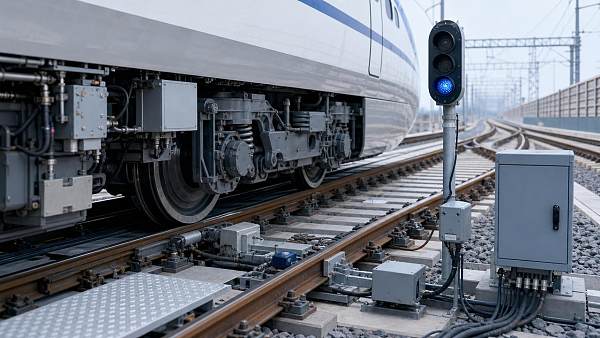
- Are track, signaling interface, and traction power access requirements coordinated in the same possession plan where needed?
What should procurement and engineering teams compare before buying maintenance solutions?
In many organizations, rail track maintenance spending is fragmented across inspections, consumables, machinery access, data tools, and subcontract packages. That fragmentation makes procurement difficult. Teams may compare the price of a single service line while missing the cost consequences across the full maintenance workflow. Better procurement decisions come from evaluating the complete chain from detection to intervention to verification.
For engineering leaders and EPC decision-makers, the most useful comparison is not just vendor A versus vendor B. It is planned maintenance capability versus reactive maintenance exposure. If a lower-cost inspection package produces incomplete defect classification, poor traceability, or slow reporting, the apparent savings may disappear within one or two maintenance cycles.
G-RTI adds value here by benchmarking not only hardware and maintenance technologies, but also their fit against international rail requirements and procurement realities. That matters for cross-border projects where Asian manufacturing strength must align with European, American, or Middle Eastern compliance expectations. Decision-makers need a clear view of technical compatibility, lifecycle impact, and documentation readiness before they commit budget.
The checklist below summarizes practical comparison criteria for rail track maintenance sourcing, especially where inspection quality directly affects future cost.
Five procurement dimensions that reduce lifecycle risk
- Condition detection quality: Can the method identify geometry, fastening, rail surface, ballast, and drainage issues with sufficient repeatability for planning decisions?
- Reporting speed: Are findings delivered within 24–72 hours for critical sections, or does the reporting lag delay intervention approval?
- Standards alignment: Can the supplier support documentation and processes consistent with frameworks such as ISO/TS 22163, IEC 62278, and EN 50126 where applicable?
- Supply chain resilience: Are replacement components and service resources available within the planned maintenance window, especially for international projects?
- Data integration value: Can inspection outputs feed asset registers, risk logs, tender packages, and maintenance dashboards without manual rework?
When teams use these five dimensions, procurement becomes more than price comparison. It becomes a structured decision about whether the chosen maintenance approach will keep future costs stable or allow them to accelerate. That distinction is especially important for multi-year framework contracts and projects approaching commissioning or expansion phases.
A practical decision rule for budget-constrained projects
If budget is tight, prioritize capabilities that prevent defect growth in the highest-consequence areas first. For many networks, that means focusing on turnouts, bridge approaches, high-traffic curves, transition zones, and sections with repeated drainage or settlement history. A targeted inspection upgrade in 20% of the network can often protect a much larger share of maintenance spend than a thinly distributed program across all sections.
This is also where benchmarking matters. G-RTI helps project teams compare what is technically necessary against what is commercially available, reducing the risk of overbuying on low-risk assets or under-specifying on critical sections. For procurement directors and engineering managers, that balance is often the difference between a stable maintenance budget and a recurring cycle of emergency expenditures.
Standards, implementation steps, and common mistakes to avoid
Rail track maintenance planning should not sit apart from broader system assurance. Inspection records, defect ranking, intervention timing, and verification all connect with project governance and technical compliance. While local rules always apply, many international projects use lifecycle and quality frameworks such as ISO/TS 22163, IEC 62278, and EN 50126 to structure traceability, risk management, and maintenance decision support.
For project leaders, compliance is not only about satisfying an auditor or authority. It also reduces commercial ambiguity. If inspection methods, acceptance criteria, and escalation rules are clearly documented, teams are less likely to dispute scope with contractors or suppliers. That improves schedule reliability and helps procurement convert technical findings into executable packages faster.
Implementation usually works best in 4 steps: establish asset criticality, define inspection frequency and thresholds, connect findings to intervention workflows, and validate closure after maintenance. Projects that skip the third step often fail to realize value from inspection because defects are recorded but not translated into timely work orders, material requests, or possession plans.
Below are frequent mistakes that cause rail track maintenance costs to rise despite having an inspection program in place.
Common misconceptions and avoidable failures
- Assuming visual inspection alone is enough for all sections. High-risk assets often need layered review, trend analysis, and formal measurement support.
- Treating inspection and maintenance procurement separately. If data and intervention scope do not align, repair packages become inefficient and repetitive.
- Using uniform intervals for all assets. Critical zones may need weekly or monthly attention, while low-risk sections may support longer cycles.
- Waiting for a defect to become operationally severe before acting. That often guarantees higher access cost and larger replacement scope.
- Ignoring cross-discipline effects. Drainage, civil settlement, track geometry, and vehicle dynamics can influence one another over a single season.
FAQ for project managers and engineering leads
How often should rail track maintenance inspections be reviewed?
There is no universal interval, but high-risk sections are often reviewed weekly to monthly, while broader trend and program performance reviews are commonly done every quarter. The right interval depends on traffic density, axle load, speed profile, turnout concentration, drainage history, and local regulatory requirements. The main goal is to detect defects early enough to keep interventions planned rather than reactive.
What is the biggest hidden cost when inspections are delayed?
The biggest hidden cost is usually not the repair item itself but the loss of efficient access. Once a defect worsens, teams may need special possessions, contractor remobilization, added safety controls, and traffic restrictions. These indirect costs can outweigh the original inspection savings, especially on metro or high-speed corridors with short maintenance windows.
What should be included in a maintenance procurement brief?
At minimum, include asset scope, route criticality, defect categories, expected reporting time, intervention thresholds, access constraints, documentation requirements, and relevant standards alignment. It is also wise to define whether outputs must support tendering, lifecycle records, or digital asset systems. A weak brief often leads to low comparability across suppliers and poor downstream cost control.
How can G-RTI support better decisions?
G-RTI supports decision-makers by benchmarking track infrastructure, maintenance technologies, and supporting systems against international standards and cross-market procurement realities. For teams managing complex rail projects, this means clearer comparison between available solutions, stronger documentation for approvals, and better visibility into how inspection quality affects lifecycle cost and compliance readiness.
Why choose us for rail track maintenance benchmarking and project decision support
For project managers, engineering leads, procurement directors, and EPC teams, the challenge is rarely a lack of maintenance activity. The real challenge is choosing the right inspection depth, intervention timing, supplier mix, and compliance path before costs accelerate. G-RTI is built to support that decision process with a technical and commercial lens, especially where global sourcing must align with strict rail market requirements.
Our advantage lies in linking five industrial pillars—HSR systems, urban metro and transit, advanced signaling and communication, track infrastructure and maintenance, and traction power supply—into one benchmarking framework. That integrated view helps teams avoid isolated maintenance decisions that later create compatibility, possession, or lifecycle cost problems elsewhere in the project.
You can contact G-RTI for practical support in 6 high-value areas: inspection strategy review, maintenance scope comparison, supplier and solution benchmarking, standards and documentation mapping, delivery cycle assessment, and budget-risk prioritization for critical sections. These are the areas where better decisions usually produce the fastest savings in rail track maintenance planning.
If your team is evaluating rail track maintenance options, preparing a tender, validating inspection intervals, or trying to reduce reactive maintenance exposure over the next 3–12 months, reach out with your asset type, operating environment, and project constraints. We can help you clarify parameter requirements, compare solution paths, review certification expectations, discuss supply chain timing, and structure a more resilient maintenance strategy before hidden costs compound.
Search News
Industry Portal
Hot Articles

Popular Tags
Recommended News
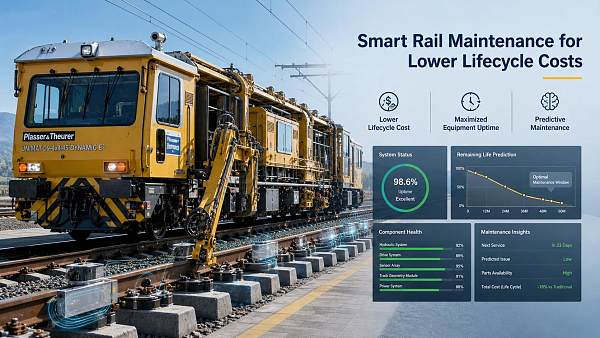
 Jul 15, 2026Track Maintenance Systems in Europe: How to Compare Lifecycle Cost and UptimeTrack maintenance systems Europe: compare lifecycle cost, uptime, compliance, and spare-parts risk to choose rail solutions that cut downtime and improve long-term value.
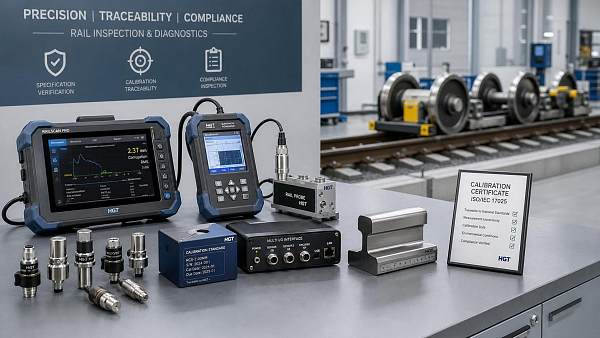
 Jul 11, 2026Diagnostic Equipment Manufacturer Selection: Key Specs, Calibration, and Compliance ChecksDiagnostic equipment manufacturer selection affects accuracy, calibration traceability, and compliance. Learn the key specs and checks to reduce risk and choose with confidence.
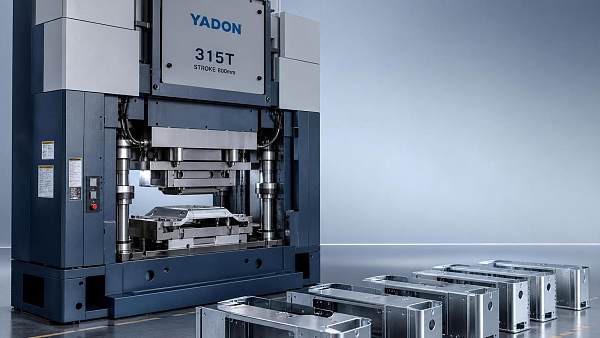
 Jul 10, 2026How to Choose a Hydraulic Press for Sheet Metal Based on Tonnage, Stroke, and Die SetupHydraulic press for sheet metal selection goes beyond tonnage. Learn how stroke, die setup, and part requirements affect accuracy, uptime, and smarter buying decisions.
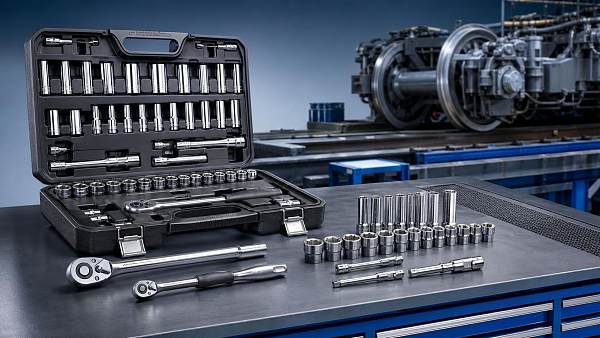
 Jul 09, 2026Socket Wrench Sets: What Sizes, Drive Types, and Case Options Are Worth Buying?socketwrenchsets buying guide: compare must-have sizes, 1/4, 3/8, and 1/2 drive options, plus case styles that improve access, durability, and value for real maintenance work.
![]() Jul 07, 2026Solid Waste Shredders: Which Types Fit MSW, Plastic, Wood, and Bulky Waste?solidwasteshredders guide: compare the best shredder types for MSW, plastic, wood, and bulky waste, with practical selection tips to boost uptime, cut costs, and choose smarter.
Jul 07, 2026Solid Waste Shredders: Which Types Fit MSW, Plastic, Wood, and Bulky Waste?solidwasteshredders guide: compare the best shredder types for MSW, plastic, wood, and bulky waste, with practical selection tips to boost uptime, cut costs, and choose smarter. Jul 03, 2026>30000 Layers H Type Automatic Battery Cage: Key Specs, Capacity, and Farm Fit>30000 Layers H Type Automatic Battery Cage guide covering key specs, true capacity, automation benefits, and farm fit—compare smarter and choose a system built for scalable egg production.
 Jul 01, 2026Sheet Metal Work vs CNC Machining: Which Process Fits Your Part Design and Volume?Sheet metal work vs CNC machining: discover how geometry, tolerance, and production volume affect cost, lead time, and scalability so you can choose the right process with confidence.
 Jun 30, 2026Rail Track Maintenance in the Middle East: Key Challenges, Methods, and Planning TipsRail track maintenance Middle East guide covering heat, sand, drainage, turnout care, and planning tips to cut downtime, improve safety, and optimize life-cycle cost.
 Jun 24, 2026Car Maintenance Checklist: What to Inspect Daily, Monthly, and Before Long TripsCar maintenance made simple: discover what to inspect daily, monthly, and before long trips to prevent breakdowns, improve safety, and save on costly repairs.
 Jun 22, 2026Handling Technology in Rail Maintenance: Equipment Types and Selection CriteriaHandling technology in rail maintenance: explore equipment types, key selection criteria, and smart ways to improve safety, uptime, and depot efficiency.
 Jun 16, 2026How to Read Hydraulic Press Specifications for Rail Workshop JobsHydraulic press specifications explained for rail workshop jobs: learn how to assess force, stroke, duty cycle, safety, and control to reduce procurement risk and improve performance.
 Jun 13, 2026Industrial Tablet PCs for Field Maintenance: Key Specs for Dust, Vibration, and ConnectivityTablet PCs built for field maintenance: discover the key specs for dust protection, vibration resistance, and reliable connectivity to keep rail and transit teams productive.
 Jun 03, 2026Hydraulic Parts Selection Guide: Seals, Valves, Pumps, and Failure RisksHydraulic parts selection guide for seals, valves, pumps, and hoses—learn how to reduce leakage, contamination, downtime, and failure risks in rail and transit maintenance.
 May 26, 2026When rail track maintenance costs more than expectedRail track maintenance costs often exceed budgets due to hidden lifecycle, compliance, and procurement risks. Learn the real cost drivers and make smarter approval decisions.
 May 24, 2026When does rail track maintenance cost more than expectedRail track maintenance costs rise fast when hidden defects, traffic pressure, aging assets, and compliance gaps go unchecked. Learn when overruns become avoidable.
 May 23, 2026When does rail predictive maintenance truly cut downtime?Rail predictive maintenance cuts downtime when critical assets show clear warning signs and teams can act fast. Learn when it delivers real ROI, fewer disruptions, and smarter rail maintenance planning.
 May 22, 2026How rail track maintenance costs change over asset lifeRail track maintenance costs change across every asset life stage. Learn the key cost drivers, renewal signals, and planning insights to reduce risk and improve rail budget performance.
 May 21, 2026How rail predictive maintenance cuts downtime in practiceRail predictive maintenance cuts downtime by turning condition data into early action. Learn where it works best, which rail assets to prioritize, and how to implement it for fewer failures and smarter maintenance.
 May 18, 2026What rail track maintenance issues cause most service delays?Rail track maintenance issues like geometry defects, turnout failures, wear, and drainage problems cause most service delays. See which risks matter most by operating scene.
 May 13, 2026Is rail global mobility reshaping spare parts planning?Rail global mobility is reshaping spare parts planning through compliance, forecasting, and lead-time control. Learn how smarter inventory strategies reduce risk and boost rail aftermarket growth.
 May 09, 2026Rail economic resilience now depends on maintenance timingRail economic resilience starts with smarter maintenance timing. Discover how data-driven planning cuts downtime, controls lifecycle cost, and strengthens rail network performance.
 May 08, 2026When Does Rail Track Maintenance Start Costing More Than It Saves?Rail track maintenance: learn the warning signs, cost triggers, and renewal thresholds that show when repeated repairs stop saving money and start hurting rail performance and budgets.
 May 06, 2026What Causes Rail Track Maintenance Costs to Spike Early?Rail track maintenance costs can spike early due to hidden drainage issues, load stress, delayed inspections, and poor component fit. Discover practical fixes to cut failures and extend track life.
 May 05, 2026What rail global mobility means for fleet deployment plansRail global mobility is redefining fleet deployment plans. Discover how operators balance interoperability, compliance, maintenance, and low-carbon goals for smarter rail decisions.





Quarterly Executive Summaries Delivered Directly.
Join 50,000+ industry leaders who receive our proprietary market analysis and policy outlooks before they hit the public library.