

Rail track maintenance costs rise when inspections drift
Dr. Alistair Thorne
Time
Click Count
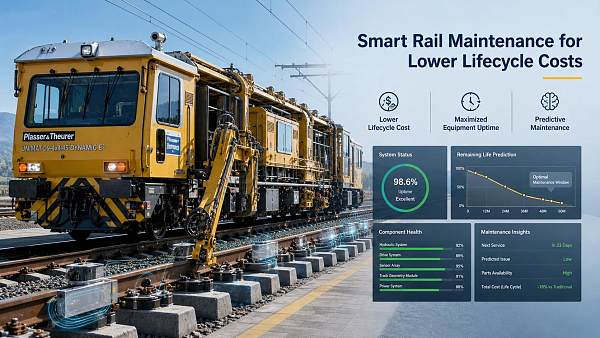
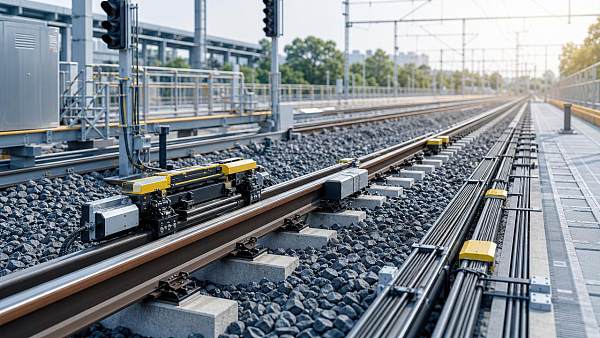
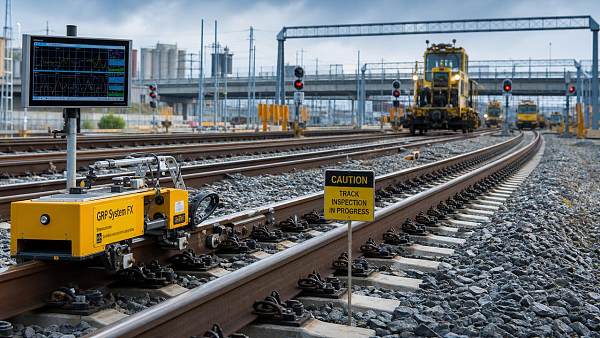
When rail track maintenance inspections drift, costs do not rise gradually—they compound. A small delay in geometry checks, ultrasonic testing, fastening inspection, or turnout assessment can quickly translate into speed restrictions, unplanned possessions, emergency repairs, premature component replacement, and higher lifecycle cost. For procurement leaders, EPC contractors, technical evaluators, and distribution partners, the practical question is not whether inspections matter, but how inspection discipline affects maintenance budgets, asset reliability, compliance exposure, and long-term network performance. In both high-speed rail and urban metro systems, the strongest cost control strategy is increasingly a data-led one: standard-aligned inspection planning, condition-based maintenance, and traceable performance benchmarking.
Why inspection drift becomes a direct cost problem
User intent behind this topic is usually practical and decision-driven. Readers are not looking for a generic statement that “maintenance is important.” They want to understand why missed or delayed inspections push costs upward, how quickly the impact appears, and what signals indicate a maintenance regime is already losing control.
In rail infrastructure, inspection drift means scheduled checks are performed later than planned, performed with inconsistent scope, or fail to trigger timely intervention. That drift creates a gap between actual asset condition and operator awareness. Once that gap widens, maintenance teams stop making planned, low-cost corrections and start reacting to defects after they have propagated.
This shift from preventive to reactive activity is where expenses rise fastest. A track geometry deviation that could have been corrected through a planned tamping window may evolve into accelerated rail wear, fastening stress, ballast degradation, ride-quality deterioration, and eventually operational restrictions. The same logic applies to switches and crossings, weld integrity, drainage performance, slab track condition, and overhead interface zones.
For decision-makers, the takeaway is simple: delayed inspections are not just a technical discipline issue. They are an early-stage financial risk multiplier.
What target readers usually care about most
For information researchers, technical assessment teams, commercial evaluators, and channel partners, the most important concerns tend to fall into four categories.
First, cost visibility. They want to know where maintenance cost inflation actually comes from. In most cases, the increase is not driven by the inspection activity itself, but by downstream consequences: emergency callouts, component overconsumption, traffic disruption, contractor premium rates, safety mitigations, and shorter renewal cycles.
Second, operational risk. Rail transit efficiency depends on predictable asset condition. When inspection intervals drift, operators lose confidence in infrastructure integrity, often leading to temporary speed restrictions, possession conflicts, reduced headway performance, and service unreliability.
Third, compliance and assurance. Readers in regulated rail environments need to understand whether inspection practices align with reliability, availability, maintainability, and safety frameworks such as EN 50126, IEC 62278, and quality management expectations linked to ISO/TS 22163. Drift weakens auditability and can expose asset owners and delivery partners to contractual or regulatory scrutiny.
Fourth, ROI on digital maintenance investment. Many buyers and evaluators are trying to judge whether predictive maintenance software, track monitoring systems, AI-assisted diagnostics, or digital inspection workflows truly reduce lifecycle cost—or simply add another layer of technology cost. They need a decision framework, not marketing claims.
How inspection drift raises rail track maintenance costs in real terms
The cost impact of drifting inspections is best understood through the mechanisms it triggers across the asset base.
1. Defects become more expensive to correct.
Minor alignment, gauge, or cross-level issues are relatively affordable when identified early. Once left unchecked, they intensify dynamic loading and spread damage into sleepers, pads, fasteners, ballast, and rail profiles. Corrective work becomes broader in scope and more disruptive.
2. Maintenance windows become less efficient.
Planned maintenance depends on known defect volumes, stable workbanks, and well-sequenced possession planning. If inspections are late or inconsistent, work scopes become uncertain. Teams then mobilize with incomplete information, causing lower productivity and higher unit cost.
3. Asset life shortens.
Rail systems deteriorate as interconnected structures. Undetected drainage problems can destabilize ballast; unnoticed corrugation can worsen wheel-rail interaction; delayed turnout inspections can escalate wear in critical switch components. The result is premature replacement rather than optimized life extension.
4. Emergency interventions carry premium costs.
Reactive maintenance typically means out-of-hours mobilization, traffic coordination, safety controls, rush logistics, and expedited material supply. In procurement terms, emergency work nearly always costs more than scheduled work.
5. Operations suffer hidden commercial losses.
For metro and high-speed rail networks, infrastructure reliability affects punctuality, throughput, customer satisfaction, and contractual performance. Maintenance cost rises are only part of the story; lost operating efficiency can be equally significant.
6. Data quality deteriorates.
When inspections drift, asset history becomes fragmented. Trend analysis weakens, intervention thresholds become harder to validate, and predictive models lose accuracy. This creates a loop in which poor visibility leads to poorer maintenance decisions.
Which rail assets are most sensitive to delayed inspection cycles
Not every asset responds to inspection drift at the same rate. Readers evaluating risk should focus first on high-consequence components where deterioration can accelerate quickly or affect broader system reliability.
Switches and crossings (S&C). These are among the most maintenance-intensive assets in any network. Small defects in switch blades, crossings, actuation interfaces, or support condition can rapidly become service-affecting issues.
Track geometry in high-speed corridors. In high-speed rail, tolerances are tighter and the cost of degradation is amplified by dynamic loading. Inspection drift here often leads directly to performance restrictions and accelerated wear.
Urban metro curves and high-tonnage sections. Tight curvature, high frequency, and repetitive loading increase wear exposure. Delayed inspections can quickly translate into noise, vibration, gauge face wear, and passenger comfort complaints.
Welds and rail integrity zones. Ultrasonic testing and defect monitoring are essential because rail flaws can remain invisible until they become critical. Delayed detection significantly raises both safety and replacement cost implications.
Drainage-sensitive and transition areas. Track-bed condition, transitions to bridges or slab track, and water management zones can deteriorate progressively with limited visible warning. Inspection discipline matters because root causes often sit below the surface.
Why standards and benchmarking matter when controlling maintenance inflation
For G-RTI’s target audience, standards are not abstract references—they are practical tools for reducing uncertainty. EN 50126 and IEC 62278 provide a framework for reliability, availability, maintainability, and safety thinking across the asset lifecycle. ISO/TS 22163 supports process consistency and quality discipline across the rail supply chain. Together, these frameworks help organizations move from ad hoc maintenance toward measurable performance control.
In cost terms, standards help in three ways.
They clarify inspection criticality. Not all inspections carry equal operational consequence. Standard-based asset management helps teams prioritize what must not drift.
They improve traceability. If condition data, work orders, intervention thresholds, and defect histories are linked properly, management can identify whether rising costs are caused by deterioration, poor planning, weak supplier performance, or ineffective intervention timing.
They support procurement quality. Buyers comparing sensors, geometry measurement systems, predictive maintenance platforms, or outsourced inspection services need a benchmark that goes beyond price. Standards-aligned evaluation improves long-term value decisions.
How to judge whether predictive maintenance will actually reduce cost
This is one of the most commercially relevant questions for technical and business evaluators. Predictive maintenance is valuable only when it improves intervention timing, increases confidence in asset condition, and lowers the total cost of maintenance decisions.
A useful assessment framework includes the following questions:
Does the solution improve inspection frequency or inspection quality?
Some tools simply digitize reporting. Others materially improve defect detection, trend visibility, and exception alerting. Buyers should distinguish between administrative efficiency and true maintenance intelligence.
Can it integrate multiple data sources?
Track geometry, ultrasonic testing, axlebox acceleration monitoring, maintenance records, turnout events, and environmental conditions should not remain isolated datasets. Integration is what turns data into decision support.
Are intervention thresholds transparent?
A good system should not operate as a black box. Engineering teams need to understand how risk scores are generated and how recommendations map to maintenance standards and field reality.
Will it reduce reactive work?
The strongest business case usually comes from fewer emergency possessions, fewer service-affecting failures, better spare planning, and more efficient crew deployment.
Can suppliers prove reference performance?
Decision-makers should ask for evidence from comparable rail environments: high-speed, metro, mixed traffic, heavy usage corridors, or similar climate conditions.
In short, predictive maintenance should be evaluated as a cost-control system, not just a technology upgrade.
Practical warning signs that inspection drift is already hurting your network
Many organizations do not recognize inspection drift early because the problem shows up first as scattered operational friction rather than one dramatic failure. Several indicators deserve attention:
- Growing share of maintenance spend allocated to reactive work
- Frequent short-notice possessions or emergency access requests
- Recurring defects in the same corridor, turnout, or geometry zone
- Rising use of temporary speed restrictions
- Mismatch between inspection records and actual field condition
- Poor confidence in asset history or defect closure evidence
- Increased component replacement without clear extension of asset life
- Difficulty forecasting annual maintenance budgets accurately
For commercial teams and procurement directors, these are important signals because they often indicate a systemic issue rather than isolated maintenance underperformance. The real problem may be data governance, inspection workflow design, contractor oversight, or inadequate condition monitoring coverage.
What procurement and technical teams should prioritize next
To prevent rail track maintenance costs from rising when inspections drift, organizations should focus less on isolated tools and more on inspection assurance architecture.
Prioritize critical asset classes. Start with the assets where delayed detection has the highest operational or financial consequence, especially S&C, high-speed geometry zones, welds, and heavily loaded urban sections.
Link inspection timing to intervention strategy. Inspections only create value if findings drive timely maintenance action. Review whether defect thresholds, work approval steps, and crew scheduling support fast enough response.
Strengthen data transparency. Build a single, traceable view of inspection records, defect trends, intervention history, and supplier performance. This is essential for both internal assurance and external benchmarking.
Evaluate suppliers on lifecycle value. Whether selecting inspection services, measuring equipment, or predictive maintenance software, compare vendors on detection reliability, interoperability, standards alignment, support capability, and measurable maintenance outcomes—not only on upfront cost.
Use benchmarking to challenge assumptions. If one corridor, depot, or contractor consistently delivers lower defect escalation and better maintenance productivity, analyze why. Comparative intelligence is often the fastest route to practical improvement.
Conclusion
Rail track maintenance costs rise when inspections drift because delay changes the economics of maintenance itself. Planned, low-cost intervention gives way to reactive repair, asset life shortens, operational disruption grows, and decision-makers lose visibility into true infrastructure condition. For high-speed rail, urban metro, and broader transit systems, the most effective response is not simply “more inspection,” but better-controlled inspection: timely, risk-based, standards-aligned, and connected to predictive maintenance and transparent asset data.
For technical evaluators, business teams, and procurement leaders, the clearest conclusion is this: inspection discipline is a financial control mechanism. Organizations that benchmark asset integrity, validate supplier capability, and invest in actionable condition intelligence are in a much stronger position to protect reliability, support carbon-neutral rail goals, and manage lifecycle cost with confidence.
Search News
Industry Portal
Hot Articles

Popular Tags
Recommended News
 Jul 15, 2026Track Maintenance Systems in Europe: How to Compare Lifecycle Cost and UptimeTrack maintenance systems Europe: compare lifecycle cost, uptime, compliance, and spare-parts risk to choose rail solutions that cut downtime and improve long-term value.
 Jul 11, 2026Diagnostic Equipment Manufacturer Selection: Key Specs, Calibration, and Compliance ChecksDiagnostic equipment manufacturer selection affects accuracy, calibration traceability, and compliance. Learn the key specs and checks to reduce risk and choose with confidence.
 Jul 10, 2026How to Choose a Hydraulic Press for Sheet Metal Based on Tonnage, Stroke, and Die SetupHydraulic press for sheet metal selection goes beyond tonnage. Learn how stroke, die setup, and part requirements affect accuracy, uptime, and smarter buying decisions.
 Jul 09, 2026Socket Wrench Sets: What Sizes, Drive Types, and Case Options Are Worth Buying?socketwrenchsets buying guide: compare must-have sizes, 1/4, 3/8, and 1/2 drive options, plus case styles that improve access, durability, and value for real maintenance work.
![]() Jul 07, 2026Solid Waste Shredders: Which Types Fit MSW, Plastic, Wood, and Bulky Waste?solidwasteshredders guide: compare the best shredder types for MSW, plastic, wood, and bulky waste, with practical selection tips to boost uptime, cut costs, and choose smarter.
Jul 07, 2026Solid Waste Shredders: Which Types Fit MSW, Plastic, Wood, and Bulky Waste?solidwasteshredders guide: compare the best shredder types for MSW, plastic, wood, and bulky waste, with practical selection tips to boost uptime, cut costs, and choose smarter. Jul 03, 2026>30000 Layers H Type Automatic Battery Cage: Key Specs, Capacity, and Farm Fit>30000 Layers H Type Automatic Battery Cage guide covering key specs, true capacity, automation benefits, and farm fit—compare smarter and choose a system built for scalable egg production.
 Jul 01, 2026Sheet Metal Work vs CNC Machining: Which Process Fits Your Part Design and Volume?Sheet metal work vs CNC machining: discover how geometry, tolerance, and production volume affect cost, lead time, and scalability so you can choose the right process with confidence.
 Jun 30, 2026Rail Track Maintenance in the Middle East: Key Challenges, Methods, and Planning TipsRail track maintenance Middle East guide covering heat, sand, drainage, turnout care, and planning tips to cut downtime, improve safety, and optimize life-cycle cost.
 Jun 24, 2026Car Maintenance Checklist: What to Inspect Daily, Monthly, and Before Long TripsCar maintenance made simple: discover what to inspect daily, monthly, and before long trips to prevent breakdowns, improve safety, and save on costly repairs.
 Jun 22, 2026Handling Technology in Rail Maintenance: Equipment Types and Selection CriteriaHandling technology in rail maintenance: explore equipment types, key selection criteria, and smart ways to improve safety, uptime, and depot efficiency.
 Jun 16, 2026How to Read Hydraulic Press Specifications for Rail Workshop JobsHydraulic press specifications explained for rail workshop jobs: learn how to assess force, stroke, duty cycle, safety, and control to reduce procurement risk and improve performance.
 Jun 13, 2026Industrial Tablet PCs for Field Maintenance: Key Specs for Dust, Vibration, and ConnectivityTablet PCs built for field maintenance: discover the key specs for dust protection, vibration resistance, and reliable connectivity to keep rail and transit teams productive.
 Jun 03, 2026Hydraulic Parts Selection Guide: Seals, Valves, Pumps, and Failure RisksHydraulic parts selection guide for seals, valves, pumps, and hoses—learn how to reduce leakage, contamination, downtime, and failure risks in rail and transit maintenance.
 May 26, 2026When rail track maintenance costs more than expectedRail track maintenance costs often exceed budgets due to hidden lifecycle, compliance, and procurement risks. Learn the real cost drivers and make smarter approval decisions.
 May 24, 2026When does rail track maintenance cost more than expectedRail track maintenance costs rise fast when hidden defects, traffic pressure, aging assets, and compliance gaps go unchecked. Learn when overruns become avoidable.
 May 23, 2026When does rail predictive maintenance truly cut downtime?Rail predictive maintenance cuts downtime when critical assets show clear warning signs and teams can act fast. Learn when it delivers real ROI, fewer disruptions, and smarter rail maintenance planning.
 May 22, 2026How rail track maintenance costs change over asset lifeRail track maintenance costs change across every asset life stage. Learn the key cost drivers, renewal signals, and planning insights to reduce risk and improve rail budget performance.
 May 21, 2026How rail predictive maintenance cuts downtime in practiceRail predictive maintenance cuts downtime by turning condition data into early action. Learn where it works best, which rail assets to prioritize, and how to implement it for fewer failures and smarter maintenance.
 May 18, 2026What rail track maintenance issues cause most service delays?Rail track maintenance issues like geometry defects, turnout failures, wear, and drainage problems cause most service delays. See which risks matter most by operating scene.
 May 13, 2026Is rail global mobility reshaping spare parts planning?Rail global mobility is reshaping spare parts planning through compliance, forecasting, and lead-time control. Learn how smarter inventory strategies reduce risk and boost rail aftermarket growth.
 May 09, 2026Rail economic resilience now depends on maintenance timingRail economic resilience starts with smarter maintenance timing. Discover how data-driven planning cuts downtime, controls lifecycle cost, and strengthens rail network performance.
 May 08, 2026When Does Rail Track Maintenance Start Costing More Than It Saves?Rail track maintenance: learn the warning signs, cost triggers, and renewal thresholds that show when repeated repairs stop saving money and start hurting rail performance and budgets.
 May 06, 2026What Causes Rail Track Maintenance Costs to Spike Early?Rail track maintenance costs can spike early due to hidden drainage issues, load stress, delayed inspections, and poor component fit. Discover practical fixes to cut failures and extend track life.
 May 05, 2026What rail global mobility means for fleet deployment plansRail global mobility is redefining fleet deployment plans. Discover how operators balance interoperability, compliance, maintenance, and low-carbon goals for smarter rail decisions.











Quarterly Executive Summaries Delivered Directly.
Join 50,000+ industry leaders who receive our proprietary market analysis and policy outlooks before they hit the public library.