

Track maintenance planning fails when traffic assumptions age
Dr. Alistair Thorne
Time
Click Count
Track maintenance planning often breaks down when outdated traffic assumptions ignore shifting demand across high-speed rail, urban metro transit, and wider transit systems. For EPC contractors, rolling stock manufacturers, and rail procurement directors, this creates compliance, cost, and reliability risks. This article examines how predictive maintenance, signaling systems such as ETCS and CBTC, and stricter rail standards can restore rail transit efficiency, support carbon-neutral rail goals, and strengthen resilient rail infrastructure.
Why track maintenance planning fails when traffic assumptions are no longer valid
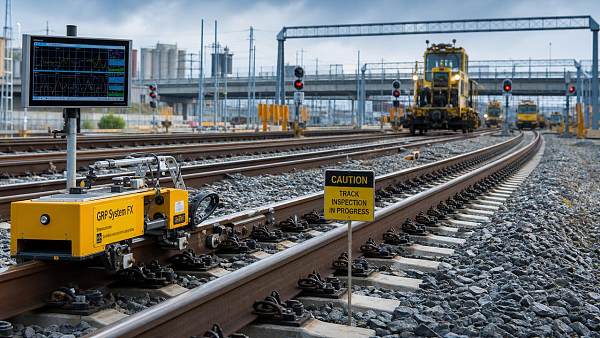
Many rail asset strategies are built on traffic models prepared 3–10 years before actual operation patterns stabilize. That delay matters. Passenger density, freight windows, axle-load distribution, and train dwell behavior can all shift after a new line opens, after a timetable is compressed, or after signaling upgrades increase network throughput. When maintenance planning still reflects old assumptions, track possession windows become unrealistic and wear forecasts become unreliable.
For information researchers and technical evaluators, the main problem is not simply forecast error. It is the mismatch between demand modeling, maintenance cycles, and engineering tolerances. A line designed for one traffic mix may later experience more frequent braking zones, longer peak-period saturation, or tighter headways. In those cases, tamping, grinding, inspection intervals, and turnout intervention plans need recalibration rather than routine repetition.
For commercial reviewers and distributors, outdated traffic assumptions distort procurement decisions. Spare parts may be understocked for critical switches, while monitoring systems may be overspecified in low-risk segments and underspecified in high-stress corridors. This creates a double cost burden: preventable failures on one side and inefficient capital deployment on the other.
G-RTI addresses this gap by benchmarking track infrastructure, signaling interaction, and maintenance strategy against internationally recognized frameworks such as ISO/TS 22163, IEC 62278, and EN 50126. That matters because rail maintenance is no longer a stand-alone engineering task. It is an integrated decision covering mechanical degradation, operational reality, digital monitoring, and cross-border compliance expectations.
Typical triggers that make original maintenance assumptions obsolete
- A timetable recast increases train frequency from every 6–8 minutes to every 3–4 minutes during peak periods, reducing available maintenance access.
- Urban expansion changes station loading patterns, creating localized rail wear, turnout stress, and platform approach braking demand that was not present in the original model.
- A mixed-traffic corridor adds heavier freight or higher-speed passenger services, changing dynamic loading, rail corrugation risk, and track geometry deterioration rates.
- ETCS or CBTC deployment improves capacity, but maintenance teams fail to update inspection windows, resulting in conflict between operations and access planning.
Which operating scenarios expose the biggest maintenance planning risks
Not all rail systems fail in the same way. High-speed rail, urban metro, regional transit, and heavy mixed-traffic corridors generate different track maintenance stress profiles. A useful assessment starts by segmenting the network into operational scenarios rather than applying one uniform maintenance philosophy. In practice, 4 scenario families usually drive most planning errors: high-speed mainline, dense metro core, depot and throat areas, and mixed passenger-freight corridors.
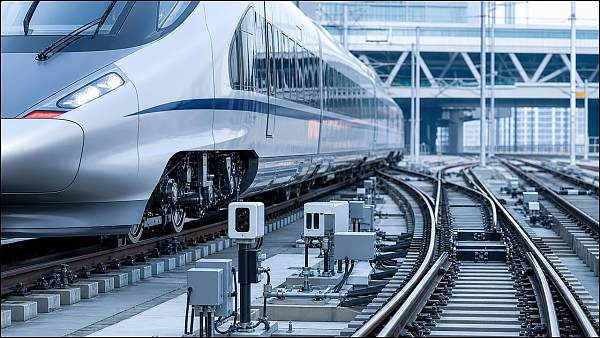
High-speed rail systems are sensitive to geometry deviation, ballast condition, slab interface performance, and turnout precision. A small deviation range such as ±0.5 mm to ±1.0 mm in critical geometry parameters can have materially different operational implications at 300 km/h than at 120 km/h. Old traffic assumptions here often underestimate speed-retention pressure and overestimate available night maintenance windows.
Urban metro transit presents another pattern. The track may face lower top speed, but far higher repetitive braking, acceleration, and cyclic loading. Daily operation spans 18–22 hours in many metro systems, leaving only short intervention periods, often 2–4 hours overnight. If traffic growth compresses that window even further, corrective maintenance starts replacing preventive planning, which is far more expensive over a 12–24 month horizon.
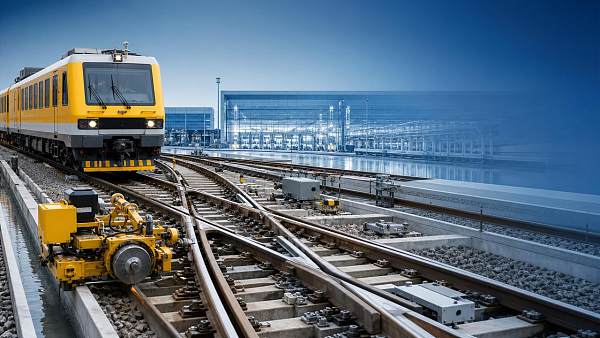
Depot approaches, scissors crossovers, and station throat areas deserve special attention because they concentrate switch movements, wheel-rail interaction, and maintenance complexity. These segments often consume a disproportionate share of emergency interventions. For procurement teams, this means monitoring equipment and spare part strategy should be location-specific, not averaged across the whole corridor.
Scenario comparison for track maintenance planning
The table below helps technical and commercial teams compare how traffic assumption errors affect different rail transit environments. It can be used during pre-tender reviews, condition audits, or maintenance strategy updates.
The key takeaway is simple: a network should not be managed as one homogeneous asset. Traffic assumptions age at different speeds across different sections, so maintenance plans must also be segmented. That approach improves budgeting accuracy, supplier coordination, and operational resilience.
How predictive maintenance, ETCS, and CBTC improve planning accuracy
Predictive maintenance is most valuable when it connects asset condition with real traffic behavior rather than treating inspection data as an isolated engineering record. In rail transit, this means correlating track geometry trends, wheel-rail forces, turnout movement counts, delay patterns, and signaling headway data. When done well, planners can move from calendar-based assumptions to risk-based intervention logic over rolling periods such as 30, 90, and 180 days.
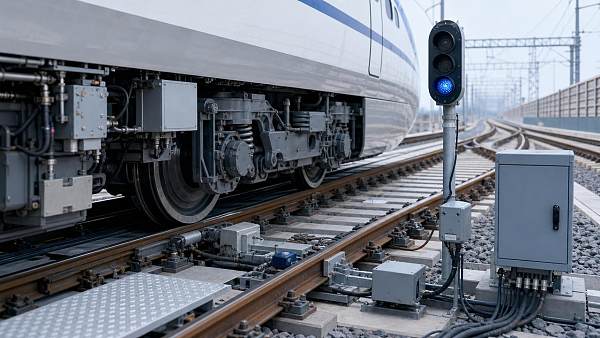
ETCS and CBTC matter because signaling changes traffic density, train spacing, and operational flexibility. A line that upgrades signaling may increase service frequency without a proportional increase in maintenance access. If maintenance planning ignores this, the very technology that improves capacity can indirectly accelerate infrastructure stress. That is why track and signaling teams should share planning data instead of working in separate silos.
For technical evaluators, the objective is not to buy every digital tool available. The better question is which data streams can meaningfully change maintenance decisions. In many projects, 3 categories provide the highest value first: track condition monitoring, turnout health monitoring, and traffic-pattern analytics linked to timetable changes. Beyond that, additional systems should be justified by route complexity and asset criticality.
G-RTI’s advantage lies in benchmarking digital and mechanical integrity together. That helps procurement directors compare not only hardware specifications, but also whether a maintenance technology can operate within the compliance culture and operational realities of European, American, Middle Eastern, or ASEAN projects. In cross-border procurement, that integration often decides whether a solution scales or stalls.
What decision-makers should verify before investing in predictive maintenance
Data readiness
Check whether the operator or EPC environment can provide consistent data at usable intervals, such as per shift, daily, or weekly. If data arrives late or in incompatible formats, the predictive layer will generate noise instead of planning value.
Operational relevance
Confirm that alerts can trigger real decisions. If maintenance possessions are only available one night per week, high-frequency alerts without execution capacity add frustration rather than resilience.
Integration with signaling and fleet behavior
Assess whether ETCS, CBTC, or rolling stock operating patterns influence wear concentration. A predictive maintenance tool that ignores braking intensity, headway compression, or route assignment will miss the operational drivers behind track deterioration.
Procurement guide: what buyers, evaluators, and channel partners should compare
When a maintenance plan starts failing, many organizations react by purchasing more inspection services, more spares, or more software. That can be necessary, but only after the procurement logic is corrected. Buyers should compare solutions across at least 5 dimensions: traffic-model relevance, engineering fit, interoperability, compliance pathway, and total implementation burden. Without that structure, urgent procurement often solves symptoms rather than causes.
Technical assessment teams usually focus on measurable inputs such as sensor type, data refresh frequency, geometry thresholds, or turnout cycle counts. Commercial teams add contract terms, lifecycle support, localization needs, and supply continuity. Distributors and agents need one more layer: whether the offering can be explained clearly to end users with different operating models, from metro authorities to intercity infrastructure managers.
A practical procurement sequence often runs in 4 steps over 2–8 weeks, depending on project size: baseline traffic validation, asset criticality mapping, solution shortlist, and deployment planning. If the first step is skipped, the rest of the process inherits the same outdated assumptions that caused the maintenance problem in the first place.
For G-RTI users, the value is not limited to product visibility. It includes structured benchmarking across standards, supply-chain realities, and project tender conditions. That is particularly useful where Asian manufacturing capability must align with the stricter documentation, safety, and verification expectations common in Europe, North America, and the Middle East.
Shortlist criteria for maintenance-related procurement
The table below summarizes a practical comparison framework for track maintenance planning tools, monitoring solutions, and support partners. It is designed for B2B rail procurement rather than consumer-style product comparison.
Used properly, this framework helps teams avoid a common B2B mistake: buying a technically impressive solution that does not match route conditions, standards expectations, or maintenance execution realities. Better procurement begins with current operating truth, not legacy planning documents.
A practical checklist before issuing RFQs or evaluating tenders
- Revalidate traffic assumptions from the last 12–24 months instead of relying solely on initial design forecasts.
- Map high-risk assets by location, especially turnouts, crossings, approach zones, and heavily braked sections.
- Check whether signaling upgrades have changed maintenance access windows or train density.
- Separate mandatory compliance needs from optional feature upgrades to protect budget discipline.
- Ask suppliers how their solution performs under constrained possessions, not only under ideal demonstration conditions.
Standards, compliance, and common mistakes in rail maintenance decision-making
Compliance risk is often underestimated when traffic assumptions age. A maintenance strategy may still look internally consistent, yet fail to align with the verification logic expected under major rail project governance. In cross-border and large public procurement environments, infrastructure owners, EPC contractors, and system integrators must show that safety, reliability, availability, and maintainability decisions are linked to current operating conditions, not only original intent.
Standards such as IEC 62278 and EN 50126 provide a framework for life-cycle thinking, while ISO/TS 22163 shapes quality-management expectations across the rail supply chain. These standards do not prescribe one universal maintenance interval, but they do reinforce traceability, risk evaluation, and process discipline. For buyers, that means a strong proposal should explain how changing traffic assumptions are detected, reviewed, and translated into updated maintenance logic.
A frequent mistake is treating compliance as paperwork and maintenance as field execution. In reality, the two are linked. If an operator continues using outdated possession assumptions, inspection intervals, or deterioration models after significant timetable or load changes, the documentation trail itself may become inconsistent. That can complicate audits, contractual accountability, and performance review meetings.
Another mistake is assuming that more frequent intervention automatically means safer operation. It does not. Poorly targeted maintenance can consume limited track access, disrupt service, and still miss actual hotspots. Better results come from aligning 3 layers: verified traffic reality, asset condition evidence, and standards-based maintenance governance.
Common misconceptions that slow better planning
“Original design traffic remains a reliable maintenance baseline.”
This is often false after service ramp-up, route extensions, fleet changes, or timetable densification. Design assumptions are a starting point, not a permanent operating truth.
“Predictive maintenance replaces engineering judgment.”
It should support judgment, not replace it. Models need validation against field conditions, component behavior, and possession constraints.
“If signaling improves capacity, maintenance efficiency will improve automatically.”
In many cases, capacity rises faster than access availability. Without synchronized planning, maintenance becomes harder, not easier.
FAQ for researchers, evaluators, and rail procurement teams
How often should traffic assumptions be reviewed for track maintenance planning?
There is no single universal cycle, but a practical approach is to review traffic assumptions at least annually and additionally after major timetable changes, signaling upgrades, fleet introductions, or load-profile shifts. On dense metro or high-speed corridors, a quarterly review of possession windows and hotspot sections is often more useful than waiting for a full-year reset.
Which rail assets are most sensitive to outdated demand assumptions?
Turnouts, crossings, sharp curves, depot throats, station approaches, and heavily braked sections are usually the most sensitive. These areas respond quickly to changes in train frequency, stopping patterns, and route allocation. For budget planning, they should be treated as priority risk zones rather than average network assets.
What should distributors and agents ask suppliers before representing a maintenance solution?
They should ask how the solution handles changing traffic scenarios, what data inputs are required, what standards-related documentation is available, and whether delivery and support can be localized. They should also ask for the operational assumptions behind any performance claims, especially if the end market includes ETCS or CBTC-enabled networks with tight maintenance windows.
Is predictive maintenance always the best answer for rail infrastructure?
Not always. On some low-complexity or lower-frequency routes, better inspection discipline and more accurate traffic-based maintenance intervals may deliver more value than a large digital deployment. The right question is whether predictive tools can change actual decisions within available maintenance windows, staffing levels, and budget constraints.
Why work with G-RTI when reassessing track maintenance strategy
When traffic assumptions age, organizations need more than general commentary. They need a structured way to compare infrastructure condition, signaling interaction, supply-chain options, and standards expectations across real project contexts. G-RTI is built for that task. Its benchmarking scope covers High-Speed Rail systems, Urban Metro and Transit, Advanced Signaling and Communication, Track Infrastructure and Maintenance, and Traction Power Supply, creating a joined-up view rather than a fragmented one.
For information researchers, G-RTI helps validate whether a maintenance issue is local, systemic, operational, or procurement-related. For technical evaluation teams, it supports structured comparison of hardware, monitoring tools, and lifecycle implications. For business reviewers, distributors, and agents, it clarifies how manufacturing capability, documentation quality, and market-entry requirements align across different regions.
You can contact G-RTI to discuss practical topics such as traffic-assumption validation, track maintenance planning logic, ETCS or CBTC impact on maintenance access, standards-aligned supplier screening, tender intelligence, delivery-cycle expectations, and solution shortlist refinement. This is especially relevant if you are comparing multiple vendors, entering a new regional market, or preparing a project with strict compliance and uptime targets.
If your team is reviewing parameters, product selection, delivery timelines, customized maintenance strategy, certification-related documentation, sample support pathways, or quotation discussions, a benchmark-led consultation can reduce avoidable procurement risk. The earlier current traffic reality is integrated into maintenance planning, the easier it becomes to protect rail transit efficiency, budget discipline, and long-term infrastructure resilience.
Search News
Industry Portal
Hot Articles

Popular Tags
- rail infrastructure
- high-speed rail systems
- urban metro transit
- traction power supply
- rolling stock manufacturers
- rail procurement
- rail supply chain
- ISO/TS 22163
- IEC 62278
- EN 50126
- rail procurement directors
- transit systems
- high-speed rail
- urban metro
- signaling systems
- CBTC
- ETCS
- track maintenance
- traction power
- rolling stock
- predictive maintenance
- EPC contractors
- rail standards
- carbon-neutral rail
- rail transit efficiency
Recommended News
 Jul 15, 2026Track Maintenance Systems in Europe: How to Compare Lifecycle Cost and UptimeTrack maintenance systems Europe: compare lifecycle cost, uptime, compliance, and spare-parts risk to choose rail solutions that cut downtime and improve long-term value.
 Jul 11, 2026Diagnostic Equipment Manufacturer Selection: Key Specs, Calibration, and Compliance ChecksDiagnostic equipment manufacturer selection affects accuracy, calibration traceability, and compliance. Learn the key specs and checks to reduce risk and choose with confidence.
 Jul 10, 2026How to Choose a Hydraulic Press for Sheet Metal Based on Tonnage, Stroke, and Die SetupHydraulic press for sheet metal selection goes beyond tonnage. Learn how stroke, die setup, and part requirements affect accuracy, uptime, and smarter buying decisions.
 Jul 09, 2026Socket Wrench Sets: What Sizes, Drive Types, and Case Options Are Worth Buying?socketwrenchsets buying guide: compare must-have sizes, 1/4, 3/8, and 1/2 drive options, plus case styles that improve access, durability, and value for real maintenance work.
![]() Jul 07, 2026Solid Waste Shredders: Which Types Fit MSW, Plastic, Wood, and Bulky Waste?solidwasteshredders guide: compare the best shredder types for MSW, plastic, wood, and bulky waste, with practical selection tips to boost uptime, cut costs, and choose smarter.
Jul 07, 2026Solid Waste Shredders: Which Types Fit MSW, Plastic, Wood, and Bulky Waste?solidwasteshredders guide: compare the best shredder types for MSW, plastic, wood, and bulky waste, with practical selection tips to boost uptime, cut costs, and choose smarter. Jul 03, 2026>30000 Layers H Type Automatic Battery Cage: Key Specs, Capacity, and Farm Fit>30000 Layers H Type Automatic Battery Cage guide covering key specs, true capacity, automation benefits, and farm fit—compare smarter and choose a system built for scalable egg production.
 Jul 01, 2026Sheet Metal Work vs CNC Machining: Which Process Fits Your Part Design and Volume?Sheet metal work vs CNC machining: discover how geometry, tolerance, and production volume affect cost, lead time, and scalability so you can choose the right process with confidence.
 Jun 30, 2026Rail Track Maintenance in the Middle East: Key Challenges, Methods, and Planning TipsRail track maintenance Middle East guide covering heat, sand, drainage, turnout care, and planning tips to cut downtime, improve safety, and optimize life-cycle cost.
 Jun 24, 2026Car Maintenance Checklist: What to Inspect Daily, Monthly, and Before Long TripsCar maintenance made simple: discover what to inspect daily, monthly, and before long trips to prevent breakdowns, improve safety, and save on costly repairs.
 Jun 22, 2026Handling Technology in Rail Maintenance: Equipment Types and Selection CriteriaHandling technology in rail maintenance: explore equipment types, key selection criteria, and smart ways to improve safety, uptime, and depot efficiency.
 Jun 16, 2026How to Read Hydraulic Press Specifications for Rail Workshop JobsHydraulic press specifications explained for rail workshop jobs: learn how to assess force, stroke, duty cycle, safety, and control to reduce procurement risk and improve performance.
 Jun 13, 2026Industrial Tablet PCs for Field Maintenance: Key Specs for Dust, Vibration, and ConnectivityTablet PCs built for field maintenance: discover the key specs for dust protection, vibration resistance, and reliable connectivity to keep rail and transit teams productive.
 Jun 03, 2026Hydraulic Parts Selection Guide: Seals, Valves, Pumps, and Failure RisksHydraulic parts selection guide for seals, valves, pumps, and hoses—learn how to reduce leakage, contamination, downtime, and failure risks in rail and transit maintenance.
 May 26, 2026When rail track maintenance costs more than expectedRail track maintenance costs often exceed budgets due to hidden lifecycle, compliance, and procurement risks. Learn the real cost drivers and make smarter approval decisions.
 May 24, 2026When does rail track maintenance cost more than expectedRail track maintenance costs rise fast when hidden defects, traffic pressure, aging assets, and compliance gaps go unchecked. Learn when overruns become avoidable.
 May 23, 2026When does rail predictive maintenance truly cut downtime?Rail predictive maintenance cuts downtime when critical assets show clear warning signs and teams can act fast. Learn when it delivers real ROI, fewer disruptions, and smarter rail maintenance planning.
 May 22, 2026How rail track maintenance costs change over asset lifeRail track maintenance costs change across every asset life stage. Learn the key cost drivers, renewal signals, and planning insights to reduce risk and improve rail budget performance.
 May 21, 2026How rail predictive maintenance cuts downtime in practiceRail predictive maintenance cuts downtime by turning condition data into early action. Learn where it works best, which rail assets to prioritize, and how to implement it for fewer failures and smarter maintenance.
 May 18, 2026What rail track maintenance issues cause most service delays?Rail track maintenance issues like geometry defects, turnout failures, wear, and drainage problems cause most service delays. See which risks matter most by operating scene.
 May 13, 2026Is rail global mobility reshaping spare parts planning?Rail global mobility is reshaping spare parts planning through compliance, forecasting, and lead-time control. Learn how smarter inventory strategies reduce risk and boost rail aftermarket growth.
 May 09, 2026Rail economic resilience now depends on maintenance timingRail economic resilience starts with smarter maintenance timing. Discover how data-driven planning cuts downtime, controls lifecycle cost, and strengthens rail network performance.
 May 08, 2026When Does Rail Track Maintenance Start Costing More Than It Saves?Rail track maintenance: learn the warning signs, cost triggers, and renewal thresholds that show when repeated repairs stop saving money and start hurting rail performance and budgets.
 May 06, 2026What Causes Rail Track Maintenance Costs to Spike Early?Rail track maintenance costs can spike early due to hidden drainage issues, load stress, delayed inspections, and poor component fit. Discover practical fixes to cut failures and extend track life.
 May 05, 2026What rail global mobility means for fleet deployment plansRail global mobility is redefining fleet deployment plans. Discover how operators balance interoperability, compliance, maintenance, and low-carbon goals for smarter rail decisions.















Quarterly Executive Summaries Delivered Directly.
Join 50,000+ industry leaders who receive our proprietary market analysis and policy outlooks before they hit the public library.