

Track maintenance delays that quietly reduce line capacity
Dr. Alistair Thorne
Time
Click Count
Track maintenance delays rarely appear in headline KPI reports at first, but they can steadily reduce line capacity, weaken timetable resilience, and increase total lifecycle cost. For rail operators, EPC contractors, procurement teams, and technical evaluators, the practical issue is not simply whether maintenance is being done, but whether it is being done at the right time, with the right possession strategy, and with enough integration across signaling, power, and asset data. In most cases, the hidden cost of delayed maintenance shows up as lower throughput, more restrictive operating margins, slower recovery after disruption, and earlier asset deterioration. The strongest response is a shift from reactive workbank management to condition-based and predictive maintenance supported by CBTC, ETCS, digital inspection, and disciplined asset governance.
What is the real search intent behind “track maintenance delays that quietly reduce line capacity”?
The core search intent behind this topic is practical diagnosis and decision support. Readers are typically trying to understand how seemingly minor or routine delays in track maintenance translate into measurable operational losses. They are not just looking for a definition of maintenance delay. They want to know:
- How delayed track work reduces train throughput without causing an obvious failure
- Which warning signs indicate that line capacity is already being eroded
- How to quantify the business impact in terms of punctuality, possession overruns, speed restrictions, and asset life
- What maintenance, signaling, and planning strategies can stop the decline
- How to assess whether suppliers, contractors, or digital systems can realistically improve the situation
For this audience, the value lies in connecting engineering causes with operational and commercial consequences. They need a framework that supports procurement decisions, technical benchmarking, and risk assessment across high-speed rail systems, metro transit, and broader rail infrastructure programs.
Why delayed track maintenance reduces line capacity even before failures happen
Line capacity is not only determined by track layout, signaling headways, rolling stock performance, or timetable design. It also depends on the network’s ability to sustain those theoretical conditions in daily operation. When maintenance is delayed, rail infrastructure often remains technically available but operationally constrained.
This happens in several ways:
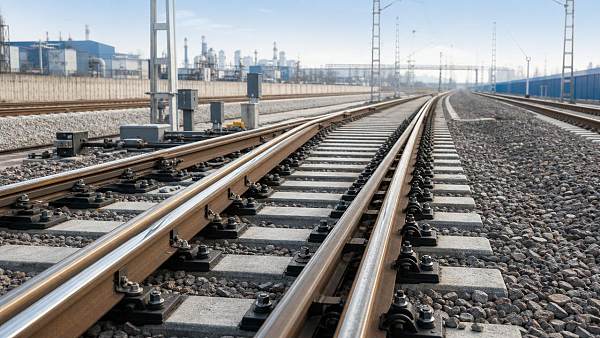
- Temporary speed restrictions multiply: Even minor geometry deviation, rail wear, ballast fouling, turnout degradation, or fastening issues can trigger lower permissible speeds.
- Recovery margins disappear: A line may still run the timetable on paper, but small disturbances become harder to absorb.
- Possession windows become less efficient: Deferred work tends to accumulate into larger interventions, increasing disruption when access is finally granted.
- Signaling performance is indirectly affected: Track condition can alter braking assumptions, route release timing, and timetable confidence, especially on high-density lines.
- Asset deterioration accelerates: Delayed intervention often means that a low-cost maintenance action becomes a more expensive renewal event.
In other words, capacity erosion often begins as a loss of operational flexibility, not an immediate infrastructure failure. That is why it can remain hidden until service reliability and maintenance backlog are both already under pressure.
What technical and commercial stakeholders care about most
Different readers approach this issue from different angles, but their concerns are closely related.
Information researchers want to understand market direction, best practices, and where maintenance technology is delivering real performance gains rather than marketing claims.
Technical evaluation teams focus on asset condition visibility, maintenance planning quality, interoperability with ETCS or CBTC environments, inspection accuracy, fault prediction reliability, and compliance with standards such as EN 50126, IEC 62278, and ISO/TS 22163-related quality frameworks.
Commercial evaluators care about cost of delay, return on predictive maintenance investments, contractor productivity, possession efficiency, risk transfer, and how maintenance performance affects long-term project bankability.
Distributors, agents, and channel partners need to identify which products and platforms solve urgent operator pain points: rail condition monitoring, turnout diagnostics, digital twins, geometry measurement, asset management software, and integrated maintenance planning tools.
Across all of these groups, the most important questions are usually the same: where is the hidden loss, how large is it, what evidence proves it, and which intervention actually improves network performance?
How to identify the hidden signs that maintenance delays are already reducing throughput
Many rail organizations detect maintenance problems too late because they monitor failures, not degradation patterns. A line can lose effective capacity long before a major incident occurs. The more useful approach is to look for operational indicators that suggest maintenance delay is already constraining service.
Key warning signs include:
- Increasing numbers of localized speed restrictions or longer duration of existing restrictions
- Recurring geometry defects in the same sections after short intervals
- Higher incidence of turnout-related delay minutes during peak periods
- Growing gap between planned and completed preventive work
- More emergency possessions replacing scheduled interventions
- Reduced punctuality on sections that nominally have sufficient signaling headway
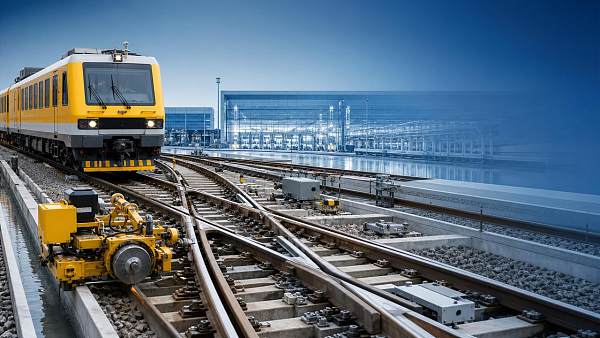
- Longer maintenance backlog for rail grinding, tamping, and switch inspection
- Escalating traction power or signaling disturbances linked to poor track condition or access constraints
For high-speed rail and urban metro systems, these indicators are especially critical because traffic density and safety margins are tighter. Small defects can have disproportionate impact on throughput, especially where service patterns are frequent and network recovery time is limited.
Where delayed maintenance creates the biggest capacity losses
Not all assets affect capacity equally. Some deferred maintenance activities have a much greater impact on line performance than others. Decision-makers should prioritize the assets and work types that drive the greatest operational consequence.
Turnouts and switches are often the highest priority because faults or degraded condition can quickly reduce routing flexibility, force slower movements, and increase delay propagation.
Track geometry defects matter because they frequently lead to speed restrictions that affect journey time, headway stability, and timetable recovery.
Rail surface condition, including corrugation and wear, can increase dynamic loading, degrade ride quality, and accelerate both track and rolling stock wear.
Ballast and drainage issues are less visible but highly important. Once drainage performance declines, the line can suffer repeated deterioration cycles and more frequent intervention needs.
Interface zones such as depots, junctions, station approaches, bridges, and transition areas deserve special attention because asset stress is concentrated and maintenance access is often difficult.
For metro operators using CBTC and for mainline operators working with ETCS systems, the most vulnerable capacity points are often not long plain-line sections but constrained nodes where infrastructure, signaling, and traffic density interact.
Why predictive maintenance matters more than simply increasing maintenance volume
When capacity begins to fall, many organizations respond by trying to schedule more maintenance. That can help in the short term, but it is often inefficient if the workbank is not prioritized by condition, failure consequence, and access opportunity. The more effective strategy is predictive maintenance supported by high-quality asset data.
Predictive maintenance does three important things:
- It identifies deterioration earlier, before operating restrictions are needed.
- It allows possessions to be planned around actual risk rather than calendar assumptions.
- It improves intervention quality by matching maintenance type to asset condition.
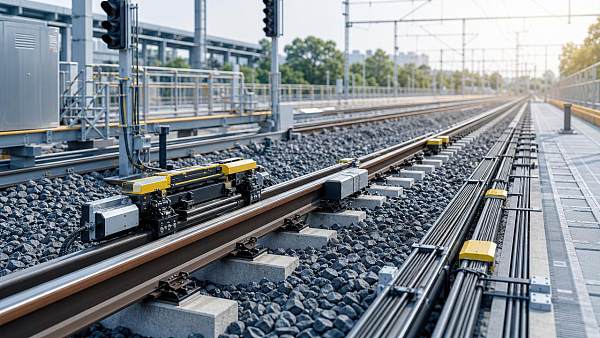
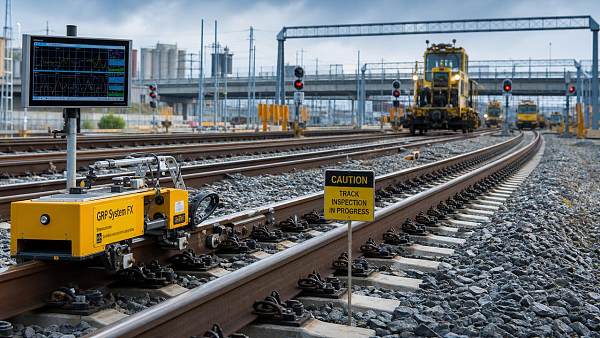
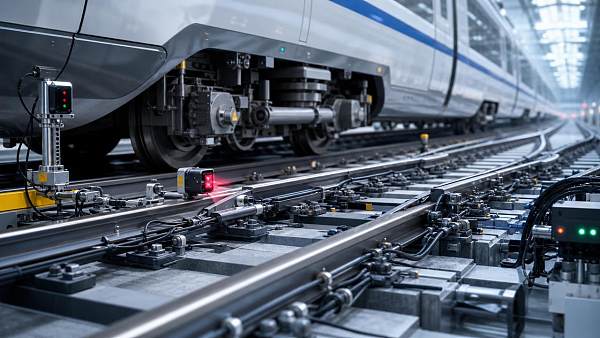
For rail infrastructure, predictive maintenance may combine track geometry monitoring, wayside sensors, onboard inspection, acoustic analysis, turnout diagnostics, power supply monitoring, and maintenance history records. The objective is not just to predict a defect, but to predict the operational consequence of not acting.
This distinction matters commercially. Procurement teams should not evaluate predictive maintenance software only by analytics features. They should assess whether the system can reduce speed restrictions, lower emergency interventions, improve possession efficiency, and support demonstrable gains in line capacity and asset life.
How CBTC, ETCS, and asset data integration change maintenance decision quality
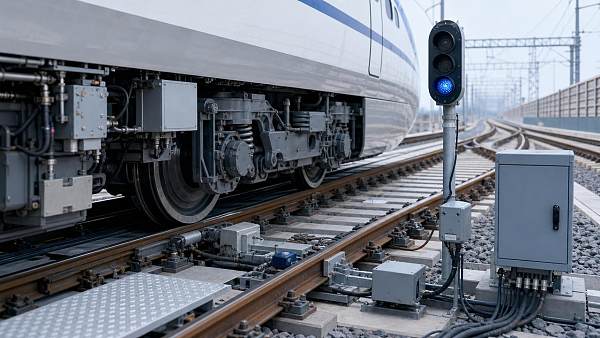
Modern signaling systems such as CBTC and ETCS do not eliminate track maintenance risk, but they make data integration far more valuable. When infrastructure teams can align maintenance data with train performance, route utilization, braking profiles, and incident records, they gain a more accurate view of where capacity is being lost.
In urban metro networks with CBTC, operators can often identify subtle throughput deterioration by examining dwell impacts, route conflicts, and section performance trends alongside infrastructure condition data. In ETCS-equipped networks, maintenance planning can be strengthened by correlating infrastructure degradation with train handling, movement authority constraints, and recurring performance anomalies.
The key advantage is not simply more data. It is better decision context. If a degraded turnout, track circuit interface issue, or geometry trend consistently causes timetable instability during peak service, then maintenance priority becomes easier to justify both technically and financially.
For global mobility projects, this also supports stronger engineering integrity. Data-linked maintenance decisions are easier to defend under regulatory review, concession oversight, and public-sector procurement scrutiny.
How to evaluate the business impact of track maintenance delays
For business evaluators and procurement directors, the central question is often financial: how much does delayed maintenance really cost? The answer should not be limited to direct repair expense. The wider impact includes capacity loss, service disruption, energy inefficiency, contractual exposure, and earlier capital renewal.
A practical evaluation model should include:
- Delay minutes and punctuality loss: especially recurring delays linked to known infrastructure weak points
- Lost capacity: fewer trains per hour than designed or planned
- Possession inefficiency: more frequent or longer access windows due to poor planning or rework
- Emergency maintenance cost: higher labor, access, and service disruption expense
- Accelerated renewal: shortened useful life of rails, sleepers, ballast, switches, and related components
- Rolling stock interaction cost: increased wear, ride issues, and maintenance demand on vehicles
- Energy and traction implications: poor track quality can affect train efficiency and traction power consumption
Where possible, organizations should quantify the cost of maintaining degraded assets versus the cost of delayed intervention. In many cases, the latter is significantly higher, even if it appears cheaper in the annual maintenance budget.
What decision-makers should ask suppliers, contractors, and technology providers
For organizations selecting maintenance partners or digital solutions, good procurement questions are often more valuable than long feature lists. Buyers should test whether providers understand the operational reality of line capacity, not just maintenance theory.
Useful questions include:
- How does your solution reduce speed restriction days, not just detect defects?
- Can you demonstrate improvement in possession productivity or reduction in emergency interventions?
- How does your platform integrate with CBTC, ETCS, SCADA, asset management, or traffic management systems?
- What data quality controls are in place for condition-based decisions?
- How do you prioritize interventions by operational consequence rather than defect severity alone?
- Can your maintenance approach support carbon-neutral rail goals by extending asset life and reducing inefficient interventions?
- How do you align with railway standards, safety assurance processes, and lifecycle documentation requirements?
This is particularly important in international rail projects, where suppliers must meet local regulatory expectations while also supporting cross-market technical comparability. A strong proposal should link maintenance outcomes to measurable network performance, not simply promise digital transformation.
What a high-value maintenance strategy looks like in practice
A credible strategy for preventing quiet capacity loss usually combines five elements.
- Critical asset prioritization: Focus first on turnouts, junctions, station approaches, and other high-consequence locations.
- Condition-based intervention: Use inspection and monitoring data to target work before restrictions are needed.
- Integrated planning: Coordinate track, signaling, traction power supply, and possession planning instead of treating them as separate disciplines.
- Performance-linked governance: Track outcomes such as throughput, restriction days, punctuality, and renewal deferral, not just work order completion.
- Supplier accountability: Require contractors and technology providers to demonstrate operational benefit, standard compliance, and data transparency.
For high-speed rail systems, this strategy protects timetable precision and safety margins. For urban metro transit, it supports high-frequency service and network resilience. For broader rail infrastructure programs, it improves long-term value, engineering credibility, and procurement confidence.
Conclusion
Track maintenance delays reduce line capacity quietly because they first damage flexibility, recovery, and asset condition before they trigger major failures. That makes them easy to underestimate and expensive to ignore. The most effective response is not simply more maintenance, but smarter maintenance: earlier detection, stronger prioritization, better use of possession windows, and tighter integration across infrastructure, signaling, and operational data.
For technical evaluators, the key is evidence of real performance improvement. For commercial decision-makers, the key is understanding that delayed maintenance is not a minor backlog issue but a direct threat to throughput, lifecycle cost, and project value. In modern rail systems, from ETCS-enabled corridors to CBTC metro networks, protecting line capacity means treating maintenance timing as a strategic capacity lever rather than a routine engineering task.
Search News
Industry Portal
Hot Articles

Popular Tags
Recommended News
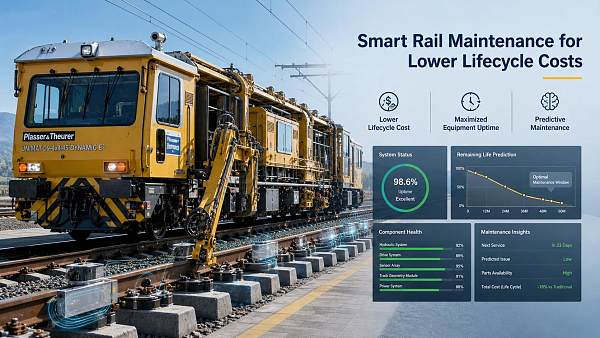
 Jul 15, 2026Track Maintenance Systems in Europe: How to Compare Lifecycle Cost and UptimeTrack maintenance systems Europe: compare lifecycle cost, uptime, compliance, and spare-parts risk to choose rail solutions that cut downtime and improve long-term value.
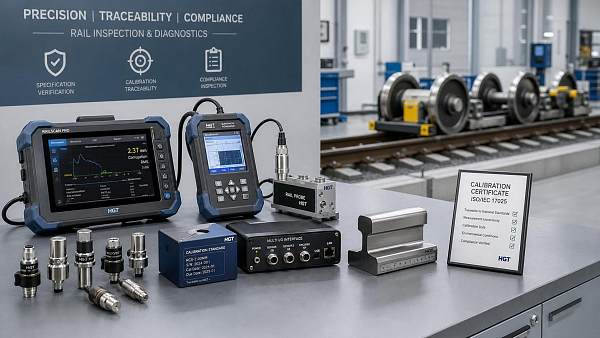
 Jul 11, 2026Diagnostic Equipment Manufacturer Selection: Key Specs, Calibration, and Compliance ChecksDiagnostic equipment manufacturer selection affects accuracy, calibration traceability, and compliance. Learn the key specs and checks to reduce risk and choose with confidence.
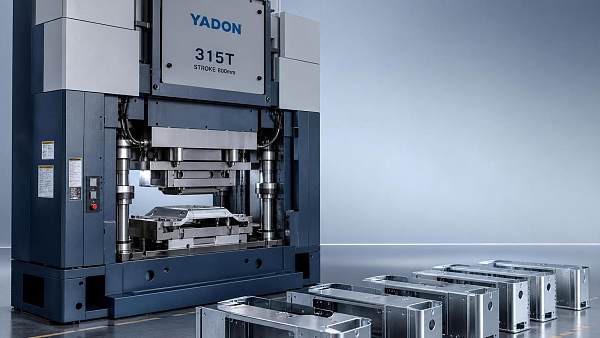
 Jul 10, 2026How to Choose a Hydraulic Press for Sheet Metal Based on Tonnage, Stroke, and Die SetupHydraulic press for sheet metal selection goes beyond tonnage. Learn how stroke, die setup, and part requirements affect accuracy, uptime, and smarter buying decisions.
 Jul 09, 2026Socket Wrench Sets: What Sizes, Drive Types, and Case Options Are Worth Buying?socketwrenchsets buying guide: compare must-have sizes, 1/4, 3/8, and 1/2 drive options, plus case styles that improve access, durability, and value for real maintenance work.
![]() Jul 07, 2026Solid Waste Shredders: Which Types Fit MSW, Plastic, Wood, and Bulky Waste?solidwasteshredders guide: compare the best shredder types for MSW, plastic, wood, and bulky waste, with practical selection tips to boost uptime, cut costs, and choose smarter.
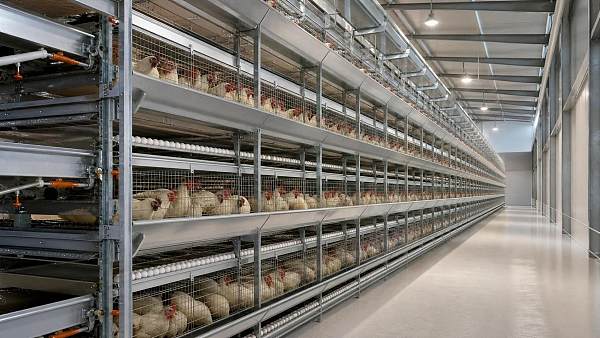
Jul 07, 2026Solid Waste Shredders: Which Types Fit MSW, Plastic, Wood, and Bulky Waste?solidwasteshredders guide: compare the best shredder types for MSW, plastic, wood, and bulky waste, with practical selection tips to boost uptime, cut costs, and choose smarter. Jul 03, 2026>30000 Layers H Type Automatic Battery Cage: Key Specs, Capacity, and Farm Fit>30000 Layers H Type Automatic Battery Cage guide covering key specs, true capacity, automation benefits, and farm fit—compare smarter and choose a system built for scalable egg production.
 Jul 01, 2026Sheet Metal Work vs CNC Machining: Which Process Fits Your Part Design and Volume?Sheet metal work vs CNC machining: discover how geometry, tolerance, and production volume affect cost, lead time, and scalability so you can choose the right process with confidence.
 Jun 30, 2026Rail Track Maintenance in the Middle East: Key Challenges, Methods, and Planning TipsRail track maintenance Middle East guide covering heat, sand, drainage, turnout care, and planning tips to cut downtime, improve safety, and optimize life-cycle cost.
 Jun 24, 2026Car Maintenance Checklist: What to Inspect Daily, Monthly, and Before Long TripsCar maintenance made simple: discover what to inspect daily, monthly, and before long trips to prevent breakdowns, improve safety, and save on costly repairs.
 Jun 22, 2026Handling Technology in Rail Maintenance: Equipment Types and Selection CriteriaHandling technology in rail maintenance: explore equipment types, key selection criteria, and smart ways to improve safety, uptime, and depot efficiency.
 Jun 16, 2026How to Read Hydraulic Press Specifications for Rail Workshop JobsHydraulic press specifications explained for rail workshop jobs: learn how to assess force, stroke, duty cycle, safety, and control to reduce procurement risk and improve performance.
 Jun 13, 2026Industrial Tablet PCs for Field Maintenance: Key Specs for Dust, Vibration, and ConnectivityTablet PCs built for field maintenance: discover the key specs for dust protection, vibration resistance, and reliable connectivity to keep rail and transit teams productive.
 Jun 03, 2026Hydraulic Parts Selection Guide: Seals, Valves, Pumps, and Failure RisksHydraulic parts selection guide for seals, valves, pumps, and hoses—learn how to reduce leakage, contamination, downtime, and failure risks in rail and transit maintenance.
 May 26, 2026When rail track maintenance costs more than expectedRail track maintenance costs often exceed budgets due to hidden lifecycle, compliance, and procurement risks. Learn the real cost drivers and make smarter approval decisions.
 May 24, 2026When does rail track maintenance cost more than expectedRail track maintenance costs rise fast when hidden defects, traffic pressure, aging assets, and compliance gaps go unchecked. Learn when overruns become avoidable.
 May 23, 2026When does rail predictive maintenance truly cut downtime?Rail predictive maintenance cuts downtime when critical assets show clear warning signs and teams can act fast. Learn when it delivers real ROI, fewer disruptions, and smarter rail maintenance planning.
 May 22, 2026How rail track maintenance costs change over asset lifeRail track maintenance costs change across every asset life stage. Learn the key cost drivers, renewal signals, and planning insights to reduce risk and improve rail budget performance.
 May 21, 2026How rail predictive maintenance cuts downtime in practiceRail predictive maintenance cuts downtime by turning condition data into early action. Learn where it works best, which rail assets to prioritize, and how to implement it for fewer failures and smarter maintenance.
 May 18, 2026What rail track maintenance issues cause most service delays?Rail track maintenance issues like geometry defects, turnout failures, wear, and drainage problems cause most service delays. See which risks matter most by operating scene.
 May 13, 2026Is rail global mobility reshaping spare parts planning?Rail global mobility is reshaping spare parts planning through compliance, forecasting, and lead-time control. Learn how smarter inventory strategies reduce risk and boost rail aftermarket growth.
 May 09, 2026Rail economic resilience now depends on maintenance timingRail economic resilience starts with smarter maintenance timing. Discover how data-driven planning cuts downtime, controls lifecycle cost, and strengthens rail network performance.
 May 08, 2026When Does Rail Track Maintenance Start Costing More Than It Saves?Rail track maintenance: learn the warning signs, cost triggers, and renewal thresholds that show when repeated repairs stop saving money and start hurting rail performance and budgets.
 May 06, 2026What Causes Rail Track Maintenance Costs to Spike Early?Rail track maintenance costs can spike early due to hidden drainage issues, load stress, delayed inspections, and poor component fit. Discover practical fixes to cut failures and extend track life.
 May 05, 2026What rail global mobility means for fleet deployment plansRail global mobility is redefining fleet deployment plans. Discover how operators balance interoperability, compliance, maintenance, and low-carbon goals for smarter rail decisions.










Quarterly Executive Summaries Delivered Directly.
Join 50,000+ industry leaders who receive our proprietary market analysis and policy outlooks before they hit the public library.