

Why rail data transparency now shapes safer asset decisions
Dr. Alistair Thorne
Time
Click Count
In global rail and transit projects, rail data transparency is no longer optional. It now underpins safer, faster, and more accountable asset decisions across design, procurement, delivery, and maintenance.
As networks expand and standards tighten, opaque specifications create technical risk. Transparent asset data helps align performance, compliance, lifecycle cost, and supplier credibility before problems become expensive.
This shift matters across high-speed rail, metro systems, signaling, track infrastructure, and traction power. It also reflects a wider industry need for verifiable engineering intelligence in complex cross-border programs.
Rail data transparency is moving from reporting tool to risk-control standard
The rail sector once relied heavily on fragmented documents, static compliance files, and supplier-issued performance claims. That model struggles in today’s environment of long asset lifecycles and interconnected systems.
Now, rail data transparency is shaping how asset choices are validated. Technical teams increasingly expect traceable evidence, benchmarked comparisons, and current commercial signals before committing capital.
This change is visible in tender specifications, acceptance criteria, maintenance planning, and digital assurance practices. It is also affecting how rail intelligence platforms are used throughout the project cycle.
Why the signal is stronger now
Three pressures are converging. Safety expectations are rising, assets are becoming more digital, and global sourcing introduces more variation in standards, quality records, and delivery reliability.
At the same time, public scrutiny over major transit investment is increasing. Decision quality must be defended with evidence, not assumptions, especially when projects span decades and multiple jurisdictions.
The forces behind rail data transparency are structural, not temporary
The demand for rail data transparency comes from technical, regulatory, and commercial realities. It is not a passing digital trend. It is becoming embedded in how safe assets are selected and managed.
From documentation to decision intelligence
The industry is shifting from storing data to operationalizing it. Transparent data becomes powerful when it can benchmark suppliers, flag anomalies, and reveal long-term asset behavior.
That is where platforms such as G-RTI add value. They connect engineering evidence, market signals, and international compliance frameworks into a clearer decision context.
Safer asset decisions now depend on what can be verified early
Safer decisions are rarely about a single component. They depend on whether every critical assumption can be checked before installation, commissioning, and service entry.
Rail data transparency strengthens this process by making specifications, test results, interface conditions, and maintenance histories easier to verify and compare.
- It exposes mismatch risks between design intent and actual field performance.
- It helps identify weak certification trails before contract award.
- It reveals whether lifecycle claims are supported by service data.
- It improves change control when multiple suppliers affect one system.
- It supports stronger maintenance planning for safety-critical assets.
Examples across rail asset categories
In traction systems, transparent thermal performance and failure records help distinguish robust motors from over-claimed designs. That matters greatly in high-speed and high-demand duty cycles.
In bogie systems, traceable fatigue data and test benchmarks support safer structural decisions. In signaling, verified software logic and interoperability records reduce operational risk.
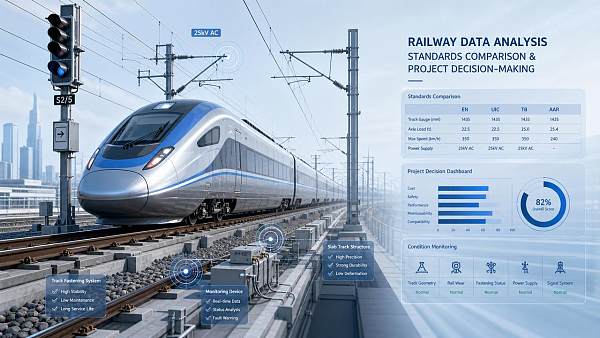
For track and maintenance, condition monitoring trends help prioritize interventions. For power supply, transparent reliability data improves resilience planning and outage prevention.
The impact is spreading across every business stage, not only engineering
The value of rail data transparency is no longer limited to technical validation. It now influences bid quality, financing confidence, contract structure, warranty exposure, and long-term operational performance.
This broader impact explains why transparent rail intelligence is increasingly treated as strategic infrastructure. It reduces not only safety risk, but also decision friction across the full asset lifecycle.
What deserves closer attention as rail data transparency becomes a baseline
Not all data improves decisions. The most useful rail data transparency is structured, current, comparable, and linked to real operational outcomes.
- Traceability: Can performance claims be connected to test reports, standards, and service records?
- Comparability: Are component benchmarks normalized across suppliers and operating conditions?
- Interoperability evidence: Do interfaces across CBTC, ETCS, rolling stock, and power systems show verified compatibility?
- Lifecycle visibility: Are maintenance intervals, fault patterns, and obsolescence risks visible early enough?
- Commercial clarity: Do tender signals, delivery history, and supply-chain resilience support technical confidence?
- Governance: Is there a method for updating records and validating changes over time?
These priorities matter especially in large transit projects, where one weak data link can distort an otherwise strong technical package.
The strongest response is to build a verification-first decision model
A practical response does not require endless reporting. It requires better filtering, stronger benchmarks, and disciplined use of transparent evidence at each decision gate.
- Map critical assets by safety, cost, and interface dependency.
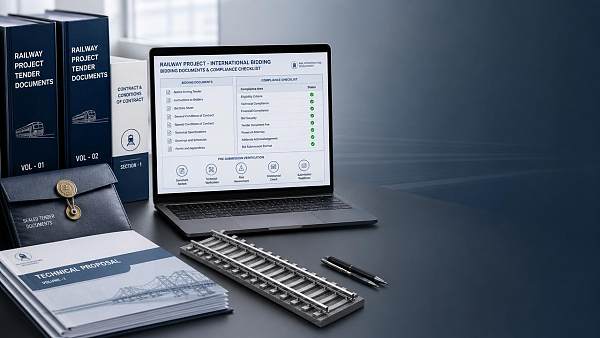
- Define minimum evidence standards for specifications and supplier qualification.
- Use benchmark repositories to compare technical claims against market norms.
- Integrate operational data into renewal and maintenance planning.
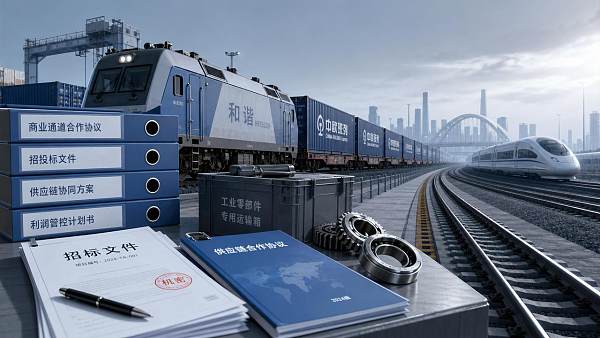
- Review tender and supply-chain signals alongside engineering data.
- Update decisions as new field evidence changes risk assumptions.
This approach supports safer outcomes without slowing delivery. In fact, better transparency often shortens approval cycles by reducing uncertainty and rework.
Why this trend will keep accelerating
The future of rail investment will favor assets that are measurable, certifiable, and explainable. As digital rail expands, every key decision will depend more on trustworthy evidence.
Rail data transparency will therefore become a competitive and safety differentiator. Projects that embed it early are better positioned to manage compliance, resilience, and long-term value.
For organizations operating across international rail markets, the next step is clear. Build decisions around verifiable benchmarks, lifecycle intelligence, and transparent market insight rather than isolated documents.
That is where G-RTI’s model becomes especially relevant. By linking technical benchmarking, standards alignment, and global tender visibility, it supports safer asset decisions in a more demanding rail era.
Search News
Industry Portal
Hot Articles

Popular Tags
Recommended News
 May 20, 2026Why rail data transparency now shapes safer asset decisionsRail data transparency is reshaping safer rail asset decisions with traceable evidence, lifecycle insight, and stronger supplier confidence across complex transit projects.
 May 19, 2026How rail data transparency changes risk across projectsRail data transparency helps rail projects reduce hidden risk, improve compliance, and strengthen supplier visibility. See the checklist that supports safer delivery and smarter lifecycle decisions.
 May 19, 2026Why rail engineering integrity fails long before faults showRail engineering integrity often weakens long before visible faults appear. Discover scenario-based risks, early warning signs, and practical actions to reduce failures, costs, and compliance exposure.
 May 18, 2026How rail technical specifications reduce compliance mistakesRail technical specifications help rail teams reduce compliance mistakes, improve traceability, and align design, sourcing, testing, and installation for safer, faster project delivery.
 May 18, 2026What rail market analysis reveals before expansion plansRail market analysis reveals demand, supplier readiness, compliance, and lifecycle risks before expansion. See how scenario-based insights improve rail investment decisions.
 May 18, 2026How rail technical standards shape safer system upgradesRail technical standards guide safer rail upgrades by improving compliance, reducing integration risk, and strengthening procurement decisions. Learn how to evaluate suppliers and systems with confidence.
 May 17, 2026Why rail project tenders fail before technical reviewRail project tenders often fail before technical review due to compliance gaps, bid errors, and weak risk framing. Learn the key checks that improve bid survival and win rates.
 May 17, 2026How rail European standards affect project approval pathsRail European standards shape approval paths, timelines, and supplier risk in cross-border rail projects. Discover key compliance factors to evaluate bids and enter the market with confidence.
 May 16, 2026What rail economic resilience means for long term budgetsRail economic resilience helps financial approvers reduce long-term budget risk, improve lifecycle value, and make smarter rail investment decisions with greater confidence.
 May 16, 2026Why rail policy foresight now matters more in network planningRail policy foresight is now critical to network planning. Discover a practical checklist to reduce compliance risk, protect funding, and build resilient rail corridors.
 May 16, 2026What makes a rail commercial gateway worth the investmentRail commercial gateway value starts with verified benchmarks, compliance insight, and supply-chain clarity—discover what makes the investment smarter for rail decisions.
 May 15, 2026What Rail Benchmarking Really Shows Beyond Headline KPIsRail benchmarking goes beyond headline KPIs to reveal lifecycle risk, compliance gaps, and vendor resilience—helping rail leaders compare systems smarter and invest with confidence.
 May 15, 2026Why Some Rail Project Tenders Attract Fewer Qualified BidsRail project tenders often attract fewer qualified bids due to restrictive specs, unclear risks, and heavy compliance. Discover practical fixes to improve competition and delivery outcomes.
 May 15, 2026How EPC Rail Contractors Are Being Shortlisted TodayEPC rail contractors are now shortlisted by delivery record, compliance, systems integration, and supply chain strength. Learn the key criteria shaping better rail procurement decisions.
 May 14, 2026Rail Intelligence Is Expanding Fast, but Which Data Matters?Rail intelligence is growing fast, but only verified, decision-ready data drives results. Discover which benchmarks, standards, and market signals matter most for smarter rail opportunities.
 May 14, 2026How EPC Rail Contractors Are Being Evaluated DifferentlyEPC rail contractors are now judged on compliance, digital maturity, lifecycle reliability, and cross-border delivery—not just price. Learn what buyers value most today.
 May 13, 2026Can rail economic resilience reduce lifecycle budget shocks?Rail economic resilience helps financial approvers reduce lifecycle budget shocks, improve funding confidence, and make smarter rail investment decisions with data-backed cost stability.
 May 12, 2026Rail Technical Specifications That Often Break Projects LateRail technical specifications often trigger late rail project delays through hidden gaps in interfaces, compliance, and testing. See the critical risks and how to prevent costly rework.
 May 11, 2026Rail project tenders often fail on these bid compliance pointsRail project tenders often fail on bid compliance, not price. Learn the key gaps in standards, RAMS, testing, and document control to improve win rates.
 May 11, 2026EPC rail contractors: what causes cost overruns most oftenEPC rail contractors face cost overruns most often from scope changes, approval delays, and interface risk. Learn the key warning signs and how to control budget exposure early.
 May 11, 2026What separates rail Tier-1 suppliers from the rest?Rail Tier-1 suppliers stand out through engineering depth, compliance readiness, and lifecycle support. Learn how to compare vendors, reduce risk, and choose partners with confidence.
 May 09, 2026When rail commercial gateway strategy starts hurting marginsRail commercial gateway growth can boost rail market access, but rising compliance, layered channels, and hidden support costs can crush margins. Learn how to protect profit and scale smarter.
 May 09, 2026Can rail data transparency reduce delays in fault tracing?Rail data transparency can cut fault-tracing delays by linking logs, maintenance history, and asset data. See how rail teams speed diagnosis and prevent repeat failures.
![]() May 08, 2026Rail Benchmarking Can Mislead If You Compare the Wrong MetricsRail benchmarking can mislead when teams compare the wrong metrics. Learn how to assess lifecycle cost, compliance, and real-world performance for smarter rail decisions.
May 08, 2026Rail Benchmarking Can Mislead If You Compare the Wrong MetricsRail benchmarking can mislead when teams compare the wrong metrics. Learn how to assess lifecycle cost, compliance, and real-world performance for smarter rail decisions.

















Quarterly Executive Summaries Delivered Directly.
Join 50,000+ industry leaders who receive our proprietary market analysis and policy outlooks before they hit the public library.