

Can rail economic resilience reduce lifecycle budget shocks?
Dr. Alistair Thorne
Time
Click Count
Can rail economic resilience protect capital plans from sudden lifecycle budget shocks? For financial approvers overseeing complex transit investments, the answer lies in data-backed asset strategies, risk visibility, and procurement discipline. This article explores how rail economic resilience helps stabilize long-term costs, improve funding confidence, and support smarter decisions across infrastructure, rolling stock, maintenance, and system performance.
Why does rail economic resilience matter to financial approvers?
For a finance-led decision team, cost is rarely the headline issue by itself. The real concern is volatility: design revisions, spare-part shortages, maintenance escalation, regulatory delays, and underperforming assets that turn approved budgets into recurring exception requests.
Rail economic resilience addresses that volatility by improving a system’s ability to absorb shocks across procurement, delivery, operations, and renewal cycles. In practical terms, it means fewer cost surprises and stronger visibility into total lifecycle exposure.
This is especially relevant in high-speed rail, metro, signaling, track infrastructure, and traction power projects, where one technical weakness can trigger budget pressure across multiple contracts. Financial approvers need more than vendor promises. They need evidence that the asset base can remain reliable under changing market and operating conditions.
- It protects capital allocation from unplanned mid-life reinvestment caused by poor component durability or incompatible subsystems.
- It supports debt, grant, and public funding confidence by linking technical integrity to long-term budget stability.
- It reduces approval risk by framing procurement decisions around measurable lifecycle outcomes instead of lowest initial price.
What budget shocks usually hit rail programs?
In many transit programs, lifecycle budget shocks emerge from predictable but underestimated sources. Some begin in specification writing, others in supplier qualification, and many surface only after commissioning when maintenance patterns become clear.
- Scope mismatch between civil works, signaling, rolling stock, and power systems.
- Imported equipment exposure to foreign exchange swings and long lead-time replacement parts.
- Insufficient benchmarking against standards such as ISO/TS 22163, IEC 62278, and EN 50126.
- Weak predictive maintenance planning, causing corrective interventions to replace scheduled asset care.
How does rail economic resilience reduce lifecycle budget shocks?
Rail economic resilience is not a single technical feature. It is a management and engineering framework that connects asset design, supplier selection, compliance discipline, operating data, and maintenance strategy.
For finance teams, the value comes from converting uncertainty into structured decision points. Instead of asking whether a system works today, the better question is whether the system will remain cost-stable through traffic growth, spare-part inflation, software updates, and regulatory audits.
The table below shows the most common rail economic resilience levers and their budget impact across the asset lifecycle.
The key point is that rail economic resilience reduces financial stress before the stress appears in accounting reports. It creates an earlier warning system through technical benchmarking, contract discipline, and lifecycle monitoring.
Which rail assets create the biggest long-term cost exposure?
Not all rail assets carry the same lifecycle risk. Financial approvers should focus on the subsystems where failure cascades are most expensive or where replacement windows disrupt service, revenue, and maintenance planning.
High-risk lifecycle categories
- Rolling stock traction systems, where motor, converter, and cooling issues can raise both energy and maintenance costs.
- Bogies and wheelset-related assemblies, where fatigue, vibration, and wear directly affect safety, service intervals, and fleet availability.
- CBTC and ETCS-related signaling layers, where software integration and upgrade compatibility influence downtime and retrofit cost.
- Track infrastructure, especially switches, fastening systems, and geometry-related maintenance zones with high intervention frequency.
- Traction power supply assets, where transformer, substation, and distribution faults can create service-wide operational losses.
This is where G-RTI creates value for financial approvers. Its benchmarking focus spans mechanical, digital, and structural integrity across the five rail pillars, helping capital reviewers understand which technical differences are likely to become financial liabilities later.
What should finance teams compare before approving a rail package?
A resilient procurement decision is rarely based on one quotation. It comes from comparing cost drivers that influence long-term budget performance. The goal is not merely to buy compliant equipment, but to approve a package that remains serviceable, supportable, and auditable over time.
The comparison table below helps finance-led teams evaluate rail economic resilience beyond upfront capex.
A finance team that compares these dimensions early is better positioned to prevent lifecycle budget shocks. The cheapest bid often becomes the most expensive approval once retrofit, downtime, and emergency procurement are counted.
How can G-RTI support better rail economic resilience decisions?
G-RTI is positioned as more than an information source. Its practical value lies in connecting procurement intelligence, technical benchmarking, and international market interpretation for decision-makers responsible for multi-billion-dollar transit spending.
Where the platform helps financial approvers
- Benchmarking rail hardware and digital systems against recognized standards, helping reviewers distinguish technical substance from marketing language.
- Tracking tender and supply chain dynamics across ASEAN, Europe, North America, and the Middle East, which supports timing and sourcing judgments.
- Bridging Asian manufacturing capability with stricter regulatory environments, reducing the risk of approving offers that later face certification friction.
- Providing sector depth across HSR systems, urban metro, signaling, track maintenance, and traction power, so budget committees can assess whole-system exposure.
For financial approvers, this means a stronger basis for asking the right questions. Is a traction motor specification robust enough for the operating profile? Does a signaling package carry hidden integration cost? Will a maintenance software tool actually reduce intervention frequency? Rail economic resilience depends on answering these before contract award, not after service entry.
What procurement steps improve lifecycle cost stability?
A structured approval process can lower long-term budget shocks even when market conditions remain uncertain. Finance leaders should insist on procurement checkpoints that connect technical evidence to cost forecasting.
- Define the cost horizon first. Separate initial capex, first major overhaul, digital upgrades, spare-part exposure, and end-of-life replacement assumptions.
- Require standards mapping. Every shortlisted package should show how it aligns with project-relevant rail quality, RAMS, and safety frameworks.
- Score maintainability, not just performance. Access time, inspection intervals, diagnostic capability, and local repair support affect real cost far more than brochure claims.
- Test supply continuity assumptions. Ask for lead-time ranges, critical part dependencies, and regional logistics constraints.
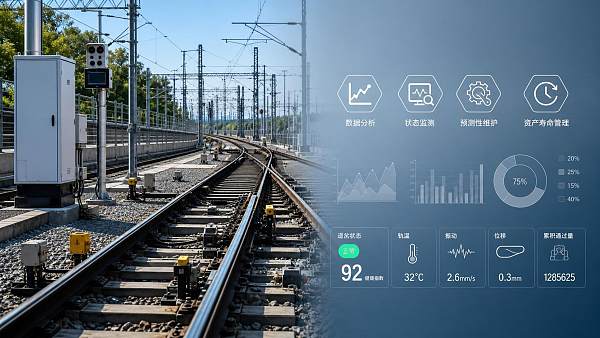
- Link approvals to data visibility. If the asset cannot produce usable operating and maintenance data, lifecycle control will remain weak.
When these steps are applied consistently, rail economic resilience becomes a procurement discipline rather than a vague strategic goal. That is the shift budget approvers need.
Which common mistakes weaken rail economic resilience?
Many lifecycle overruns are not caused by extreme events. They result from decisions that looked efficient at tender stage but ignored downstream constraints. Financial approvers should watch for the following mistakes.
- Approving the lowest equipment cost without testing interoperability and supportability across the full rail system.
- Assuming compliance documentation is equivalent to operational resilience under real duty cycles.
- Treating predictive maintenance as optional software rather than a cost-control mechanism tied to asset behavior.
- Underestimating interface risk between civil packages, signaling, traction power, and rolling stock suppliers.
- Failing to compare global sourcing opportunities against regional certification and aftersales realities.
In short, rail economic resilience weakens when procurement teams buy components in isolation. It strengthens when they evaluate whole-life operability, standards fit, and supply chain durability together.
FAQ: what do financial approvers ask about rail economic resilience?
How do we justify a higher upfront rail package cost?
The decision should be justified through lifecycle evidence, not preference. If the higher-cost option improves service intervals, spare-part access, compliance readiness, or data visibility, it may lower total expenditure over the asset life and reduce approval risk later.
Which projects benefit most from rail economic resilience planning?
Large HSR corridors, urban metro expansions, signaling modernizations, track renewal programs, and traction power upgrades benefit most. These projects involve multiple interfaces and long operating horizons, so even small weaknesses can multiply into large budget shocks.
What data should finance teams request before approval?
Ask for lifecycle maintenance assumptions, critical component lead times, standards alignment, RAMS-related documentation pathways, expected overhaul intervals, digital monitoring capabilities, and known interface dependencies with adjacent subsystems.
Can rail economic resilience help with funding confidence?
Yes. Investors, lenders, and public funding bodies often respond positively to structured risk visibility. A resilient rail asset strategy shows that project sponsors understand cost durability, not just construction delivery.
Why choose us for rail economic resilience insight?
G-RTI helps financial approvers move from reactive budget defense to evidence-based lifecycle planning. Our advantage is the combination of technical benchmarking, global tender intelligence, and cross-market regulatory understanding across high-speed rail, metro, signaling, track maintenance, and traction power systems.
If you are evaluating rail economic resilience in an upcoming investment, you can consult us on practical issues that directly affect approval quality:
- Parameter confirmation for core rail subsystems and critical performance assumptions.
- Supplier and product selection based on lifecycle maintainability, compliance fit, and supply chain resilience.
- Delivery cycle assessment for imported components, replacement parts, and phased project rollouts.
- Customized benchmarking support for HSR, urban transit, signaling, track infrastructure, and traction power packages.
- Certification and standards review related to ISO/TS 22163, IEC 62278, EN 50126, and comparable project requirements.
- Budget discussion support for quotation comparison, risk framing, and lifecycle cost communication to internal approval boards.
When capital plans depend on long-term stability, rail economic resilience should be reviewed as a financial control issue, not only an engineering topic. Engage G-RTI when you need clearer benchmarking, better procurement judgment, and stronger confidence before approving the next rail investment package.
Search News
Industry Portal
Hot Articles

Popular Tags
Recommended News
 Aug 11, 2026How Rail Infrastructure Data Analytics Improves Maintenance Planning and Asset LifeRail infrastructure data analytics helps project teams reduce downtime, optimize maintenance windows, and extend asset life with smarter, risk-based planning.
 Aug 09, 2026What Is Recycled Polyester and When Is It a Better Choice Than Virgin PET?Recycled polyester explained: discover when it outperforms virgin PET in sustainability, sourcing, and compliance—and when virgin material is still the smarter choice.
 Aug 07, 2026How to Evaluate EPC Rail Contractors in the Middle East for Metro and Mainline ProjectsEPC rail contractors Middle East: learn how to compare metro and mainline bidders on integration, local delivery, climate readiness, and handover to avoid costly project risks.
 Aug 01, 2026How to Qualify Rail Suppliers: A Practical Checklist for References and Vendor ReviewRail supplier references and qualified suppliers start with proof, not promises. Use this practical vendor review checklist to verify compliance, capability, and delivery risk before you buy.
 Jul 28, 2026Rail Infrastructure Data Procurement Guide: How to Compare Sources, Quality, and CostRail infrastructure data procurement guide for buyers comparing data sources, quality, and cost. Learn how to assess coverage, verification, updates, and total value before you buy.
 Jul 26, 2026What Is MBR Filtration and When Is It the Right Choice for Wastewater Treatment?MBR filtration explained: learn when this compact wastewater treatment solution is the right choice for stable effluent quality, reuse goals, and space-constrained projects.
 Jul 25, 2026How to Evaluate Industry Applications for Rail Systems by Use Case and Operating NeedsIndustry applications for rail systems: learn how to assess use case fit, duty cycle, compliance, integration, and lifecycle cost to reduce risk and choose smarter solutions.
 Jul 22, 2026How to Evaluate Vacuum System Pump Capacity Metrics for Reliable System SizingVacuum system pump capacity metrics explained: learn how to compare pumping speed, ultimate pressure, leakage tolerance, and duty cycle for reliable sizing and better lifecycle performance.
 Jul 20, 2026What Is Logistics Infrastructure and How Does It Shape Freight Efficiency?Logistics infrastructure drives freight speed, reliability, and cost control. Learn how rail, terminals, signaling, and digital systems improve efficiency and resilience.
 Jul 19, 2026How Rail Predictive Maintenance Analytics Helps Cut Failures and Plan Smarter RepairsRail predictive maintenance analytics helps rail teams cut failures, predict risks, and plan smarter repairs. Learn how to reduce downtime, improve safety, and control lifecycle costs.
 Jul 17, 2026How to Choose a Waste Recycling Line Manufacturer for Capacity, Material Mix, and ComplianceWaste recycling line manufacturer selection guide: compare real capacity, material mix fit, compliance, and lifecycle cost to choose a reliable supplier with confidence.
 Jul 16, 2026How to Evaluate a MES Software Manufacturer for Integration, Support, and ScalabilityMES software manufacturer selection starts with integration, support, and scalability. Learn how to compare vendors, reduce risk, and choose a platform built for traceability and growth.
 Jul 15, 2026Rail Technical Benchmarking in Europe: How Operators Compare Reliability and Asset KPIsRail technical benchmarking Europe explained: discover how operators compare reliability, maintenance design, signaling resilience, and asset KPIs to make smarter rail investment decisions.
 Jul 15, 2026Rail Systems Benchmarking Framework: What Metrics Matter for Network PerformanceRail systems benchmarking framework: discover the metrics that truly drive network performance, reliability, lifecycle cost, and compliance for smarter rail investment decisions.
 Jul 15, 2026How to Interpret Martindale Abrasion Test Results for Fabric Durability DecisionsMartindale abrasion test results reveal more than rub counts. Learn how to read fabric durability data correctly, compare reports with confidence, and choose materials that reduce wear risk and lifecycle cost.
: What Limits Apply and How Hospitals Measure Compliance") Jul 14, 2026ICU Noise Level Standards (dB): What Limits Apply and How Hospitals Measure ComplianceICU noise level standards (dB) explained: learn accepted ICU sound limits, how hospitals measure compliance, and what drives non-compliance to improve patient safety and care quality.
Jul 14, 2026ICU Noise Level Standards (dB): What Limits Apply and How Hospitals Measure ComplianceICU noise level standards (dB) explained: learn accepted ICU sound limits, how hospitals measure compliance, and what drives non-compliance to improve patient safety and care quality. Jul 14, 2026Sustainable Packaging Design: 7 Factors to Balance Recyclability, Cost, and Shelf AppealSustainable packaging design made practical: explore 7 key factors to balance recyclability, total cost, compliance, product protection, and shelf appeal for smarter packaging decisions.
 Jul 14, 2026EPS Sandwich Panels Wholesale: How to Compare Density, Fire Rating, and Lead TimeEPS sandwich panels wholesale buyers should compare density, fire rating, and real lead time—not just price. Learn how to avoid compliance risks, delays, and costly sourcing mistakes.
 Jul 13, 2026European IVDR Grace Period Updates: What Device Manufacturers Must Review NowEuropean IVDR grace period updates: learn what device manufacturers must review now, from classification and notified body timing to portfolio risk, to protect market access and avoid costly disruption.
 Jul 13, 2026Sustainable Agriculture Benefits Explained: Soil Health, Water Savings, and Yield StabilitySustainable agriculture benefits explained: discover how healthier soil, smarter water use, and more stable yields help farms reduce risk, improve resilience, and perform better over time.
 Jul 13, 2026Office Stationery Wholesale: How to Compare MOQ, Lead Time, and Private Label OptionsOffice stationery wholesale made simple: compare MOQ, lead time, and private label options to reduce risk, improve supply continuity, and choose the right supplier faster.
 Jul 12, 2026How to Choose an Outdoor Furniture Distributor for Hospitality and Retail ProjectsOutdoor furniture distributor selection for hospitality and retail projects: learn how to compare supply reliability, compliance, customization, and after-sales support with confidence.
 Jul 11, 2026How Rail Project Intelligence Reports Support Bid Planning and Market Entry DecisionsRail project intelligence reports help teams assess bid feasibility, compliance risk, and market entry timing—turning complex rail opportunities into smarter, lower-risk growth decisions.
 Jul 11, 2026How to Evaluate a Rail Data Platform Provider for Multi-Line Asset and Project VisibilityRail data platform provider selection starts with visibility you can trust. Learn how to compare data accuracy, benchmarking depth, and multi-line project control for better rail decisions.














Quarterly Executive Summaries Delivered Directly.
Join 50,000+ industry leaders who receive our proprietary market analysis and policy outlooks before they hit the public library.