

How rail data transparency changes risk across projects
Dr. Alistair Thorne
Time
Click Count
In complex rail programs, uncertainty rarely comes from engineering alone—it comes from fragmented information, hidden supply-chain gaps, and unclear compliance signals. Rail data transparency gives project teams a stronger basis for forecasting risk, validating technical readiness, and aligning delivery with regulatory expectations. As rail networks become larger, more digital, and more international, reliable visibility across suppliers, standards, schedules, and operating conditions is no longer optional. It is a practical control mechanism for reducing project exposure.
Why rail data transparency needs a checklist approach
Risk in rail projects is cumulative. One missing approval, one undocumented interface, or one weak maintenance assumption can affect cost, delivery, and long-term asset reliability.
That is why rail data transparency should be assessed through a checklist. A structured review turns scattered information into measurable control points.
For integrated programs involving rolling stock, signaling, traction power, track systems, and digital monitoring, transparent data creates a common factual baseline. It improves benchmarking, reveals hidden dependencies, and supports earlier intervention.
Core checklist for evaluating rail data transparency
Use the following checklist to test whether rail data transparency is strong enough to lower project risk rather than simply create more reporting activity.
- Map all critical data sources across design, procurement, manufacturing, testing, commissioning, and maintenance so interface gaps become visible before they create schedule or safety issues.
- Verify source credibility by checking certification status, audit history, revision control, and traceability to approved technical documents, not only dashboard summaries or supplier presentations.
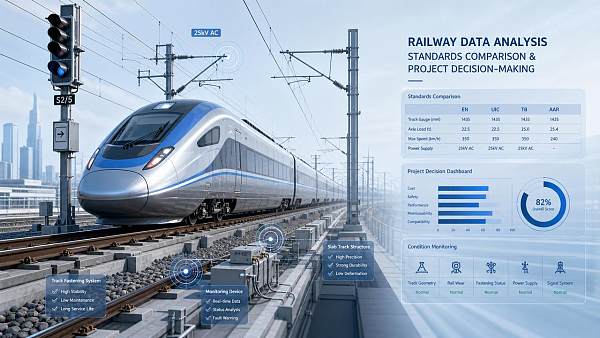
- Compare component performance data against recognized standards such as ISO/TS 22163, IEC 62278, and EN 50126 to identify compliance risk early.
- Track supply-chain transparency beyond tier-one vendors, including subcomponent origin, lead-time volatility, alternate sources, and factory quality consistency across regions.
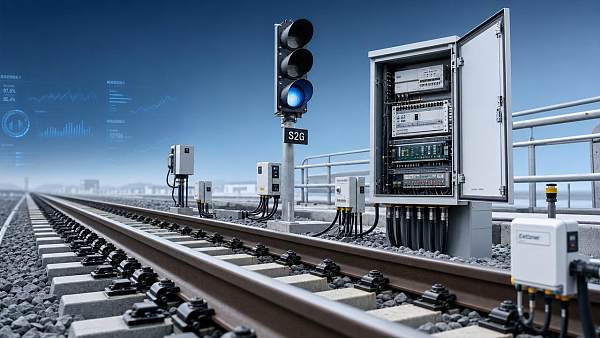
- Review interface data between rolling stock, signaling, power supply, and track systems to detect mismatched assumptions in loading, braking, communication, or tolerances.
- Measure data freshness by defining update frequency, ownership, escalation rules, and approval workflows for engineering changes, incidents, and non-conformance reports.
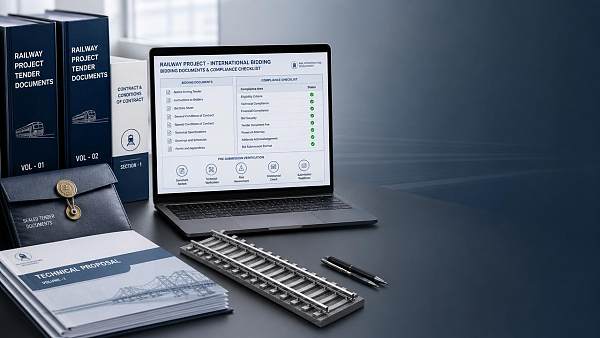
- Check whether tender, contract, and technical requirement data are aligned, because risk rises sharply when commercial commitments diverge from validated engineering scope.
- Assess operational transparency, including reliability trends, maintenance records, spare-parts consumption, and failure modes from comparable assets already in service.
- Test digital interoperability across BIM, asset management, SCADA, signaling logs, and maintenance platforms so critical information does not remain trapped in isolated systems.
- Prioritize exception reporting that highlights deviation, delay, and compliance drift instead of relying on static status reports that hide emerging project risk.
How rail data transparency changes risk in key project scenarios
Cross-border procurement and supplier qualification
In international rail procurement, risk often sits between technical promise and regulatory proof. Rail data transparency closes that gap by showing whether performance claims, certificates, factory controls, and test results are consistent.
This matters when comparing suppliers from different manufacturing ecosystems. Transparent qualification data reduces dependence on marketing claims and improves confidence in delivery capability, localization readiness, and standards compliance.
High-speed rail and advanced system integration
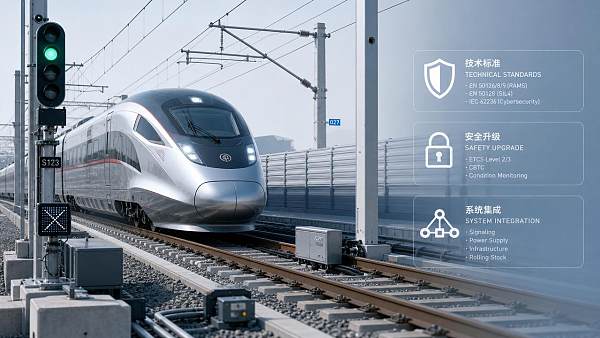
High-speed rail projects concentrate risk because subsystem tolerances are tighter and interface failures scale quickly. Rail data transparency helps reveal how traction, braking, bogie behavior, signaling, and power systems interact under actual operating conditions.
When benchmark data is visible across the lifecycle, teams can validate assumptions earlier. That reduces rework during type testing, dynamic trials, and final acceptance.
Urban metro expansion and phased delivery
Metro programs are often delivered in phases while legacy assets stay in service. In this setting, rail data transparency supports interface planning between existing signaling logic, depot operations, traction power limits, and new rolling stock requirements.
Transparent data also improves coordination during possessions, testing windows, and migration to new control systems. The result is lower disruption risk and better schedule control.
Maintenance, renewals, and long-term asset performance
Risk does not end at commissioning. Rail data transparency changes lifecycle decisions by linking maintenance history, failure rates, inspection results, and spare-parts trends to actual asset condition.
That supports better renewal timing, stronger predictive maintenance models, and more defensible total cost assumptions. Transparent field data often reveals whether an asset issue is design-related, operational, or environmental.
Common gaps that weaken rail data transparency
Assuming document volume equals visibility
Large document sets can still hide risk. If records are outdated, inconsistent, or detached from approved revisions, rail data transparency is only superficial.
Ignoring lower-tier supply-chain evidence
Critical failures often originate below the prime contract layer. Missing data on castings, electronics, software modules, or insulation materials can create late-stage quality or certification problems.
Separating compliance data from engineering data
When conformity evidence is stored apart from test results, change notices, and interface logs, teams struggle to judge actual readiness. Compliance then becomes reactive rather than controlled.
Overlooking operational feedback loops
Lessons from assets already in service should shape current decisions. Without service performance data, repeated design weaknesses and unrealistic maintenance assumptions can pass into new projects.
Practical steps to strengthen execution
- Define a single risk-critical data register covering technical, commercial, regulatory, and operational inputs.
- Assign ownership for each dataset, including update rules, approval paths, and escalation thresholds.
- Create interface reviews that combine engineering, compliance, and supply-chain evidence in one decision point.
- Benchmark suppliers and subsystems using comparable project data, not isolated claims or single-factory snapshots.
- Use exception-led reporting to focus attention on variance, missing evidence, late changes, and unresolved technical debt.
- Connect field performance data to procurement and design feedback so future packages reflect proven outcomes.
These steps are especially effective when combined with technical benchmarking repositories and structured market intelligence. In fast-moving rail programs, visibility must support decisions, not just documentation.
Conclusion and next action
Rail data transparency changes risk by making uncertainty measurable. It exposes weak interfaces, validates supplier capability, improves compliance control, and supports more realistic lifecycle planning.
The most useful next step is to audit one live project against a defined transparency checklist. Start with supplier traceability, standards evidence, interface control, and maintenance feedback. Once those four areas are visible, broader risk patterns become easier to manage.
For rail programs operating across regions, technologies, and regulatory systems, rail data transparency is not just an information preference. It is a strategic discipline that protects delivery quality and long-term asset value.
Search News
Industry Portal
Hot Articles

Popular Tags
Recommended News
 May 20, 2026Why rail data transparency now shapes safer asset decisionsRail data transparency is reshaping safer rail asset decisions with traceable evidence, lifecycle insight, and stronger supplier confidence across complex transit projects.
 May 19, 2026How rail data transparency changes risk across projectsRail data transparency helps rail projects reduce hidden risk, improve compliance, and strengthen supplier visibility. See the checklist that supports safer delivery and smarter lifecycle decisions.
 May 19, 2026Why rail engineering integrity fails long before faults showRail engineering integrity often weakens long before visible faults appear. Discover scenario-based risks, early warning signs, and practical actions to reduce failures, costs, and compliance exposure.
 May 18, 2026How rail technical specifications reduce compliance mistakesRail technical specifications help rail teams reduce compliance mistakes, improve traceability, and align design, sourcing, testing, and installation for safer, faster project delivery.
 May 18, 2026What rail market analysis reveals before expansion plansRail market analysis reveals demand, supplier readiness, compliance, and lifecycle risks before expansion. See how scenario-based insights improve rail investment decisions.
 May 18, 2026How rail technical standards shape safer system upgradesRail technical standards guide safer rail upgrades by improving compliance, reducing integration risk, and strengthening procurement decisions. Learn how to evaluate suppliers and systems with confidence.
 May 17, 2026Why rail project tenders fail before technical reviewRail project tenders often fail before technical review due to compliance gaps, bid errors, and weak risk framing. Learn the key checks that improve bid survival and win rates.
 May 17, 2026How rail European standards affect project approval pathsRail European standards shape approval paths, timelines, and supplier risk in cross-border rail projects. Discover key compliance factors to evaluate bids and enter the market with confidence.
 May 16, 2026What rail economic resilience means for long term budgetsRail economic resilience helps financial approvers reduce long-term budget risk, improve lifecycle value, and make smarter rail investment decisions with greater confidence.
 May 16, 2026Why rail policy foresight now matters more in network planningRail policy foresight is now critical to network planning. Discover a practical checklist to reduce compliance risk, protect funding, and build resilient rail corridors.
 May 16, 2026What makes a rail commercial gateway worth the investmentRail commercial gateway value starts with verified benchmarks, compliance insight, and supply-chain clarity—discover what makes the investment smarter for rail decisions.
 May 15, 2026What Rail Benchmarking Really Shows Beyond Headline KPIsRail benchmarking goes beyond headline KPIs to reveal lifecycle risk, compliance gaps, and vendor resilience—helping rail leaders compare systems smarter and invest with confidence.
 May 15, 2026Why Some Rail Project Tenders Attract Fewer Qualified BidsRail project tenders often attract fewer qualified bids due to restrictive specs, unclear risks, and heavy compliance. Discover practical fixes to improve competition and delivery outcomes.
 May 15, 2026How EPC Rail Contractors Are Being Shortlisted TodayEPC rail contractors are now shortlisted by delivery record, compliance, systems integration, and supply chain strength. Learn the key criteria shaping better rail procurement decisions.
 May 14, 2026Rail Intelligence Is Expanding Fast, but Which Data Matters?Rail intelligence is growing fast, but only verified, decision-ready data drives results. Discover which benchmarks, standards, and market signals matter most for smarter rail opportunities.
 May 14, 2026How EPC Rail Contractors Are Being Evaluated DifferentlyEPC rail contractors are now judged on compliance, digital maturity, lifecycle reliability, and cross-border delivery—not just price. Learn what buyers value most today.
 May 13, 2026Can rail economic resilience reduce lifecycle budget shocks?Rail economic resilience helps financial approvers reduce lifecycle budget shocks, improve funding confidence, and make smarter rail investment decisions with data-backed cost stability.
 May 12, 2026Rail Technical Specifications That Often Break Projects LateRail technical specifications often trigger late rail project delays through hidden gaps in interfaces, compliance, and testing. See the critical risks and how to prevent costly rework.
 May 11, 2026Rail project tenders often fail on these bid compliance pointsRail project tenders often fail on bid compliance, not price. Learn the key gaps in standards, RAMS, testing, and document control to improve win rates.
 May 11, 2026EPC rail contractors: what causes cost overruns most oftenEPC rail contractors face cost overruns most often from scope changes, approval delays, and interface risk. Learn the key warning signs and how to control budget exposure early.
 May 11, 2026What separates rail Tier-1 suppliers from the rest?Rail Tier-1 suppliers stand out through engineering depth, compliance readiness, and lifecycle support. Learn how to compare vendors, reduce risk, and choose partners with confidence.
 May 09, 2026When rail commercial gateway strategy starts hurting marginsRail commercial gateway growth can boost rail market access, but rising compliance, layered channels, and hidden support costs can crush margins. Learn how to protect profit and scale smarter.
 May 09, 2026Can rail data transparency reduce delays in fault tracing?Rail data transparency can cut fault-tracing delays by linking logs, maintenance history, and asset data. See how rail teams speed diagnosis and prevent repeat failures.
![]() May 08, 2026Rail Benchmarking Can Mislead If You Compare the Wrong MetricsRail benchmarking can mislead when teams compare the wrong metrics. Learn how to assess lifecycle cost, compliance, and real-world performance for smarter rail decisions.
May 08, 2026Rail Benchmarking Can Mislead If You Compare the Wrong MetricsRail benchmarking can mislead when teams compare the wrong metrics. Learn how to assess lifecycle cost, compliance, and real-world performance for smarter rail decisions.




















Quarterly Executive Summaries Delivered Directly.
Join 50,000+ industry leaders who receive our proprietary market analysis and policy outlooks before they hit the public library.