

How EPC Rail Contractors Are Being Evaluated Differently
Dr. Alistair Thorne
Time
Click Count
How are EPC rail contractors being judged in today’s transit market? Evaluation now reaches far beyond bid price and delivery speed.
Buyers now examine compliance depth, lifecycle resilience, digital maturity, systems integration, and cross-border execution.
That shift matters because rail assets must perform for decades under strict safety, funding, and sustainability pressures.
Understanding how EPC rail contractors are being evaluated differently helps reduce project risk and improve long-term infrastructure value.
What has changed in the way EPC rail contractors are evaluated?
The old model favored contractors with aggressive pricing, broad references, and fast mobilization promises.
That model is weakening because rail systems have become more interconnected, regulated, and data-driven.
Today, EPC rail contractors are assessed across technical, operational, financial, and governance dimensions.
A contractor may still win on price, yet lose on maintainability, digital integration, or certification readiness.
This change is strongest in projects involving high-speed rail, metro upgrades, signaling migration, and cross-border corridors.
Evaluation teams increasingly ask whether the contractor can support the full asset lifecycle, not just construction delivery.
Why is the evaluation lens broader now?
- Rail assets must meet decades-long performance expectations.
- Signaling, traction, civil works, and rolling stock interfaces are tightly linked.
- Safety standards and audit trails are more demanding.
- Carbon, energy, and resilience targets now influence project scoring.
- Public funding scrutiny requires stronger transparency and risk control.
Which technical capabilities now matter most for EPC rail contractors?
Technical evaluation now goes beyond civil engineering competence and basic railway installation experience.
Buyers want proof that EPC rail contractors can manage complete rail systems and critical subsystem interfaces.
That includes track, electrification, stations, communications, signaling, depot integration, and maintenance planning.
Key technical benchmarks often include:
- Compliance with ISO/TS 22163 and related quality systems.
- Knowledge of EN 50126, IEC 62278, RAMS, and safety assurance processes.
- Experience integrating CBTC, ETCS, or hybrid signaling environments.
- Capability in traction power, substations, and energy recovery solutions.
- Digital engineering workflow maturity, including BIM and asset data models.
A strong rail EPC proposal now needs traceable engineering logic, not just a polished capability statement.
Reviewers often compare design assumptions, interface matrices, verification plans, and commissioning methodology.
This is where experienced EPC rail contractors separate themselves from general infrastructure builders.
What signals technical credibility?
Credibility appears in documented test regimes, interface ownership, subsystem compatibility records, and prior reliability outcomes.
It also appears in realistic assumptions about possessions, urban operating constraints, and migration from legacy systems.
How do compliance and cross-border execution affect contractor scoring?
Compliance has become a major differentiator because many projects combine local rules with international standards.
EPC rail contractors are now judged on whether they can navigate approvals without delaying engineering or procurement milestones.
This is especially critical when supply chains span Asia, Europe, North America, and the Middle East.
Evaluation often covers these compliance questions:
- Can the contractor localize documentation and certification evidence quickly?
- Can imported systems meet regional fire, EMC, and safety requirements?
- Can factory audits, witness testing, and authority reviews be coordinated efficiently?
- Can the contractor manage customs, logistics, and spare parts governance?
Cross-border execution is no longer a soft skill. It is a measurable delivery capability.
Many delays come not from construction difficulty, but from fragmented approvals and disconnected supplier documentation.
The best EPC rail contractors create integrated compliance roadmaps early in the tender phase.
Why are lifecycle reliability and digital capability now central to selection?
Rail owners increasingly evaluate what happens after handover, not only what happens before inauguration.
That makes lifecycle reliability one of the biggest shifts in judging EPC rail contractors.
A lower upfront bid can become expensive if failures, spare shortages, or weak diagnostics raise operational disruption later.
Lifecycle evaluation usually asks:
- What reliability data supports the proposed design?
- How maintainable are installed components and software layers?
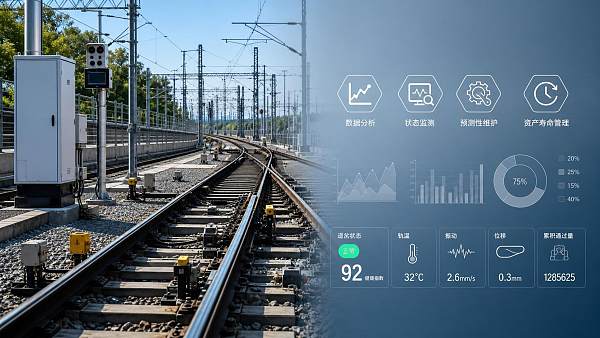
- Is predictive maintenance built into the digital architecture?
- How transparent is spare parts planning and obsolescence management?
- Can operational data feed future upgrades without major redesign?
Digital capability is equally important because modern rail assets generate continuous operational data.
If EPC rail contractors cannot structure data properly, future maintenance and network optimization become harder.
Digital weakness may also affect cybersecurity, remote monitoring, and software version control.
A practical warning
Do not confuse digital presentation quality with digital delivery maturity.
Good evaluation checks asset data standards, interface governance, update pathways, and diagnostics ownership.
How should decision teams compare EPC rail contractors more effectively?
A useful comparison method blends technical scoring, commercial review, delivery realism, and lifecycle evidence.
This prevents overreliance on headline price or brand recognition.
This comparison approach helps distinguish truly capable EPC rail contractors from low-visibility risk carriers.
Useful review steps
- Score technical submissions separately from commercial offers first.
- Validate reference projects by subsystem similarity, not project size alone.
- Test assumptions behind schedule compression claims.
- Review lifecycle support commitments in contract language.
What mistakes should be avoided when assessing EPC rail contractors?
One common mistake is treating all EPC rail contractors as interchangeable delivery entities.
Rail projects are system-heavy, safety-sensitive, and deeply dependent on interface discipline.
Another mistake is assuming past success in highways, buildings, or generic infrastructure transfers directly to rail.
Other frequent evaluation errors include:
- Overweighting capital expenditure and underweighting operating consequences.
- Ignoring software and data governance in rail system delivery.
- Accepting compliance claims without evidence mapping.
- Underestimating localization and approval lead times.
- Failing to test supplier resilience across geopolitical disruptions.
Better evaluation means asking harder questions earlier, before contracts turn hidden complexity into visible delay.
Quick FAQ table: what do the new benchmarks mean in practice?
EPC rail contractors are being evaluated differently because rail infrastructure expectations have changed fundamentally.
The strongest contractors now prove technical depth, compliance control, digital readiness, and lifecycle accountability.
That broader lens helps protect schedule certainty, asset reliability, and long-term network value.
For any upcoming rail program, build the evaluation framework around evidence, interfaces, and operational outcomes.
That is the most reliable way to identify EPC rail contractors prepared for modern transit demands.
Search News
Industry Portal
Hot Articles

Popular Tags
Recommended News
 Aug 12, 2026How to Use Transit Infrastructure Benchmarking Reports for Capital PlanningTransit infrastructure benchmarking reports help capital planners compare lifecycle cost, risk, compliance, and asset priorities to make smarter funding decisions before budgets are locked in.
 Aug 11, 2026How Rail Infrastructure Data Analytics Improves Maintenance Planning and Asset LifeRail infrastructure data analytics helps project teams reduce downtime, optimize maintenance windows, and extend asset life with smarter, risk-based planning.
 Aug 09, 2026What Is Recycled Polyester and When Is It a Better Choice Than Virgin PET?Recycled polyester explained: discover when it outperforms virgin PET in sustainability, sourcing, and compliance—and when virgin material is still the smarter choice.
 Aug 07, 2026How to Evaluate EPC Rail Contractors in the Middle East for Metro and Mainline ProjectsEPC rail contractors Middle East: learn how to compare metro and mainline bidders on integration, local delivery, climate readiness, and handover to avoid costly project risks.
 Aug 01, 2026How to Qualify Rail Suppliers: A Practical Checklist for References and Vendor ReviewRail supplier references and qualified suppliers start with proof, not promises. Use this practical vendor review checklist to verify compliance, capability, and delivery risk before you buy.
 Jul 28, 2026Rail Infrastructure Data Procurement Guide: How to Compare Sources, Quality, and CostRail infrastructure data procurement guide for buyers comparing data sources, quality, and cost. Learn how to assess coverage, verification, updates, and total value before you buy.
 Jul 26, 2026What Is MBR Filtration and When Is It the Right Choice for Wastewater Treatment?MBR filtration explained: learn when this compact wastewater treatment solution is the right choice for stable effluent quality, reuse goals, and space-constrained projects.
 Jul 25, 2026How to Evaluate Industry Applications for Rail Systems by Use Case and Operating NeedsIndustry applications for rail systems: learn how to assess use case fit, duty cycle, compliance, integration, and lifecycle cost to reduce risk and choose smarter solutions.
 Jul 22, 2026How to Evaluate Vacuum System Pump Capacity Metrics for Reliable System SizingVacuum system pump capacity metrics explained: learn how to compare pumping speed, ultimate pressure, leakage tolerance, and duty cycle for reliable sizing and better lifecycle performance.
 Jul 20, 2026What Is Logistics Infrastructure and How Does It Shape Freight Efficiency?Logistics infrastructure drives freight speed, reliability, and cost control. Learn how rail, terminals, signaling, and digital systems improve efficiency and resilience.
 Jul 19, 2026How Rail Predictive Maintenance Analytics Helps Cut Failures and Plan Smarter RepairsRail predictive maintenance analytics helps rail teams cut failures, predict risks, and plan smarter repairs. Learn how to reduce downtime, improve safety, and control lifecycle costs.
 Jul 17, 2026How to Choose a Waste Recycling Line Manufacturer for Capacity, Material Mix, and ComplianceWaste recycling line manufacturer selection guide: compare real capacity, material mix fit, compliance, and lifecycle cost to choose a reliable supplier with confidence.
 Jul 16, 2026How to Evaluate a MES Software Manufacturer for Integration, Support, and ScalabilityMES software manufacturer selection starts with integration, support, and scalability. Learn how to compare vendors, reduce risk, and choose a platform built for traceability and growth.
 Jul 15, 2026Rail Technical Benchmarking in Europe: How Operators Compare Reliability and Asset KPIsRail technical benchmarking Europe explained: discover how operators compare reliability, maintenance design, signaling resilience, and asset KPIs to make smarter rail investment decisions.
 Jul 15, 2026Rail Systems Benchmarking Framework: What Metrics Matter for Network PerformanceRail systems benchmarking framework: discover the metrics that truly drive network performance, reliability, lifecycle cost, and compliance for smarter rail investment decisions.
 Jul 15, 2026How to Interpret Martindale Abrasion Test Results for Fabric Durability DecisionsMartindale abrasion test results reveal more than rub counts. Learn how to read fabric durability data correctly, compare reports with confidence, and choose materials that reduce wear risk and lifecycle cost.
: What Limits Apply and How Hospitals Measure Compliance") Jul 14, 2026ICU Noise Level Standards (dB): What Limits Apply and How Hospitals Measure ComplianceICU noise level standards (dB) explained: learn accepted ICU sound limits, how hospitals measure compliance, and what drives non-compliance to improve patient safety and care quality.
Jul 14, 2026ICU Noise Level Standards (dB): What Limits Apply and How Hospitals Measure ComplianceICU noise level standards (dB) explained: learn accepted ICU sound limits, how hospitals measure compliance, and what drives non-compliance to improve patient safety and care quality. Jul 14, 2026Sustainable Packaging Design: 7 Factors to Balance Recyclability, Cost, and Shelf AppealSustainable packaging design made practical: explore 7 key factors to balance recyclability, total cost, compliance, product protection, and shelf appeal for smarter packaging decisions.
 Jul 14, 2026EPS Sandwich Panels Wholesale: How to Compare Density, Fire Rating, and Lead TimeEPS sandwich panels wholesale buyers should compare density, fire rating, and real lead time—not just price. Learn how to avoid compliance risks, delays, and costly sourcing mistakes.
 Jul 13, 2026European IVDR Grace Period Updates: What Device Manufacturers Must Review NowEuropean IVDR grace period updates: learn what device manufacturers must review now, from classification and notified body timing to portfolio risk, to protect market access and avoid costly disruption.
 Jul 13, 2026Sustainable Agriculture Benefits Explained: Soil Health, Water Savings, and Yield StabilitySustainable agriculture benefits explained: discover how healthier soil, smarter water use, and more stable yields help farms reduce risk, improve resilience, and perform better over time.
 Jul 13, 2026Office Stationery Wholesale: How to Compare MOQ, Lead Time, and Private Label OptionsOffice stationery wholesale made simple: compare MOQ, lead time, and private label options to reduce risk, improve supply continuity, and choose the right supplier faster.
 Jul 12, 2026How to Choose an Outdoor Furniture Distributor for Hospitality and Retail ProjectsOutdoor furniture distributor selection for hospitality and retail projects: learn how to compare supply reliability, compliance, customization, and after-sales support with confidence.
 Jul 11, 2026How Rail Project Intelligence Reports Support Bid Planning and Market Entry DecisionsRail project intelligence reports help teams assess bid feasibility, compliance risk, and market entry timing—turning complex rail opportunities into smarter, lower-risk growth decisions.




















Quarterly Executive Summaries Delivered Directly.
Join 50,000+ industry leaders who receive our proprietary market analysis and policy outlooks before they hit the public library.