

How rail technical specifications reduce compliance mistakes
Dr. Alistair Thorne
Time
Click Count
In rail projects, even small interpretation errors can trigger costly non-conformance, safety risks, and procurement delays. For quality control and safety managers, rail technical specifications provide the structured baseline needed to align design, sourcing, testing, and installation with strict international requirements. When applied correctly, they reduce compliance mistakes, improve cross-team consistency, and strengthen decision-making across complex transit and infrastructure programs.
For organizations managing rolling stock, signaling, track systems, traction power, or metro expansion, the challenge is rarely the lack of documentation. The challenge is whether teams interpret the same requirement in the same way across design offices, supplier factories, inspection checkpoints, and field installation crews.
This is where disciplined use of rail technical specifications becomes a control tool rather than a paperwork exercise. For quality and safety leaders, specifications define tolerances, interfaces, test methods, acceptance criteria, document traceability, and escalation paths before a mistake becomes a claim, rework event, or commissioning delay.
At a global level, this is especially important when procurement spans Asian manufacturing bases and regulated rail markets in Europe, North America, and the Middle East. G-RTI supports this environment by benchmarking systems and components against widely used standards such as ISO/TS 22163, IEC 62278, and EN 50126, helping decision-makers compare technical fit and compliance readiness with greater precision.
Why rail technical specifications matter in compliance control
In complex rail programs, compliance errors often begin with one of 4 gaps: ambiguous wording, incomplete parameter transfer, poor version control, or inconsistent verification methods. A specification that looks complete on paper may still fail in practice if engineering, sourcing, and site teams apply it differently.
Rail technical specifications reduce that risk by creating a shared operating baseline. They convert broad project intent into measurable requirements, such as voltage range, axle load limits, fire performance class, environmental temperature band, ingress protection level, software validation steps, and dimensional tolerances like ±0.5 mm or ±1.0 mm where relevant.
Where compliance mistakes usually start
For quality control personnel, the first warning sign is often a mismatch between submitted documents and actual delivered configuration. For safety managers, it may appear during hazard review, subsystem integration, or test witness stages. In many projects, these issues surface 6 to 12 weeks after purchase order release, when correction becomes expensive.
- Design teams reference an outdated issue revision.
- Procurement uses commercial datasheets instead of approved technical schedules.
- Suppliers certify to one market standard while the project requires another.
- Field teams install parts without checking interface constraints or torque requirements.
Each of these failures can be prevented when rail technical specifications are treated as a live control document linked to inspection and test plans, supplier qualification, change management, and final acceptance records.
How specifications create measurable alignment
A strong specification does more than describe a component. It defines 5 practical control layers: functional requirement, performance threshold, interface condition, verification method, and acceptance evidence. This structure gives QA and safety teams a repeatable way to judge conformity before factory release or site installation.
For example, a traction power item may require operation within a specified voltage band, insulation performance under humidity exposure, and documented test sequencing over 3 stages: routine, type, and site acceptance testing. Without those details, teams cannot distinguish between a technically acceptable variation and a non-compliant substitution.
The table below shows how rail technical specifications help convert common sources of non-conformance into controllable checkpoints across rail procurement and delivery workflows.
The key takeaway is that compliance control becomes stronger when every requirement is linked to an observable proof point. Quality and safety managers should aim for specifications that answer not only what is required, but also how it will be checked, by whom, and at which project stage.
What quality and safety managers should look for in rail technical specifications
Not all technical documents offer the same compliance value. Some are procurement-focused, some are engineering-focused, and some are built for regulatory alignment. For quality control and safety management teams, the most useful rail technical specifications combine performance clarity with traceable verification logic.
The 6 specification elements that prevent repeat errors
- Clear scope boundaries for subsystem, interface, and excluded items.
- Numeric performance criteria, not descriptive wording alone.
- Reference standards matched to target market and project authority.
- Inspection, test, and documentation requirements by milestone.
- Revision and deviation control procedures.
- Defined acceptance records for FAT, SAT, and handover.
These 6 elements are especially valuable in cross-border rail sourcing. A supplier may be fully capable in one market, yet still misalign with another market’s documentation depth, fire safety expectations, software assurance process, or lifecycle RAMS evidence.
Standards mapping must be explicit
In practical terms, quality teams should verify whether the specification maps each requirement to the correct standard family. For example, project teams often need alignment across manufacturing quality frameworks, functional safety processes, and lifecycle system assurance requirements. If that mapping is missing, suppliers may pass internal checks but fail client acceptance.
G-RTI’s benchmarking value is relevant here because procurement and engineering leaders often need a structured comparison between available products and the compliance expectations of different regions. That comparison can shorten technical clarification cycles from several weeks to a more manageable 5 to 10 working days.
The following table outlines what quality and safety managers should check when reviewing rail technical specifications before approval or tender release.
A practical review checklist like this helps teams detect weak documents before they enter procurement. It also gives safety managers a stronger position when challenging unsupported substitutions, compressed test schedules, or incomplete handover dossiers.
How to apply rail technical specifications across the project lifecycle
The real compliance benefit of rail technical specifications appears when they are used continuously, not only at tender stage. In high-value transit and rail infrastructure programs, the same requirement should remain traceable from concept design to final commissioning and maintenance planning.
A 5-step implementation model
- Define requirement ownership by discipline and project phase.
- Build a requirement-to-evidence matrix before procurement issue.
- Screen suppliers against both technical capability and compliance maturity.
- Use hold points at design review, FAT, delivery inspection, and SAT.
- Close every deviation with documented impact review and approval.
This 5-step model helps teams reduce fragmented decision-making. Instead of finding a mismatch during commissioning, they identify it during the correct gate. For many projects, moving detection from site stage to factory stage can save 2 to 6 weeks of rework and logistics disruption.
Use specifications to control procurement, not just engineering
Procurement teams often focus on lead time, pricing, and approved vendor status. Those factors matter, but they are incomplete if the technical schedule does not define document deliverables, witness requirements, spare parts lists, maintenance manuals, and software version traceability.
For example, a component with an 8 to 12 week manufacturing lead time may still create a longer project delay if compliance documents arrive 3 weeks late or if FAT reports do not match the specified format. Good rail technical specifications reduce this hidden schedule risk by defining deliverables early.
Application across G-RTI’s five industrial pillars
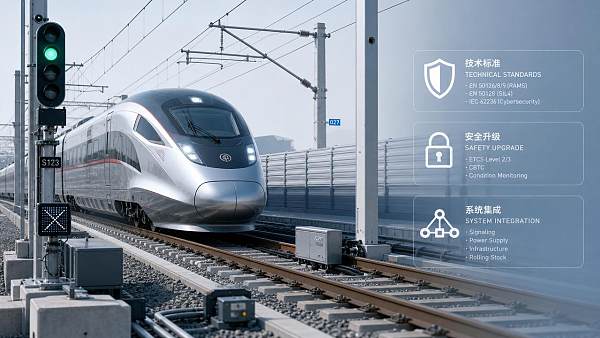
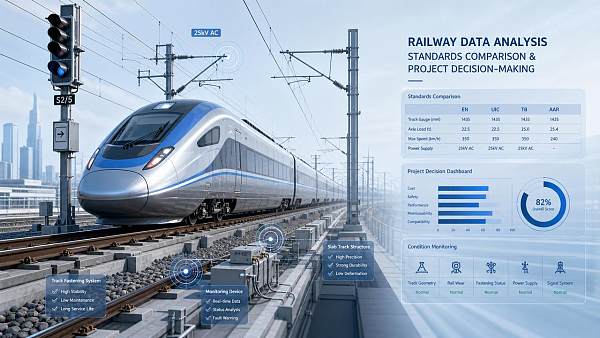
Specification discipline is relevant across high-speed rail systems, urban metro, signaling and communication, track infrastructure, and traction power supply. The exact parameters change, but the control logic remains the same: define the requirement, map the standard, assign the verification method, and capture objective evidence.
- High-speed rail: dynamic performance, vibration, thermal behavior, and interoperability checks.
- Urban metro: platform interface, fire safety, passenger environment, and maintainability access.
- CBTC or ETCS-related systems: communication integrity, software validation, fail-safe logic, and cybersecurity interfaces.
- Track infrastructure: geometry tolerance, fastening performance, wear limits, and maintenance intervals.
- Traction power: insulation, load profile, protection coordination, and environmental resilience.
For safety managers, this cross-pillar consistency matters because hazards frequently occur at interfaces. A subsystem may be compliant in isolation but non-compliant once integrated with adjacent assets, operating procedures, or maintenance constraints.
Common specification mistakes and how to avoid them
Even experienced organizations make avoidable mistakes when writing or using rail technical specifications. The most common problem is assuming that supplier expertise will fill the gaps. In regulated rail environments, assumptions are rarely acceptable evidence.
Four recurring mistakes
1. Descriptive wording without measurable thresholds
Phrases such as durable, suitable, or rail-grade are too vague on their own. Quality teams need measurable criteria such as operating temperature range, expected duty cycle, ingress protection level, vibration category, or design service interval in months or kilometers.
2. Standard references without project interpretation
Citing a standard is not the same as defining compliance. Teams still need to state which clauses apply, what evidence is required, and whether equivalent test methods are acceptable. This becomes critical when multiple markets or authorities are involved.
3. Weak document revision control
If one supplier works to revision B while the site team installs to revision C, non-conformance becomes almost inevitable. A controlled master register with issue date, approval status, and affected package list should be reviewed at least every 2 weeks during active delivery phases.
4. Missing connection between specification and inspection plan
A requirement that cannot be inspected is difficult to enforce. Every critical clause should link to a witness point, test record, document review, or physical inspection step. For safety-critical items, teams may also require independent verification before release.
Practical prevention measures
A practical governance approach is to classify requirements into 3 categories: mandatory, conditional, and informative. Mandatory items affect compliance and acceptance. Conditional items depend on operating environment or client option. Informative items support context but should not drive sign-off decisions on their own.
This simple structure helps quality managers prioritize review time and helps safety teams focus on high-impact failure modes. In large rail programs with hundreds of specification clauses, prioritization is often the difference between controlled review and reactive firefighting.
Choosing the right technical benchmarking support for global rail projects
For procurement directors, EPC contractors, and Tier-1 manufacturers, the challenge is not only writing better specifications but also validating whether proposed products and suppliers truly align with target-market expectations. That is where technical benchmarking and structured market intelligence add operational value.
G-RTI’s role is relevant because it bridges manufacturing capability with compliance requirements across different regions. By analyzing hardware, digital systems, and infrastructure components against recognized frameworks and application-specific requirements, teams can make more informed sourcing and qualification decisions before risk escalates.
What decision-makers should ask before supplier selection
- Does the supplier’s evidence match the destination market, not only the home market?
- Are the proposed test methods aligned with project acceptance criteria?
- Can the supplier support documentation in the required format and timeline?
- Are lifecycle, maintenance, and spare strategy assumptions clearly stated?
- Is there a documented process for deviation approval and technical change control?
These questions are particularly important for projects involving HSR, metro systems, CBTC or ETCS interfaces, track assets, and traction power packages. In each case, one early clarification can prevent a larger safety or contractual issue later in the program.
Rail technical specifications are most effective when they are precise, current, and embedded into daily project controls. For quality control and safety managers, they are not just engineering references; they are practical tools for reducing ambiguity, improving traceability, and protecting project outcomes across design, procurement, testing, and installation.
With global rail supply chains becoming more complex and regulatory expectations remaining strict, specification quality directly affects compliance performance. If your team needs stronger benchmarking, clearer technical comparisons, or better alignment between suppliers and target-market standards, G-RTI can support a more reliable decision process.
Contact us today to discuss your project requirements, request a tailored benchmarking review, or learn more solutions for reducing compliance mistakes through better rail technical specifications.
Search News
Industry Portal
Hot Articles

Popular Tags
Recommended News
 May 20, 2026Why rail data transparency now shapes safer asset decisionsRail data transparency is reshaping safer rail asset decisions with traceable evidence, lifecycle insight, and stronger supplier confidence across complex transit projects.
 May 19, 2026How rail data transparency changes risk across projectsRail data transparency helps rail projects reduce hidden risk, improve compliance, and strengthen supplier visibility. See the checklist that supports safer delivery and smarter lifecycle decisions.
 May 19, 2026Why rail engineering integrity fails long before faults showRail engineering integrity often weakens long before visible faults appear. Discover scenario-based risks, early warning signs, and practical actions to reduce failures, costs, and compliance exposure.
 May 18, 2026How rail technical specifications reduce compliance mistakesRail technical specifications help rail teams reduce compliance mistakes, improve traceability, and align design, sourcing, testing, and installation for safer, faster project delivery.
 May 18, 2026What rail market analysis reveals before expansion plansRail market analysis reveals demand, supplier readiness, compliance, and lifecycle risks before expansion. See how scenario-based insights improve rail investment decisions.
 May 18, 2026How rail technical standards shape safer system upgradesRail technical standards guide safer rail upgrades by improving compliance, reducing integration risk, and strengthening procurement decisions. Learn how to evaluate suppliers and systems with confidence.
 May 17, 2026Why rail project tenders fail before technical reviewRail project tenders often fail before technical review due to compliance gaps, bid errors, and weak risk framing. Learn the key checks that improve bid survival and win rates.
 May 17, 2026How rail European standards affect project approval pathsRail European standards shape approval paths, timelines, and supplier risk in cross-border rail projects. Discover key compliance factors to evaluate bids and enter the market with confidence.
 May 16, 2026What rail economic resilience means for long term budgetsRail economic resilience helps financial approvers reduce long-term budget risk, improve lifecycle value, and make smarter rail investment decisions with greater confidence.
 May 16, 2026Why rail policy foresight now matters more in network planningRail policy foresight is now critical to network planning. Discover a practical checklist to reduce compliance risk, protect funding, and build resilient rail corridors.
 May 16, 2026What makes a rail commercial gateway worth the investmentRail commercial gateway value starts with verified benchmarks, compliance insight, and supply-chain clarity—discover what makes the investment smarter for rail decisions.
 May 15, 2026What Rail Benchmarking Really Shows Beyond Headline KPIsRail benchmarking goes beyond headline KPIs to reveal lifecycle risk, compliance gaps, and vendor resilience—helping rail leaders compare systems smarter and invest with confidence.
 May 15, 2026Why Some Rail Project Tenders Attract Fewer Qualified BidsRail project tenders often attract fewer qualified bids due to restrictive specs, unclear risks, and heavy compliance. Discover practical fixes to improve competition and delivery outcomes.
 May 15, 2026How EPC Rail Contractors Are Being Shortlisted TodayEPC rail contractors are now shortlisted by delivery record, compliance, systems integration, and supply chain strength. Learn the key criteria shaping better rail procurement decisions.
 May 14, 2026Rail Intelligence Is Expanding Fast, but Which Data Matters?Rail intelligence is growing fast, but only verified, decision-ready data drives results. Discover which benchmarks, standards, and market signals matter most for smarter rail opportunities.
 May 14, 2026How EPC Rail Contractors Are Being Evaluated DifferentlyEPC rail contractors are now judged on compliance, digital maturity, lifecycle reliability, and cross-border delivery—not just price. Learn what buyers value most today.
 May 13, 2026Can rail economic resilience reduce lifecycle budget shocks?Rail economic resilience helps financial approvers reduce lifecycle budget shocks, improve funding confidence, and make smarter rail investment decisions with data-backed cost stability.
 May 12, 2026Rail Technical Specifications That Often Break Projects LateRail technical specifications often trigger late rail project delays through hidden gaps in interfaces, compliance, and testing. See the critical risks and how to prevent costly rework.
 May 11, 2026Rail project tenders often fail on these bid compliance pointsRail project tenders often fail on bid compliance, not price. Learn the key gaps in standards, RAMS, testing, and document control to improve win rates.
 May 11, 2026EPC rail contractors: what causes cost overruns most oftenEPC rail contractors face cost overruns most often from scope changes, approval delays, and interface risk. Learn the key warning signs and how to control budget exposure early.
 May 11, 2026What separates rail Tier-1 suppliers from the rest?Rail Tier-1 suppliers stand out through engineering depth, compliance readiness, and lifecycle support. Learn how to compare vendors, reduce risk, and choose partners with confidence.
 May 09, 2026When rail commercial gateway strategy starts hurting marginsRail commercial gateway growth can boost rail market access, but rising compliance, layered channels, and hidden support costs can crush margins. Learn how to protect profit and scale smarter.
 May 09, 2026Can rail data transparency reduce delays in fault tracing?Rail data transparency can cut fault-tracing delays by linking logs, maintenance history, and asset data. See how rail teams speed diagnosis and prevent repeat failures.
![]() May 08, 2026Rail Benchmarking Can Mislead If You Compare the Wrong MetricsRail benchmarking can mislead when teams compare the wrong metrics. Learn how to assess lifecycle cost, compliance, and real-world performance for smarter rail decisions.
May 08, 2026Rail Benchmarking Can Mislead If You Compare the Wrong MetricsRail benchmarking can mislead when teams compare the wrong metrics. Learn how to assess lifecycle cost, compliance, and real-world performance for smarter rail decisions.



















Quarterly Executive Summaries Delivered Directly.
Join 50,000+ industry leaders who receive our proprietary market analysis and policy outlooks before they hit the public library.