

How rail track maintenance costs change over asset life
Dr. Alistair Thorne
Time
Click Count
Rail track maintenance costs do not stay constant. They change with asset age, axle loads, climate exposure, traffic density, and maintenance strategy.
Across mixed rail networks, the cost curve is rarely linear. Early years often favor inspection and stabilization, while later years demand renewals, tamping cycles, grinding, drainage work, and component replacement.
Understanding how rail track maintenance spending evolves helps improve life-cycle planning. It also supports safer operations, better possession scheduling, and stronger return from infrastructure budgets.
Rail track maintenance is moving from reactive budgets to life-cycle cost control
A major industry shift is changing how rail track maintenance is evaluated. Cost is no longer judged by annual spend alone.
Operators increasingly compare total asset life performance. That means looking at geometry quality, failure risk, availability impact, and renewal timing together.
This shift matters because small underinvestment in earlier phases can create expensive defects later. Deferred drainage cleaning or ballast support work often multiplies future intervention costs.
Digital inspection also changes the picture. More defects are identified earlier, so rail track maintenance budgets may rise before reliability improves.
The cost profile changes visibly across each asset life stage
Rail track maintenance costs usually follow a staged pattern. Each stage has different technical priorities and financial pressure points.
Stage 1: Early life after commissioning
In the first years, defects often come from settlement, bedding-in, installation tolerances, and local drainage weakness. Costs remain moderate but highly targeted.
Typical spending includes baseline inspections, geometry verification, fastening checks, weld assessment, tamping correction, and isolated ballast adjustment.
Stage 2: Stable mid-life performance
This phase often shows the best value. Rail track maintenance becomes predictable, with recurring cycles for grinding, lubrication, tamping, and sleeper or fastening replacement.
If preventive work is disciplined, unit costs stay controlled. If access windows are poor, routine tasks become more expensive due to fragmented execution.
Stage 3: Late mid-life degradation
At this point, deterioration accelerates. Repeated loading weakens ballast support, rail wear increases, and substructure issues begin driving recurring defects.
Rail track maintenance spending rises because interventions become deeper. Spot fixes no longer solve root causes, and more possessions are needed.
Stage 4: Renewal threshold and end-of-life
Near end-of-life, maintenance costs can escalate sharply. Emergency repairs, speed restrictions, higher inspection frequency, and unplanned failures create a steep cost burden.
This is when the rail track maintenance decision shifts from preserving condition to choosing renewal timing. Delaying renewal may reduce capital spend temporarily but increase total cost.
Several trend signals are pushing rail track maintenance costs upward
Current cost changes are not caused by aging alone. Multiple operational and technical forces are reshaping rail track maintenance demand.
The biggest cost drivers are usually hidden below the rail head
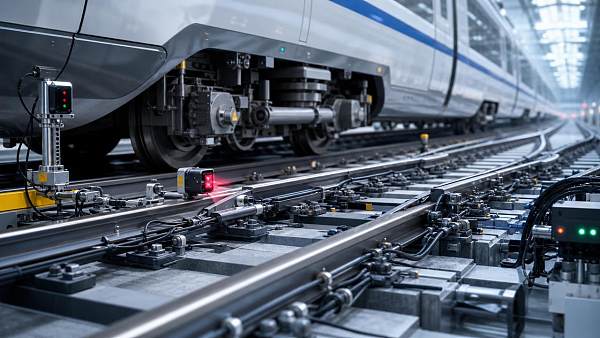
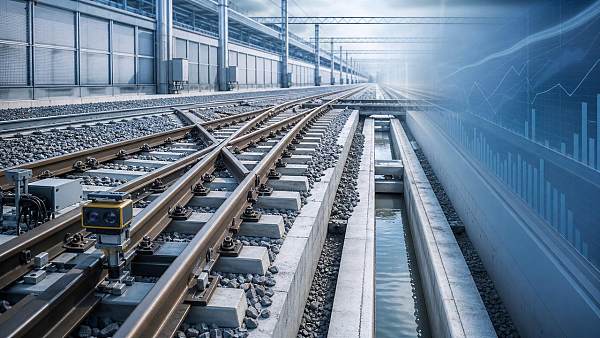
Rail wear is visible, but many rail track maintenance cost increases start in the support system. Ballast fouling, drainage decline, and subgrade weakness often drive repeated geometry defects.
When root causes stay untreated, tamping frequency rises without lasting benefit. That creates a false sense of maintenance effort while total cost keeps climbing.
- Ballast contamination reduces resilience and shortens geometry retention.
- Poor drainage increases moisture, pumping, and formation instability.
- Worn fastenings reduce track stiffness consistency and increase fatigue risk.
- Weld defects and corrugation raise dynamic loading and grinding demand.
- Transition zones near bridges and turnouts create concentrated maintenance hotspots.
For this reason, rail track maintenance planning should separate cosmetic corrections from structural interventions. The financial outcomes are very different over time.
Different network sections experience cost changes at different speeds
Not all assets age equally. A straight low-traffic section may remain in stable mid-life for years, while turnouts, curves, tunnels, and transition zones deteriorate much faster.
This means rail track maintenance budgets should be segmented by asset type, operating environment, and service intensity rather than averaged across the network.
What these cost shifts mean for planning, risk, and network performance
As rail track maintenance costs rise with age, budget pressure affects more than accounting. It changes reliability, timetable resilience, and asset availability.
If too much spending is delayed into late life, maintenance becomes disruptive. More emergency work is required, and planned interventions lose efficiency.
By contrast, earlier targeted spending often protects geometry quality and extends useful life. The result is lower cumulative cost and fewer service penalties.
The most useful focus areas are the ones that change the cost curve
The goal is not simply to reduce annual rail track maintenance spend. The goal is to flatten the late-life cost spike.
- Track geometry retention after tamping, not tamping frequency alone.
- Drainage condition as a leading indicator of future instability.
- Defect recurrence rate by location, especially in transitions and curves.
- Possession efficiency and bundled intervention planning.
- Thresholds where maintenance should convert into renewal.
- Data integration between inspections, faults, and work history.
These focus areas help rail track maintenance teams identify whether costs are rising because assets are aging or because strategy is misaligned.
A practical response is to link intervention timing with condition evidence
A condition-led approach improves decision quality across the asset life cycle. It reduces guesswork and supports better prioritization of scarce windows and crews.
- Establish life-stage cost baselines for plain line, curves, turnouts, and transitions.
- Track recurring defects to expose sections where routine rail track maintenance is no longer effective.
- Use inspection trends to trigger root-cause work before defects become chronic.
- Bundle drainage, ballast, fastening, and geometry tasks where possession access is limited.
- Define renewal decision points using cost, risk, and service impact together.
In many cases, the smartest rail track maintenance decision is not a larger budget. It is a better-timed intervention with clearer evidence of degradation stage.
Next-step decisions should be based on where each asset sits on the cost curve
A useful next step is to review track sections by age, traffic, defect recurrence, and support condition. That quickly shows where rail track maintenance is still value-adding and where renewal planning should begin.
With structured benchmarking, condition evidence, and life-cycle thinking, rail track maintenance can shift from reactive spending to long-term asset performance control.
For organizations managing complex rail portfolios, this approach creates stronger budget discipline, fewer service disruptions, and a more predictable infrastructure future.
Search News
Industry Portal
Hot Articles

Popular Tags
Recommended News
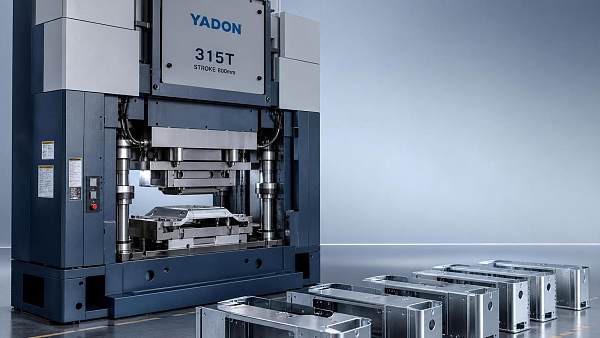
 Jul 10, 2026How to Choose a Hydraulic Press for Sheet Metal Based on Tonnage, Stroke, and Die SetupHydraulic press for sheet metal selection goes beyond tonnage. Learn how stroke, die setup, and part requirements affect accuracy, uptime, and smarter buying decisions.
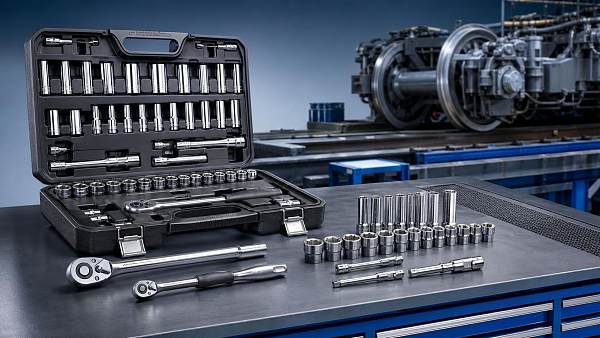
 Jul 09, 2026Socket Wrench Sets: What Sizes, Drive Types, and Case Options Are Worth Buying?socketwrenchsets buying guide: compare must-have sizes, 1/4, 3/8, and 1/2 drive options, plus case styles that improve access, durability, and value for real maintenance work.
![]() Jul 07, 2026Solid Waste Shredders: Which Types Fit MSW, Plastic, Wood, and Bulky Waste?solidwasteshredders guide: compare the best shredder types for MSW, plastic, wood, and bulky waste, with practical selection tips to boost uptime, cut costs, and choose smarter.
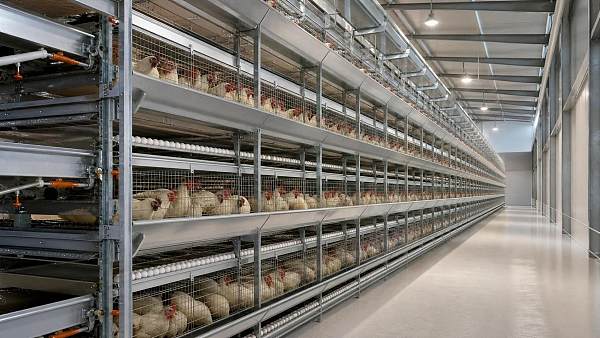
Jul 07, 2026Solid Waste Shredders: Which Types Fit MSW, Plastic, Wood, and Bulky Waste?solidwasteshredders guide: compare the best shredder types for MSW, plastic, wood, and bulky waste, with practical selection tips to boost uptime, cut costs, and choose smarter. Jul 03, 2026>30000 Layers H Type Automatic Battery Cage: Key Specs, Capacity, and Farm Fit>30000 Layers H Type Automatic Battery Cage guide covering key specs, true capacity, automation benefits, and farm fit—compare smarter and choose a system built for scalable egg production.
 Jul 01, 2026Sheet Metal Work vs CNC Machining: Which Process Fits Your Part Design and Volume?Sheet metal work vs CNC machining: discover how geometry, tolerance, and production volume affect cost, lead time, and scalability so you can choose the right process with confidence.
 Jun 30, 2026Rail Track Maintenance in the Middle East: Key Challenges, Methods, and Planning TipsRail track maintenance Middle East guide covering heat, sand, drainage, turnout care, and planning tips to cut downtime, improve safety, and optimize life-cycle cost.
 Jun 24, 2026Car Maintenance Checklist: What to Inspect Daily, Monthly, and Before Long TripsCar maintenance made simple: discover what to inspect daily, monthly, and before long trips to prevent breakdowns, improve safety, and save on costly repairs.
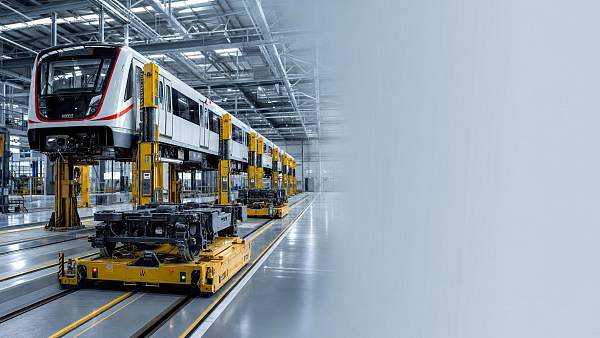
 Jun 22, 2026Handling Technology in Rail Maintenance: Equipment Types and Selection CriteriaHandling technology in rail maintenance: explore equipment types, key selection criteria, and smart ways to improve safety, uptime, and depot efficiency.
 Jun 16, 2026How to Read Hydraulic Press Specifications for Rail Workshop JobsHydraulic press specifications explained for rail workshop jobs: learn how to assess force, stroke, duty cycle, safety, and control to reduce procurement risk and improve performance.
 Jun 13, 2026Industrial Tablet PCs for Field Maintenance: Key Specs for Dust, Vibration, and ConnectivityTablet PCs built for field maintenance: discover the key specs for dust protection, vibration resistance, and reliable connectivity to keep rail and transit teams productive.
 Jun 03, 2026Hydraulic Parts Selection Guide: Seals, Valves, Pumps, and Failure RisksHydraulic parts selection guide for seals, valves, pumps, and hoses—learn how to reduce leakage, contamination, downtime, and failure risks in rail and transit maintenance.
 May 26, 2026When rail track maintenance costs more than expectedRail track maintenance costs often exceed budgets due to hidden lifecycle, compliance, and procurement risks. Learn the real cost drivers and make smarter approval decisions.
 May 24, 2026When does rail track maintenance cost more than expectedRail track maintenance costs rise fast when hidden defects, traffic pressure, aging assets, and compliance gaps go unchecked. Learn when overruns become avoidable.
 May 23, 2026When does rail predictive maintenance truly cut downtime?Rail predictive maintenance cuts downtime when critical assets show clear warning signs and teams can act fast. Learn when it delivers real ROI, fewer disruptions, and smarter rail maintenance planning.
 May 22, 2026How rail track maintenance costs change over asset lifeRail track maintenance costs change across every asset life stage. Learn the key cost drivers, renewal signals, and planning insights to reduce risk and improve rail budget performance.
 May 21, 2026How rail predictive maintenance cuts downtime in practiceRail predictive maintenance cuts downtime by turning condition data into early action. Learn where it works best, which rail assets to prioritize, and how to implement it for fewer failures and smarter maintenance.
 May 18, 2026What rail track maintenance issues cause most service delays?Rail track maintenance issues like geometry defects, turnout failures, wear, and drainage problems cause most service delays. See which risks matter most by operating scene.
 May 13, 2026Is rail global mobility reshaping spare parts planning?Rail global mobility is reshaping spare parts planning through compliance, forecasting, and lead-time control. Learn how smarter inventory strategies reduce risk and boost rail aftermarket growth.
 May 09, 2026Rail economic resilience now depends on maintenance timingRail economic resilience starts with smarter maintenance timing. Discover how data-driven planning cuts downtime, controls lifecycle cost, and strengthens rail network performance.
 May 08, 2026When Does Rail Track Maintenance Start Costing More Than It Saves?Rail track maintenance: learn the warning signs, cost triggers, and renewal thresholds that show when repeated repairs stop saving money and start hurting rail performance and budgets.
 May 06, 2026What Causes Rail Track Maintenance Costs to Spike Early?Rail track maintenance costs can spike early due to hidden drainage issues, load stress, delayed inspections, and poor component fit. Discover practical fixes to cut failures and extend track life.
 May 05, 2026What rail global mobility means for fleet deployment plansRail global mobility is redefining fleet deployment plans. Discover how operators balance interoperability, compliance, maintenance, and low-carbon goals for smarter rail decisions.
 May 04, 2026When Rail Track Maintenance Delays Start Signaling Bigger RiskRail track maintenance delays can reveal hidden safety, cost, and reliability risks. Learn the warning signs and how after-sales teams can act early to prevent major disruption.
 May 01, 2026How Rail Economic Resilience Affects Fleet Renewal TimingRail economic resilience shapes the right fleet renewal timing. Learn how ridership, funding, energy costs, and maintenance risk guide smarter rail investment decisions.








Quarterly Executive Summaries Delivered Directly.
Join 50,000+ industry leaders who receive our proprietary market analysis and policy outlooks before they hit the public library.