

Where rail global mobility is opening new growth routes
Dr. Alistair Thorne
Time
Click Count
As rail global mobility reshapes trade, urbanization, and low-carbon growth, decision-makers need more than market headlines—they need verified technical insight and supply-chain clarity. This article explains where rail global mobility is opening new growth routes, and how engineering, compliance, and market access now move together across high-speed rail, metro systems, signaling, maintenance, and traction power.
Why rail global mobility now requires a checklist-based approach
Rail projects have become larger, faster, and more interconnected. Growth no longer depends only on construction volume. It depends on whether systems can meet technical standards, operate reliably, and enter regulated markets without delay.
That is why rail global mobility must be assessed through a structured checklist. A checklist helps connect commercial ambition with benchmarked performance, lifecycle cost, digital integration, and regional compliance.
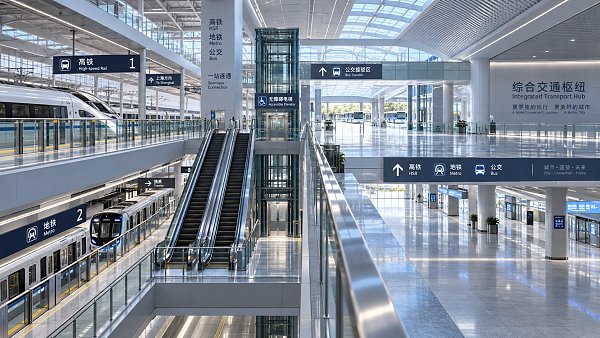
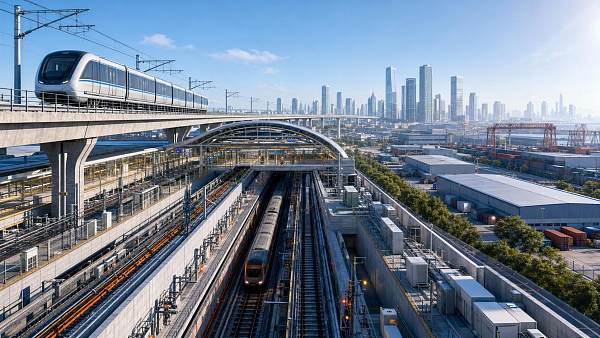
In practical terms, successful rail global mobility means aligning five industrial pillars: HSR systems, urban metro, signaling and communication, track infrastructure and maintenance, and traction power supply.
Core checklist for identifying new growth routes in rail global mobility
- Map regulatory fit early by checking alignment with ISO/TS 22163, IEC 62278, EN 50126, local safety approvals, cybersecurity rules, and tender-specific technical acceptance criteria.
- Benchmark system performance using measurable indicators such as speed class, axle load tolerance, signaling latency, energy efficiency, mean time between failures, and maintainability targets.
- Verify supply-chain resilience by tracing critical components, alternate sourcing paths, localization requirements, logistics risks, and certification lead times across multiple geographies.
- Assess interoperability requirements between rolling stock, track systems, power supply, and digital control layers to avoid interface failure during testing, commissioning, and cross-border deployment.
- Compare total lifecycle value instead of unit price by including spare parts, maintenance intervals, software updates, training needs, warranty structure, and long-term energy consumption.
- Track tender intelligence continuously across ASEAN, Europe, North America, and the Middle East to identify demand shifts, technical preferences, and timing windows for market entry.
- Prioritize data transparency by validating test reports, engineering documentation, digital twins, condition monitoring records, and independent conformity assessments before commercial commitment.
- Plan maintenance from day one by linking track geometry, bogie wear, traction motor behavior, and software diagnostics to predictive maintenance and asset availability goals.
How rail global mobility creates growth in different application scenarios
High-speed rail corridors
High-speed rail is one of the clearest engines of rail global mobility. It links industrial clusters, ports, and inland cities while reducing air and road pressure on dense economic corridors.
Growth routes emerge where 300 km/h to 400 km/h systems can combine proven traction motors, stable bogie performance, advanced braking, and interoperable signaling under strict safety certification.
Urban metro and transit expansion
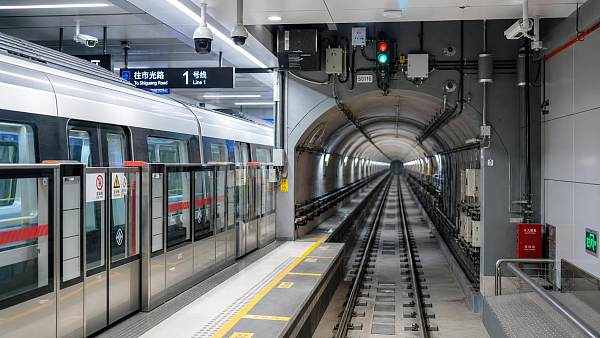
Urban transit is another major field for rail global mobility. Cities need capacity, punctuality, and lower emissions, but they also need systems that can fit existing depots, tunnels, and power networks.
New growth routes open when metro projects pair CBTC, automated operations, platform safety integration, and lifecycle maintenance planning with realistic localization and spare-parts strategies.
Signaling and communication modernization
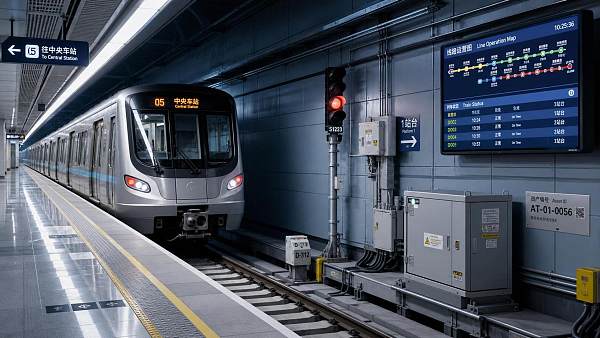
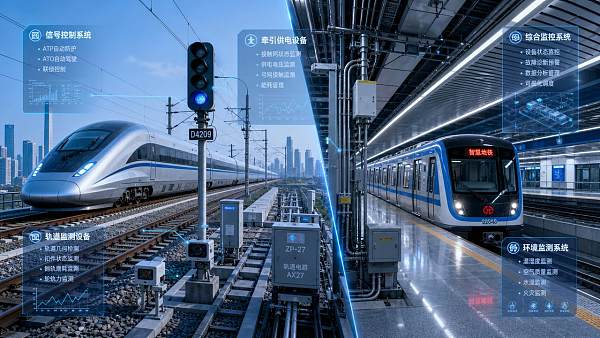
Signaling is no longer a supporting layer. In rail global mobility, signaling defines throughput, safety margins, and the ability to integrate mixed fleets or staged infrastructure upgrades.
Markets with aging infrastructure often create strong opportunities for ETCS migration, CBTC upgrades, telecom backbone renewal, and digital traffic management with measurable efficiency gains.
Track infrastructure and maintenance services
Rail global mobility also grows through maintenance, not only new builds. Track renewal, turnout reliability, slab track inspection, and grinding optimization can unlock major asset-life extension.
The strongest route here is data-led maintenance. AI-supported condition monitoring and predictive planning reduce disruption, improve safety, and create recurring value across the operating lifecycle.
Traction power and energy transition
Traction power has become central to rail global mobility because energy cost, grid stability, and decarbonization now influence project viability from the first design stage.
Growth potential rises when substations, converters, overhead systems, regenerative braking recovery, and power quality controls are designed as an integrated performance platform.
Commonly overlooked risks that can slow rail global mobility
- Ignoring interface management can derail commissioning. A compliant train, track, and signaling package may still fail if software logic, braking curves, and power tolerances are not aligned.
- Underestimating certification timing can block market access. Test evidence, audit readiness, and document traceability often take longer than hardware production or civil progress.
- Treating localization as a procurement formality can create cost inflation. Local content rules often affect tooling, workforce training, quality assurance, and after-sales support obligations.
- Overlooking digital maintenance integration weakens lifecycle value. Without usable diagnostics and data standards, predictive maintenance remains a slogan instead of an operating tool.
- Focusing only on price can hide long-term exposure. Lower upfront bids may produce higher downtime, spare-parts complexity, and reduced energy efficiency over the asset life.
Practical execution steps for stronger rail global mobility decisions
Start with a technical-commercial matrix. Score each opportunity against compliance readiness, engineering maturity, interoperability, lifecycle cost, and supply continuity instead of using volume alone.
Build a benchmark library for core subsystems. Include traction motors, bogies, signaling architecture, maintenance software, fastening systems, and power components with performance references and standards mapping.
Use tender intelligence as an ongoing process. Monitor project pipelines, specification changes, prequalification signals, and regional policy shifts to detect where rail global mobility is accelerating.
Link maintenance analytics with bid strategy. Demonstrating lower downtime, faster fault isolation, and better asset availability can strengthen competitiveness in both new-build and retrofit projects.
Validate every claim with auditable data. In rail global mobility, market trust is built through test records, certification evidence, operating references, and engineering documentation that stand up to scrutiny.
Summary and next-action guide
Rail global mobility is opening new growth routes wherever technical credibility, digital visibility, and cross-border compliance come together. The biggest opportunities are not random. They appear where infrastructure demand meets benchmarked performance.
The most effective next step is simple: review target markets using a structured checklist, test subsystem readiness against international standards, and compare opportunities through lifecycle value rather than headline cost.
With that discipline, rail global mobility becomes more than an industry trend. It becomes a practical route to stronger project outcomes, clearer market entry, and more resilient long-term growth.
Search News
Industry Portal
Hot Articles

Popular Tags
Recommended News
 Sep 27, 2026Selecting PLC Systems for Rail Depots: I/O Capacity, Redundancy, and Safety IntegrationPLC systems for rail depots: evaluate I/O capacity, redundancy, safety integration, and lifecycle support to build resilient, compliant operations.
 Sep 23, 2026Integrated Transit Hub Trends Reshaping Passenger Flow and Multimodal Rail ProjectsIntegrated transit hub trends are redefining passenger flow, resilient transfers, and multimodal rail design. Discover practical strategies for smarter, future-ready hubs.
 Sep 09, 2026MetroRail Ridership Data 2026: What Demand Shifts Mean for Capacity PlanningMetroRail ridership data 2026 reveals demand shifts shaping smarter capacity planning. Explore crowding, station bottlenecks, CBTC, fleet, and investment priorities.
 Jul 31, 2026Transit Systems Passenger Safety: Key Risk Factors and Practical Protection MeasuresTransit systems passenger safety explained clearly: explore top risk factors, human-error contexts, standards, and practical protection measures that improve safer rail and urban transit operations.
 Jul 14, 2026Retail Technology Solutions for Multi-Store Operations: POS, Inventory, and Customer DataRetail technology solutions for multi-store operations: unify POS, inventory, and customer data to improve visibility, accuracy, and growth across every location.
 Jul 11, 2026Rail Urban Mobility Projects: What to Review Before Budgeting for Metro and Monorail ExpansionRail urban mobility projects demand more than headline cost estimates. Discover what to review before budgeting metro and monorail expansion, from lifecycle costs to signaling, procurement, and ridership risk.
 Jul 10, 2026Rail Infrastructure Platform Comparison: Which Data Features Matter for Project Planning?Rail infrastructure platform comparison for project planning: discover the data features that matter most, from technical benchmarks to tender visibility, lifecycle insight, and supply chain risk.
![]() Jul 06, 2026Cloud Software vs On-Premise Systems: Which Option Fits Security and Budget Needs?Cloud software or on-premise systems? Explore security, lifecycle cost, compliance, and scalability trade-offs to choose the best fit for budget-sensitive infrastructure programs.
Jul 06, 2026Cloud Software vs On-Premise Systems: Which Option Fits Security and Budget Needs?Cloud software or on-premise systems? Explore security, lifecycle cost, compliance, and scalability trade-offs to choose the best fit for budget-sensitive infrastructure programs.![]() Jul 06, 2026Ultra Bright Window Display Buying Guide: Brightness, Pixel Pitch, and Storefront FitUltra bright window display buying guide covering brightness, pixel pitch, and storefront fit. Compare visibility, cost, and reliability to choose the right solution.
Jul 06, 2026Ultra Bright Window Display Buying Guide: Brightness, Pixel Pitch, and Storefront FitUltra bright window display buying guide covering brightness, pixel pitch, and storefront fit. Compare visibility, cost, and reliability to choose the right solution. Jul 05, 2026How to Select Metro Tunnel Ventilation Fans: Airflow, Pressure, Noise, and Fire SafetyMetro tunnel ventilation fans: learn how to compare airflow, pressure, noise, and fire safety to choose compliant, efficient systems for safer, smarter metro projects.
 Jul 02, 2026How to Evaluate a Rail Urban Mobility Platform for Metro Planning and OperationsRail urban mobility platform evaluation guide for metro planning and operations. Learn key criteria, risks, and vendor questions to choose a scalable, compliant solution.
 Jun 23, 2026Foldable Screen Technology for Mobile Devices: How It Works and What Limits DurabilityFoldable screen technology for mobile devices explained: discover how flexible OLEDs and hinge systems work, what causes crease and durability limits, and what buyers should check before choosing.
 Jun 22, 2026How the Agro-Industry Uses Metro Logic Tools for Cold Chain and Distribution PlanningAgro-industry cold chain planning gets smarter with metro logic tools. Learn how to reduce spoilage, improve distribution timing, and build more reliable, cost-efficient networks.
 Jun 20, 2026How to Read TENS Waveform Frequency Metrics for Pain Relief Device Evaluationtens waveform frequency metrics explained for smarter pain relief device evaluation. Learn how frequency stability, modulation, and load behavior affect comfort, consistency, and real-world performance.
 Jun 19, 2026Smart Retail Analytics Use Cases: Reducing Stockouts and Improving Store LayoutSmart retail analytics helps retailers reduce stockouts, optimize store layout, and improve conversion with real-time insights, predictive demand signals, and scalable operational control.
 Jun 17, 2026Tablet PCs for Industrial Procurement: How to Compare Durability, OS, and Lifecycle CostTablet PCs for industrial procurement: compare durability, OS fit, supplier support, and lifecycle cost to choose devices that reduce downtime, improve uptime, and deliver long-term value.
 Jun 16, 2026Health Developments Affecting Metro Systems: What Operators Should Track in Public SpacesHealth developments are reshaping metro operations. Discover what operators should track in public spaces to improve safety, compliance, resilience, and passenger trust.
 Jun 13, 2026How to Evaluate a Facade Lighting Manufacturer: Materials, IP Ratings, Controls, and Project SupportFacade lighting manufacturer selection guide: compare materials, IP ratings, controls, compliance, and project support to reduce risk, improve reliability, and choose with confidence.
 Jun 10, 2026Smart Systems in Rail Transit: Key Functions, Use Cases, and Integration ChallengesSmart Systems in rail transit improve safety, uptime, and control. Explore key use cases, integration challenges, and how to match solutions to complex rail scenarios.
 Jun 08, 2026Sustainable Technology in Rail Projects: Which Solutions Cut Energy Use First?Sustainable technology in rail projects cuts energy fastest through traction upgrades, smarter control, power optimization, and predictive maintenance—see which solutions deliver value first.
 Jun 05, 2026Integrated Transit Hub Trends: What Project Planners Should Watch in Passenger Flow DesignIntegrated transit hub trends are reshaping passenger flow design. Learn what planners should watch in adaptability, resilience, digital control, and multimodal transfer performance.
 May 26, 2026Is rail urban mobility changing how cities plan growthRail urban mobility is reshaping how cities plan growth, linking transit, land use, and resilience. Explore why rail-led development is becoming essential for efficient, low-carbon urban expansion.
 May 24, 2026What is changing fastest in rail Middle East markets this yearRail Middle East markets are shifting fast this year, driven by localization, digital rail, and stricter procurement. See what changes matter most and how suppliers can stay competitive.
 May 23, 2026How rail connectivity changes route value in growing citiesRail connectivity transforms route value in growing cities by improving access, reliability, and development potential. Discover what makes rail corridors worth investing in.














Quarterly Executive Summaries Delivered Directly.
Join 50,000+ industry leaders who receive our proprietary market analysis and policy outlooks before they hit the public library.