

How rail urban mobility is reshaping daily city travel
Dr. Alistair Thorne
Time
Click Count
Why rail urban mobility now matters in everyday city travel
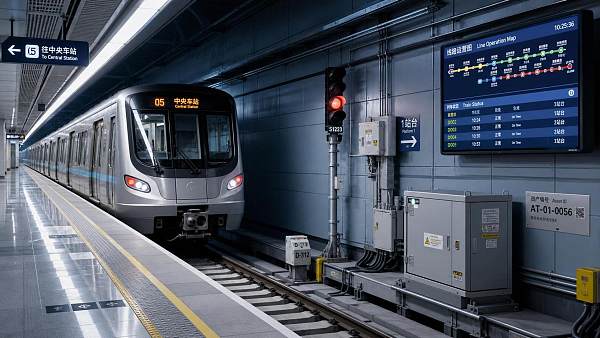
As cities grow denser and travel demands rise, rail urban mobility is transforming the way people move every day.
From faster commutes to lower emissions, modern rail systems now shape convenience, resilience, and access across urban neighborhoods.
This shift also affects planning, infrastructure spending, digital operations, and long-term economic productivity across the broader mobility ecosystem.
For cities, the value of rail urban mobility depends on context, network maturity, density, and integration with buses, walking, cycling, and regional links.
That is why decisions cannot rely on trends alone. They must reflect real travel scenarios and measurable operating demands.
A platform such as G-RTI adds value by connecting daily use cases with technical benchmarking, compliance logic, and supply chain visibility.
Which city travel scenarios benefit most from rail urban mobility
Not every corridor needs the same solution. Rail urban mobility creates different benefits in different movement patterns.
The most effective planning starts with scenario judgment: who travels, when they travel, how often delays occur, and what capacity is required.
Scenario 1: High-density commuter corridors
In central business corridors, peak-hour passenger surges often exceed road capacity long before land supply can expand.
Here, rail urban mobility performs best when frequency, signaling reliability, and platform flow are optimized together.
The core judgment point is not speed alone. It is sustained throughput under heavy, repetitive, time-sensitive demand.
Scenario 2: Cross-district daily travel
Many cities face fragmented travel between residential zones, schools, hospitals, and secondary employment centers.
In these cases, rail urban mobility improves daily travel when interchange design is simple and travel time remains predictable.
The key test is whether rail reduces transfer friction, not merely whether a line exists on the map.
Scenario 3: Airport and regional connector routes
Travel to airports and regional hubs requires punctuality, luggage tolerance, and dependable service during extended operating hours.
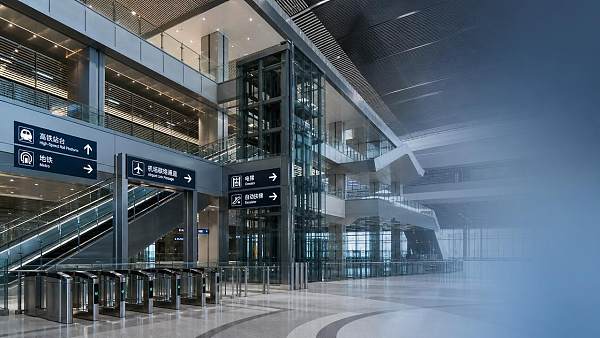
Rail urban mobility is especially effective when dedicated links reduce highway uncertainty and support seamless ticketing.
The main judgment point is journey assurance. Missed connections cost more than small time savings elsewhere.
Scenario 4: Regeneration districts and expanding suburbs
New development zones need transport that can shape growth before congestion becomes embedded.
In this setting, rail urban mobility supports land value, mixed-use density, and long-term modal shift.
The judgment point is future adaptability, including upgrade paths for traction power, signaling, and maintenance access.
How daily traveler expectations are changing across urban scenarios
Urban passengers now compare rail with app-based mobility, private cars, buses, and hybrid work routines.
This means rail urban mobility must meet higher expectations around punctuality, digital information, safety, and network clarity.
Different scenarios produce different expectations, which should guide infrastructure and operational priorities.
This comparison shows why rail urban mobility should be planned as a service system, not only as a construction asset.
What infrastructure and technology choices fit each rail urban mobility scenario
Once the scenario is clear, the next step is matching demand with technical capability and operational resilience.
This is where G-RTI’s benchmarking perspective becomes useful for translating city travel needs into verifiable system choices.
For heavy passenger demand
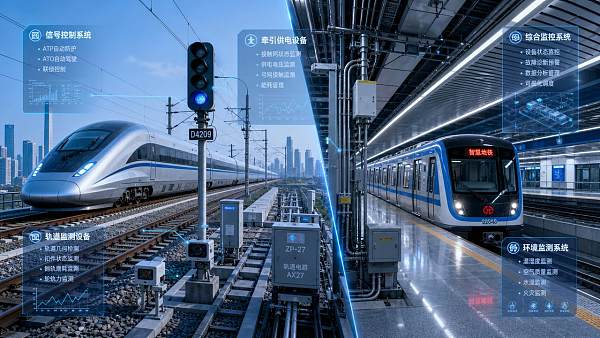
- Prioritize signaling systems that support shorter headways and operational stability.
- Evaluate rolling stock for acceleration, braking performance, and energy efficiency.
- Use predictive maintenance tools to reduce service interruptions during peak hours.
For networks with many transfers
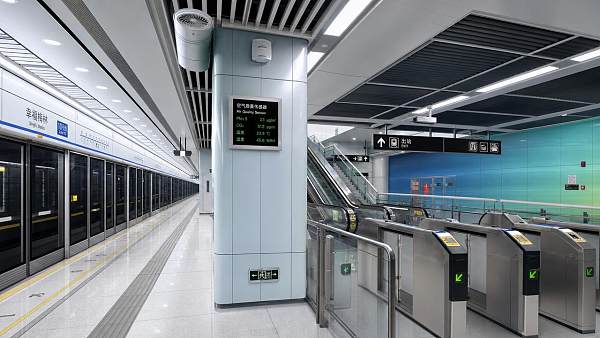
- Design station circulation around real passenger paths, not idealized diagrams.
- Align platform information, fare systems, and last-mile connections.
- Benchmark accessibility features against international standards and local demographics.
For strategic connector routes
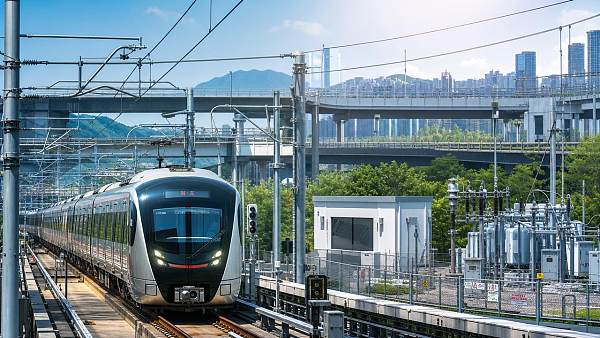
- Focus on asset redundancy in traction power and communications.
- Plan maintenance windows that protect early-morning and late-night travel reliability.
- Assess lifecycle cost instead of selecting only the lowest upfront capital option.
In each case, rail urban mobility succeeds when engineering choices support daily travel behavior, not just theoretical network capacity.
Where cities often misjudge rail urban mobility needs
Several common errors weaken the impact of rail urban mobility even when investment levels are high.
Mistaking line length for network usefulness
A longer line does not guarantee better access if transfers remain difficult or destinations stay poorly connected.
Underestimating operations and maintenance
Daily city travel depends on consistency. Deferred maintenance quickly erodes trust, punctuality, and ridership.
Ignoring standards and interoperability
Systems that overlook ISO/TS 22163, IEC 62278, or EN 50126 often face integration risks later.
Treating sustainability as a branding message only
Rail urban mobility supports decarbonization only when power supply, modal shift, and asset efficiency are measured together.
Overlooking supply chain exposure
Critical components, certification timelines, and tender conditions can delay deployment more than civil works assumptions suggest.
Practical scenario-based recommendations for stronger rail urban mobility outcomes
A practical approach links travel patterns, system design, and market intelligence from the start.
- Map the top daily travel scenarios by corridor, time band, and transfer complexity.
- Define service goals first, including headway, punctuality, recovery time, and accessibility.
- Match those goals with benchmarked assets in signaling, rolling stock, track, and power supply.
- Stress-test lifecycle risks using maintenance data, compliance requirements, and procurement lead times.
- Review whether the rail urban mobility plan works with bus, walking, cycling, and regional interchanges.
This process reduces costly redesign and improves the real value that passengers experience every day.
What to do next if rail urban mobility is shaping your city travel strategy
Rail urban mobility is no longer a future concept. It is already reshaping commuting, access, and resilience in modern cities.
The strongest outcomes come from scenario-based decisions supported by technical benchmarking and dependable market intelligence.
G-RTI helps connect urban travel needs with global rail standards, infrastructure evaluation, and supply chain clarity.
If the goal is better daily city travel, start by identifying where rail urban mobility can deliver the highest measurable impact first.
Search News
Industry Portal
Hot Articles
Popular Tags
Recommended News
 Sep 27, 2026Selecting PLC Systems for Rail Depots: I/O Capacity, Redundancy, and Safety IntegrationPLC systems for rail depots: evaluate I/O capacity, redundancy, safety integration, and lifecycle support to build resilient, compliant operations.
 Sep 23, 2026Integrated Transit Hub Trends Reshaping Passenger Flow and Multimodal Rail ProjectsIntegrated transit hub trends are redefining passenger flow, resilient transfers, and multimodal rail design. Discover practical strategies for smarter, future-ready hubs.
 Sep 09, 2026MetroRail Ridership Data 2026: What Demand Shifts Mean for Capacity PlanningMetroRail ridership data 2026 reveals demand shifts shaping smarter capacity planning. Explore crowding, station bottlenecks, CBTC, fleet, and investment priorities.
 Jul 31, 2026Transit Systems Passenger Safety: Key Risk Factors and Practical Protection MeasuresTransit systems passenger safety explained clearly: explore top risk factors, human-error contexts, standards, and practical protection measures that improve safer rail and urban transit operations.
 Jul 14, 2026Retail Technology Solutions for Multi-Store Operations: POS, Inventory, and Customer DataRetail technology solutions for multi-store operations: unify POS, inventory, and customer data to improve visibility, accuracy, and growth across every location.
 Jul 11, 2026Rail Urban Mobility Projects: What to Review Before Budgeting for Metro and Monorail ExpansionRail urban mobility projects demand more than headline cost estimates. Discover what to review before budgeting metro and monorail expansion, from lifecycle costs to signaling, procurement, and ridership risk.
 Jul 10, 2026Rail Infrastructure Platform Comparison: Which Data Features Matter for Project Planning?Rail infrastructure platform comparison for project planning: discover the data features that matter most, from technical benchmarks to tender visibility, lifecycle insight, and supply chain risk.
![]() Jul 06, 2026Cloud Software vs On-Premise Systems: Which Option Fits Security and Budget Needs?Cloud software or on-premise systems? Explore security, lifecycle cost, compliance, and scalability trade-offs to choose the best fit for budget-sensitive infrastructure programs.
Jul 06, 2026Cloud Software vs On-Premise Systems: Which Option Fits Security and Budget Needs?Cloud software or on-premise systems? Explore security, lifecycle cost, compliance, and scalability trade-offs to choose the best fit for budget-sensitive infrastructure programs.![]() Jul 06, 2026Ultra Bright Window Display Buying Guide: Brightness, Pixel Pitch, and Storefront FitUltra bright window display buying guide covering brightness, pixel pitch, and storefront fit. Compare visibility, cost, and reliability to choose the right solution.
Jul 06, 2026Ultra Bright Window Display Buying Guide: Brightness, Pixel Pitch, and Storefront FitUltra bright window display buying guide covering brightness, pixel pitch, and storefront fit. Compare visibility, cost, and reliability to choose the right solution. Jul 05, 2026How to Select Metro Tunnel Ventilation Fans: Airflow, Pressure, Noise, and Fire SafetyMetro tunnel ventilation fans: learn how to compare airflow, pressure, noise, and fire safety to choose compliant, efficient systems for safer, smarter metro projects.
 Jul 02, 2026How to Evaluate a Rail Urban Mobility Platform for Metro Planning and OperationsRail urban mobility platform evaluation guide for metro planning and operations. Learn key criteria, risks, and vendor questions to choose a scalable, compliant solution.
 Jun 23, 2026Foldable Screen Technology for Mobile Devices: How It Works and What Limits DurabilityFoldable screen technology for mobile devices explained: discover how flexible OLEDs and hinge systems work, what causes crease and durability limits, and what buyers should check before choosing.
 Jun 22, 2026How the Agro-Industry Uses Metro Logic Tools for Cold Chain and Distribution PlanningAgro-industry cold chain planning gets smarter with metro logic tools. Learn how to reduce spoilage, improve distribution timing, and build more reliable, cost-efficient networks.
 Jun 20, 2026How to Read TENS Waveform Frequency Metrics for Pain Relief Device Evaluationtens waveform frequency metrics explained for smarter pain relief device evaluation. Learn how frequency stability, modulation, and load behavior affect comfort, consistency, and real-world performance.
 Jun 19, 2026Smart Retail Analytics Use Cases: Reducing Stockouts and Improving Store LayoutSmart retail analytics helps retailers reduce stockouts, optimize store layout, and improve conversion with real-time insights, predictive demand signals, and scalable operational control.
 Jun 17, 2026Tablet PCs for Industrial Procurement: How to Compare Durability, OS, and Lifecycle CostTablet PCs for industrial procurement: compare durability, OS fit, supplier support, and lifecycle cost to choose devices that reduce downtime, improve uptime, and deliver long-term value.
 Jun 16, 2026Health Developments Affecting Metro Systems: What Operators Should Track in Public SpacesHealth developments are reshaping metro operations. Discover what operators should track in public spaces to improve safety, compliance, resilience, and passenger trust.
 Jun 13, 2026How to Evaluate a Facade Lighting Manufacturer: Materials, IP Ratings, Controls, and Project SupportFacade lighting manufacturer selection guide: compare materials, IP ratings, controls, compliance, and project support to reduce risk, improve reliability, and choose with confidence.
 Jun 10, 2026Smart Systems in Rail Transit: Key Functions, Use Cases, and Integration ChallengesSmart Systems in rail transit improve safety, uptime, and control. Explore key use cases, integration challenges, and how to match solutions to complex rail scenarios.
 Jun 08, 2026Sustainable Technology in Rail Projects: Which Solutions Cut Energy Use First?Sustainable technology in rail projects cuts energy fastest through traction upgrades, smarter control, power optimization, and predictive maintenance—see which solutions deliver value first.
 Jun 05, 2026Integrated Transit Hub Trends: What Project Planners Should Watch in Passenger Flow DesignIntegrated transit hub trends are reshaping passenger flow design. Learn what planners should watch in adaptability, resilience, digital control, and multimodal transfer performance.
 May 26, 2026Is rail urban mobility changing how cities plan growthRail urban mobility is reshaping how cities plan growth, linking transit, land use, and resilience. Explore why rail-led development is becoming essential for efficient, low-carbon urban expansion.
 May 24, 2026What is changing fastest in rail Middle East markets this yearRail Middle East markets are shifting fast this year, driven by localization, digital rail, and stricter procurement. See what changes matter most and how suppliers can stay competitive.
 May 23, 2026How rail connectivity changes route value in growing citiesRail connectivity transforms route value in growing cities by improving access, reliability, and development potential. Discover what makes rail corridors worth investing in.










Quarterly Executive Summaries Delivered Directly.
Join 50,000+ industry leaders who receive our proprietary market analysis and policy outlooks before they hit the public library.