

Urban metro transit growth can hide depot capacity risks
Dr. Alistair Thorne
Time
Click Count
Urban metro transit growth often signals progress, yet hidden depot capacity risks can undermine rail transit efficiency, rolling stock availability, and carbon-neutral rail goals. For procurement directors, EPC contractors, and technical evaluators, understanding how depot constraints affect urban metro, predictive maintenance, signaling systems, traction power, and rail regulatory frameworks is essential to maintaining rail engineering integrity, regulatory compliance, and long-term transit systems performance.
In many expanding metro networks, public attention stays focused on route mileage, passenger throughput, and station development. However, depot capacity often becomes the operational bottleneck long before the line map reaches maturity. When stabling tracks, inspection bays, wheel maintenance resources, washing plants, power intake, and digital maintenance systems are undersized, the result is not just inconvenience. It can reduce fleet availability, compress maintenance windows, increase lifecycle cost, and weaken timetable resilience during peak demand.
For information researchers, technical assessors, commercial evaluators, and channel partners, depot planning is not a secondary engineering detail. It is a strategic decision layer that influences rolling stock procurement, signaling architecture, traction power sizing, spare parts strategy, and long-term compliance with safety and reliability frameworks. This article examines where urban metro growth can hide depot capacity risks, how those risks emerge, and what decision-makers should evaluate before expansion projects move from concept to tender and delivery.
Why depot capacity becomes a hidden constraint in fast-growing metro systems
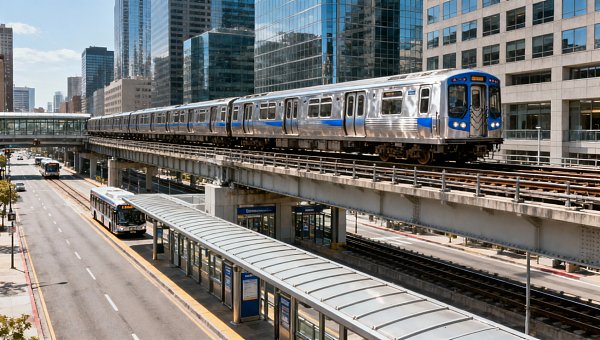
A metro line can appear successful on paper while carrying an operational weakness in the background. Network extensions of 10 km to 30 km, fleet additions of 12 to 40 trainsets, or service frequency upgrades from 6-minute to 2.5-minute headways all increase pressure on depot functions. If the original depot was designed for an early-stage fleet, expansion may push it beyond practical throughput limits even when nominal storage tracks still seem available.
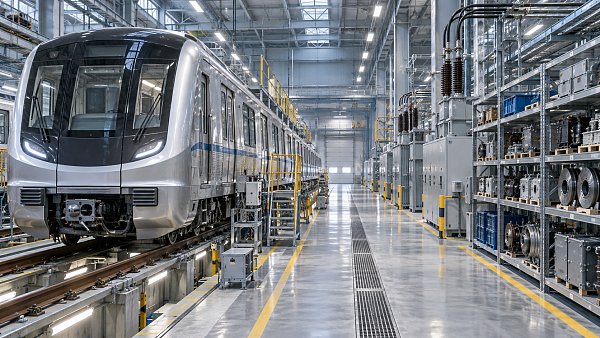
The key issue is that depot capacity is multi-dimensional. It is not only about the number of trains that can be parked overnight. It also includes inspection flow, turnaround time, heavy maintenance access, cleaning cycles, traction power availability, spare equipment circulation, digital diagnostics bandwidth, staff movement, and safety segregation. A depot that can stable 30 trainsets may only be able to process 22 to 24 effectively during a 6-hour nighttime maintenance window.
This gap between nominal and usable capacity becomes dangerous during ridership growth, special events, or line interconnection. As urban authorities seek higher asset utilization and lower carbon emissions, they often add service before depot expansion catches up. That creates a hidden backlog in preventive maintenance, which can later trigger more corrective interventions, more unavailable vehicles, and more pressure on procurement teams to accelerate unplanned orders.
From a technical intelligence perspective, depot constraints can distort the performance of otherwise advanced systems. Even with CBTC-enabled tighter headways, efficient traction packages, and modern train control, service reliability declines if train dispatch and return processes are bottlenecked at the depot. For B2B stakeholders, this means that depot readiness should be assessed with the same rigor as track, signaling, and rolling stock packages.
Common signals that a depot is approaching operational saturation
- Night maintenance windows regularly fall below 4.5 to 5.5 hours after train movement and safety isolation are completed.
- More than 85% of stabling tracks are occupied on a routine basis, leaving little margin for disrupted service recovery or fleet rotation.
- Inspection bays become a recurring scheduling bottleneck, especially when periodic checks and corrective repairs overlap.
- Washing, cleaning, and light servicing cycles are deferred by 24 to 72 hours during peak timetable periods.
- Temporary workarounds such as offsite parking, restricted consist rotation, or compressed maintenance intervals become normal practice.
How hidden constraints affect commercial decision-making
Commercial teams often evaluate projects by vehicle quantity, delivery schedule, and capex envelope. Yet depot limitations can reshape all three. A fleet order may need phasing in 2 or 3 tranches instead of one batch, not because manufacturing cannot scale, but because the operator cannot safely absorb and maintain the additional units. This affects tender packaging, warehouse planning, commissioning sequence, and aftermarket support contracts.
For distributors, agents, and suppliers, depot bottlenecks also create opportunities in retrofits and incremental upgrades. These may include automated inspection tools, modular workshop equipment, smart energy monitoring, compact wheel lathes, or predictive maintenance platforms that increase maintenance throughput without requiring full civil reconstruction. However, such solutions must be benchmarked against local standards, interoperability constraints, and lifecycle economics.
The technical risk chain: from stabling pressure to lower fleet availability
Depot capacity risks rarely remain isolated. They usually spread across the wider metro system through a chain of technical dependencies. Once stabling is tight, train movements become less flexible. Once movement flexibility declines, maintenance planning loses precision. Once maintenance planning slips, rolling stock reliability and service punctuality begin to deteriorate. The effect can be gradual for 6 to 12 months, then become visible through a rise in train withdrawals and service recovery delays.
One critical interface is predictive maintenance. Many urban transit operators are investing in onboard diagnostics, axle bearing monitoring, brake system analytics, door-cycle tracking, and condition-based maintenance software. These tools can reduce unnecessary interventions and improve component forecasting. But they do not eliminate the need for physical depot capacity. If the depot lacks enough work positions, lifting equipment, staff access lanes, or parts staging areas, maintenance intelligence cannot be converted into timely action.
Another interface is signaling. CBTC and advanced operations control can support shorter headways and more precise fleet circulation, but the depot throat, yard control logic, and switch layout must also handle denser train movement. In some systems, the main line is upgraded for high-frequency operations while the depot access remains configured for legacy throughput. That mismatch creates dispatch conflicts during the first and last 90 minutes of daily service when train in-and-out movement is most intense.
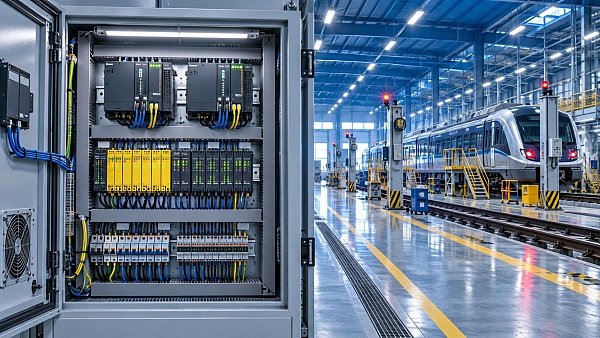
Traction power is equally important. Depot expansion without adequate substation capacity, feeder redundancy, and power quality control can constrain simultaneous train preparation, battery charging for auxiliary systems, workshop equipment operation, and washing plant use. Power design margins of 15% to 25% are common planning references in complex facilities, but actual requirements depend on fleet type, regenerative behavior, workshop loads, and charging strategy for auxiliary assets.
Typical depot risk chain in urban metro expansion
The following table summarizes how a seemingly local depot issue can propagate through urban metro operations and procurement planning.
The main conclusion is that depot risk is a system-level issue. A well-funded metro expansion can still face underperformance if depot engineering, digital maintenance integration, and utility capacity are not aligned with the service plan. This is why benchmark-based technical review is essential before project packaging, supplier engagement, and final capacity commitment.
Practical benchmark questions for technical evaluators
- Can the depot process the target fleet within the available nightly window after isolation, movement, and handover time are deducted?
- Does the depot throat and signaling logic support the planned dispatch intensity during the first 60 to 90 minutes of operation?
- Are workshop utilities and traction power designed for concurrent peak loads rather than average loads?
- Can predictive maintenance alerts be translated into physical intervention within 24 to 48 hours for critical subsystems?
What procurement teams should evaluate before approving fleet and depot expansion
Procurement decisions in urban metro projects often separate civil works, rolling stock, systems integration, and depot equipment into different work packages. While this may improve tender control, it can also hide cross-package risks. A technically acceptable rolling stock offer may still be commercially risky if axle load, train length, inspection requirements, or software integration needs exceed the depot’s actual handling capacity.
A disciplined evaluation model should consider at least 4 dimensions: physical capacity, maintenance throughput, systems compatibility, and lifecycle supportability. Physical capacity covers stabling, workshop bays, and depot circulation. Maintenance throughput addresses how many units can be inspected, cleaned, repaired, and released in one operational cycle. Systems compatibility examines signaling, power, diagnostic platforms, and SCADA interfaces. Lifecycle supportability includes spare parts flow, staff training, tooling, and long-term service access.
This is especially relevant in international procurement where Asian manufacturing supply strengths must align with European, American, or Middle Eastern compliance frameworks. Components and systems may meet performance expectations, yet still require adaptation for EN-based safety cases, IEC electrical practices, local fire codes, EMC constraints, or operator-specific maintenance doctrines. Depot expansion plans should therefore be benchmarked against both technical fit and regulatory readiness.
For business evaluators and channel partners, the depot question also affects service opportunities. Projects with constrained depot footprints often prefer modular upgrades that can be deployed in 8 to 20 weeks rather than full reconstruction programs extending over 12 to 24 months. Understanding this timing gap can help position diagnostic systems, compact workshop equipment, digital asset management tools, and phased support services more effectively.
A practical procurement checklist
The table below provides a decision framework that procurement and technical teams can use when screening depot-related risk in urban metro expansion packages.
The strongest procurement outcomes usually come from integrated review rather than isolated compliance checking. If technical and commercial teams review depot readiness together, they can detect whether a 15% fleet increase will truly improve service or simply transfer pressure to maintenance and yard control. That distinction has direct implications for capex timing, spare parts planning, and supplier qualification.
Frequent buying mistakes in depot-related packages
- Assuming storage capacity equals operational capacity without testing workshop throughput and train movement conflicts.
- Buying advanced predictive maintenance software before resolving bottlenecks in inspection access, tooling, and spare part logistics.
- Extending the fleet length or consist configuration without checking wash plant, lifting, and wheel maintenance compatibility.
- Focusing on initial capex savings while ignoring the cost of deferred maintenance, extra labor shifts, and service recovery losses.
How to mitigate depot capacity risks through phased engineering and digital integration
Mitigation does not always require a completely new depot. In many metro systems, a phased strategy can unlock usable capacity faster and at lower disruption risk. The first phase usually focuses on operational visibility: accurate asset condition data, movement analysis, workshop bottleneck mapping, and maintenance task segmentation. This can often be completed in 6 to 12 weeks if data sources already exist across rolling stock, depot SCADA, and maintenance management systems.
The second phase targets throughput improvement. Typical actions include reconfiguring workshop flow, adding compact inspection tools, upgrading depot throat signaling logic, improving parts staging, extending utility redundancy, and separating routine tasks from heavier interventions. In constrained urban sites, even a 10% to 18% gain in effective maintenance throughput can materially improve fleet availability without major land acquisition.
The third phase addresses structural expansion where needed. This may involve extra stabling sidings, new maintenance bays, additional traction power intake, or satellite servicing facilities linked to the main depot. These projects are more capital-intensive and often take 9 to 24 months depending on civil complexity, local approvals, utility relocation, and commissioning requirements. They should therefore be justified by clear demand growth scenarios rather than reactive crisis management.
Digital integration is most effective when tied to physical execution capacity. Predictive maintenance platforms can prioritize which door systems, traction components, HVAC units, or brake elements need intervention first. But their value depends on whether the depot can schedule, access, and complete the work. That is why technical benchmarking should examine both algorithmic maturity and workshop practicality.
Recommended phased response model
- Establish a 30- to 90-day operational baseline covering train movements, bay utilization, maintenance delay rates, and utility loading.
- Identify the top 3 to 5 bottlenecks that reduce usable capacity, such as throat congestion, inspection queueing, or underpowered workshop systems.
- Implement quick-yield upgrades that can increase throughput within 2 to 4 months, including process redesign and modular equipment additions.
- Benchmark long-term options against ridership growth, fleet plans, and compliance requirements before committing to major civil expansion.
Where digital tools create the most value
In urban metro environments, digital tools are most useful when they compress maintenance uncertainty. Examples include condition dashboards for high-cycle door systems, automated alerting for traction converter anomalies, depot energy monitoring, work-order prioritization engines, and integrated spare demand forecasts. These tools can reduce avoidable dwell time and improve planning discipline, but only if data governance, staff training, and intervention workflows are mature enough to support daily action.
For EPC contractors and Tier-1 suppliers, this means depot modernization should not be sold as software alone. The more credible offer combines data integration, practical workshop engineering, operator training, and measurable throughput targets. In tenders, that integrated positioning is often more persuasive than isolated feature lists.
Key questions for researchers, evaluators, and market-facing partners
Stakeholders entering the urban metro supply chain need a disciplined way to interpret depot-related risk. For researchers, the objective is to understand whether a city’s transit growth narrative is supported by maintenance and stabling reality. For technical evaluators, the task is to connect depot conditions with reliability, compliance, and systems integration performance. For business teams, the goal is to identify where unmet depot capacity creates demand for equipment, upgrades, consulting, and partnership models.
A useful starting point is to review 5 categories of evidence: fleet growth plans, depot layout constraints, maintenance regime complexity, signaling interface readiness, and traction power resilience. Even without proprietary statistics, these categories can reveal whether a project is balanced or whether expansion risk is accumulating off the public timetable narrative. In many cases, the commercial opportunity lies not in full replacement, but in targeted interventions that solve bottlenecks with faster deployment.
For distributors and agents, timeline awareness matters. Some products fit urgent 8- to 16-week operational upgrades, while others belong in 12-month-plus capital programs. Positioning the wrong offer at the wrong stage can reduce conversion even when the technical fit is strong. Market-facing teams should therefore align product portfolios with depot lifecycle stages: stabilization, throughput improvement, digital optimization, or structural expansion.
A benchmark-driven intelligence approach is especially valuable in cross-border projects. When supply chain decisions involve multiple regulatory zones, teams must ensure that proposed solutions support not just performance, but maintainability, documentation, testing, and acceptance processes across different rail frameworks. That is where structured technical intelligence and commercial screening can materially reduce project friction.
FAQ: questions frequently raised in depot-related metro assessments
How do you know when a depot expansion is urgent rather than optional?
Urgency usually appears when routine occupancy exceeds roughly 85%, maintenance tasks are repeatedly deferred beyond 24 to 48 hours, or fleet availability falls short of timetable needs despite no major fleet defect trend. If these conditions persist for several operating cycles, the depot is likely constraining service quality rather than simply operating efficiently.
Can predictive maintenance offset a lack of physical depot capacity?
It can reduce waste, improve prioritization, and help avoid unnecessary inspections, but it cannot replace workshop space, train access, power capacity, or staff movement paths. In practice, predictive maintenance works best as a throughput optimizer, not as a substitute for critical physical infrastructure.
What should buyers prioritize if budget only allows one near-term upgrade?
The answer depends on the dominant bottleneck. If dispatch conflicts are frequent, depot access signaling may bring the fastest operational gain. If maintenance backlog is the issue, inspection and workshop throughput improvements may matter more. If utilities are constraining concurrent work, power and workshop support systems should move up the list. A 4- to 6-week bottleneck study is often the most cost-effective first step.
Which stakeholders benefit most from depot intelligence?
Procurement directors use it to prevent misaligned capex. EPC contractors use it to sequence works realistically. Technical evaluators use it to verify maintainability and systems fit. Distributors and market-entry partners use it to identify product opportunities with clear operational pain points. In each case, depot intelligence improves decision quality beyond headline network expansion metrics.
Urban metro growth is only as durable as the depot infrastructure that supports it. When stabling, maintenance throughput, signaling interfaces, and traction power are not scaled with fleet and service ambition, expansion can look successful while accumulating operational risk. For decision-makers working across rolling stock, depot systems, regulatory compliance, and supply chain strategy, depot capacity should be treated as a primary performance variable rather than a background facility issue.
G-RTI supports this kind of assessment by connecting technical benchmarking, regulatory awareness, and market intelligence across urban metro, signaling, track maintenance, and traction power domains. If you are evaluating expansion risk, screening suppliers, or preparing a depot modernization strategy, now is the right time to align operational data with procurement decisions. Contact us to discuss a tailored benchmark review, request a project-specific evaluation framework, or explore more urban transit infrastructure solutions.
Search News
Industry Portal
Hot Articles

Popular Tags
Recommended News
 Oct 15, 2026Urban Metro Lifecycle Costs: What to Budget Beyond Initial ConstructionUnderstand urban metro transit lifecycle cost beyond construction. Explore operating budgets, maintenance, renewals, and supplier risks to build a funding plan that keeps your metro affordable.
 Oct 26, 2026When does urban mass transit demand justify a new metro line?When does urban mass transit demand justify a new metro line? Explore corridor demand, capacity, alternatives, and lifetime costs to make smarter transit investment decisions.
 Sep 27, 2026Selecting PLC Systems for Rail Depots: I/O Capacity, Redundancy, and Safety IntegrationPLC systems for rail depots: evaluate I/O capacity, redundancy, safety integration, and lifecycle support to build resilient, compliant operations.
 Sep 23, 2026Integrated Transit Hub Trends Reshaping Passenger Flow and Multimodal Rail ProjectsIntegrated transit hub trends are redefining passenger flow, resilient transfers, and multimodal rail design. Discover practical strategies for smarter, future-ready hubs.
 Sep 09, 2026MetroRail Ridership Data 2026: What Demand Shifts Mean for Capacity PlanningMetroRail ridership data 2026 reveals demand shifts shaping smarter capacity planning. Explore crowding, station bottlenecks, CBTC, fleet, and investment priorities.
 Jul 31, 2026Transit Systems Passenger Safety: Key Risk Factors and Practical Protection MeasuresTransit systems passenger safety explained clearly: explore top risk factors, human-error contexts, standards, and practical protection measures that improve safer rail and urban transit operations.
 Jul 14, 2026Retail Technology Solutions for Multi-Store Operations: POS, Inventory, and Customer DataRetail technology solutions for multi-store operations: unify POS, inventory, and customer data to improve visibility, accuracy, and growth across every location.
 Jul 11, 2026Rail Urban Mobility Projects: What to Review Before Budgeting for Metro and Monorail ExpansionRail urban mobility projects demand more than headline cost estimates. Discover what to review before budgeting metro and monorail expansion, from lifecycle costs to signaling, procurement, and ridership risk.
 Jul 10, 2026Rail Infrastructure Platform Comparison: Which Data Features Matter for Project Planning?Rail infrastructure platform comparison for project planning: discover the data features that matter most, from technical benchmarks to tender visibility, lifecycle insight, and supply chain risk.
![]() Jul 06, 2026Cloud Software vs On-Premise Systems: Which Option Fits Security and Budget Needs?Cloud software or on-premise systems? Explore security, lifecycle cost, compliance, and scalability trade-offs to choose the best fit for budget-sensitive infrastructure programs.
Jul 06, 2026Cloud Software vs On-Premise Systems: Which Option Fits Security and Budget Needs?Cloud software or on-premise systems? Explore security, lifecycle cost, compliance, and scalability trade-offs to choose the best fit for budget-sensitive infrastructure programs.![]() Jul 06, 2026Ultra Bright Window Display Buying Guide: Brightness, Pixel Pitch, and Storefront FitUltra bright window display buying guide covering brightness, pixel pitch, and storefront fit. Compare visibility, cost, and reliability to choose the right solution.
Jul 06, 2026Ultra Bright Window Display Buying Guide: Brightness, Pixel Pitch, and Storefront FitUltra bright window display buying guide covering brightness, pixel pitch, and storefront fit. Compare visibility, cost, and reliability to choose the right solution. Jul 05, 2026How to Select Metro Tunnel Ventilation Fans: Airflow, Pressure, Noise, and Fire SafetyMetro tunnel ventilation fans: learn how to compare airflow, pressure, noise, and fire safety to choose compliant, efficient systems for safer, smarter metro projects.
 Jul 02, 2026How to Evaluate a Rail Urban Mobility Platform for Metro Planning and OperationsRail urban mobility platform evaluation guide for metro planning and operations. Learn key criteria, risks, and vendor questions to choose a scalable, compliant solution.
 Jun 23, 2026Foldable Screen Technology for Mobile Devices: How It Works and What Limits DurabilityFoldable screen technology for mobile devices explained: discover how flexible OLEDs and hinge systems work, what causes crease and durability limits, and what buyers should check before choosing.
 Jun 22, 2026How the Agro-Industry Uses Metro Logic Tools for Cold Chain and Distribution PlanningAgro-industry cold chain planning gets smarter with metro logic tools. Learn how to reduce spoilage, improve distribution timing, and build more reliable, cost-efficient networks.
 Jun 20, 2026How to Read TENS Waveform Frequency Metrics for Pain Relief Device Evaluationtens waveform frequency metrics explained for smarter pain relief device evaluation. Learn how frequency stability, modulation, and load behavior affect comfort, consistency, and real-world performance.
 Jun 19, 2026Smart Retail Analytics Use Cases: Reducing Stockouts and Improving Store LayoutSmart retail analytics helps retailers reduce stockouts, optimize store layout, and improve conversion with real-time insights, predictive demand signals, and scalable operational control.
 Jun 17, 2026Tablet PCs for Industrial Procurement: How to Compare Durability, OS, and Lifecycle CostTablet PCs for industrial procurement: compare durability, OS fit, supplier support, and lifecycle cost to choose devices that reduce downtime, improve uptime, and deliver long-term value.
 Jun 16, 2026Health Developments Affecting Metro Systems: What Operators Should Track in Public SpacesHealth developments are reshaping metro operations. Discover what operators should track in public spaces to improve safety, compliance, resilience, and passenger trust.
 Jun 13, 2026How to Evaluate a Facade Lighting Manufacturer: Materials, IP Ratings, Controls, and Project SupportFacade lighting manufacturer selection guide: compare materials, IP ratings, controls, compliance, and project support to reduce risk, improve reliability, and choose with confidence.
 Jun 10, 2026Smart Systems in Rail Transit: Key Functions, Use Cases, and Integration ChallengesSmart Systems in rail transit improve safety, uptime, and control. Explore key use cases, integration challenges, and how to match solutions to complex rail scenarios.
 Jun 08, 2026Sustainable Technology in Rail Projects: Which Solutions Cut Energy Use First?Sustainable technology in rail projects cuts energy fastest through traction upgrades, smarter control, power optimization, and predictive maintenance—see which solutions deliver value first.
 Jun 05, 2026Integrated Transit Hub Trends: What Project Planners Should Watch in Passenger Flow DesignIntegrated transit hub trends are reshaping passenger flow design. Learn what planners should watch in adaptability, resilience, digital control, and multimodal transfer performance.
 May 26, 2026Is rail urban mobility changing how cities plan growthRail urban mobility is reshaping how cities plan growth, linking transit, land use, and resilience. Explore why rail-led development is becoming essential for efficient, low-carbon urban expansion.










Quarterly Executive Summaries Delivered Directly.
Join 50,000+ industry leaders who receive our proprietary market analysis and policy outlooks before they hit the public library.