

How Rail Intelligence Is Changing Expansion Timing
Dr. Alistair Thorne
Time
Click Count
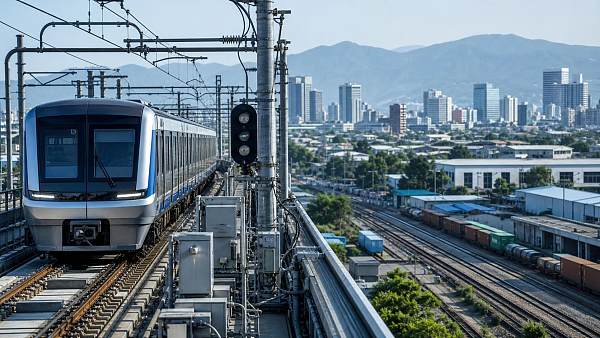
As global transit projects grow more complex, rail intelligence is redefining expansion timing. Demand still matters, but timing now depends on benchmarked performance, supply chain risk, and regulatory readiness.
Across high-speed rail, metro networks, signaling platforms, and maintenance systems, rail intelligence helps turn scattered data into expansion decisions with stronger technical and commercial logic.
Why expansion timing is no longer driven by demand alone
For years, expansion plans followed passenger growth, urbanization, and public funding cycles. That model is now too narrow for modern rail infrastructure.
Today, rail intelligence reveals whether capacity growth aligns with standards compliance, parts availability, digital interoperability, and long-term operating resilience.
A new line may appear justified on paper. Yet poor timing can inflate lifecycle costs, delay certification, and expose projects to avoidable integration failures.
This shift is especially visible where cross-border procurement and technology transfer shape project schedules. Expansion timing has become an engineering and intelligence question, not only a market question.
The strongest signals showing rail intelligence is changing decisions
Several market signals show how rail intelligence is influencing when major projects move from planning to execution.
- Tender timelines increasingly require verified technical benchmarks before full-scale rollout.
- Digital signaling upgrades now depend on compatibility studies, not just route demand projections.
- Track and traction investments are being sequenced around maintenance data and asset health.
- Cross-regional projects face stricter approval paths tied to safety and interoperability standards.
- Supply chain volatility is pushing planners to delay or accelerate phases based on component certainty.
In this environment, rail intelligence acts as an early warning system. It highlights whether the ecosystem around a project is truly ready for expansion.
What is driving the rise of rail intelligence in expansion planning
The growing influence of rail intelligence comes from technical, regulatory, and commercial pressures arriving at the same time.
Rail intelligence connects these forces into a usable timing framework. It does not replace strategy. It makes strategy more realistic.
How rail intelligence changes timing across key rail segments
High-speed rail systems
In high-speed rail, timing now depends on much more than route demand and capital approval. Rail intelligence tests whether traction, bogie, braking, and control systems can scale safely.
A 400km/h traction platform may look attractive. Yet expansion should wait if certification pathways, localized testing, or supplier redundancy remain weak.
Urban metro and transit
Metro growth often moves faster than supporting infrastructure. Rail intelligence helps identify whether depots, power supply, headway control, and passenger flow systems can absorb expansion.
This is critical in dense cities where premature extensions can create congestion in operations rather than relief in mobility.
Advanced signaling and communication
Signaling upgrades are among the clearest examples of rail intelligence shaping timing. A route may need more capacity, but deployment depends on communication reliability and system migration risk.
Rail intelligence assesses readiness for CBTC or ETCS by comparing hardware maturity, software validation, and operational transition complexity.
Track infrastructure and maintenance
Expansion without track condition insight can become costly very quickly. Rail intelligence uses asset health data to show whether reinforcement should come before route extension.
Predictive maintenance signals can reveal that reliability gains from rehabilitation may outperform immediate expansion in the short term.
Where the impact is felt across business and project workflows
The effect of rail intelligence reaches far beyond planning documents. It reshapes project workflows from concept design to operational ramp-up.
- Feasibility studies become more evidence-based and less dependent on generalized growth assumptions.
- Tender preparation improves because specifications reflect benchmarked performance rather than broad technical ambition.
- Phased rollout plans become easier to justify when linked to maintenance readiness and integration milestones.
- Risk control strengthens because timing decisions include component sourcing and certification exposure.
- Capital efficiency improves when expansion avoids avoidable rework and underused assets.
In practical terms, rail intelligence helps determine not only if expansion is needed, but whether the next stage should be accelerated, staged, or temporarily paused.
What should be monitored before committing to the next expansion window
A stronger timing decision usually comes from monitoring a focused set of indicators instead of tracking every available metric.
- Technical benchmark alignment: Compare system performance against international standards and proven operating environments.
- Interoperability readiness: Check whether signaling, rolling stock, traction, and maintenance platforms can scale together.
- Supply continuity: Review lead times, alternate sources, and localization constraints for critical components.
- Maintenance maturity: Confirm whether predictive tools and spare part systems can support additional service intensity.
- Regulatory visibility: Track approval pathways, documentation gaps, and testing requirements before schedules harden.
- Operational resilience: Measure whether new capacity increases reliability or simply shifts bottlenecks elsewhere.
These checkpoints make rail intelligence actionable. They convert a broad concept into a disciplined timing decision.
A practical framework for judging expansion timing with rail intelligence
This framework keeps rail intelligence tied to decisions. It also reduces the risk of expanding on optimism rather than evidence.
The next move: turning rail intelligence into expansion confidence
Rail intelligence is no longer optional in modern transit growth. It is becoming the reference layer for judging timing, risk, and infrastructure readiness.
The most effective next step is to audit planned expansion phases against benchmark data, standards exposure, and supply chain resilience.
When rail intelligence is embedded early, expansion timing becomes more precise, more defensible, and more likely to deliver long-term value across the full rail ecosystem.
Search News
Industry Portal
Hot Articles

Popular Tags
Recommended News
 Sep 25, 2026Sustainable Building Strategies for Rail Depots That Cut Energy and Lifecycle CostsSustainable building strategies for rail depots: cut energy use and lifecycle costs through smarter zoning, resilient systems, efficient controls, and maintainable infrastructure.
 Sep 22, 2026Retail Fixtures Design: How to Improve Store Flow and Product VisibilityRetail fixtures design improves store flow, product visibility, and operational efficiency. Explore practical strategies for high-traffic retail spaces.
 Sep 20, 2026How to Specify Coworking Space Furniture for Flexible Teams and Daily ReconfigurationCoworking space furniture solutions for agile teams: specify flexible desks, power, acoustics, storage, and safe daily reconfiguration.
 Sep 18, 2026How to Evaluate a Streetwear Factory for Quality, MOQs, and Production Lead TimesStreetwear factory evaluation made simple: compare quality controls, real MOQs, and production lead times to choose a reliable partner for your next drop.
 Sep 17, 2026CNC Machine Prices: What Buyers Should Compare Beyond the Initial QuoteCNC machines price comparison guide: look beyond the initial quote at tooling, installation, automation, service, and lifecycle costs for smarter buying decisions.
 Sep 15, 2026Which Health Discoveries Could Change Preventive Care in the Years Ahead?Health discoveries are reshaping preventive care through earlier detection, genomics, wearables, AI, and environmental insight. Explore what can improve health decisions.
 Sep 12, 2026Air Freight Costs for Urgent Rail Spare Parts: When Is It Worth Paying More?Air freight for urgent rail spare parts: learn when faster delivery outweighs the premium, helping restore service, protect maintenance windows, and reduce costly downtime.
 Sep 10, 2026How to Specify Solar Street Lights for Rail Yards and Remote Station Access RoadsSolar street lights for rail yards and remote access roads: learn how to specify safe, durable, glare-controlled systems with reliable battery autonomy.
 Aug 31, 2026How to Qualify an X-Ray Tube Manufacturer for High-Uptime Inspection SystemsX-ray tube manufacturer qualification guide for high-uptime inspection systems—evaluate duty cycles, lifecycle cost, compliance, support, and supply resilience.
 Aug 29, 2026Denim Manufacturing: What Buyers Should Audit Before Choosing a FactoryDenim manufacturing audit guide for buyers: assess fabric sourcing, wash consistency, quality control, compliance, and capacity to reduce risk and protect delivery.
 Aug 08, 2026What to Evaluate When Choosing an Interactive Retail Kiosk OEM PartnerInteractive retail kiosk OEM selection goes beyond price. Learn how to assess design, compliance, integration, and support to reduce rollout risk and choose a partner built for long-term success.
 Aug 06, 2026How to Choose Modern Furniture for Small Spaces Without Losing Function or StyleModern furniture for small spaces: learn how to choose stylish, space-saving pieces that improve storage, comfort, and flow without sacrificing function.
 Aug 05, 2026How to Evaluate a Hydraulic Press Manufacturer for Capacity, Quality, and Lead TimeHydraulic press manufacturer evaluation made practical: learn how to compare capacity, quality systems, quote scope, and lead time risks before choosing the right supplier.
 Jul 30, 2026How to Choose Home Care Devices for Elderly Care, Mobility Support, and Daily SafetyHome care devices guide for safer elderly care: learn how to choose mobility, bathroom, and daily safety solutions that match real needs, reduce fall risks, and support independence at home.
 Jul 27, 2026Industrial Maintenance Explained: Key Types, Tasks, and Why It MattersIndustrial maintenance explained clearly: explore preventive, predictive, corrective, and reactive strategies, key tasks, major risks, and why the right approach improves uptime and safety.
 Jul 24, 2026How to Start with Interior Design: Key Styles, Room Planning, and Budget BasicsInterior design starts with smart style choices, room planning, and budget basics. Learn practical tips to create functional, attractive spaces and avoid costly beginner mistakes.
 Jul 23, 2026Rail Market Analysis Forecast: Key Growth Drivers, Regional Shifts, and OutlookRail market analysis forecast reveals where modernization, signaling, electrification, and regional policy shifts are creating the strongest rail growth opportunities. Read the key outlook now.
 Jul 18, 2026How to Choose Pet Grooming Clippers: Blade Types, Motor Power, Noise, and Coat Matchpetgroomingclippers buying guide: learn how blade types, motor power, noise, and coat match affect grooming results, comfort, and safety before you choose.
 Jul 02, 2026Consumer Packaging Design: How to Balance Shelf Impact, Cost, and ComplianceConsumer packaging design strategies that balance shelf impact, cost control, and compliance. Discover practical ways to improve packaging performance, speed approvals, and protect margins.
 Jul 02, 2026What Is Sustainable Agriculture? Core Practices, Metrics, and Farm Use CasesSustainable agriculture explained: explore core practices, key metrics, and real farm use cases to improve yields, protect resources, and build long-term resilience.
 Jun 28, 2026Export Market Opportunities in Latin America for Rail Suppliers: What to EvaluateExport market opportunities in Latin America for rail suppliers depend on standards, funding, localization, and tender quality. Learn what to evaluate before entering.
 Jun 25, 2026Eco Friendly Corporate Gifts: What Buyers Should Check Before Placing a Bulk Orderecofriendlycorporategifts buyers should verify traceability, certifications, quality control, packaging, and total cost before any bulk order. Read the checklist to reduce risk and protect your brand.
 Jun 17, 2026Orthopedic Implants Materials Compared: Titanium, Stainless Steel, or PEEK?Orthopedic implants compared: discover how titanium, stainless steel, and PEEK differ in strength, imaging, biocompatibility, and cost to choose the best-fit solution.
 Jun 15, 2026Digital Marketing for Industrial Suppliers: Which Channels Drive Qualified B2B Leads?Digital marketing for industrial suppliers: discover which channels generate qualified B2B leads, from SEO and technical content to LinkedIn, ABM, email, and paid search.




















Quarterly Executive Summaries Delivered Directly.
Join 50,000+ industry leaders who receive our proprietary market analysis and policy outlooks before they hit the public library.