

How a rail commercial gateway affects deal success
Dr. Alistair Thorne
Time
Click Count
For commercial evaluators navigating complex transit investments, a rail commercial gateway can directly influence deal success by reducing information gaps, clarifying supplier credibility, and aligning technical benchmarks with procurement strategy. In global rail and transit markets where compliance, performance, and delivery risk shape every decision, understanding this gateway is essential to identifying stronger partners and securing more bankable outcomes.
Why a rail commercial gateway needs a checklist approach
A rail commercial gateway sits between market intelligence, supplier validation, and technical due diligence. That position makes it commercially powerful, but also easy to misread without a structured review process.
Rail deals rarely fail because of one visible issue. They fail when tender timing, standards compliance, lifecycle cost, and integration risk are reviewed in isolation rather than through one decision framework.
A checklist helps translate broad market data into deal signals. It also keeps commercial assessment tied to measurable evidence instead of claims, brand familiarity, or short-term price advantages.
Core checklist for evaluating how a rail commercial gateway affects deal success
- Verify market coverage across rolling stock, signaling, traction power, track systems, and maintenance so the rail commercial gateway reflects the full project ecosystem, not only one product segment.
- Check standards mapping against ISO/TS 22163, IEC 62278, EN 50126, IRIS, ETCS, and CBTC requirements to confirm whether supplier offers can survive formal compliance review.
- Assess supplier credibility using delivery history, export references, localization capability, and after-sales structure rather than relying on brochures, exhibition visibility, or headline capacity claims.
- Compare technical benchmarks on traction efficiency, bogie durability, digital diagnostics, and system interoperability to understand whether a low bid creates hidden operational constraints later.
- Track live tender intelligence and policy shifts across Europe, ASEAN, North America, and the Middle East because the rail commercial gateway is only useful when data reflects current procurement reality.
- Review supply chain depth for critical parts, software support, testing resources, and dual-source resilience to estimate schedule risk under geopolitical pressure or logistics disruption.
- Measure lifecycle economics, including maintenance intervals, energy use, retrofit flexibility, and spare parts strategy, because deal success depends on total asset value, not contract award alone.
- Confirm integration readiness between mechanical, electrical, and digital subsystems so the rail commercial gateway can expose interface risk before commissioning delays become contractual disputes.
- Examine data transparency, source traceability, and update frequency to ensure the rail commercial gateway provides decision-grade intelligence instead of outdated directories or recycled market summaries.
- Align findings with bid strategy, financing assumptions, and regulatory entry barriers so technical insight translates into a stronger commercial position and more bankable negotiations.
How the rail commercial gateway works in different deal scenarios
Cross-border rolling stock sourcing
In cross-border sourcing, a rail commercial gateway helps compare manufacturing strength with destination-market compliance. This matters when export-ready production capacity exists, but homologation evidence remains weak or incomplete.
A strong gateway shows whether traction systems, bogies, braking packages, and onboard software can be adapted to local certification pathways without destroying delivery schedules or margin assumptions.
Urban metro and signaling upgrades
Metro upgrades depend on interface discipline. Here, the rail commercial gateway is less about catalog comparison and more about understanding migration risk between legacy signaling and new CBTC or communication systems.
The right intelligence reveals whether a supplier can integrate with existing control architecture, platform constraints, maintenance routines, and cybersecurity expectations without prolonged service interruption.
High-speed rail infrastructure packages
For high-speed rail, deal success often depends on system compatibility across track, power, signaling, and vehicles. A rail commercial gateway helps identify suppliers that understand these dependencies instead of selling isolated components.
This is especially important when evaluating 400km/h-class equipment, predictive maintenance software, and long-term reliability targets that affect financing confidence and public delivery commitments.
Track maintenance and asset renewal
In maintenance-driven contracts, the rail commercial gateway improves decisions by linking asset condition data with vendor capability. That prevents overspending on equipment that is advanced on paper but misaligned with actual network needs.
It also supports better renewal timing by comparing intervention cost, downtime impact, and predictive diagnostics maturity across competing maintenance technologies.
Common blind spots that weaken deal outcomes
Mistaking visibility for capability
Large market presence does not automatically prove export readiness, systems integration discipline, or documentation quality. A rail commercial gateway should test operating evidence, not marketing reach.
Separating technical and commercial review
When technical benchmarking is disconnected from pricing and contract assumptions, hidden cost drivers remain invisible. Interoperability gaps and maintenance burdens usually appear after award, when negotiation leverage is gone.
Ignoring regional regulatory friction
A supplier may perform well in one region yet struggle elsewhere due to certification rules, local content expectations, or operator-specific testing. A rail commercial gateway must capture those regional barriers early.
Undervaluing lifecycle support
Deal success is often lost after contract signature, when spare parts, software updates, or field service capacity fail to match operating reality. Shortlisted options should be judged on support architecture, not only entry price.
Using stale intelligence
Tender pipelines, sanctions exposure, energy costs, and infrastructure policy can shift quickly. If the rail commercial gateway is not updated continuously, procurement strategy may rest on expired assumptions.
Practical execution steps
- Build a scorecard that weights compliance, delivery resilience, lifecycle economics, and interoperability before any commercial shortlist is finalized.
- Request evidence in matched formats, including reference projects, standards certificates, test reports, and localization plans, so comparisons stay objective.
- Cross-check gateway insights with live tender notices, operator specifications, and supply chain developments in the target region.
- Run scenario analysis for schedule delay, component substitution, and certification slippage to expose which offers remain commercially robust under pressure.
- Revisit the rail commercial gateway at each bid stage because supplier strength can change as project scope, policy, or financing conditions evolve.
Conclusion and next action
A rail commercial gateway affects deal success because it connects market access, technical proof, and procurement judgment in one evidence-based process. In rail and transit projects, that connection is where stronger deals are usually won.
The most effective next step is to apply a formal checklist to every target supplier, package, and region. When the rail commercial gateway is reviewed through current standards, lifecycle data, and tender intelligence, decisions become faster, safer, and more commercially defensible.
Search News
Industry Portal
Hot Articles

Popular Tags
Recommended News
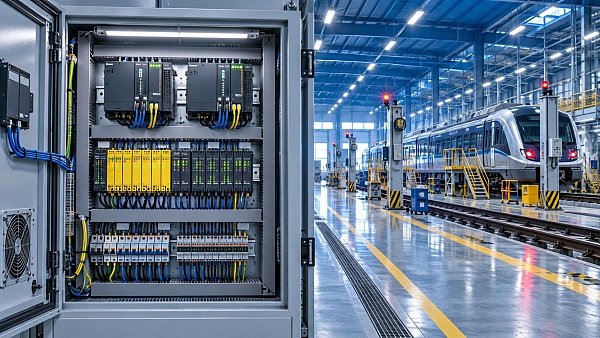
 Sep 27, 2026Selecting PLC Systems for Rail Depots: I/O Capacity, Redundancy, and Safety IntegrationPLC systems for rail depots: evaluate I/O capacity, redundancy, safety integration, and lifecycle support to build resilient, compliant operations.
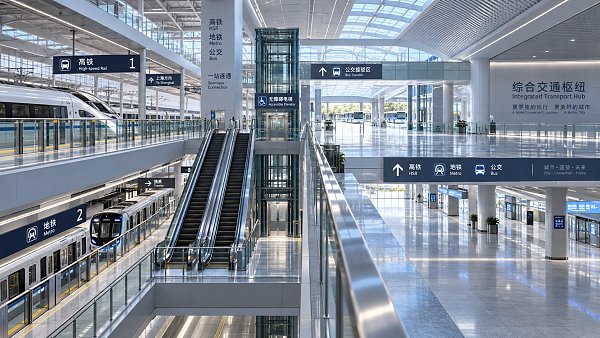
 Sep 23, 2026Integrated Transit Hub Trends Reshaping Passenger Flow and Multimodal Rail ProjectsIntegrated transit hub trends are redefining passenger flow, resilient transfers, and multimodal rail design. Discover practical strategies for smarter, future-ready hubs.
 Sep 09, 2026MetroRail Ridership Data 2026: What Demand Shifts Mean for Capacity PlanningMetroRail ridership data 2026 reveals demand shifts shaping smarter capacity planning. Explore crowding, station bottlenecks, CBTC, fleet, and investment priorities.
 Jul 31, 2026Transit Systems Passenger Safety: Key Risk Factors and Practical Protection MeasuresTransit systems passenger safety explained clearly: explore top risk factors, human-error contexts, standards, and practical protection measures that improve safer rail and urban transit operations.
 Jul 14, 2026Retail Technology Solutions for Multi-Store Operations: POS, Inventory, and Customer DataRetail technology solutions for multi-store operations: unify POS, inventory, and customer data to improve visibility, accuracy, and growth across every location.
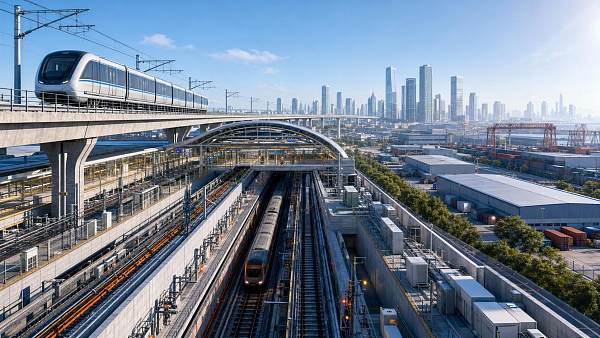
 Jul 11, 2026Rail Urban Mobility Projects: What to Review Before Budgeting for Metro and Monorail ExpansionRail urban mobility projects demand more than headline cost estimates. Discover what to review before budgeting metro and monorail expansion, from lifecycle costs to signaling, procurement, and ridership risk.
 Jul 10, 2026Rail Infrastructure Platform Comparison: Which Data Features Matter for Project Planning?Rail infrastructure platform comparison for project planning: discover the data features that matter most, from technical benchmarks to tender visibility, lifecycle insight, and supply chain risk.
![]() Jul 06, 2026Cloud Software vs On-Premise Systems: Which Option Fits Security and Budget Needs?Cloud software or on-premise systems? Explore security, lifecycle cost, compliance, and scalability trade-offs to choose the best fit for budget-sensitive infrastructure programs.
Jul 06, 2026Cloud Software vs On-Premise Systems: Which Option Fits Security and Budget Needs?Cloud software or on-premise systems? Explore security, lifecycle cost, compliance, and scalability trade-offs to choose the best fit for budget-sensitive infrastructure programs.![]() Jul 06, 2026Ultra Bright Window Display Buying Guide: Brightness, Pixel Pitch, and Storefront FitUltra bright window display buying guide covering brightness, pixel pitch, and storefront fit. Compare visibility, cost, and reliability to choose the right solution.
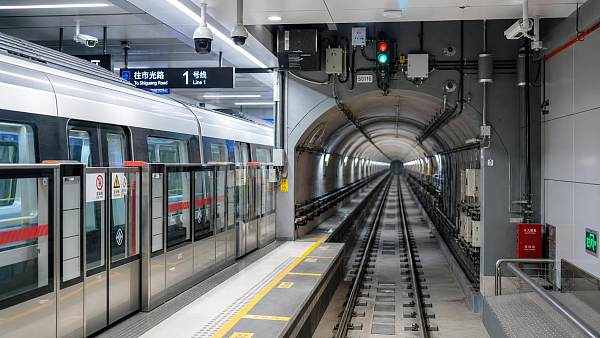
Jul 06, 2026Ultra Bright Window Display Buying Guide: Brightness, Pixel Pitch, and Storefront FitUltra bright window display buying guide covering brightness, pixel pitch, and storefront fit. Compare visibility, cost, and reliability to choose the right solution. Jul 05, 2026How to Select Metro Tunnel Ventilation Fans: Airflow, Pressure, Noise, and Fire SafetyMetro tunnel ventilation fans: learn how to compare airflow, pressure, noise, and fire safety to choose compliant, efficient systems for safer, smarter metro projects.
 Jul 02, 2026How to Evaluate a Rail Urban Mobility Platform for Metro Planning and OperationsRail urban mobility platform evaluation guide for metro planning and operations. Learn key criteria, risks, and vendor questions to choose a scalable, compliant solution.
 Jun 23, 2026Foldable Screen Technology for Mobile Devices: How It Works and What Limits DurabilityFoldable screen technology for mobile devices explained: discover how flexible OLEDs and hinge systems work, what causes crease and durability limits, and what buyers should check before choosing.
 Jun 22, 2026How the Agro-Industry Uses Metro Logic Tools for Cold Chain and Distribution PlanningAgro-industry cold chain planning gets smarter with metro logic tools. Learn how to reduce spoilage, improve distribution timing, and build more reliable, cost-efficient networks.
 Jun 20, 2026How to Read TENS Waveform Frequency Metrics for Pain Relief Device Evaluationtens waveform frequency metrics explained for smarter pain relief device evaluation. Learn how frequency stability, modulation, and load behavior affect comfort, consistency, and real-world performance.
 Jun 19, 2026Smart Retail Analytics Use Cases: Reducing Stockouts and Improving Store LayoutSmart retail analytics helps retailers reduce stockouts, optimize store layout, and improve conversion with real-time insights, predictive demand signals, and scalable operational control.
 Jun 17, 2026Tablet PCs for Industrial Procurement: How to Compare Durability, OS, and Lifecycle CostTablet PCs for industrial procurement: compare durability, OS fit, supplier support, and lifecycle cost to choose devices that reduce downtime, improve uptime, and deliver long-term value.
 Jun 16, 2026Health Developments Affecting Metro Systems: What Operators Should Track in Public SpacesHealth developments are reshaping metro operations. Discover what operators should track in public spaces to improve safety, compliance, resilience, and passenger trust.
 Jun 13, 2026How to Evaluate a Facade Lighting Manufacturer: Materials, IP Ratings, Controls, and Project SupportFacade lighting manufacturer selection guide: compare materials, IP ratings, controls, compliance, and project support to reduce risk, improve reliability, and choose with confidence.
 Jun 10, 2026Smart Systems in Rail Transit: Key Functions, Use Cases, and Integration ChallengesSmart Systems in rail transit improve safety, uptime, and control. Explore key use cases, integration challenges, and how to match solutions to complex rail scenarios.
 Jun 08, 2026Sustainable Technology in Rail Projects: Which Solutions Cut Energy Use First?Sustainable technology in rail projects cuts energy fastest through traction upgrades, smarter control, power optimization, and predictive maintenance—see which solutions deliver value first.
 Jun 05, 2026Integrated Transit Hub Trends: What Project Planners Should Watch in Passenger Flow DesignIntegrated transit hub trends are reshaping passenger flow design. Learn what planners should watch in adaptability, resilience, digital control, and multimodal transfer performance.
 May 26, 2026Is rail urban mobility changing how cities plan growthRail urban mobility is reshaping how cities plan growth, linking transit, land use, and resilience. Explore why rail-led development is becoming essential for efficient, low-carbon urban expansion.
 May 24, 2026What is changing fastest in rail Middle East markets this yearRail Middle East markets are shifting fast this year, driven by localization, digital rail, and stricter procurement. See what changes matter most and how suppliers can stay competitive.
 May 23, 2026How rail connectivity changes route value in growing citiesRail connectivity transforms route value in growing cities by improving access, reliability, and development potential. Discover what makes rail corridors worth investing in.










Quarterly Executive Summaries Delivered Directly.
Join 50,000+ industry leaders who receive our proprietary market analysis and policy outlooks before they hit the public library.