

When rail policy foresight changes investment timing
Dr. Alistair Thorne
Time
Click Count
When rail policy foresight sharpens the view of regulation, funding cycles, and cross-border compliance, investment timing becomes a strategic advantage rather than a gamble. For information researchers tracking global transit opportunities, understanding how policy signals shape procurement windows, project risk, and capital allocation is essential to identifying where rail infrastructure investment will move next.
Why scenario differences matter when using rail policy foresight
For an information researcher, rail policy foresight is not only about reading government announcements earlier than competitors. It is about understanding which policy signal matters in which business situation. A metro modernization program, a high-speed rail corridor, a signaling replacement package, and a traction power upgrade may all appear under the same national transport agenda, yet their investment timing behaves very differently. One may accelerate after budget approval, another may stall at environmental review, and a third may move only when interoperability rules are finalized.
This is why scenario-based analysis is more useful than a generic market outlook. In practice, procurement directors, EPC teams, component suppliers, and rolling stock manufacturers do not all react to policy in the same way. Some need to track tender release timing. Others need to judge certification readiness, localization thresholds, or financing certainty. In cross-border rail markets, policy foresight becomes even more valuable because technical standards, industrial policy, and geopolitical priorities often shift project schedules before public procurement notices appear.
For organizations such as G-RTI, the operational value lies in converting policy noise into actionable investment signals. The question is not simply whether rail spending will grow, but where, for whom, and under what conditions the next investable window is likely to open.
The business situations where rail policy foresight has the highest value
Rail policy foresight becomes most useful in situations where capital intensity is high, compliance is strict, and project timing can change supplier strategy. Information researchers usually see its strongest relevance in five recurring scenarios.
1. Early-stage national rail expansion planning
This scenario appears when governments publish long-term mobility plans, regional development frameworks, or decarbonization roadmaps. At this stage, researchers should focus less on immediate contract value and more on corridor prioritization, land-use alignment, public financing sources, and whether the policy language supports high-speed rail, conventional rail rehabilitation, or urban transit growth. In this scenario, rail policy foresight helps determine which concepts are likely to progress from political narrative to funded pipeline.
2. Pre-tender preparation for metro, HSR, or signaling packages
Here the value of rail policy foresight is more tactical. Researchers need to identify when procurement rules, local content requirements, safety certification expectations, or digital signaling mandates are about to change. A shift in CBTC or ETCS policy can alter supplier eligibility months before a formal invitation to bid appears. This is especially relevant for firms preparing compliance documentation, technical partnerships, or manufacturing localization plans.
3. Cross-border market entry and supply chain positioning
Companies entering Europe, the Middle East, or ASEAN rail corridors face a more complex policy mix. Beyond transport ministries, they must monitor customs frameworks, industrial policy, security screening, data regulation, and technical conformity rules. In this scenario, rail policy foresight helps determine not only if demand exists, but whether market entry should happen through exports, local assembly, joint ventures, or technical licensing.
4. Asset renewal and maintenance-driven investment cycles
Not all rail investment comes from new construction. Many investable opportunities emerge from asset aging, reliability mandates, and safety upgrades. Researchers tracking track infrastructure, traction power, bogie systems, or predictive maintenance software should pay attention to inspection rule changes, lifecycle funding mechanisms, and resilience policies. In these cases, investment timing is often triggered by operational performance thresholds rather than headline infrastructure budgets.
5. Climate, resilience, and energy transition policy shifts
Rail projects increasingly attract funding through decarbonization, grid modernization, and urban resilience agendas. This changes the timing logic for traction power supply, electrification, station energy systems, and digital efficiency tools. In such scenarios, rail policy foresight is valuable because the decisive budget line may come from climate programs instead of classic transport budgets.
Scenario comparison: what to watch before investment timing decisions
The table below helps information researchers distinguish which policy variables deserve priority in different rail market situations.
How demand differs by stakeholder and project type
The same rail policy foresight dataset may serve different decisions depending on the user. This is where many research efforts become too broad. A better approach is to match the policy signal to the operational need of the user.
For procurement directors
The main question is whether to prepare supplier qualification, compliance evidence, and commercial positioning now or later. Procurement leaders usually care about funding release patterns, eligibility requirements, domestic preference rules, and whether technical specifications are moving toward open competition or incumbent-friendly structures.
For EPC contractors
Timing decisions depend on package segmentation, interface responsibility, and civil versus systems sequencing. Rail policy foresight helps EPC teams identify whether a project is likely to be split into track, electrification, depots, and signaling packages or delivered under integrated frameworks. That affects bid strategy, partner selection, and cash flow planning.
For Tier-1 rolling stock and systems manufacturers
These players need an earlier and deeper view. Their timing depends on standard compliance, platform adaptation, homologation lead time, and local assembly economics. In this context, rail policy foresight is often less about project announcement and more about the policy evolution that determines whether a proven product platform can be sold without costly redesign.
For information researchers and market intelligence teams
The priority is signal filtration. Researchers should separate declarative policy from executable policy. A ministerial speech may shape sentiment, but a revised national transport plan, an approved budget annex, a new interoperability framework, or an updated safety directive usually carries greater predictive value. Good research supports investment timing by ranking signals according to implementation probability.
What to evaluate in each scenario before calling the timing “right”
A strong timing decision should not rely on one indicator alone. The practical use of rail policy foresight is to test whether several conditions are aligning at once.
- Funding maturity: Is there allocated capital, sovereign backing, multilateral support, or only a policy intention?
- Regulatory clarity: Are standards, safety approvals, and procurement rules stable enough for supplier commitment?
- Project bankability: Does the project have a realistic delivery model, phasing logic, and operator buy-in?
- Industrial fit: Can the target market accept imported systems, or is local manufacturing increasingly required?
- Technical readiness: Are products aligned with ISO/TS 22163, IEC 62278, EN 50126, or market-specific rules?
When three or more of these elements move into alignment, the market often shifts from theoretical opportunity to investable window. That is the point where rail policy foresight becomes commercially meaningful.
Common scenario misreads that distort investment timing
Even experienced teams often misjudge timing because they read policy at the wrong level. One frequent mistake is overvaluing visionary strategy documents while ignoring the slower mechanics of land approval, debt structuring, and operator procurement capacity. Another is assuming that high public attention means fast tender conversion. In rail, visibility and readiness rarely move at the same speed.
A second common error is treating all standards issues as technical details to solve later. In reality, interoperability, cybersecurity, digital signaling architecture, and maintenance certification can delay market entry long before a commercial negotiation begins. For cross-border suppliers, weak alignment with compliance policy can destroy timing advantages.
A third misread appears in maintenance and retrofit markets. Researchers may underestimate asset renewal opportunities because they look for large flagship announcements instead of recurring reliability-driven procurement. In many mature rail networks, the most stable investment timing is found in maintenance policy, not expansion rhetoric.
Practical scenario-fit guidance for information researchers
To make rail policy foresight more actionable, researchers should build a scenario-specific tracking framework rather than one general watchlist.
- For expansion scenarios, prioritize budget law updates, corridor sequencing, and sovereign or multilateral financing progress.
- For urban transit upgrades, track municipal procurement calendars, operator modernization plans, and signaling migration requirements.
- For cross-border entry, monitor conformity rules, localization policies, customs exposure, and partner ecosystem quality.
- For maintenance-led opportunities, map inspection regimes, fleet age, track condition, and digital maintenance mandates.
This kind of structured approach is especially relevant in the G-RTI context, where technical benchmarking and policy interpretation must work together. A market may appear attractive on demand volume alone, but only a combination of policy foresight and engineering fit reveals whether timing truly supports entry, bidding, or investment.
FAQ: applying rail policy foresight in real research work
Which rail projects benefit most from policy foresight analysis?
Projects with long lead times, heavy compliance requirements, and multiple funding gates benefit the most. High-speed rail, metro signaling, traction power upgrades, and cross-border supply programs are strong examples.
How early can rail policy foresight improve investment timing?
Often 12 to 36 months before formal procurement, depending on the market. The useful lead time comes from reading policy, standards, and financing milestones together rather than waiting for tenders alone.
What is the biggest warning sign that timing is not ready?
A gap between political commitment and executable structure. If the project is visible but funding, approvals, or technical rules remain unsettled, timing risk is still high.
Turning foresight into a better next move
Rail policy foresight is most valuable when it is used as a scenario filter, not as a generic trend label. For information researchers, the goal is to identify which market situations are genuinely advancing toward procurement, which are still policy narratives, and which require deeper compliance preparation before capital can move with confidence.
If your work involves comparing international rail opportunities, evaluating supplier readiness, or tracking where transit infrastructure budgets will convert into real projects, start by mapping the scenario first. Then test policy signals against funding maturity, standards alignment, and delivery readiness. That discipline turns rail policy foresight into a practical advantage for better investment timing, stronger market prioritization, and more reliable opportunity selection.
Search News
Industry Portal
Hot Articles

Popular Tags
Recommended News
 Aug 01, 2026How to Qualify Rail Suppliers: A Practical Checklist for References and Vendor ReviewRail supplier references and qualified suppliers start with proof, not promises. Use this practical vendor review checklist to verify compliance, capability, and delivery risk before you buy.
 Jul 28, 2026Rail Infrastructure Data Procurement Guide: How to Compare Sources, Quality, and CostRail infrastructure data procurement guide for buyers comparing data sources, quality, and cost. Learn how to assess coverage, verification, updates, and total value before you buy.
 Jul 26, 2026What Is MBR Filtration and When Is It the Right Choice for Wastewater Treatment?MBR filtration explained: learn when this compact wastewater treatment solution is the right choice for stable effluent quality, reuse goals, and space-constrained projects.
 Jul 25, 2026How to Evaluate Industry Applications for Rail Systems by Use Case and Operating NeedsIndustry applications for rail systems: learn how to assess use case fit, duty cycle, compliance, integration, and lifecycle cost to reduce risk and choose smarter solutions.
 Jul 22, 2026How to Evaluate Vacuum System Pump Capacity Metrics for Reliable System SizingVacuum system pump capacity metrics explained: learn how to compare pumping speed, ultimate pressure, leakage tolerance, and duty cycle for reliable sizing and better lifecycle performance.
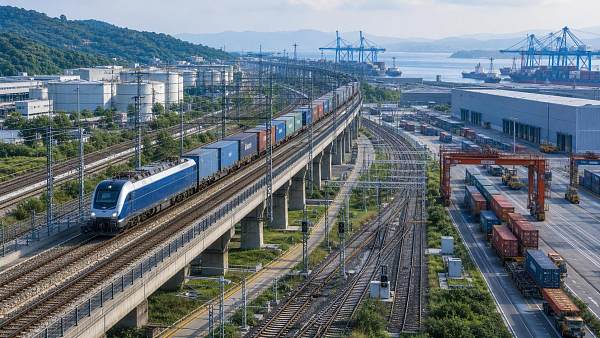
 Jul 20, 2026What Is Logistics Infrastructure and How Does It Shape Freight Efficiency?Logistics infrastructure drives freight speed, reliability, and cost control. Learn how rail, terminals, signaling, and digital systems improve efficiency and resilience.
 Jul 19, 2026How Rail Predictive Maintenance Analytics Helps Cut Failures and Plan Smarter RepairsRail predictive maintenance analytics helps rail teams cut failures, predict risks, and plan smarter repairs. Learn how to reduce downtime, improve safety, and control lifecycle costs.
 Jul 17, 2026How to Choose a Waste Recycling Line Manufacturer for Capacity, Material Mix, and ComplianceWaste recycling line manufacturer selection guide: compare real capacity, material mix fit, compliance, and lifecycle cost to choose a reliable supplier with confidence.
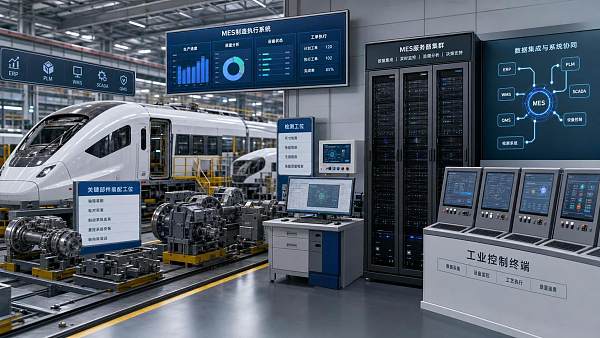
 Jul 16, 2026How to Evaluate a MES Software Manufacturer for Integration, Support, and ScalabilityMES software manufacturer selection starts with integration, support, and scalability. Learn how to compare vendors, reduce risk, and choose a platform built for traceability and growth.
 Jul 15, 2026Rail Technical Benchmarking in Europe: How Operators Compare Reliability and Asset KPIsRail technical benchmarking Europe explained: discover how operators compare reliability, maintenance design, signaling resilience, and asset KPIs to make smarter rail investment decisions.
 Jul 15, 2026Rail Systems Benchmarking Framework: What Metrics Matter for Network PerformanceRail systems benchmarking framework: discover the metrics that truly drive network performance, reliability, lifecycle cost, and compliance for smarter rail investment decisions.
 Jul 15, 2026How to Interpret Martindale Abrasion Test Results for Fabric Durability DecisionsMartindale abrasion test results reveal more than rub counts. Learn how to read fabric durability data correctly, compare reports with confidence, and choose materials that reduce wear risk and lifecycle cost.
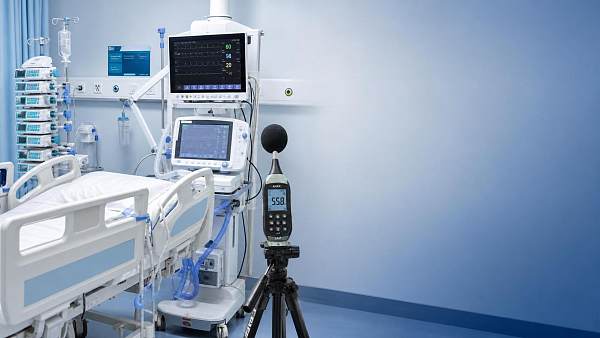
: What Limits Apply and How Hospitals Measure Compliance") Jul 14, 2026ICU Noise Level Standards (dB): What Limits Apply and How Hospitals Measure ComplianceICU noise level standards (dB) explained: learn accepted ICU sound limits, how hospitals measure compliance, and what drives non-compliance to improve patient safety and care quality.
Jul 14, 2026ICU Noise Level Standards (dB): What Limits Apply and How Hospitals Measure ComplianceICU noise level standards (dB) explained: learn accepted ICU sound limits, how hospitals measure compliance, and what drives non-compliance to improve patient safety and care quality. Jul 14, 2026Sustainable Packaging Design: 7 Factors to Balance Recyclability, Cost, and Shelf AppealSustainable packaging design made practical: explore 7 key factors to balance recyclability, total cost, compliance, product protection, and shelf appeal for smarter packaging decisions.
 Jul 14, 2026EPS Sandwich Panels Wholesale: How to Compare Density, Fire Rating, and Lead TimeEPS sandwich panels wholesale buyers should compare density, fire rating, and real lead time—not just price. Learn how to avoid compliance risks, delays, and costly sourcing mistakes.
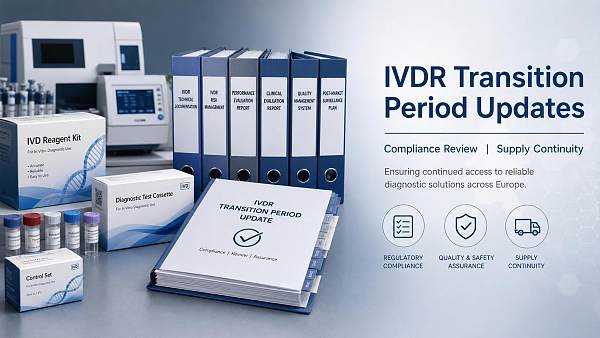
 Jul 13, 2026European IVDR Grace Period Updates: What Device Manufacturers Must Review NowEuropean IVDR grace period updates: learn what device manufacturers must review now, from classification and notified body timing to portfolio risk, to protect market access and avoid costly disruption.
 Jul 13, 2026Sustainable Agriculture Benefits Explained: Soil Health, Water Savings, and Yield StabilitySustainable agriculture benefits explained: discover how healthier soil, smarter water use, and more stable yields help farms reduce risk, improve resilience, and perform better over time.
 Jul 13, 2026Office Stationery Wholesale: How to Compare MOQ, Lead Time, and Private Label OptionsOffice stationery wholesale made simple: compare MOQ, lead time, and private label options to reduce risk, improve supply continuity, and choose the right supplier faster.
 Jul 12, 2026How to Choose an Outdoor Furniture Distributor for Hospitality and Retail ProjectsOutdoor furniture distributor selection for hospitality and retail projects: learn how to compare supply reliability, compliance, customization, and after-sales support with confidence.
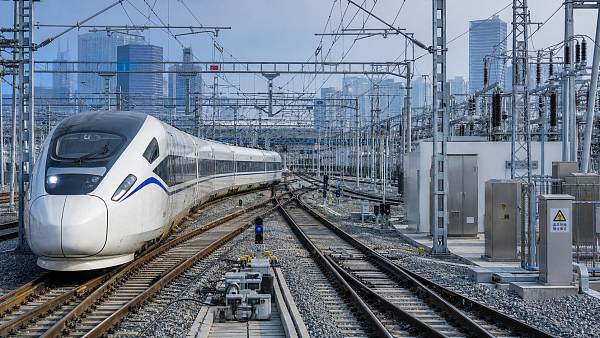
 Jul 11, 2026How Rail Project Intelligence Reports Support Bid Planning and Market Entry DecisionsRail project intelligence reports help teams assess bid feasibility, compliance risk, and market entry timing—turning complex rail opportunities into smarter, lower-risk growth decisions.
 Jul 11, 2026How to Evaluate a Rail Data Platform Provider for Multi-Line Asset and Project VisibilityRail data platform provider selection starts with visibility you can trust. Learn how to compare data accuracy, benchmarking depth, and multi-line project control for better rail decisions.
 Jul 10, 2026How Rail Infrastructure Benchmarking Reports Help Compare Capex, Delivery Risk, and Network ReadinessRail infrastructure benchmarking reports help decision-makers compare capex, delivery risk, and network readiness with greater clarity—discover smarter, lower-risk rail investment insights.
 Jul 10, 2026What an EPC Rail Contractors Database Should Include Before You Shortlist BiddersEPC rail contractors database essentials: discover the must-have data fields, compliance checks, and risk signals to shortlist stronger bidders and reduce tender mistakes.
 Jul 10, 2026Rail Supplier Evaluation for Global Sourcing: Criteria, Scorecards, and Red FlagsRail supplier evaluation global sourcing guide covering criteria, scorecards, and red flags to reduce risk, improve compliance, and choose reliable rail partners with confidence.













Quarterly Executive Summaries Delivered Directly.
Join 50,000+ industry leaders who receive our proprietary market analysis and policy outlooks before they hit the public library.