

Why are utility scale projects hard to connect?
Dr. Alistair Thorne
Time
Click Count
Why Are Utility Scale Projects Hard to Connect?
Connecting utility scale projects is rarely a simple matter of capacity reservation.
For technical evaluators, the challenge lies in aligning grid impact studies, protection schemes, traction power requirements, permitting timelines, and equipment compliance.
In large rail and transit infrastructure, these constraints become even more complex.
Reliability, interoperability, and carbon-reduction targets must be validated against strict international standards before energization can proceed.
Grid Connection Is Becoming the Critical Bottleneck
The global energy transition has changed how infrastructure projects are planned, financed, and delivered.
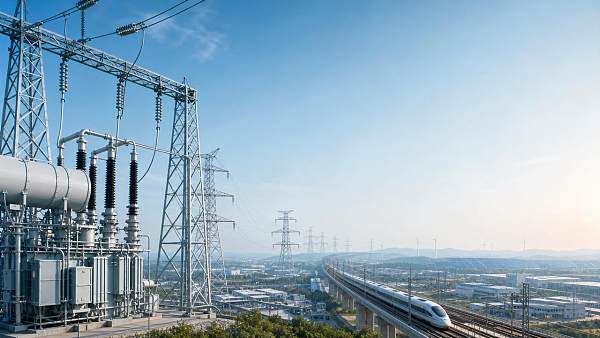
Utility scale renewable generation, electrified rail, metro expansion, and traction power upgrades are now competing for the same grid headroom.
This competition is especially visible near growing cities, industrial corridors, ports, and high-speed rail nodes.
Transmission systems were not always designed for fast growth in bidirectional flows, intermittent generation, and heavy transport electrification.
As a result, utility scale interconnection queues are lengthening across many regions.
The issue is no longer only whether generation or demand is technically feasible.
The bigger question is whether the surrounding grid can absorb, dispatch, protect, and regulate that connection safely.
Trend Signals Showing Why Utility Scale Connections Are Harder
Several signals now point to a structural shift in connection risk.
Grid access has become a decisive schedule factor for utility scale projects, not an administrative final step.
- Interconnection studies are taking longer because more projects affect the same substations.
- Transmission reinforcement costs are becoming less predictable during early feasibility phases.
- Protection coordination must address inverter-based generation, traction loads, and dynamic switching events.
- Permitting for new lines, substations, and corridors faces land, environmental, and community constraints.
- Equipment lead times for transformers, switchgear, and power electronics remain extended in many markets.
For rail and transit systems, the pressure is amplified by service reliability requirements.
A delayed utility scale connection can affect depot energization, signaling tests, rolling stock commissioning, and trial operations.
The Main Drivers Behind Connection Difficulty
Connection complexity is not caused by one constraint.
It emerges from the interaction between system capacity, compliance obligations, equipment behavior, and infrastructure timing.
These drivers explain why utility scale connection risk often grows after initial feasibility approval.
Early site screening may confirm proximity to substations, but detailed studies reveal hidden limits.
Rail Electrification Adds a Different Layer of Risk
Rail and transit networks are not ordinary electricity users.
They combine heavy peak demand, strict availability targets, regenerative braking, and safety-critical control systems.
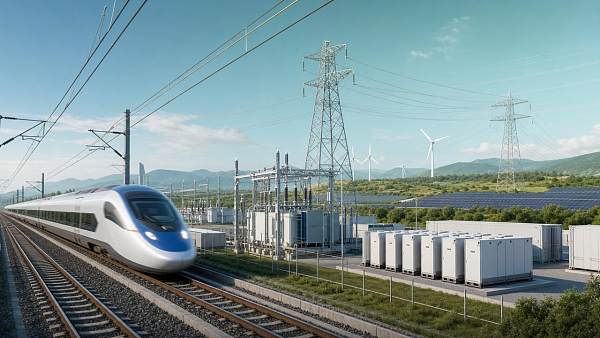
A utility scale traction power interface must support operational continuity under abnormal grid conditions.
This requirement changes the connection discussion from capacity alone to resilience, redundancy, and verified performance.
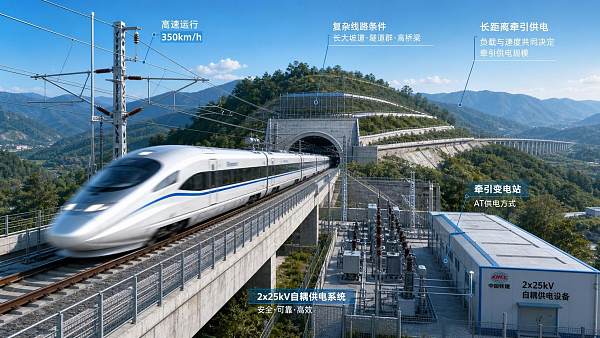
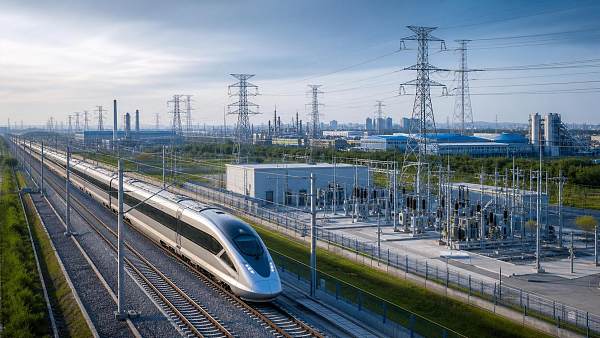
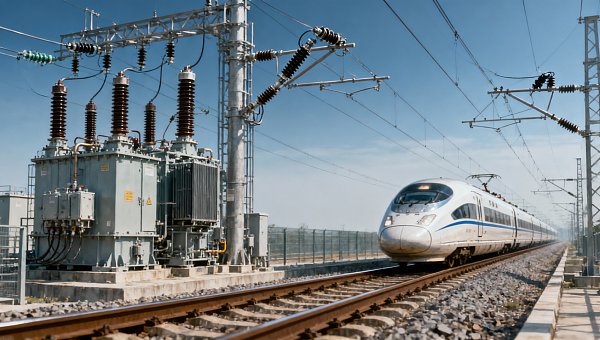
High-speed rail corridors may require multiple traction substations, autotransformer systems, and coordinated feeder arrangements.
Urban metro networks may add concentrated depot charging, ventilation loads, platform systems, and communication equipment.
Each element increases the importance of interface studies and staged energization planning.
Standards Turn Technical Assumptions Into Evidence
International rail projects rely on evidence-based compliance, not informal engineering confidence.
Standards such as IEC 62278, EN 50126, and ISO/TS 22163 shape reliability, safety, and quality expectations.
For utility scale interfaces, this means assumptions must be traceable, tested, and documented.
Grid models, fault studies, earthing analysis, and equipment certificates should align before final energization.
How Connection Delays Affect Business and Delivery
A utility scale delay rarely remains isolated within the electrical workstream.
It can influence civil sequencing, rolling stock testing, signaling validation, and revenue service readiness.
- Feasibility teams may need to redesign grid connection points or adopt staged capacity.
- Engineering teams may need additional harmonic studies and electromagnetic compatibility analysis.
- Commercial teams may face revised milestones, liquidated damages exposure, or financing condition changes.
- Operations teams may require temporary power strategies before full grid readiness.
The effect is strongest where multiple infrastructure packages depend on synchronized energization.
If traction power, signaling, communications, and depot systems cannot test together, commissioning efficiency falls.
This is why utility scale grid access now belongs at the center of project risk governance.
Key Focus Areas Before Committing to a Connection Strategy
Strong projects treat grid connection as a technical program, not a single application milestone.
The following priorities help reduce uncertainty before major capital commitments.
- Validate network capacity using realistic load profiles, not average annual assumptions.
- Map interconnection dependencies against civil works, equipment delivery, and testing windows.
- Confirm whether transmission upgrades are funded, permitted, and scheduled.
- Check protection coordination under normal, fault, and degraded operating conditions.
- Assess power quality impacts from traction converters, regenerative braking, and auxiliary systems.
- Align utility scale interface requirements with applicable rail safety and RAMS standards.
Early clarity also improves equipment selection.
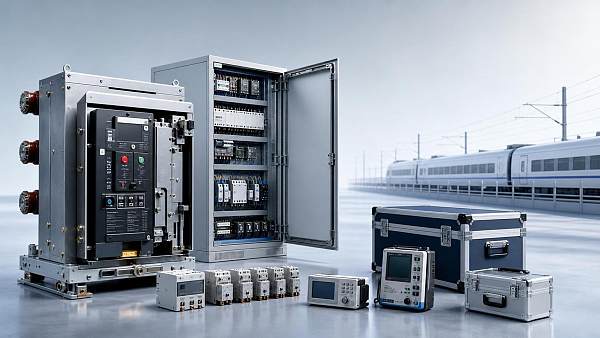
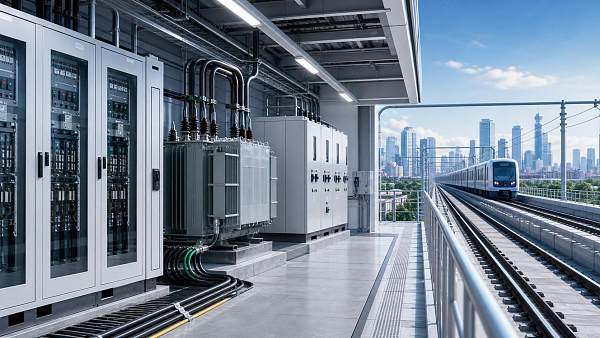
Transformers, switchgear, protection relays, static var compensators, and monitoring systems should match the verified network condition.
Practical Response Strategies for Future Projects
Connection difficulty cannot be eliminated, but it can be managed through disciplined planning.
The most effective response is to integrate grid intelligence into technical and commercial decisions from the beginning.
Digital tools are also becoming more important.
AI-assisted maintenance analytics, real-time substation monitoring, and asset health models can support higher connection confidence.
However, digital visibility cannot replace validated electrical design.
It works best when paired with reliable field data and disciplined configuration management.
What the Next Phase of Utility Scale Interconnection Will Require
The next phase will favor projects that prove grid readiness earlier.
Connection applications supported by credible models, standards alignment, and realistic schedules will carry lower delivery risk.
For rail and transit infrastructure, the strongest approach links traction power planning with system-wide interoperability.
This includes rolling stock characteristics, signaling availability, depot operations, and emergency power philosophy.
Utility scale projects will also need clearer carbon and resilience metrics.
A connection that supports decarbonization but weakens reliability will face increasing scrutiny.
The winning benchmark will be safe, compliant, flexible, and transparent grid integration.
Actionable Next Steps
Before advancing any utility scale connection, build a single evidence register for all interface assumptions.
Include grid capacity data, study requirements, protection logic, permitting status, equipment compliance, and commissioning dependencies.
Then test the project against three scenarios: ideal connection, delayed reinforcement, and constrained operating capacity.
This creates a practical basis for schedule planning, contract negotiation, and technical risk control.
Utility scale projects are hard to connect because modern infrastructure depends on more than megawatts.
They require synchronized engineering, grid transparency, regulatory alignment, and operational resilience.
For complex rail and transit programs, treating the grid interface as a strategic system is now essential.
Search News
Industry Portal
Hot Articles

Popular Tags
Recommended News
 Aug 10, 2026How Is Traction Power Sized for High Speed Rail Speed, Load, and Route Demands?Traction power for high speed rail starts with timetable, load, and route demands—not just top speed. Learn how engineers size substations, margins, and peak capacity for reliable performance.
 Jul 29, 2026Railway Circuit Breaker Wholesale: How Buyers Compare Suppliers, Specs, and CostRailway circuit breaker wholesale buyers compare more than price. Learn how to assess suppliers, certifications, specs, lead times, and total cost to choose reliable rail protection solutions.
![]() Jul 06, 2026How to Evaluate a Railway Transformer OEM: Certifications, Testing, and Supply CapacityRailway transformer OEM selection goes beyond price. Learn how to assess certifications, testing, and supply capacity to reduce project risk and choose a reliable partner.
Jul 06, 2026How to Evaluate a Railway Transformer OEM: Certifications, Testing, and Supply CapacityRailway transformer OEM selection goes beyond price. Learn how to assess certifications, testing, and supply capacity to reduce project risk and choose a reliable partner. Jul 05, 2026What to Check Before Comparing Traction Power Suppliers for Rail and Metro ProjectsTraction power suppliers should be compared on compliance, integration, reliability, and lifecycle cost—not price alone. Learn the key checks before selecting the right rail or metro partner.
 Jul 03, 2026How to Choose a Medical Air Compressor Supplier for Hospitals and Dental ClinicsMedical air compressor supplier selection starts with compliance, air purity, uptime, and service support. Learn how hospitals and dental clinics can reduce risk and choose with confidence.
 Jun 23, 2026DC Chargers Selection Guide: Power Levels, Connector Types, and Installation NeedsDC Chargers selection guide covering power levels, connector types, and installation needs. Learn how to match infrastructure, compliance, and uptime goals for smarter deployment.
 Jun 18, 2026High Speed Rail Power Demand 2026: Grid Load Drivers, Substation Needs, and Planning RisksHigh speed rail power demand 2026 is reshaping rail planning. Explore grid load drivers, substation bottlenecks, and key risks to avoid costly delays and underbuilt power capacity.
 Jun 14, 2026How to Select Industrial Pumps: Flow Rate, Head, Fluid Type, and Maintenance FactorsIndustrial pumps selection starts with the right duty point. Learn how flow rate, head, fluid type, and maintenance factors affect performance, cost, and supplier choice.
 Jun 10, 2026Radiators for Rail Power Systems: How to Compare Types, Capacity, and Maintenance NeedsRadiators for rail power systems compared: explore types, cooling capacity, and maintenance needs to choose reliable, cost-efficient solutions for demanding rail applications.
![]() Jun 09, 2026ESS for Rail Power Systems: Key Sizing Factors, Duty Cycles, and Integration LimitsESS for rail power systems: learn the key sizing factors, duty cycles, and integration limits that shape performance, lifecycle value, and smarter project decisions.
Jun 09, 2026ESS for Rail Power Systems: Key Sizing Factors, Duty Cycles, and Integration LimitsESS for rail power systems: learn the key sizing factors, duty cycles, and integration limits that shape performance, lifecycle value, and smarter project decisions. Jun 07, 2026EV Charging Sourcing Checklist: Supplier Capacity, Compliance, and Cost RisksEV Charging sourcing checklist for buyers: assess supplier capacity, certifications, and hidden lifecycle costs to reduce risk, protect delivery, and choose with confidence.
 Jun 01, 2026Why are utility scale projects hard to connect?Utility scale projects face grid bottlenecks, complex studies, permitting delays, and rail power risks. Learn how to reduce connection delays and protect delivery.
 Jun 01, 2026Do photovoltaic systems pay off after incentives drop?Photovoltaic systems can still deliver ROI after incentives drop—learn how costs, self-consumption, tariffs, and risk planning shape smarter solar investments.
 May 23, 2026What rail carbon neutrality means for future investmentRail carbon neutrality is reshaping future investment. Explore a practical checklist for lifecycle emissions, standards, energy efficiency, and resilient rail asset value.
 May 16, 2026Is rail carbon neutrality realistic without grid upgrades?Rail carbon neutrality sounds achievable, but without grid upgrades it often falls short. Discover the infrastructure, power, and strategy gaps shaping realistic rail decarbonization.
 May 03, 2026EPC rail contractors: the risk points hidden in turnkey bidsEPC rail contractors may make turnkey bids look simple, but hidden risks can drive major overruns. Discover the scope, compliance, interface, and lifecycle traps financial approvers must check.
 Apr 23, 2026Traction power failures rarely start where they appearTraction power failures rarely start where they appear—discover how rail standards, predictive maintenance, rolling stock, signaling systems, and track maintenance shape rail transit efficiency.
 Apr 23, 2026Traction power supply upgrades can expose legacy weak pointsTraction power supply upgrades can expose hidden risks across signaling systems, rolling stock, ETCS, CBTC, and track maintenance. Learn how predictive maintenance and rail standards improve rail transit efficiency.
 Apr 23, 2026Substation gear replacement can reveal upstream planning gapsSubstation gear replacement exposes gaps in traction power, rail regulatory frameworks, and rail standards. Learn how EPC contractors and procurement directors can improve rail transit efficiency, compliance, and carbon-neutral rail planning.
 Apr 23, 2026Traction power supply margins are shrinking on busy corridorsTraction power supply margins are shrinking on busy rail corridors. Explore rail standards, predictive maintenance, EPC contractor insights, and procurement strategies for resilient urban metro and high-speed rail systems.



Quarterly Executive Summaries Delivered Directly.
Join 50,000+ industry leaders who receive our proprietary market analysis and policy outlooks before they hit the public library.