

Substation gear replacement can reveal upstream planning gaps
Dr. Alistair Thorne
Time
Click Count
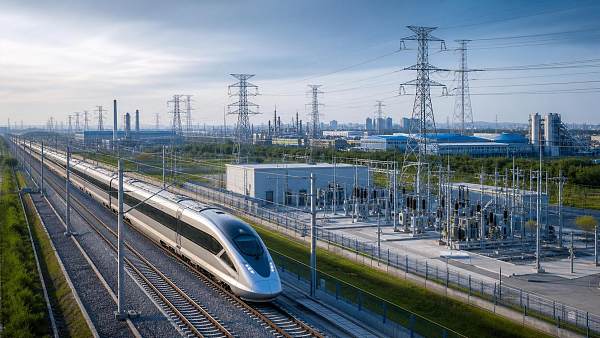
Substation gear replacement may seem like a routine upgrade, but it often exposes deeper weaknesses in traction power planning, rail regulatory compliance, and long-term asset strategy. For EPC contractors, rolling stock manufacturers, and rail procurement directors, these gaps can affect rail transit efficiency, carbon-neutral rail goals, and alignment with rail standards such as EN 50126 and IEC 62278 across high-speed rail, urban metro, and broader transit systems.
Why does substation gear replacement often uncover upstream planning gaps?
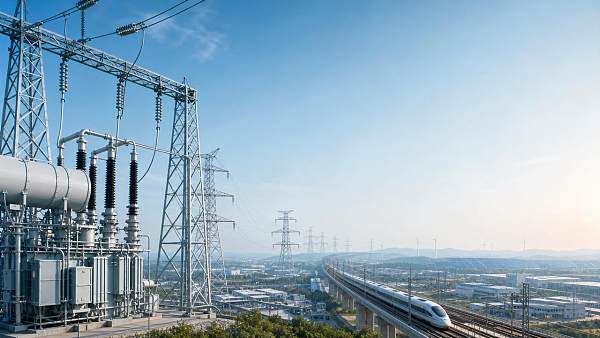
In rail traction power supply, substation gear replacement is rarely just a swap of aging switchgear, protection relays, transformers, or rectifier-related interfaces. Once engineering teams open the scope, they often find mismatches between original load assumptions, present ridership demand, rolling stock acceleration profiles, and current grid-side reliability expectations. What looked like an isolated equipment issue can quickly become a network planning issue.
This matters because traction power systems are long-life assets. A substation may operate within a planning window of 20–30 years, while rolling stock refresh cycles, signaling upgrades, and service-frequency changes can happen in 8–15 year intervals. If asset planning was done in silos, replacement works expose the disconnect between infrastructure design life and the operating reality of today’s railway or metro corridor.
For technical evaluators, the first red flag is usually not equipment age alone. It is the gap between installed electrical capacity and actual duty cycle. For commercial evaluators, the concern is different: why did a mid-life replacement trigger extra engineering scope, compliance reviews, and interface redesign that were not visible in the initial budget package?
G-RTI focuses on this exact blind spot. By benchmarking traction power supply decisions against broader rail system integrity, it helps project teams understand whether a gear replacement request is a maintenance event, a capacity bottleneck, or evidence of incomplete upstream planning across power, operations, and compliance.
Typical planning gaps revealed during replacement works
- Load forecasts were based on earlier timetable assumptions and do not reflect current headways, peak-hour density, or regenerative braking behavior.
- Protection coordination was designed for legacy architectures and no longer matches updated feeder layouts, SCADA integration, or fault-clearing requirements.
- Procurement packages treated substation gear as a component purchase rather than a system interface project involving rolling stock, depot power, and utility interconnection.
- Compliance files were incomplete, making EN 50126 lifecycle traceability and IEC-aligned verification more time-consuming during replacement.
What should technical and commercial teams assess before approving a replacement scope?
A robust replacement decision starts with separating symptom from root cause. Frequent tripping, thermal stress, contact wear, insulation aging, or obsolete spare parts may justify intervention, but they do not automatically define the correct scope. The key question is whether the existing substation gear is failing because of age, because of under-designed upstream planning, or because the rail network now operates under a different service model.
In practice, decision-makers should review at least 5 core dimensions: electrical load profile, fault level, interoperability with current automation systems, compliance documentation, and future capacity allowance. If only the first two are reviewed, the project may solve today’s failure mode but lock in tomorrow’s constraint. This is especially risky in urban metro upgrades where service expansion can occur within 2–4 timetable revisions.
The table below helps information researchers, engineering teams, and distributors align on what a serious rail substation gear replacement assessment should include before tendering. It is not a substitute for project-specific design review, but it is a practical screening tool for early-stage procurement and technical due diligence.
The practical takeaway is clear: rail substation gear replacement should be screened as a system decision, not only a hardware procurement action. When G-RTI supports benchmarking, it helps teams compare component-level needs against corridor-level operating reality, which is often where hidden project risk sits.
A fast 4-step screening process for procurement teams
- Confirm the operational trigger: fault frequency, obsolescence status, spare-part scarcity, or service expansion.
- Review system interfaces: rolling stock demand, substation topology, feeder configuration, and SCADA compatibility.
- Check compliance evidence: design assumptions, testing scope, hazard management, and lifecycle records.
- Model replacement options: like-for-like, uprated retrofit, staged modernization, or full substation redesign.
Where distributors and agents add value
Distributors and regional agents are often closest to delivery reality. They can flag lead-time risk, interface constraints, spare-part continuity, and local certification expectations early. In many projects, the commercial value is not simply finding available gear within 6–12 weeks, but identifying whether the selected package will trigger site rework, panel redesign, or delayed commissioning.
How do replacement strategies differ across high-speed rail, metro, and mixed transit networks?
Not all rail networks expose the same planning gap when substation gear is replaced. In high-speed rail, the issue is often tied to power quality, peak acceleration demand, and reliability under strict service continuity expectations. In urban metro systems, the pain point tends to be headway compression, depot expansion, and interface complexity with signaling, platform systems, and city utility constraints. Mixed transit corridors sit somewhere in between.
This is why a generic replacement template can mislead project owners. A package that works for a stable commuter corridor may not be suitable for a metro line preparing for 90-second to 120-second peak headways. Likewise, a like-for-like approach in a high-speed rail environment may fail to support revised redundancy or condition-monitoring requirements introduced since the original design.
The comparison below shows how application context changes the evaluation logic. For decision-makers managing cross-border tenders or multi-vendor packages, this comparison also helps clarify where local assumptions must be adjusted to international project expectations.
The strategic point is that application context changes both technical specification and commercial risk. G-RTI’s benchmarking approach is useful here because it links traction power supply choices to rolling stock behavior, network expansion plans, and regional regulatory pathways rather than treating the substation as an isolated box on a one-line diagram.
Scenario-specific risks to watch
- In metro projects, night possessions may only allow 3–5 hour work windows, which increases commissioning and interface risk.
- In high-speed rail corridors, even short outages can affect broader timetable resilience and maintenance possession planning.
- In legacy mixed networks, replacement packages often inherit undocumented modifications made over 10–20 years.
Why this matters for tender strategy
A technically narrow tender may attract lower initial pricing but generate more variation orders later. A broader package with explicit interface studies, testing scope, and compliance traceability can be easier to evaluate and safer to execute, especially when multiple suppliers and regional partners are involved.
Which standards and compliance checkpoints should not be missed?
When substation gear replacement reveals upstream planning gaps, compliance becomes more than a formal requirement. It becomes the framework for proving that the revised solution still supports safe, maintainable, and operationally coherent rail service. In rail projects, standards such as EN 50126 and IEC 62278 are relevant because they reinforce lifecycle thinking, risk management, and traceability across design, implementation, validation, and operation.
For procurement teams, a frequent mistake is to request conformity at product level but not at system level. A switchgear assembly may satisfy equipment standards, yet the replacement project can still fail to demonstrate acceptable system integration if hazard logs, interface assumptions, testing responsibilities, and change-control documents are weak. This is where technical and commercial evaluation must work together rather than in sequence.
The checklist below summarizes practical compliance checkpoints for rail substation gear replacement programs. It is especially relevant for international buyers comparing suppliers from different manufacturing bases while targeting European, American, or Middle Eastern project environments.
6 compliance checkpoints before final approval
- Lifecycle traceability: confirm that design changes, operating assumptions, and maintenance implications are recorded and reviewable.
- Hazard and risk review: verify that replacement does not introduce unassessed failure modes in feeder protection or remote operation.
- Interface management: document how the new gear connects with SCADA, signaling power dependencies, station loads, and utility feeds.
- Testing scope: define factory tests, site tests, commissioning steps, and criteria for energization approval.
- Maintenance readiness: confirm spare parts, manuals, training needs, and inspection intervals such as monthly checks or quarterly review cycles.
- Change control: ensure late-stage engineering changes are tied to formal technical review and commercial impact assessment.
For many buyers, the value of G-RTI lies in translating these checkpoints into procurement language. Instead of receiving only product claims, project teams can compare evidence structures, interface maturity, and alignment with internationally recognized rail engineering practices. That improves bid evaluation quality and reduces the risk of discovering compliance weaknesses during commissioning.
A practical document pack to request
At minimum, ask for single-line revisions, protection philosophy, calculation basis, interface list, testing matrix, and maintenance support plan. In medium-to-large projects, these 6 items often reveal more about delivery confidence than headline pricing alone. If any are missing, the replacement scope may still be at concept level rather than implementation-ready.
How can buyers reduce cost overruns and avoid the wrong replacement model?
Cost overruns in rail substation gear replacement usually come from one of three sources: hidden interface work, underestimated outage constraints, or under-scoped compliance activity. The problem is not always the equipment price. In many cases, site adaptation, cable rerouting, relay reconfiguration, or phased commissioning creates more budget pressure than the base hardware package. That is why commercial teams should compare total implementation pathways, not only unit cost.
A useful way to structure options is to compare like-for-like replacement, uprated retrofit, and staged modernization. Each model has a different capex profile, shutdown impact, and future-readiness level. For example, a lower-cost like-for-like solution may be reasonable if service patterns are stable for the next 5–8 years. It may be poor value if the line is already planned for frequency growth, depot expansion, or digital power monitoring upgrades.
The following table can support budget reviews and internal approval discussions by framing replacement strategy as a business case, not only an engineering action.
The right choice depends on service trajectory, compliance pressure, and supply chain timing. G-RTI supports this decision by connecting tender intelligence, technical benchmarking, and regional market visibility. For buyers comparing suppliers across Asia, Europe, and the Middle East, that broader view can help distinguish short-term savings from sound long-term asset strategy.
3 budget questions that should be asked early
- What part of the budget is true equipment cost, and what part is interface adaptation, testing, and commissioning?
- How many shutdown phases are needed, and what is the operational cost of each possession window?
- Will this replacement remain fit if service demand, fleet profile, or compliance requirements change within the next 3–5 years?
Common commercial misjudgment
The most common mistake is approving the cheapest technically acceptable bid without testing the maturity of its interface assumptions. A lower upfront figure can turn expensive if drawings are incomplete, protection settings must be reworked late, or local regulatory approval takes longer than expected.
FAQ: what do buyers, engineers, and market researchers ask most often?
How do we know whether the problem is equipment aging or poor traction power planning?
Start with event history and operating context. If failure patterns increased after timetable changes, fleet modifications, or depot expansion, the issue may be planning-related rather than purely age-related. Review at least 12 months of fault logs, peak-load behavior, and maintenance interventions. If the equipment is stressed mainly during service peaks or after network changes, upstream planning assumptions should be revalidated before finalizing replacement scope.
What is a realistic lead-time consideration for substation gear replacement?
Lead time depends on whether the project is standard replacement or interface-heavy modernization. Commercially, buyers often separate supply lead time from implementation lead time. Equipment supply may be one part, but engineering review, approvals, testing, and outage coordination can add several weeks or several months depending on network complexity. For this reason, planning should track at least 4 milestones: specification freeze, manufacturing release, site readiness, and commissioning window.
Which stakeholders should be involved before tender release?
At minimum, involve traction power engineers, operations planners, maintenance representatives, procurement, and compliance reviewers. In larger rail projects, include rolling stock interface experts and digital control specialists as well. A cross-functional review done 2–3 rounds before tender release can prevent missing requirements that later appear as change orders or technical disputes.
What are the most overlooked documents in evaluation?
Buyers often focus on datasheets and price schedules while overlooking protection philosophy, interface lists, change logs, and commissioning methodology. These documents reveal whether the supplier understands the real system context. If they are vague, the project may still be carrying unresolved planning gaps hidden behind acceptable equipment specifications.
Why work with G-RTI when evaluating substation gear replacement and upstream rail planning?
G-RTI is positioned for buyers who need more than fragmented product data. Our strength is linking traction power supply decisions with rolling stock requirements, standards alignment, project tender intelligence, and regional supply chain realities. That matters when a substation gear replacement appears simple on paper but actually affects reliability strategy, compliance exposure, and long-term network capacity.
For information researchers, we help turn scattered market inputs into a benchmarked view of what different project types require. For technical evaluation teams, we support structured comparison of replacement options against rail engineering logic and international standards language. For commercial evaluators, distributors, and agents, we clarify where cost, lead time, documentation quality, and interface maturity will influence the real project outcome.
You can contact G-RTI for targeted support on parameter confirmation, replacement strategy comparison, traction power supply benchmarking, expected delivery windows, compliance-document review, supplier-screening logic, and region-specific tender interpretation. If your project involves high-speed rail, metro, or mixed transit modernization, we can also help map replacement decisions against broader asset strategy and market access requirements.
If you are currently assessing substation gear replacement, bring your single-line diagram, operating scenario, target standards, and procurement timeline. We can help you identify the 3–5 decision points most likely to affect specification accuracy, implementation risk, and commercial value before you finalize the next tender or negotiation round.
Search News
Industry Portal
Hot Articles

Popular Tags
Recommended News
 Aug 10, 2026How Is Traction Power Sized for High Speed Rail Speed, Load, and Route Demands?Traction power for high speed rail starts with timetable, load, and route demands—not just top speed. Learn how engineers size substations, margins, and peak capacity for reliable performance.
 Jul 29, 2026Railway Circuit Breaker Wholesale: How Buyers Compare Suppliers, Specs, and CostRailway circuit breaker wholesale buyers compare more than price. Learn how to assess suppliers, certifications, specs, lead times, and total cost to choose reliable rail protection solutions.
![]() Jul 06, 2026How to Evaluate a Railway Transformer OEM: Certifications, Testing, and Supply CapacityRailway transformer OEM selection goes beyond price. Learn how to assess certifications, testing, and supply capacity to reduce project risk and choose a reliable partner.
Jul 06, 2026How to Evaluate a Railway Transformer OEM: Certifications, Testing, and Supply CapacityRailway transformer OEM selection goes beyond price. Learn how to assess certifications, testing, and supply capacity to reduce project risk and choose a reliable partner. Jul 05, 2026What to Check Before Comparing Traction Power Suppliers for Rail and Metro ProjectsTraction power suppliers should be compared on compliance, integration, reliability, and lifecycle cost—not price alone. Learn the key checks before selecting the right rail or metro partner.
 Jul 03, 2026How to Choose a Medical Air Compressor Supplier for Hospitals and Dental ClinicsMedical air compressor supplier selection starts with compliance, air purity, uptime, and service support. Learn how hospitals and dental clinics can reduce risk and choose with confidence.
 Jun 23, 2026DC Chargers Selection Guide: Power Levels, Connector Types, and Installation NeedsDC Chargers selection guide covering power levels, connector types, and installation needs. Learn how to match infrastructure, compliance, and uptime goals for smarter deployment.
 Jun 18, 2026High Speed Rail Power Demand 2026: Grid Load Drivers, Substation Needs, and Planning RisksHigh speed rail power demand 2026 is reshaping rail planning. Explore grid load drivers, substation bottlenecks, and key risks to avoid costly delays and underbuilt power capacity.
 Jun 14, 2026How to Select Industrial Pumps: Flow Rate, Head, Fluid Type, and Maintenance FactorsIndustrial pumps selection starts with the right duty point. Learn how flow rate, head, fluid type, and maintenance factors affect performance, cost, and supplier choice.
 Jun 10, 2026Radiators for Rail Power Systems: How to Compare Types, Capacity, and Maintenance NeedsRadiators for rail power systems compared: explore types, cooling capacity, and maintenance needs to choose reliable, cost-efficient solutions for demanding rail applications.
![]() Jun 09, 2026ESS for Rail Power Systems: Key Sizing Factors, Duty Cycles, and Integration LimitsESS for rail power systems: learn the key sizing factors, duty cycles, and integration limits that shape performance, lifecycle value, and smarter project decisions.
Jun 09, 2026ESS for Rail Power Systems: Key Sizing Factors, Duty Cycles, and Integration LimitsESS for rail power systems: learn the key sizing factors, duty cycles, and integration limits that shape performance, lifecycle value, and smarter project decisions. Jun 07, 2026EV Charging Sourcing Checklist: Supplier Capacity, Compliance, and Cost RisksEV Charging sourcing checklist for buyers: assess supplier capacity, certifications, and hidden lifecycle costs to reduce risk, protect delivery, and choose with confidence.
 Jun 01, 2026Why are utility scale projects hard to connect?Utility scale projects face grid bottlenecks, complex studies, permitting delays, and rail power risks. Learn how to reduce connection delays and protect delivery.
 Jun 01, 2026Do photovoltaic systems pay off after incentives drop?Photovoltaic systems can still deliver ROI after incentives drop—learn how costs, self-consumption, tariffs, and risk planning shape smarter solar investments.
 May 23, 2026What rail carbon neutrality means for future investmentRail carbon neutrality is reshaping future investment. Explore a practical checklist for lifecycle emissions, standards, energy efficiency, and resilient rail asset value.
 May 16, 2026Is rail carbon neutrality realistic without grid upgrades?Rail carbon neutrality sounds achievable, but without grid upgrades it often falls short. Discover the infrastructure, power, and strategy gaps shaping realistic rail decarbonization.
 May 03, 2026EPC rail contractors: the risk points hidden in turnkey bidsEPC rail contractors may make turnkey bids look simple, but hidden risks can drive major overruns. Discover the scope, compliance, interface, and lifecycle traps financial approvers must check.
 Apr 23, 2026Traction power failures rarely start where they appearTraction power failures rarely start where they appear—discover how rail standards, predictive maintenance, rolling stock, signaling systems, and track maintenance shape rail transit efficiency.
 Apr 23, 2026Traction power supply upgrades can expose legacy weak pointsTraction power supply upgrades can expose hidden risks across signaling systems, rolling stock, ETCS, CBTC, and track maintenance. Learn how predictive maintenance and rail standards improve rail transit efficiency.
 Apr 23, 2026Substation gear replacement can reveal upstream planning gapsSubstation gear replacement exposes gaps in traction power, rail regulatory frameworks, and rail standards. Learn how EPC contractors and procurement directors can improve rail transit efficiency, compliance, and carbon-neutral rail planning.
 Apr 23, 2026Traction power supply margins are shrinking on busy corridorsTraction power supply margins are shrinking on busy rail corridors. Explore rail standards, predictive maintenance, EPC contractor insights, and procurement strategies for resilient urban metro and high-speed rail systems.






Quarterly Executive Summaries Delivered Directly.
Join 50,000+ industry leaders who receive our proprietary market analysis and policy outlooks before they hit the public library.