

Traction power failures rarely start where they appear
Dr. Alistair Thorne
Time
Click Count
Traction power failures rarely begin at the visible fault point. Across high-speed rail, urban metro transit, and wider transit systems, root causes often hide in rolling stock interfaces, signaling systems, track maintenance gaps, or weak regulatory compliance. For EPC contractors, procurement directors, and technical evaluators, data transparency, predictive maintenance, and alignment with rail standards such as EN 50126, IEC 62278, and ISO/TS 22163 are essential to protect rail transit efficiency, carbon-neutral rail goals, and long-term infrastructure resilience.
That reality changes how rail infrastructure should be evaluated. A feeder station alarm, a substation trip, a catenary voltage fluctuation, or repeated breaker wear may look like isolated traction power issues, yet in many programs the initiating factor sits 1, 2, or even 3 system boundaries away. In practice, traction power reliability is a network outcome shaped by rolling stock behavior, track condition, signaling logic, maintenance maturity, and procurement discipline.
For information researchers, technical assessors, commercial evaluators, and distribution partners, the key question is no longer only how to fix a fault. It is how to identify the real failure path early enough to reduce downtime, protect life-cycle cost, and avoid poor sourcing decisions. This is especially critical in projects with 25 kV AC high-speed lines, 1.5 kV or 750 V DC metro systems, mixed fleets, and cross-border compliance demands.
Why visible traction power faults often mislead engineering teams
In rail transit, the visible fault point is usually where the system finally exceeds a threshold, not where degradation began. A traction transformer overheating event may be triggered by repeated harmonic stress from rolling stock converters. A neutral section incident may reflect poor interface management rather than a pure power supply defect. In urban metro environments with headways of 90–180 seconds, these hidden interactions become more severe because even small instability compounds quickly under frequent acceleration and braking cycles.
Technical teams often face a diagnostic trap: protection systems are designed to isolate the symptom fast, so data logs naturally point to the last component that reacted. However, in systems with 4–6 major technical layers—traction power supply, SCADA, signaling, rolling stock, track, and communications—the source of instability can migrate across interfaces. This is why repeat incidents at the same location do not automatically mean the same root cause.
A practical example is recurring substation breaker trips during peak service. The obvious assumption may be equipment aging, but investigation often finds a combined pattern: under-maintained return current paths, wheel-rail contamination, and train software updates changing load profiles. When 3 contributing variables align, the breaker appears to fail first, but it is only the endpoint of a broader system imbalance.
Common locations where root causes are hidden
For B2B decision-makers, the most useful approach is to map failure pathways instead of component blame. The table below shows where traction power problems frequently originate compared with where they usually appear in maintenance records.
The main takeaway is that visible traction power faults are often late indicators. For procurement and evaluation teams, this means specifications should include cross-system diagnostics, event correlation capacity, and interface accountability, not only standalone electrical ratings.
Three diagnostic mistakes that increase life-cycle risk
- Judging power assets mainly by nameplate capacity, while ignoring duty cycle, harmonics, and regenerative braking behavior.
- Treating signaling, rolling stock, and traction power data as separate records, which delays root-cause confirmation by days or weeks.
- Buying replacement parts quickly after repeated faults without checking installation quality, maintenance history, and compliance documentation.
For projects under strict availability targets such as 99.5% or above, these mistakes can turn a manageable reliability issue into a recurring commercial loss. Distributors and agents also face elevated warranty disputes when systems were not evaluated as an integrated operating environment.
The cross-system causes behind traction power instability
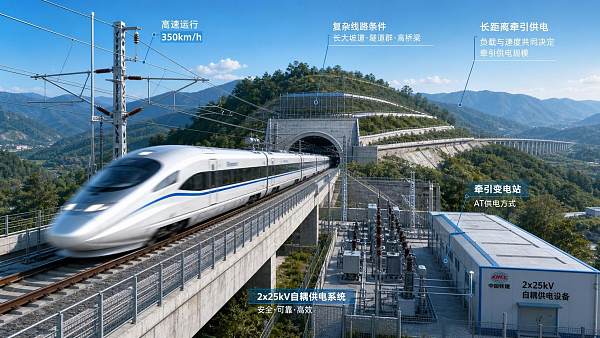
Traction power supply is deeply interconnected with other rail subsystems. In high-speed corridors, aerodynamic effects, pantograph uplift, and line speed above 250 km/h can amplify contact quality issues. In metro systems, dense stop-start operations, regenerative energy peaks, and tunnel environmental constraints create a different but equally complex stress profile. The result is that the same electrical symptom may emerge from very different engineering contexts.
Rolling stock is one of the most underestimated variables. Converter topology, traction motor demand patterns, software updates, and braking energy recovery can all alter the electrical environment. If fleet modernization introduces even a 10%–15% change in power behavior without updated substation modeling, existing equipment may remain compliant on paper while becoming unstable in operation.
Track infrastructure also matters. Poor rail bonding, drainage weakness, ballast contamination in open sections, or slab track alignment deviations can influence return current performance and current collection quality. These are not minor maintenance topics. Over a 12–24 month period, small degradation in track condition can produce measurable electrical side effects that technical teams may initially misread as pure traction power faults.
How subsystems influence traction power outcomes
The following comparison helps technical and commercial evaluators identify which subsystem interactions deserve priority during due diligence, tender review, and post-fault investigation.
This matrix shows why traction power should be reviewed as part of a systems engineering framework. Commercial teams evaluating suppliers should ask whether vendors can provide interface evidence, not just component brochures. That distinction often separates durable procurement from short-term replacement spending.
Priority checks during technical due diligence
- Review 6–12 months of event logs to identify repeated patterns rather than isolated alarms.
- Compare rolling stock operating profiles against substation design assumptions and protection settings.
- Inspect bonding, grounding, and return current continuity in high-stress zones such as tunnels, turnouts, and depot exits.
- Verify maintenance intervals for catenary, switchgear, transformers, and cable insulation systems.
- Confirm whether software changes in trains or SCADA triggered electrical behavior changes after commissioning.
A structured review like this can reduce misdiagnosis risk and improve procurement timing. Instead of replacing the same category of asset every 18–24 months, operators can direct budget toward the subsystem that actually drives instability.
Standards, data transparency, and predictive maintenance as decision tools
Standards are not only compliance documents; they are practical tools for reducing uncertainty. EN 50126 supports a life-cycle view of reliability, availability, maintainability, and safety. IEC 62278 helps structure system-level risk and functional performance considerations. ISO/TS 22163 strengthens quality management across rail supply chains. Together, these frameworks help procurement directors and EPC teams move from reactive buying to evidence-based decision-making.
Data transparency matters because many traction power issues remain invisible until they align with traffic peaks, weather conditions, or fleet updates. A well-run program should integrate electrical events, rolling stock logs, track inspection findings, and maintenance actions into a shared view. When incident evidence is fragmented across 4 different departments or software platforms, root-cause confirmation can take 2–5 times longer than necessary.
Predictive maintenance becomes valuable when it is tied to threshold logic and operating context. For example, a 3°C to 5°C trend rise in transformer temperature under comparable load may matter more than one single high reading. Similarly, repeated contact wire wear growth across 3 inspection cycles is more actionable than a one-time measurement taken after an incident. Good monitoring is not just more data; it is better correlation.
What evaluators should request from suppliers and integrators
The table below outlines practical evidence categories that improve decision quality during sourcing, benchmarking, and project review.
For distributors and agents, this kind of evidence also supports more credible market positioning. Instead of competing only on price or stock availability, channel partners can present traceable value through compliance familiarity, interface awareness, and technical response readiness.
Minimum data stack for meaningful predictive maintenance
- Electrical event logs with synchronized timestamps at substation, feeder, and protection levels.
- Rolling stock demand and braking behavior records for at least one representative operating cycle.
- Track and overhead line inspection results collected at fixed intervals such as every 30, 60, or 90 days.
- Maintenance work orders linked to failure codes, replacement history, and recurrence intervals.
Without these 4 layers of evidence, predictive maintenance tends to become a dashboard exercise rather than a real reliability tool. In large rail programs, a disciplined data model often brings more value than adding another isolated sensor package.
Procurement and implementation strategies that reduce hidden failure risk
Procurement decisions shape traction power performance long before the first train enters service. The most resilient projects define interface responsibilities early, test assumptions under realistic operating scenarios, and evaluate suppliers on maintainability as well as technical compliance. This is particularly important in international tenders where Asian manufacturing strengths must align with European, American, or Middle Eastern regulatory expectations.
A common commercial mistake is to compare equipment packages only by capex and nominal specifications. In reality, an offer with a 6–8 week shorter delivery lead may still create higher total cost if integration evidence is weak or spare parts governance is unclear. Procurement directors should also examine whether the supplier can support system benchmarking, not just factory acceptance.
Implementation discipline is equally important. Many recurring traction power issues are created during installation, testing, or handover phases. Cable routing errors, incomplete bonding records, undocumented parameter changes, and rushed acceptance windows can all push hidden problems into the operational phase. Once the line is live, the cost of finding those defects rises sharply.
Five procurement criteria with the highest practical value
- Interface compatibility: confirm rolling stock, power supply, and signaling assumptions are documented and tested together.
- Maintenance accessibility: review mean time to inspect, replace, or isolate key components during night windows of 2–4 hours.
- Compliance readiness: check documentation pathways for EN 50126, IEC 62278, ISO/TS 22163, and local authority requirements.
- Data availability: require fault logs, trend capture, and integration with maintenance systems rather than isolated alarms.
- Commercial resilience: assess spare parts lead time, local support coverage, and escalation procedures for critical incidents.
Implementation checkpoints from contract award to operation
A practical implementation roadmap usually works best in 4 stages. First, define system boundaries and interface ownership. Second, validate installation and test protocols before energization. Third, run integrated commissioning with realistic traffic and load patterns. Fourth, establish the first 6 months of enhanced monitoring after entry into service.
Technical evaluators should insist on documented thresholds for acceptance, including temperature rise limits, breaker response logic, insulation integrity, and communication timestamp consistency. Commercial teams should align these checkpoints with payment milestones. That approach reduces the risk of approving incomplete work that later appears as “unexpected” traction power failure.
For dealers, distributors, and agents, this implementation logic creates a stronger service offering. Instead of participating only in equipment supply, they can support spare planning, training coordination, and local fault escalation. In high-value rail projects, that service layer often becomes a major differentiator.
Frequently asked questions from technical and commercial teams
How can a buyer tell whether a traction power issue is really a system interface problem?
Look for repeat faults that appear under specific traffic conditions, fleet combinations, weather patterns, or timetable peaks. If alarms cluster around certain operating windows rather than random hardware aging, the issue may involve interfaces. Review at least 3 sources together: power event logs, rolling stock operational behavior, and track or OCS inspection results.
What is a reasonable review period for recurring fault analysis?
For stable metro systems, 3–6 months of data often reveals useful patterns. For high-speed or newly commissioned corridors, 6–12 months is usually more reliable because seasonal load, timetable changes, and component bedding-in effects can distort shorter samples. The goal is not a huge database, but enough repeatability to separate random incidents from structural causes.
Which metrics matter most during supplier comparison?
Beyond technical rating, buyers should compare maintenance interval assumptions, fault logging capability, spare part lead times, interface test evidence, and support response windows. For example, a spare lead time of 2 weeks versus 10 weeks can materially change fleet availability planning, especially when depots carry limited strategic stock.
Why do standards matter if the equipment already works in another market?
Because operational context changes performance. A component proven in one network may behave differently under different voltage systems, climate ranges, train density, tunnel environments, and authority requirements. Standards alignment provides a common engineering language for validation, acceptance, traceability, and life-cycle responsibility.
Traction power failures rarely start where they appear because rail systems do not fail as isolated boxes. They fail through interactions across power supply, rolling stock, track, signaling, maintenance practice, and compliance discipline. For procurement leaders, technical assessors, and channel partners, the most effective strategy is to combine system benchmarking, transparent operational data, standards-based evaluation, and practical implementation control.
G-RTI supports that decision process by connecting technical benchmarking with commercial insight across high-speed rail, urban metro, signaling, track infrastructure, and traction power supply. If you need support in evaluating suppliers, comparing project risks, or building a more reliable procurement framework, contact us to get a tailored solution, request deeper product and standards analysis, or explore more rail infrastructure intelligence options.
Search News
Industry Portal
Hot Articles

Popular Tags
- rail infrastructure
- urban metro transit
- traction power supply
- rail supply chain
- ISO/TS 22163
- IEC 62278
- EN 50126
- transit systems
- high-speed rail
- urban metro
- signaling systems
- CBTC
- ETCS
- track maintenance
- traction power
- rolling stock
- predictive maintenance
- EPC contractors
- rail standards
- carbon-neutral rail
- rail transit efficiency
Recommended News
 Aug 10, 2026How Is Traction Power Sized for High Speed Rail Speed, Load, and Route Demands?Traction power for high speed rail starts with timetable, load, and route demands—not just top speed. Learn how engineers size substations, margins, and peak capacity for reliable performance.
 Jul 29, 2026Railway Circuit Breaker Wholesale: How Buyers Compare Suppliers, Specs, and CostRailway circuit breaker wholesale buyers compare more than price. Learn how to assess suppliers, certifications, specs, lead times, and total cost to choose reliable rail protection solutions.
![]() Jul 06, 2026How to Evaluate a Railway Transformer OEM: Certifications, Testing, and Supply CapacityRailway transformer OEM selection goes beyond price. Learn how to assess certifications, testing, and supply capacity to reduce project risk and choose a reliable partner.
Jul 06, 2026How to Evaluate a Railway Transformer OEM: Certifications, Testing, and Supply CapacityRailway transformer OEM selection goes beyond price. Learn how to assess certifications, testing, and supply capacity to reduce project risk and choose a reliable partner. Jul 05, 2026What to Check Before Comparing Traction Power Suppliers for Rail and Metro ProjectsTraction power suppliers should be compared on compliance, integration, reliability, and lifecycle cost—not price alone. Learn the key checks before selecting the right rail or metro partner.
 Jul 03, 2026How to Choose a Medical Air Compressor Supplier for Hospitals and Dental ClinicsMedical air compressor supplier selection starts with compliance, air purity, uptime, and service support. Learn how hospitals and dental clinics can reduce risk and choose with confidence.
 Jun 23, 2026DC Chargers Selection Guide: Power Levels, Connector Types, and Installation NeedsDC Chargers selection guide covering power levels, connector types, and installation needs. Learn how to match infrastructure, compliance, and uptime goals for smarter deployment.
 Jun 18, 2026High Speed Rail Power Demand 2026: Grid Load Drivers, Substation Needs, and Planning RisksHigh speed rail power demand 2026 is reshaping rail planning. Explore grid load drivers, substation bottlenecks, and key risks to avoid costly delays and underbuilt power capacity.
 Jun 14, 2026How to Select Industrial Pumps: Flow Rate, Head, Fluid Type, and Maintenance FactorsIndustrial pumps selection starts with the right duty point. Learn how flow rate, head, fluid type, and maintenance factors affect performance, cost, and supplier choice.
 Jun 10, 2026Radiators for Rail Power Systems: How to Compare Types, Capacity, and Maintenance NeedsRadiators for rail power systems compared: explore types, cooling capacity, and maintenance needs to choose reliable, cost-efficient solutions for demanding rail applications.
![]() Jun 09, 2026ESS for Rail Power Systems: Key Sizing Factors, Duty Cycles, and Integration LimitsESS for rail power systems: learn the key sizing factors, duty cycles, and integration limits that shape performance, lifecycle value, and smarter project decisions.
Jun 09, 2026ESS for Rail Power Systems: Key Sizing Factors, Duty Cycles, and Integration LimitsESS for rail power systems: learn the key sizing factors, duty cycles, and integration limits that shape performance, lifecycle value, and smarter project decisions. Jun 07, 2026EV Charging Sourcing Checklist: Supplier Capacity, Compliance, and Cost RisksEV Charging sourcing checklist for buyers: assess supplier capacity, certifications, and hidden lifecycle costs to reduce risk, protect delivery, and choose with confidence.
 Jun 01, 2026Why are utility scale projects hard to connect?Utility scale projects face grid bottlenecks, complex studies, permitting delays, and rail power risks. Learn how to reduce connection delays and protect delivery.
 Jun 01, 2026Do photovoltaic systems pay off after incentives drop?Photovoltaic systems can still deliver ROI after incentives drop—learn how costs, self-consumption, tariffs, and risk planning shape smarter solar investments.
 May 23, 2026What rail carbon neutrality means for future investmentRail carbon neutrality is reshaping future investment. Explore a practical checklist for lifecycle emissions, standards, energy efficiency, and resilient rail asset value.
 May 16, 2026Is rail carbon neutrality realistic without grid upgrades?Rail carbon neutrality sounds achievable, but without grid upgrades it often falls short. Discover the infrastructure, power, and strategy gaps shaping realistic rail decarbonization.
 May 03, 2026EPC rail contractors: the risk points hidden in turnkey bidsEPC rail contractors may make turnkey bids look simple, but hidden risks can drive major overruns. Discover the scope, compliance, interface, and lifecycle traps financial approvers must check.
 Apr 23, 2026Traction power failures rarely start where they appearTraction power failures rarely start where they appear—discover how rail standards, predictive maintenance, rolling stock, signaling systems, and track maintenance shape rail transit efficiency.
 Apr 23, 2026Traction power supply upgrades can expose legacy weak pointsTraction power supply upgrades can expose hidden risks across signaling systems, rolling stock, ETCS, CBTC, and track maintenance. Learn how predictive maintenance and rail standards improve rail transit efficiency.
 Apr 23, 2026Substation gear replacement can reveal upstream planning gapsSubstation gear replacement exposes gaps in traction power, rail regulatory frameworks, and rail standards. Learn how EPC contractors and procurement directors can improve rail transit efficiency, compliance, and carbon-neutral rail planning.
 Apr 23, 2026Traction power supply margins are shrinking on busy corridorsTraction power supply margins are shrinking on busy rail corridors. Explore rail standards, predictive maintenance, EPC contractor insights, and procurement strategies for resilient urban metro and high-speed rail systems.


Quarterly Executive Summaries Delivered Directly.
Join 50,000+ industry leaders who receive our proprietary market analysis and policy outlooks before they hit the public library.