

Do photovoltaic systems pay off after incentives drop?
Dr. Alistair Thorne
Time
Click Count
Do Photovoltaic Systems Pay Off After Incentives Drop?
As subsidies decline and board-level scrutiny intensifies, the business case for photovoltaic systems must stand on measurable economics rather than policy support alone.
For infrastructure, transit facilities, and energy-intensive assets, the key issue is no longer whether solar is sustainable.
The practical question is whether photovoltaic systems can deliver predictable returns under tighter incentive regimes, higher financing discipline, and evolving grid rules.
The answer is still often yes, but only when projects are assessed through cost, load matching, risk, resilience, and lifecycle value.
Core economics of photovoltaic systems after subsidy reductions
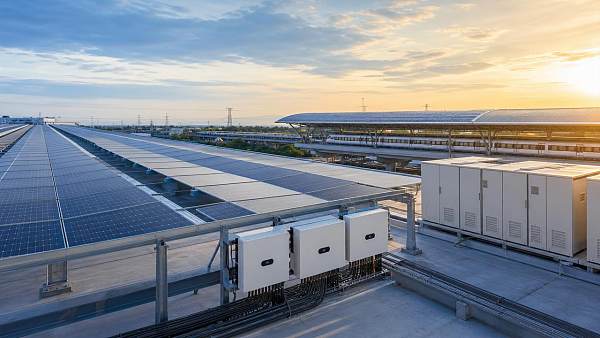
Photovoltaic systems convert solar radiation into electricity through modules, inverters, mounting structures, cabling, monitoring, and grid interconnection equipment.
Their economics depend on capital cost, local irradiation, electricity tariffs, operational profile, degradation, maintenance cost, and project financing terms.
When incentives fall, upfront rebates and production credits become less important within the total return calculation.
Instead, avoided electricity purchases, peak-demand reduction, hedging value, and long-term asset control become the primary financial drivers.
Modern photovoltaic systems benefit from lower module prices, improved inverter reliability, and stronger digital monitoring than earlier project generations.
These improvements partially offset incentive declines, especially where electricity prices remain high or volatile.
Payback is rarely universal. A warehouse roof, rail depot, metro station, and manufacturing plant will produce different financial outcomes.
The best-performing photovoltaic systems usually share one feature: strong alignment between daytime solar production and onsite consumption.
Industry signals affecting solar investment decisions
The investment environment has become more selective, but not less relevant for photovoltaic systems across industrial and public infrastructure assets.
Energy security, carbon accounting, tariff volatility, and electrification continue to support solar deployment even as direct subsidies decline.
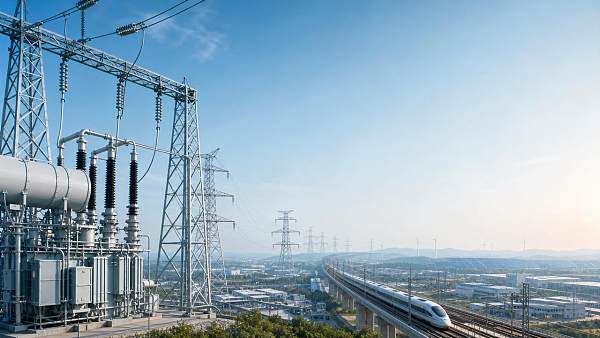
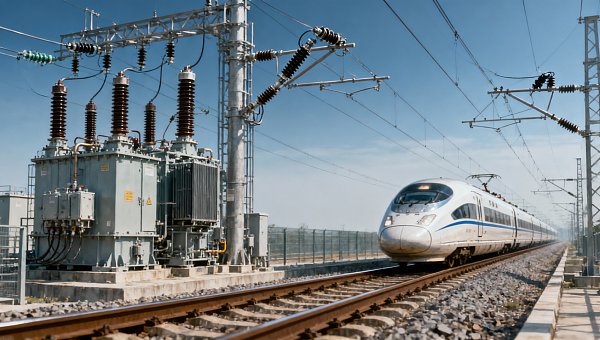
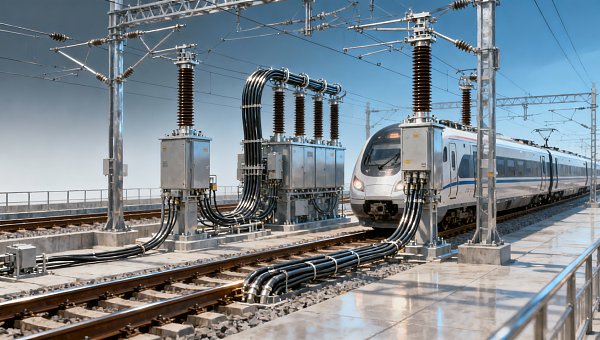
For rail and transit infrastructure, electricity use is structurally significant due to traction power, stations, depots, lighting, ventilation, and control systems.
Photovoltaic systems cannot replace the full traction load in most networks, but they can reduce facility-side consumption materially.
Solar can also support auxiliary systems, maintenance bases, signaling facilities, parking structures, administrative buildings, and emergency energy strategies.
Payback factors that matter most
The simple payback period for photovoltaic systems often ranges from several years to more than a decade.
That spread is normal because local energy economics differ sharply between regions, utility structures, and facility load profiles.
Capital expenditure and system design
Lower equipment prices help, but installed cost still depends on engineering complexity, roof condition, mounting method, electrical upgrades, and permitting.
Oversized photovoltaic systems may look attractive on paper, but weak self-consumption can reduce real returns.
Right-sized systems often outperform larger systems when export compensation is low or grid curtailment is likely.
Electricity tariff structure
Photovoltaic systems create the greatest value when solar generation offsets expensive daytime electricity.
Demand charges, time-of-use rates, standby fees, and export pricing can change the financial result substantially.
A project with modest incentives can still perform well if avoided electricity cost is high and predictable.
Operational durability
Photovoltaic systems are long-life assets, but their output declines gradually through module degradation and equipment aging.
Reliable inverters, clean installation practices, thermal management, and continuous monitoring preserve production over the asset lifecycle.
For critical infrastructure, performance assurance should be treated as an engineering requirement, not an after-sales detail.
Business value beyond direct incentives
Subsidy reductions expose weak projects, but they also clarify the wider value of photovoltaic systems.
The strongest cases combine financial return with resilience, emissions reduction, public accountability, and long-term energy planning.
- Cost hedging: photovoltaic systems reduce exposure to future tariff increases.
- Budget visibility: solar output can be forecast with reasonable confidence.
- Carbon reduction: onsite generation supports Scope 2 emissions strategies.
- Asset enhancement: solar-ready sites may gain operational and reputational value.
- Grid relief: distributed generation can ease local electrical stress during daylight periods.
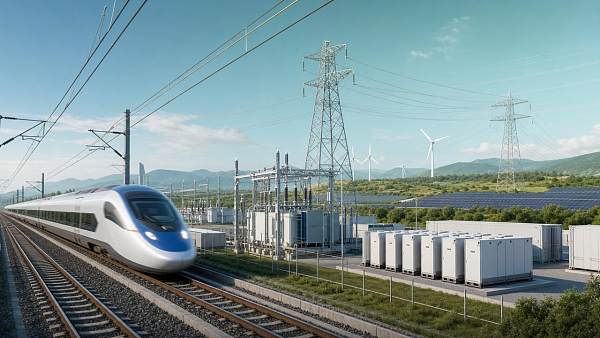
For transit-linked facilities, photovoltaic systems can complement regenerative braking, efficient lighting, battery storage, and digital energy management.
The result is not only lower energy cost, but a more transparent and controllable infrastructure energy profile.
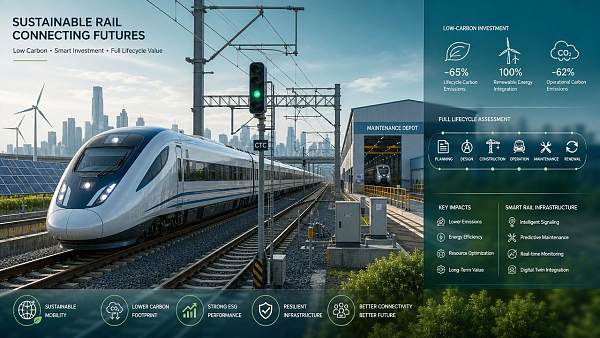
This matters where rail modernization, metro expansion, and station redevelopment must align with carbon-neutrality mandates.
Typical deployment scenarios and return profiles
Photovoltaic systems perform differently depending on surface availability, load stability, grid access, and maintenance practicality.
A realistic classification helps avoid comparing unlike projects or applying one payback benchmark everywhere.
Battery storage can improve the economics of photovoltaic systems where peak charges are high or backup value is material.
However, storage should not be added automatically. Its cost, cycling profile, safety requirements, and control strategy must be justified.
In some facilities, load shifting and energy management software may deliver better near-term returns than batteries.
Risk assessment before financial approval
After incentives drop, financial models must avoid optimistic assumptions that were once masked by policy support.
Every photovoltaic systems proposal should be tested against technical, commercial, regulatory, and operational risks.
- Validate irradiation data using recognized sources and conservative production assumptions.
- Confirm roof condition, remaining life, waterproofing risk, and load-bearing capacity.
- Review grid interconnection limits, export rules, metering requirements, and curtailment exposure.
- Model tariffs using current rates, sensitivity cases, and potential demand-charge changes.
- Assess inverter replacement, cleaning, inspection, insurance, and monitoring costs.
- Check warranties, performance guarantees, degradation rates, and supplier bankability.
A robust model should include base, downside, and upside cases for photovoltaic systems.
Sensitivity testing is especially important where interest rates, export compensation, or facility demand may change.
For regulated infrastructure, compliance with electrical safety, fire protection, access control, and operational continuity must be built into design.
Practical steps for stronger project outcomes
The post-incentive environment rewards disciplined project development. Photovoltaic systems should be planned as infrastructure assets, not isolated equipment purchases.
- Start with interval load data, not annual electricity bills alone.
- Prioritize self-consumption where export payments are weak.
- Coordinate solar design with roof maintenance and future facility expansion.
- Use monitoring platforms that detect faults quickly and verify output.
- Compare ownership, lease, and power purchase agreement structures carefully.
- Align photovoltaic systems with broader energy, resilience, and decarbonization plans.
Procurement should evaluate lifecycle performance, not simply lowest installed price.
A cheaper system can underperform if monitoring is weak, components are poorly matched, or maintenance access is difficult.
For complex assets, engineering due diligence should include single-line diagrams, protection coordination, cyber-secure monitoring, and emergency response procedures.
Conclusion: incentives matter, but they are no longer the whole case
Photovoltaic systems can still pay off after incentives drop, but the margin for weak planning is smaller.
Projects with high self-consumption, stable daytime loads, sound engineering, and disciplined cost control remain financially credible.
Projects depending mainly on generous export tariffs or optimistic production assumptions deserve closer review.
For infrastructure and transit-related facilities, photovoltaic systems offer added value through energy resilience, carbon transparency, and operating-cost visibility.
The most practical next step is a site-specific feasibility review using measured load data, tariff analysis, structural assessment, and conservative production modeling.
With that evidence, photovoltaic systems can be judged on real economics, not subsidy assumptions alone.
Search News
Industry Portal
Hot Articles

Popular Tags
Recommended News
 Aug 10, 2026How Is Traction Power Sized for High Speed Rail Speed, Load, and Route Demands?Traction power for high speed rail starts with timetable, load, and route demands—not just top speed. Learn how engineers size substations, margins, and peak capacity for reliable performance.
 Jul 29, 2026Railway Circuit Breaker Wholesale: How Buyers Compare Suppliers, Specs, and CostRailway circuit breaker wholesale buyers compare more than price. Learn how to assess suppliers, certifications, specs, lead times, and total cost to choose reliable rail protection solutions.
![]() Jul 06, 2026How to Evaluate a Railway Transformer OEM: Certifications, Testing, and Supply CapacityRailway transformer OEM selection goes beyond price. Learn how to assess certifications, testing, and supply capacity to reduce project risk and choose a reliable partner.
Jul 06, 2026How to Evaluate a Railway Transformer OEM: Certifications, Testing, and Supply CapacityRailway transformer OEM selection goes beyond price. Learn how to assess certifications, testing, and supply capacity to reduce project risk and choose a reliable partner. Jul 05, 2026What to Check Before Comparing Traction Power Suppliers for Rail and Metro ProjectsTraction power suppliers should be compared on compliance, integration, reliability, and lifecycle cost—not price alone. Learn the key checks before selecting the right rail or metro partner.
 Jul 03, 2026How to Choose a Medical Air Compressor Supplier for Hospitals and Dental ClinicsMedical air compressor supplier selection starts with compliance, air purity, uptime, and service support. Learn how hospitals and dental clinics can reduce risk and choose with confidence.
 Jun 23, 2026DC Chargers Selection Guide: Power Levels, Connector Types, and Installation NeedsDC Chargers selection guide covering power levels, connector types, and installation needs. Learn how to match infrastructure, compliance, and uptime goals for smarter deployment.
 Jun 18, 2026High Speed Rail Power Demand 2026: Grid Load Drivers, Substation Needs, and Planning RisksHigh speed rail power demand 2026 is reshaping rail planning. Explore grid load drivers, substation bottlenecks, and key risks to avoid costly delays and underbuilt power capacity.
 Jun 14, 2026How to Select Industrial Pumps: Flow Rate, Head, Fluid Type, and Maintenance FactorsIndustrial pumps selection starts with the right duty point. Learn how flow rate, head, fluid type, and maintenance factors affect performance, cost, and supplier choice.
 Jun 10, 2026Radiators for Rail Power Systems: How to Compare Types, Capacity, and Maintenance NeedsRadiators for rail power systems compared: explore types, cooling capacity, and maintenance needs to choose reliable, cost-efficient solutions for demanding rail applications.
![]() Jun 09, 2026ESS for Rail Power Systems: Key Sizing Factors, Duty Cycles, and Integration LimitsESS for rail power systems: learn the key sizing factors, duty cycles, and integration limits that shape performance, lifecycle value, and smarter project decisions.
Jun 09, 2026ESS for Rail Power Systems: Key Sizing Factors, Duty Cycles, and Integration LimitsESS for rail power systems: learn the key sizing factors, duty cycles, and integration limits that shape performance, lifecycle value, and smarter project decisions. Jun 07, 2026EV Charging Sourcing Checklist: Supplier Capacity, Compliance, and Cost RisksEV Charging sourcing checklist for buyers: assess supplier capacity, certifications, and hidden lifecycle costs to reduce risk, protect delivery, and choose with confidence.
 Jun 01, 2026Why are utility scale projects hard to connect?Utility scale projects face grid bottlenecks, complex studies, permitting delays, and rail power risks. Learn how to reduce connection delays and protect delivery.
 Jun 01, 2026Do photovoltaic systems pay off after incentives drop?Photovoltaic systems can still deliver ROI after incentives drop—learn how costs, self-consumption, tariffs, and risk planning shape smarter solar investments.
 May 23, 2026What rail carbon neutrality means for future investmentRail carbon neutrality is reshaping future investment. Explore a practical checklist for lifecycle emissions, standards, energy efficiency, and resilient rail asset value.
 May 16, 2026Is rail carbon neutrality realistic without grid upgrades?Rail carbon neutrality sounds achievable, but without grid upgrades it often falls short. Discover the infrastructure, power, and strategy gaps shaping realistic rail decarbonization.
 May 03, 2026EPC rail contractors: the risk points hidden in turnkey bidsEPC rail contractors may make turnkey bids look simple, but hidden risks can drive major overruns. Discover the scope, compliance, interface, and lifecycle traps financial approvers must check.
 Apr 23, 2026Traction power failures rarely start where they appearTraction power failures rarely start where they appear—discover how rail standards, predictive maintenance, rolling stock, signaling systems, and track maintenance shape rail transit efficiency.
 Apr 23, 2026Traction power supply upgrades can expose legacy weak pointsTraction power supply upgrades can expose hidden risks across signaling systems, rolling stock, ETCS, CBTC, and track maintenance. Learn how predictive maintenance and rail standards improve rail transit efficiency.
 Apr 23, 2026Substation gear replacement can reveal upstream planning gapsSubstation gear replacement exposes gaps in traction power, rail regulatory frameworks, and rail standards. Learn how EPC contractors and procurement directors can improve rail transit efficiency, compliance, and carbon-neutral rail planning.
 Apr 23, 2026Traction power supply margins are shrinking on busy corridorsTraction power supply margins are shrinking on busy rail corridors. Explore rail standards, predictive maintenance, EPC contractor insights, and procurement strategies for resilient urban metro and high-speed rail systems.



Quarterly Executive Summaries Delivered Directly.
Join 50,000+ industry leaders who receive our proprietary market analysis and policy outlooks before they hit the public library.