

What rail engineering integrity reveals about hidden risk
Dr. Alistair Thorne
Time
Click Count
What does rail engineering integrity reveal before failure becomes visible? It exposes weak links in design, inspection, maintenance, software control, and compliance evidence.
In rail systems, hidden risk rarely starts as a dramatic event. It begins with tolerance drift, incomplete traceability, delayed alarms, or misread service conditions.
That is why rail engineering integrity matters across the wider infrastructure economy. It connects safety, uptime, asset life, public trust, and project bankability.
Viewed correctly, rail engineering integrity is not only a technical score. It is an early-warning framework for judging where operational disruption may emerge next.
When operating conditions change, rail engineering integrity becomes a hidden risk lens
Different rail environments create different failure paths. High-speed corridors, urban metro lines, freight interfaces, and mixed legacy networks do not degrade in the same way.
A component that performs well in controlled testing may face thermal cycling, vibration, contamination, braking stress, or signaling interference in real service.
Rail engineering integrity reveals whether assurance remains valid after those real-world changes. This is where many hidden risks first become measurable.
The key question is not whether a system passed acceptance. The key question is whether its integrity evidence still reflects the present operating scenario.
In high-speed rail, small integrity deviations can scale into system-wide consequences
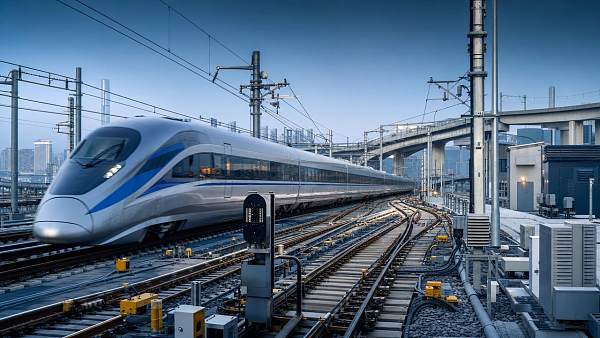
High-speed service compresses reaction time and increases the cost of small defects. Wheelset balance, bogie stability, traction response, and braking consistency become tightly linked.
In this scenario, rail engineering integrity often reveals hidden risk through trend deviation rather than visible damage. Data shifts may appear before material failure appears.
What to examine in high-speed applications
- Tolerance retention under sustained vibration and thermal load
- Consistency of traction motor behavior at peak speed ranges
- Signal quality between onboard control and trackside systems
- Maintenance records that confirm repeatable inspection quality
Where evidence is fragmented, rail engineering integrity weakens as a decision tool. That raises the risk of approving service readiness with incomplete assurance.
In urban metro systems, rail engineering integrity often exposes recurring maintenance blind spots
Metro networks face dense cycles, frequent braking, short dwell times, and limited maintenance windows. Hidden risk often comes from repetition, not from extreme speed.
Doors, power supply units, onboard communication modules, and track components may each pass checks individually. The combined service burden can still create failure clusters.
Rail engineering integrity helps identify whether recurring faults are random events or evidence of deeper process weakness. That distinction changes the corrective action.
Typical metro warning signs
- Repeated minor failures after recent maintenance work
- Inconsistent condition data between depots or lines
- Software resets treated as isolated incidents
- Asset life assumptions that no longer match service intensity
In metro operations, strong rail engineering integrity depends on disciplined feedback loops. Inspection, failure coding, root-cause review, and configuration control must stay connected.
In signaling and digital control, rail engineering integrity reveals risk beyond hardware condition
Modern rail assurance is no longer mechanical only. CBTC, ETCS, interlocking logic, cybersecurity exposure, and software updates shape hidden risk just as much as components do.
A healthy cabinet or sensor does not prove healthy system behavior. Rail engineering integrity must include data validity, interface discipline, version control, and recovery logic.
Key judgment points for digital integrity
- Traceability between software changes and field performance
- Alignment between safety cases and live configuration
- Quality of event logs during intermittent faults
- Validation of fail-safe behavior after updates or integration changes
This is where rail engineering integrity becomes especially valuable. It reveals whether hidden risk sits in the equipment, the interface, or the governance process.
In track and infrastructure assets, rail engineering integrity highlights slow-moving degradation
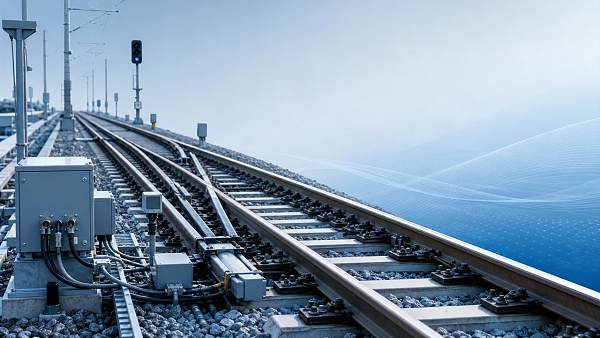
Track, turnout, fastening, slab, drainage, and overhead systems often degrade gradually. Because the decline is slow, hidden risk can be normalized by routine operations.
Rail engineering integrity reveals whether geometry deterioration, corrosion, foundation movement, or power instability is still within defendable limits.
This matters across the broader infrastructure sector because delayed detection drives higher repair cost, lower availability, and more disruptive intervention planning.
Slow degradation indicators worth tracking
- Repeat geometry corrections at the same location
- Drainage defects correlated with settlement or track stiffness changes
- Overhead line wear patterns that exceed modeled expectations
- Inspection findings without closure evidence
Different scenarios demand different rail engineering integrity evidence
The same keyword can lead to different priorities depending on service profile, asset criticality, regulatory exposure, and digital maturity.
This comparison shows why rail engineering integrity should never be reduced to a single inspection result. It must reflect scenario-specific exposure.
How to adapt rail engineering integrity reviews to real operating scenarios
A practical review model should connect technical evidence with service consequences. That means linking asset condition to punctuality, safety margin, maintainability, and compliance status.
- Rank assets by operational consequence, not only replacement cost
- Review whether maintenance intervals still fit current duty cycles
- Audit data continuity across sensors, manuals, and inspection reports
- Check alignment with ISO/TS 22163, IEC 62278, and EN 50126 evidence expectations
- Separate symptom closure from root-cause closure in reporting workflows
These actions strengthen rail engineering integrity because they reduce ambiguity. Better integrity evidence leads to better risk-based decisions before service impact appears.
Common misjudgments that weaken rail engineering integrity
Several avoidable mistakes allow hidden risk to remain invisible for too long. Most are not caused by one defective part alone.
- Assuming compliance documents prove present-day operating integrity
- Treating intermittent faults as low priority because they self-clear
- Separating digital assurance from mechanical assurance reviews
- Overlooking repeated minor defects across different depots or contractors
- Ignoring missing data because physical inspections seem satisfactory
Each mistake reduces the value of rail engineering integrity as a predictive tool. Integrity should reveal hidden risk early, not confirm it after disruption.
The next step is to turn rail engineering integrity into a decision routine
The strongest organizations do not review integrity only after incidents. They build periodic scenario-based checks into engineering governance and operational planning.
A useful starting point is to map critical assets, compare live conditions with original assumptions, and identify where evidence quality is weakest.
From there, rail engineering integrity can guide targeted audits, maintenance redesign, supplier verification, and digital traceability improvements.
When integrity is treated as a living benchmark, hidden risk becomes easier to detect, explain, and reduce before it becomes a public failure.
Search News
Industry Portal
Hot Articles

Popular Tags
Recommended News
 Oct 05, 2026How to Read Rolling Stock Technical Specifications Before Fleet ProcurementTechnical specifications guide smarter rolling stock procurement. Learn to assess traction, braking, availability, interfaces, and lifecycle risk before choosing a fleet.
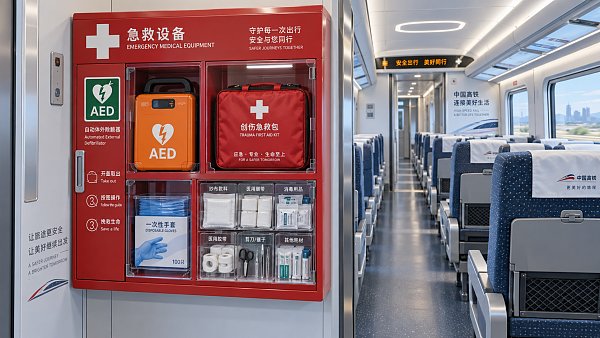
 Oct 02, 2026Emergency Medical Equipment on Passenger Trains: What Should Safety Managers Specify?Emergency medical equipment for passenger trains: learn how safety managers can specify AEDs, first-aid kits, access, compliance, and maintenance for reliable readiness.
 Sep 26, 2026How to Select Auto Body Parts That Match Vehicle Fitment, Safety, and Repair QualityAuto body parts selection guide: match fitment, safety, materials, and repair quality to reduce rework, protect vehicle performance, and choose confidently.
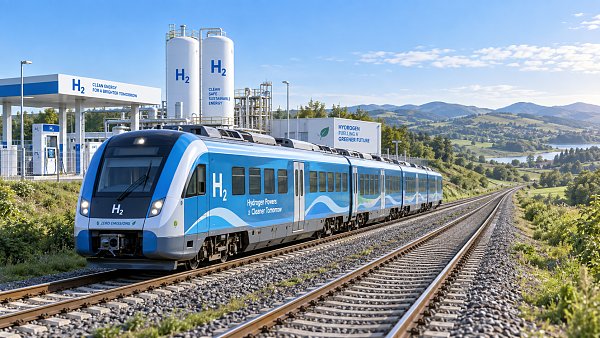
 Sep 19, 2026Can Hydrogen Trains Replace Diesel on Non-Electrified High-Speed Rail Routes?Impact of hydrogen trains on HSR: discover where hydrogen can replace diesel, when electrification wins, and how rail leaders can assess cost, range, and emissions.
 Aug 02, 2026How to Specify Sheet Metal for Rail Equipment: Thickness, Finish, and FormabilitySheet metal specification for rail equipment starts with function. Learn how to choose the right thickness, finish, and formability to improve durability, manufacturability, and lifecycle performance.
 Jul 21, 2026What Is a BMS in Rail Systems and How Does It Improve Battery Safety and Performance?BMS in rail systems improves battery safety, uptime, and performance by monitoring cells, preventing faults, and optimizing lifecycle value. Learn what to check before selecting one.
 Jul 12, 2026Rail Specification Support for Retrofit: What to Review Before Fleet ModernizationRail specification support for retrofit starts with interfaces, compliance, and lifecycle risk. Learn what to review before fleet modernization to avoid costly delays and weak supplier choices.
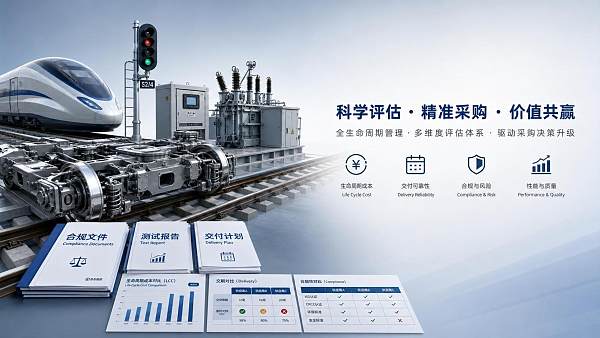
 Jul 12, 2026Rail Procurement Directors Guide: How to Compare Lifecycle Cost, Lead Time, and ComplianceRail procurement directors guide to comparing lifecycle cost, lead time, and compliance. Learn how to reduce sourcing risk, benchmark suppliers, and make faster, standards-aligned rail buying decisions.
 Jul 11, 2026Machinery Procurement Checklist: How to Compare Capacity, Downtime Risk, and Lifecycle CostMachinery procurement checklist: compare real capacity, downtime risk, and lifecycle cost to choose equipment that cuts hidden costs, improves reliability, and supports smarter buying decisions.
 Jul 02, 2026Rail Asian Manufacturing: Key Supply Chain Trends and Sourcing Risks to WatchRail Asian manufacturing trends are reshaping global sourcing. Discover key supply chain risks, compliance challenges, and smart sourcing insights for rail buyers.
 Jun 29, 2026Train Toilet Modules Wholesale: What Buyers Should Check Before Comparing SuppliersTrain toilet modules wholesale buyers should compare compliance, lifecycle cost, maintenance access, and delivery reliability—not just price. Learn what to check before choosing suppliers.
 Jun 28, 2026Powertrain Systems Selection Guide: Key Performance Metrics for Rail VehiclesPowertrain systems selection for rail vehicles starts with the metrics that matter most. Explore performance, efficiency, reliability, and lifecycle risk to make smarter fleet decisions.
 Jun 25, 2026What Carbon Fiber Is Used for in Rail Components: Strength, Weight, and Design Trade-OffsCarbon fiber in rail components delivers lighter weight, corrosion resistance, and design flexibility. Explore where it outperforms metal, key trade-offs, and best-fit rail applications.
 Jun 25, 2026Rail Tier-1 Suppliers Explained: Selection Criteria, Qualification, and Supply Chain RisksRail Tier-1 suppliers are critical to rail project success. Learn how to assess qualification, technical fit, lifecycle support, and supply chain risks to make smarter sourcing decisions.
 Jun 11, 2026HSR Decarbonization Trends: What Is Driving Energy, Materials, and Fleet Upgrades?HSR decarbonization trends are reshaping high-speed rail investment through energy systems, lightweight materials, and fleet upgrades. Discover what is driving faster, smarter, lower-carbon decisions.
 Jun 08, 2026Impact of Hydrogen Trains on HSR: Capacity, Range, and Infrastructure Trade-OffsImpact of hydrogen trains on HSR: explore capacity, range, and infrastructure trade-offs to see where hydrogen fits—and where electrified or hybrid rail may deliver better value.
 Jun 03, 2026IRIS Certification Standards in Rail: Audit Scope and Supplier Readinessiris certification standards rail guidance for audit scope, supplier readiness, ISO/TS 22163 alignment, and practical steps to reduce risk and win rail tenders.
 May 28, 2026Is rail Asian manufacturing still the low cost choiceRail Asian manufacturing is no longer just about low prices. Compare cost, compliance, lead times, and supply chain risk to find the best-value sourcing strategy.
 May 27, 2026When rail global mobility becomes a real fleet planning issueRail global mobility is now a core fleet planning challenge. Discover a practical checklist to assess interoperability, lifecycle cost, compliance, and readiness before procurement decisions lock in risk.
 May 24, 2026How to compare rail Tier-1 suppliers without missing key risksRail Tier-1 suppliers should be compared beyond price. Learn a practical risk-based framework to assess compliance, supply resilience, service support, and lifecycle value.
 May 23, 2026What rail engineering integrity reveals about hidden riskRail engineering integrity reveals hidden risk before failure appears—across design, maintenance, signaling, and infrastructure. Learn how to spot weak links early and protect safety, uptime, and asset value.
 May 22, 2026Why rail Asian manufacturing is reshaping supply riskRail Asian manufacturing is reshaping rail supply risk with stronger compliance, lifecycle support, and faster delivery. See why transit buyers are rethinking sourcing now.
 May 21, 2026How to compare rail Tier-1 suppliers without missing riskRail Tier-1 suppliers can look equal on paper, but hidden risk drives cost and delay. Learn a practical framework to compare certification, resilience, reliability, and lifecycle support.
 May 20, 2026What rail market analysis says about demand shifts nowRail market analysis reveals how demand is shifting toward compliant, lifecycle-efficient rail solutions. Explore key segments, buyer priorities, and growth opportunities for distributors now.
















Quarterly Executive Summaries Delivered Directly.
Join 50,000+ industry leaders who receive our proprietary market analysis and policy outlooks before they hit the public library.