

Why rail Asian manufacturing is reshaping sourcing risk
Dr. Alistair Thorne
Time
Click Count
As procurement teams face rising geopolitical pressure, compliance demands, and supply chain volatility, rail Asian manufacturing is emerging as a strategic lever for reducing sourcing risk.
From certified component quality to faster project delivery and regulatory alignment, sourcing decisions now depend on verified technical and commercial intelligence, not price alone.
For rail and transit programs, the question is no longer whether Asian supply matters. The question is how rail Asian manufacturing can be evaluated, qualified, and integrated with lower exposure.
What rail Asian manufacturing means in today’s sourcing environment
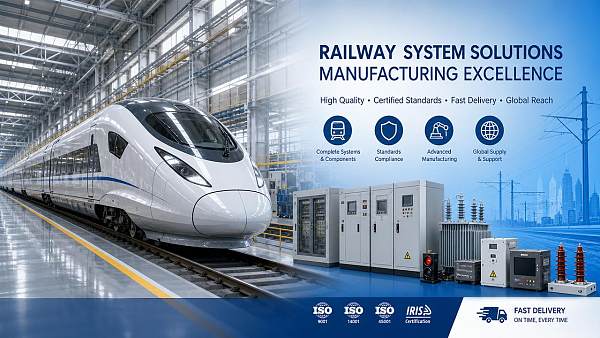
Rail Asian manufacturing refers to the production ecosystem supporting rolling stock, signaling, track systems, traction power, and maintenance technologies across major Asian industrial bases.
It includes OEMs, subsystem specialists, component suppliers, software providers, testing laboratories, and certification-ready factories serving domestic and export rail markets.
Its relevance has expanded because global rail projects increasingly require scale, technical depth, cost discipline, and multi-standard compliance at the same time.
In this context, rail Asian manufacturing is not a low-cost alternative. It is a strategic sourcing channel with growing influence on risk allocation.
Core supply segments
- High-speed rail systems and propulsion assemblies
- Urban metro vehicles, doors, HVAC, and interior modules
- CBTC, ETCS, onboard communication, and control electronics
- Track components, fastening systems, and maintenance machinery
- Traction power equipment, substations, and monitoring platforms
Why sourcing risk is being redefined across the rail industry
Rail procurement risk used to focus on price overruns and delayed shipments. Today, the risk map is broader and technically more demanding.
Projects now face export controls, local content rules, cybersecurity obligations, and stricter safety validation across every subsystem.
At the same time, urbanization and decarbonization are accelerating demand for faster transit deployment, stretching traditional supplier networks.
Key risk signals shaping current decisions
How rail Asian manufacturing reduces sourcing exposure
The strongest benefit is optionality. A broader supplier base reduces dependence on single-region bottlenecks and improves negotiation flexibility.
Another advantage is industrial maturity. Many facilities now operate with IRIS, ISO/TS 22163, IEC, and EN-aligned quality systems.
This matters because rail sourcing risk often appears in documentation gaps, inconsistent traceability, and poor interface control between suppliers.
Where rail Asian manufacturing is benchmarked correctly, buyers gain clearer visibility into design control, testing records, process capability, and delivery resilience.
Risk reduction mechanisms
- Dual-source or multi-source qualification across critical components
- Shorter lead times through concentrated industrial ecosystems
- Better cost predictability from mature supply chain tiers
- More testing and certification readiness for export programs
- Improved engineering support for customization and retrofits
The result is not risk elimination. It is risk redistribution toward controllable, measurable, and auditable factors.
The compliance layer behind dependable supplier selection
Sourcing from Asia succeeds when compliance assessment goes beyond certificates posted on a website.
Rail projects need evidence of production consistency, change management, lifecycle safety, and integration with target market requirements.
That includes alignment with standards such as ISO/TS 22163, IEC 62278, EN 50126, welding requirements, fire safety, and cybersecurity expectations.
Evaluation areas that should not be skipped
- Factory process control and nonconformance handling
- Material traceability and supplier tier transparency
- Validation records for fatigue, vibration, EMC, and reliability
- Software assurance for signaling and digital maintenance tools
- Localization capability for documentation, approvals, and after-sales support
When these checks are documented early, rail Asian manufacturing becomes easier to compare with European, American, and Middle Eastern tender expectations.
Where the business value is most visible
The commercial value of rail Asian manufacturing is strongest where projects combine scale, schedule pressure, and technical complexity.
This includes new lines, fleet expansion, life-extension programs, and digital upgrades requiring mixed sourcing across hardware and software.
Representative application scenarios
Across these cases, the value is practical: more supply flexibility, stronger tender responsiveness, and better alignment between budget and performance targets.
Practical guidance for lower-risk implementation
Using rail Asian manufacturing effectively requires a disciplined qualification model, not ad hoc vendor comparison.
A structured approach should combine technical benchmarks, commercial health checks, and route-to-market validation.
Recommended actions
- Map critical components by failure impact and replacement difficulty
- Prequalify suppliers using plant audits and sample validation
- Review export market references, not only domestic project history
- Test document completeness before tender submission deadlines
- Build contingency plans for logistics, sanctions, and redesign events
- Track lifecycle service support, spare parts coverage, and software updates
It is also wise to separate commodity savings from strategic resilience. The cheapest quote may increase downstream certification or integration costs.
Likewise, the best technical supplier may still create risk if documentation discipline or after-sales responsiveness is weak.
A more resilient path for global rail sourcing
Rail Asian manufacturing is reshaping sourcing risk because the market now rewards verified capability, production depth, and compliance adaptability.
For rail and transit projects, resilience comes from knowing which suppliers can meet safety, interface, schedule, and localization demands simultaneously.
That requires benchmarked intelligence across HSR systems, urban transit, signaling, track infrastructure, and traction power supply.
A practical next step is to compare rail Asian manufacturing sources by certification maturity, subsystem performance, export references, and tender readiness before commitment.
With that discipline, sourcing shifts from reactive cost control to a more reliable strategy for global mobility delivery.
Search News
Industry Portal
Hot Articles
Popular Tags
Recommended News
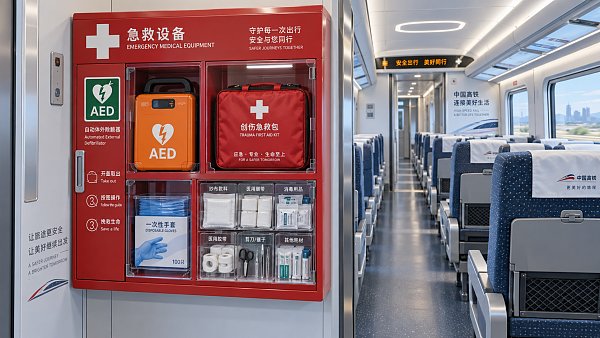
 Oct 02, 2026Emergency Medical Equipment on Passenger Trains: What Should Safety Managers Specify?Emergency medical equipment for passenger trains: learn how safety managers can specify AEDs, first-aid kits, access, compliance, and maintenance for reliable readiness.
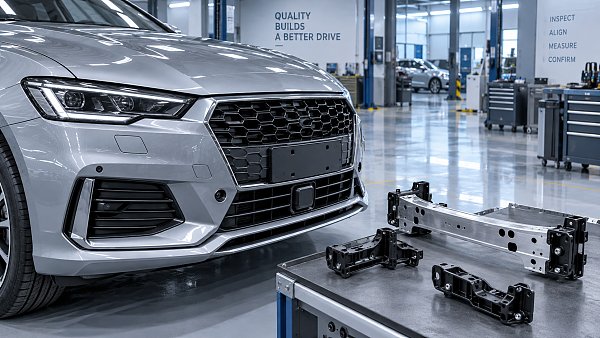
 Sep 26, 2026How to Select Auto Body Parts That Match Vehicle Fitment, Safety, and Repair QualityAuto body parts selection guide: match fitment, safety, materials, and repair quality to reduce rework, protect vehicle performance, and choose confidently.
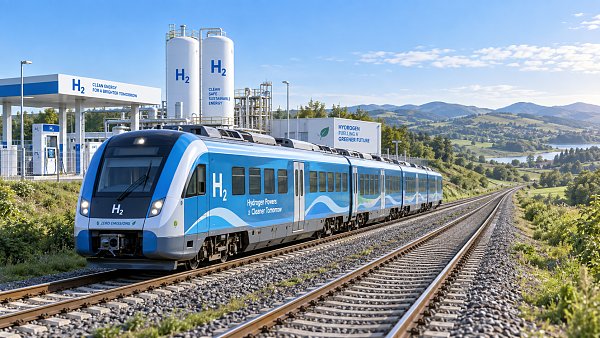
 Sep 19, 2026Can Hydrogen Trains Replace Diesel on Non-Electrified High-Speed Rail Routes?Impact of hydrogen trains on HSR: discover where hydrogen can replace diesel, when electrification wins, and how rail leaders can assess cost, range, and emissions.
 Aug 02, 2026How to Specify Sheet Metal for Rail Equipment: Thickness, Finish, and FormabilitySheet metal specification for rail equipment starts with function. Learn how to choose the right thickness, finish, and formability to improve durability, manufacturability, and lifecycle performance.
 Jul 21, 2026What Is a BMS in Rail Systems and How Does It Improve Battery Safety and Performance?BMS in rail systems improves battery safety, uptime, and performance by monitoring cells, preventing faults, and optimizing lifecycle value. Learn what to check before selecting one.
 Jul 12, 2026Rail Specification Support for Retrofit: What to Review Before Fleet ModernizationRail specification support for retrofit starts with interfaces, compliance, and lifecycle risk. Learn what to review before fleet modernization to avoid costly delays and weak supplier choices.
 Jul 12, 2026Rail Procurement Directors Guide: How to Compare Lifecycle Cost, Lead Time, and ComplianceRail procurement directors guide to comparing lifecycle cost, lead time, and compliance. Learn how to reduce sourcing risk, benchmark suppliers, and make faster, standards-aligned rail buying decisions.
 Jul 11, 2026Machinery Procurement Checklist: How to Compare Capacity, Downtime Risk, and Lifecycle CostMachinery procurement checklist: compare real capacity, downtime risk, and lifecycle cost to choose equipment that cuts hidden costs, improves reliability, and supports smarter buying decisions.
 Jul 02, 2026Rail Asian Manufacturing: Key Supply Chain Trends and Sourcing Risks to WatchRail Asian manufacturing trends are reshaping global sourcing. Discover key supply chain risks, compliance challenges, and smart sourcing insights for rail buyers.
 Jun 29, 2026Train Toilet Modules Wholesale: What Buyers Should Check Before Comparing SuppliersTrain toilet modules wholesale buyers should compare compliance, lifecycle cost, maintenance access, and delivery reliability—not just price. Learn what to check before choosing suppliers.
 Jun 28, 2026Powertrain Systems Selection Guide: Key Performance Metrics for Rail VehiclesPowertrain systems selection for rail vehicles starts with the metrics that matter most. Explore performance, efficiency, reliability, and lifecycle risk to make smarter fleet decisions.
 Jun 25, 2026What Carbon Fiber Is Used for in Rail Components: Strength, Weight, and Design Trade-OffsCarbon fiber in rail components delivers lighter weight, corrosion resistance, and design flexibility. Explore where it outperforms metal, key trade-offs, and best-fit rail applications.
 Jun 25, 2026Rail Tier-1 Suppliers Explained: Selection Criteria, Qualification, and Supply Chain RisksRail Tier-1 suppliers are critical to rail project success. Learn how to assess qualification, technical fit, lifecycle support, and supply chain risks to make smarter sourcing decisions.
 Jun 11, 2026HSR Decarbonization Trends: What Is Driving Energy, Materials, and Fleet Upgrades?HSR decarbonization trends are reshaping high-speed rail investment through energy systems, lightweight materials, and fleet upgrades. Discover what is driving faster, smarter, lower-carbon decisions.
 Jun 08, 2026Impact of Hydrogen Trains on HSR: Capacity, Range, and Infrastructure Trade-OffsImpact of hydrogen trains on HSR: explore capacity, range, and infrastructure trade-offs to see where hydrogen fits—and where electrified or hybrid rail may deliver better value.
 Jun 03, 2026IRIS Certification Standards in Rail: Audit Scope and Supplier Readinessiris certification standards rail guidance for audit scope, supplier readiness, ISO/TS 22163 alignment, and practical steps to reduce risk and win rail tenders.
 May 28, 2026Is rail Asian manufacturing still the low cost choiceRail Asian manufacturing is no longer just about low prices. Compare cost, compliance, lead times, and supply chain risk to find the best-value sourcing strategy.
 May 27, 2026When rail global mobility becomes a real fleet planning issueRail global mobility is now a core fleet planning challenge. Discover a practical checklist to assess interoperability, lifecycle cost, compliance, and readiness before procurement decisions lock in risk.
 May 24, 2026How to compare rail Tier-1 suppliers without missing key risksRail Tier-1 suppliers should be compared beyond price. Learn a practical risk-based framework to assess compliance, supply resilience, service support, and lifecycle value.
 May 23, 2026What rail engineering integrity reveals about hidden riskRail engineering integrity reveals hidden risk before failure appears—across design, maintenance, signaling, and infrastructure. Learn how to spot weak links early and protect safety, uptime, and asset value.
 May 22, 2026Why rail Asian manufacturing is reshaping supply riskRail Asian manufacturing is reshaping rail supply risk with stronger compliance, lifecycle support, and faster delivery. See why transit buyers are rethinking sourcing now.
 May 21, 2026How to compare rail Tier-1 suppliers without missing riskRail Tier-1 suppliers can look equal on paper, but hidden risk drives cost and delay. Learn a practical framework to compare certification, resilience, reliability, and lifecycle support.
 May 20, 2026What rail market analysis says about demand shifts nowRail market analysis reveals how demand is shifting toward compliant, lifecycle-efficient rail solutions. Explore key segments, buyer priorities, and growth opportunities for distributors now.
 May 19, 2026Why rail Asian manufacturing is winning more contractsRail Asian manufacturing is winning more contracts through faster delivery, stronger compliance, and reliable engineering. See what smart procurement teams should evaluate now.




Quarterly Executive Summaries Delivered Directly.
Join 50,000+ industry leaders who receive our proprietary market analysis and policy outlooks before they hit the public library.