

Is rail global mobility reshaping how fleets are planned
Dr. Alistair Thorne
Time
Click Count
As rail global mobility accelerates, fleet planning has become a strategic systems decision rather than a basic asset purchase. Capacity still matters, but compliance, interoperability, software readiness, and lifecycle resilience now shape every major fleet roadmap.
For organizations managing long-term transit investment, rail global mobility changes how rolling stock is specified, sourced, maintained, and upgraded. The most effective plans now connect technical benchmarking, regional standards, and supply chain visibility from the start.
Why rail global mobility changes fleet planning in different operating scenarios
Not every rail network faces the same pressures. High-speed corridors, urban metro systems, cross-border passenger services, and mixed freight-transit links require different fleet planning logic.
Rail global mobility matters because technology and procurement decisions increasingly move across regions. A train platform designed for one market may still need adaptation for another market’s safety, signaling, climate, or energy rules.
This creates a new planning question. Should fleets be optimized for one domestic network, or engineered for future interoperability, export alignment, and digital upgrade flexibility?
When domestic expansion is the primary scenario
In domestic expansion projects, rail global mobility influences component selection more than route design. Operators may prefer proven platforms, but globally benchmarked subsystems reduce future retrofit risk.
Key judgment points include maintenance standardization, local assembly feasibility, digital diagnostics compatibility, and access to certified spare parts over the full service life.
When cross-border service is the intended scenario
Cross-border operations bring rail global mobility to the center of fleet planning. Trains must work with multiple signaling environments, power supply conditions, and approval processes.
Here, the best fleet strategy usually favors modular architecture. Braking systems, communication units, onboard software, and traction packages should support phased adaptation rather than full redesign.
How rail global mobility reshapes planning for core application scenarios
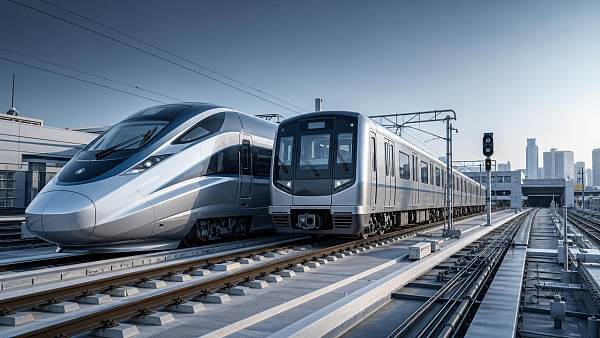
Scenario 1: High-speed rail fleets under global benchmark pressure
High-speed rail fleets face the strongest technical scrutiny. Rail global mobility raises expectations around vibration control, aerodynamic efficiency, traction performance, and compliance with standards such as EN 50126.
A planning mistake in this scenario is focusing only on headline speed. True readiness depends on maintainability, parts traceability, software validation, and infrastructure compatibility at scale.
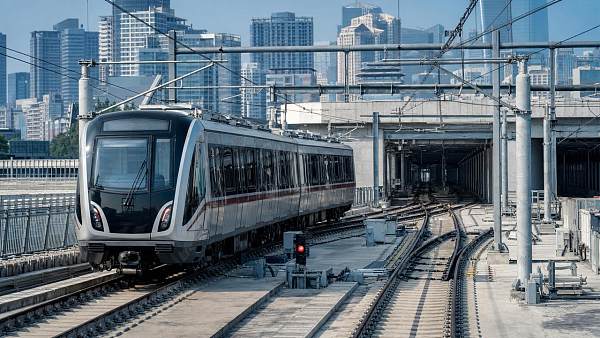
Scenario 2: Urban metro fleets balancing density, automation, and uptime
In metro systems, rail global mobility affects automation choices, signaling interfaces, and passenger flow design. CBTC integration and predictive maintenance now influence fleet value as much as vehicle shell design.
The core judgment point is operating intensity. Fleets serving dense urban corridors need fast door cycles, stable HVAC performance, and remote diagnostics that reduce unplanned downtime.
Scenario 3: Regional and intercity fleets needing flexible platform strategies
Regional services sit between metro simplicity and high-speed complexity. Rail global mobility encourages platform sharing across routes while preserving enough configuration flexibility for varying dwell times and passenger loads.
This scenario often benefits from scalable trainsets. Fleets can be extended, reconfigured, or digitally upgraded without disrupting the whole operating model.
Scenario 4: Harsh-environment fleets where resilience matters more than lowest cost
Rail global mobility also changes planning in desert, coastal, cold-climate, and high-humidity regions. Global sourcing expands options, but environmental mismatch can destroy lifecycle economics.
Core checks should include corrosion resistance, dust sealing, thermal management, traction derating behavior, and availability of local maintenance competence for advanced systems.
Where scenario needs differ most in a rail global mobility strategy
The table below highlights how rail global mobility affects key planning priorities across major operating scenarios.
Practical planning moves for fleets shaped by rail global mobility
A workable rail global mobility strategy needs clear actions, not broad ambition. The following steps help align fleets with cross-regional technical and commercial realities.
- Define the target operating scenario before defining the train platform.
- Map standards exposure across ISO/TS 22163, IEC 62278, EN 50126, and local regulatory requirements.
- Prioritize modular subsystems for traction, braking, communications, and onboard diagnostics.
- Evaluate supplier depth, not just unit price, across software, spares, and field support.
- Use lifecycle benchmarks to compare energy use, maintenance intervals, and upgrade pathways.
Why data transparency now matters more in fleet decisions
Rail global mobility increases the number of available suppliers and platforms. Without verified comparison data, decision quality drops even when the market appears richer.
Benchmarking repositories such as G-RTI create value by comparing traction motors, bogie systems, signaling readiness, and maintenance software against recognized international frameworks.
That level of visibility helps prevent selection based on incomplete brochures or short-term procurement assumptions. It supports planning grounded in engineering evidence and future network needs.
Common misjudgments when rail global mobility is underestimated
Several recurring errors weaken fleet outcomes when rail global mobility is treated as a trend rather than a planning condition.
- Assuming compliance can be added late without major cost or schedule impact.
- Buying advanced vehicles without matching depot capabilities and digital support systems.
- Prioritizing lowest acquisition cost over maintainability and parts continuity.
- Ignoring software interoperability between trains, signaling, and maintenance platforms.
- Overlooking geopolitical and logistics risks in cross-border supply chains.
These mistakes are avoidable when fleet planning starts with scenario definition, technical benchmarking, and structured risk review. Rail global mobility rewards early discipline far more than late correction.
What to do next if rail global mobility is influencing your fleet roadmap
Start by classifying the network scenario clearly. Then test whether the current fleet concept supports regulatory alignment, digital integration, environmental adaptation, and long-term parts resilience.
Next, compare candidate platforms using measurable criteria. Focus on interoperability, certification readiness, subsystem modularity, lifecycle cost, and supplier support across operating regions.
Rail global mobility is reshaping fleet planning because mobility systems now compete on resilience and upgrade capacity, not only speed or price. Strong decisions come from verified benchmarks, scenario-fit design, and disciplined execution.
For organizations navigating global rail and transit investment, that means turning market complexity into a planning advantage. The fleets that perform best tomorrow are the ones designed for mobility reality today.
Search News
Industry Portal
Hot Articles

Popular Tags
Recommended News
 Jul 03, 2026Are IPL Hair Removal Devices Safe for Home Use? Skin Types, Risks, and Key ChecksIPLhairremovaldevices safety explained: learn which skin types and hair colors fit best, key risks to avoid, and the must-check features before buying for safe home use.
 Jun 24, 2026Car Lighting Buying Guide: Halogen vs LED vs HID for Cost and VisibilityCar lighting buying guide comparing halogen, LED, and HID for cost, visibility, lifespan, and compliance. Discover which option delivers the best value for your vehicle or fleet.
 Jun 23, 2026How to Evaluate Commercial Furniture Manufacturers for Large Office ProjectsCommercial furniture manufacturers: learn how to evaluate quality, capacity, compliance, customization, cost, and lead times for large office projects with confidence.
 Jun 20, 2026Diaperbagsbackpack Buying Guide: What to Check for Travel, Storage, and Daily Usediaperbagsbackpack buying guide: discover what to check for smart storage, travel comfort, durable materials, and daily convenience before you buy the right bag.
 Jun 17, 2026Lighting Features for Metro Cars: Which Specs Matter for Safety and Maintenance?Lighting features for metro cars: learn which safety, emergency, durability, and maintenance specs reduce downtime, improve compliance, and support smarter fleet decisions.
 Jun 15, 2026Metro Car Manufacturer Selection Checklist: Capacity, Standards, Lead Times, and SupportMetro car manufacturer selection starts with the right checklist. Compare capacity, standards, lead times, and after-sales support to reduce risk and choose with confidence.
 Jun 07, 2026Injection Molding Defects Explained: Causes of Warping, Sink Marks, and FlashInjection molding defects explained clearly: learn the real causes of warping, sink marks, and flash, plus practical fixes to improve part quality, fit, and long-term reliability.
 May 20, 2026Is rail urban mobility solving last mile pressure yetRail urban mobility is easing last mile pressure in some cities, but results depend on feeder links, station design, and digital integration. Discover what works best.
 May 19, 2026Is rail global mobility reshaping how fleets are plannedRail global mobility is reshaping fleet planning through compliance, interoperability, modular design, and lifecycle resilience. Discover smarter strategies for future-ready rail investment.
 May 13, 2026What rail Asian manufacturing gets right on delivery speedRail Asian manufacturing stands out for delivery speed through scale, supplier coordination, and production discipline. Discover why leading rail suppliers help reduce project risk and keep timelines on track.
 May 12, 2026Rail Urban Mobility Trends That Are Changing Vehicle PlanningRail urban mobility trends are reshaping vehicle planning with smarter capacity design, digital signaling, low-carbon goals, and lifecycle cost control. Discover practical insights for better transit decisions.
 May 06, 2026What Rail Benchmarking Misses in Fast Growing Metro NetworksRail benchmarking often misses growth-stage risks in fast-growing metro networks. Learn how to assess interoperability, lifecycle costs, and expansion resilience more effectively.
 May 01, 2026Rail Urban Mobility Gaps That Slow Last-Mile ConnectionsRail urban mobility gaps weaken last-mile connections through poor interchanges, fragmented data, and weak planning. Discover practical insights to improve access, ridership, and network resilience.
 Apr 23, 2026Why metro cars gain weight even as efficiency targets riseExplore why urban metro rolling stock is getting heavier despite rail transit efficiency goals. Learn how rail standards, CBTC, ETCS, predictive maintenance, bogie systems, and traction power shape smarter procurement decisions.












Quarterly Executive Summaries Delivered Directly.
Join 50,000+ industry leaders who receive our proprietary market analysis and policy outlooks before they hit the public library.