

Rail Urban Mobility Upgrades That Outdate Legacy Signalling
Dr. Alistair Thorne
Time
Click Count
As cities modernize transit networks, rail urban mobility is moving beyond legacy signalling toward data-driven, interoperable control systems. For technical evaluators, this shift is not only about replacing outdated assets but about validating safety, capacity, lifecycle efficiency, and compliance across increasingly complex rail environments. Understanding which upgrades truly future-proof operations is now essential to smarter infrastructure decisions.
For procurement teams, system engineers, and infrastructure assessors, the challenge is rarely a simple technology swap. Urban rail upgrades must operate within constrained tunnel profiles, mixed-vintage rolling stock fleets, tight possession windows, and regulatory regimes that demand evidence at every stage. In practical terms, rail urban mobility programs now require a benchmark-driven evaluation method that compares signalling, communications, traction interface, maintenance readiness, and cybersecurity maturity in one decision framework.
This is where technical intelligence platforms such as Global Rail & Transit Infrastructure (G-RTI) add value. By connecting supply-side capabilities with international standards such as ISO/TS 22163, IEC 62278, and EN 50126, evaluators can judge whether an upgrade improves headway, resilience, and whole-life cost rather than simply extending the life of obsolete assets for another 5 to 10 years.
Why Legacy Signalling No Longer Supports Modern Rail Urban Mobility
Legacy signalling was designed for a rail environment with lower passenger density, fewer data interfaces, and longer operating margins. In many urban networks, fixed-block architectures, relay-based interlockings, and fragmented train control subsystems still function, but they limit throughput and complicate expansion. When peak headways need to move from 180 seconds toward 90 to 120 seconds, the tolerance of older systems becomes a strategic constraint rather than a maintenance issue.
Technical evaluators should also consider how ageing assets affect reliability. Obsolescence often appears in three layers at once: spare parts scarcity after 10 to 15 years, software support limitations after vendor lifecycle changes, and interface incompatibility with newer onboard equipment, platform screen doors, or centralized traffic management. In rail urban mobility planning, these weaknesses can raise both downtime risk and upgrade cost.
Typical Constraints Found in Older Urban Rail Systems
- Fixed-block operation limiting service frequency during peak periods
- Discrete, non-standard communication interfaces between signalling and SCADA systems
- Reduced fault diagnostics, with manual troubleshooting cycles lasting 2 to 6 hours
- High dependency on legacy components with long lead times of 20 to 40 weeks
- Limited support for predictive maintenance and remote condition monitoring
These issues do not affect only operations. They influence procurement strategy, spare parts inventory, retrofit phasing, and the ability to introduce automation. A network that cannot integrate CBTC, ETCS-compatible interfaces, or IP-based communications will struggle to align with the next generation of rail urban mobility requirements.
What Technical Evaluators Should Measure First
Before selecting an upgrade path, evaluators should establish a baseline across at least 4 dimensions: safety integrity, traffic capacity, lifecycle supportability, and interoperability. Capacity gains are often discussed first, yet in many projects the decisive factor is whether the new architecture can coexist with old equipment across a staged migration lasting 12 to 36 months.
The table below outlines a practical comparison between legacy signalling environments and current upgrade targets in urban rail systems.
The main conclusion is that modernization should be judged as an operational architecture upgrade, not a component replacement project. In rail urban mobility programs, the best-performing schemes usually deliver measurable improvements in headway, recovery time, diagnostics depth, and migration flexibility at the same time.
Core Upgrades That Outdate Legacy Signalling
Not every digital layer produces the same strategic benefit. For technical assessors, the most valuable upgrades are those that remove structural limitations embedded in old signalling logic. In most urban projects, that means prioritizing train control, communications backbone, interlocking modernization, and data-enabled maintenance over cosmetic HMI changes or isolated subsystem refreshes.
CBTC and Moving-Block Readiness
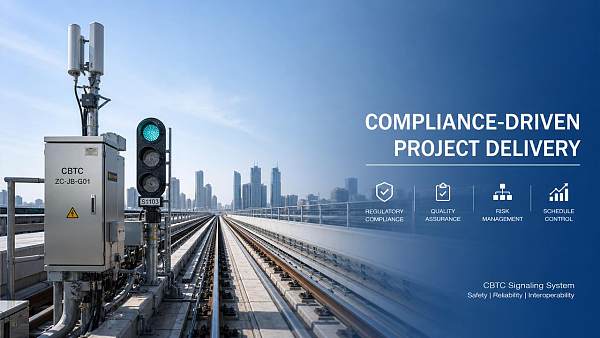
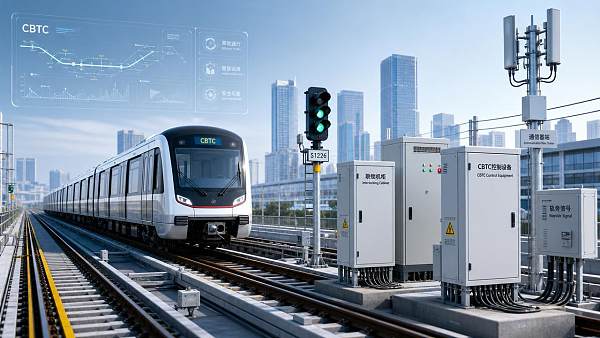
Communications-Based Train Control is one of the most significant upgrades for rail urban mobility because it can improve line capacity without immediate civil expansion. While not every corridor needs full moving-block operation, CBTC-ready architecture supports better train localization, continuous communication, and more adaptive traffic regulation. In many metro environments, the result is a 15% to 30% increase in effective throughput when paired with updated control centers and rolling stock integration.
Assessment Questions
- Can the proposed system support staged deployment line by line or zone by zone?
- What is the fallback mode if radio communication degrades during peak service?
- How are onboard and wayside interfaces validated across mixed fleet generations?
Digital Interlocking and Safer Migration Paths
Replacing relay-based or early electronic interlockings with digital platforms improves maintainability and testability. More importantly, it supports modular expansion for depot extensions, branch lines, or platform reconfiguration. Evaluators should check whether the supplier provides formal hazard analysis, simulation-based verification, and interface documentation that aligns with EN 50126 lifecycle expectations.
A strong migration plan should divide implementation into 3 to 5 phases, including factory acceptance testing, shadow operation, controlled commissioning windows, and post-cutover stability monitoring. Projects that skip these gates often face hidden integration issues with axle counters, point machines, and central supervision systems.
IP Communications, Cybersecurity, and Data Visibility
Legacy signalling becomes obsolete faster when the communications layer remains fragmented. Urban rail operators increasingly need IP-based architectures that support signalling, CCTV, passenger information, and maintenance data without creating unmanaged cyber exposure. For rail urban mobility, this means cybersecurity can no longer sit outside technical evaluation; it should be included from design stage through commissioning and update management.
Key indicators include network segmentation, event log retention periods, patch governance cycles, and fail-safe behavior under packet loss or latency spikes. A practical benchmark is whether the system can preserve critical control performance within defined thresholds, such as latency envelopes measured in milliseconds and recovery windows under a few minutes for non-critical service functions.
Predictive Maintenance and Asset Intelligence
One of the clearest signs that a network has moved beyond legacy signalling is the use of operational data for maintenance decisions. Instead of fixed inspection intervals only, upgraded systems can combine event logs, component temperature patterns, switching cycles, and communication anomalies to prioritize interventions. This can reduce unnecessary site visits and shorten mean time to repair by giving maintainers a narrower fault search area.
For technical evaluators, the question is not whether predictive maintenance is available as a software feature, but whether the installed architecture produces clean, consistent data from enough subsystems to make predictions useful. If only 20% to 30% of critical signalling assets are visible to the analytics layer, operational value will remain limited.
How to Evaluate Upgrade Options Across Safety, Capacity, and Lifecycle Cost
A credible evaluation model for rail urban mobility should balance capital expenditure with service continuity and long-term maintainability. Technical teams often compare bids on hardware specifications alone, but that approach misses migration complexity, training burden, and interface risk. A better method is to score each proposal against weighted technical and operational criteria before commercial negotiation begins.
Five Decision Dimensions for Technical Assessors
- Safety case completeness, including hazard logs, validation plans, and fail-safe design evidence
- Capacity impact, measured through headway improvement, dwell recovery, and traffic regulation performance
- Interoperability with rolling stock, platform systems, telecom, and centralized control
- Lifecycle supportability, including spare parts roadmap, software version control, and local service capability
- Implementation risk, including cutover strategy, testing depth, and required possession hours
In practice, many buyers use a 100-point matrix where technical criteria account for 60 to 70 points and commercial criteria account for the balance. This helps prevent low-price selections that later generate high integration cost or extended commissioning delays.
The table below shows a practical evaluation structure that can be adapted for metro, light rail, and suburban transit modernization programs.
This framework helps technical evaluators distinguish a mature solution from a brochure-led proposal. In rail urban mobility projects, the strongest bids usually explain not only how the system performs when new, but how it remains supportable after 8, 12, or 20 years of operation.
Common Evaluation Mistakes
One common mistake is overvaluing nominal capacity gain without checking degraded-mode behavior. A system that performs well under ideal conditions but slows sharply during communication faults, point failures, or depot interface conflicts may not improve passenger service in real terms. Another mistake is assuming that supplier compliance statements alone are enough; technical teams should request test philosophies, interface matrices, and maintenance concept details.
A third mistake is underestimating training and organizational readiness. New signalling and control environments often require 3 user groups to be prepared in parallel: operators, maintainers, and cyber or telecom support teams. If training is scheduled too late, commissioning risk rises even when installation is on time.
Implementation Strategy: From Benchmarking to Commissioning
Modernization succeeds when technical evaluation is connected to a disciplined implementation path. G-RTI’s role in this process is especially relevant for organizations that must compare international suppliers, understand manufacturing capability, and align product claims with regional compliance expectations. This is critical when sourcing spans Asian production ecosystems and regulated markets in Europe, North America, or the Middle East.
A Practical 5-Step Upgrade Path
- Baseline audit of existing signalling, telecom, traction interface, and maintenance records
- Benchmarking of candidate solutions against standards, performance requirements, and supply-chain resilience
- Migration design with phased possessions, temporary interfaces, and verification strategy
- Factory, site, and integrated testing before controlled cutover
- Post-commissioning monitoring over the first 30, 60, and 90 days
Why Benchmarking Matters Early
Benchmarking at the pre-tender or early tender stage reduces the chance of selecting solutions that look compliant on paper but are difficult to integrate in real service conditions. Technical repositories that compare hardware durability, digital architecture, and maintenance ecosystem maturity can shorten longlisting cycles and help evaluators identify whether a proposal is suitable for dense urban operations or only for less demanding corridors.
This is particularly important in rail urban mobility, where transit authorities may need to compare traction power coordination, bogie dynamics, onboard communication compatibility, and condition-based maintenance readiness within the same program. A siloed review process often misses these cross-system dependencies.
Risk Controls During Delivery
- Confirm component availability and replacement strategy for at least one major maintenance cycle
- Require interface ownership mapping across signalling, telecom, rolling stock, and power teams
- Define acceptance criteria for normal mode, degraded mode, and emergency fallback operation
- Schedule witness testing during representative traffic scenarios rather than low-load simulations only
Where international procurement is involved, evaluators should also review manufacturing quality systems, documentation discipline, and after-sales engineering support. Standards alignment such as ISO/TS 22163 is useful, but the real differentiator is whether the supplier can sustain configuration control, traceability, and technical response during multi-year deployment.
What Future-Proof Rail Urban Mobility Really Looks Like
A future-ready network is not defined by one technology label. It is defined by how safely and efficiently the entire system responds to growth, disruption, and integration demands. In rail urban mobility, that means scalable train control, transparent data architecture, maintainable field equipment, resilient communications, and a migration plan that does not compromise daily service.
For technical evaluators, the strongest upgrade decisions are those backed by verifiable benchmarks, standards-based evidence, and a realistic understanding of lifecycle obligations. G-RTI supports this process by connecting project teams with technical benchmarking across high-speed rail systems, urban metro and transit, advanced signalling and communication, track infrastructure, and traction power supply.
If your organization is assessing signalling modernization, CBTC readiness, supply-chain suitability, or cross-market compliance for rail urban mobility projects, now is the right time to move from reactive replacement to structured technical selection. Contact G-RTI to obtain a tailored benchmarking view, discuss project-specific upgrade priorities, and explore solutions that align performance, compliance, and long-term operational value.
Search News
Industry Portal
Hot Articles
Popular Tags
Recommended News
 Jul 14, 2026How Rail Transit Efficiency in Southeast Asia Improves with CBTC and Predictive MaintenanceRail transit efficiency Southeast Asia improves with CBTC and predictive maintenance, boosting capacity, reliability, and ROI for smarter rail modernization.
![]() Jul 07, 2026CBTC Signaling Interoperability Explained: Key Interfaces, Risks, and Integration ChecksCBTC signaling interoperability explained with key interfaces, major risks, and integration checks to help metro teams reduce delays, prove safety, and strengthen multi-vendor project delivery.
Jul 07, 2026CBTC Signaling Interoperability Explained: Key Interfaces, Risks, and Integration ChecksCBTC signaling interoperability explained with key interfaces, major risks, and integration checks to help metro teams reduce delays, prove safety, and strengthen multi-vendor project delivery. Jun 28, 2026Rail European Standards Signaling: ETCS, Interlocking, and Compliance BasicsRail European standards signaling explained clearly: learn ETCS, interlocking, and compliance basics to reduce approval risk, improve safety evidence, and support faster rail project delivery.
 Jun 08, 2026CBTC vs Fixed Block Signaling: Key Criteria for Metro Upgrade DecisionsCBTC vs fixed block signaling: compare capacity, safety, lifecycle cost, retrofit burden, and procurement risk to choose the right metro upgrade path with confidence.
 May 31, 2026How to Choose an ETCS On-Board Equipment Factory?Choose the right ETCS on-board equipment factory with expert tips on certification, integration, testing, lifecycle support, and risk-based supplier evaluation.
 May 27, 2026How rail policy foresight helps avoid costly CBTC delaysRail policy foresight helps rail teams prevent costly CBTC delays by spotting compliance, supplier, and approval risks early—learn how to protect schedule, budget, and project delivery.
 May 25, 2026How ETCS systems reduce signal risk on busy rail corridorsETCS systems cut signal risk on busy rail corridors with continuous speed supervision, safer movement authority control, and stronger compliance—discover how they boost capacity and reliability.
 May 23, 2026Rail regulatory compliance is harder than many teams expectRail regulatory compliance is harder than it seems. Learn how standards, supplier validation, traceability, and cross-border approvals impact risk, cost, and delivery.
 May 20, 2026Rail technical specifications often hide costly gapsRail technical specifications often hide costly gaps in compliance, interfaces, and lifecycle planning. Learn what procurement teams must verify before tendering to avoid delays and overruns.
 May 16, 2026How to read rail technical specifications without missing risksRail technical specifications guide: learn how to spot compliance, interface, lifecycle, and certification risks early so you can evaluate faster, avoid costly gaps, and make safer rail procurement decisions.
 May 13, 2026Where rail European standards slow projects and where they helpRail European standards can delay rail projects through documentation, interfaces, and approvals, but they also improve safety, interoperability, and lifecycle value. Discover where they slow progress and where they create long-term advantage.
 May 09, 2026Why rail multi-disciplinary teams still miss system conflictsRail multi-disciplinary teams still miss system conflicts when interfaces, software, and operations drift apart. Discover the hidden risks delaying rail projects and how to spot them early.
 May 07, 2026Rail Urban Mobility Upgrades That Outdate Legacy SignallingRail urban mobility upgrades are reshaping city transit with CBTC, digital interlocking, and smarter diagnostics. See how to assess safer, higher-capacity signalling modernization.
 May 01, 2026Rail Global Mobility Trends Pushing New ETCS PrioritiesRail global mobility is reshaping ETCS priorities around interoperability, safety, and compliance. Learn how to reduce risk, improve procurement decisions, and future-proof rail projects.
 Apr 23, 2026ETCS migration issues that surface late in testingETCS migration issues that surface late in testing can derail ETCS systems, CBTC signaling, and rail regulatory compliance. Learn how EN 50126, IEC 62278, and smart procurement reduce risk.
 Apr 23, 2026CBTC rollout risks that are easy to underestimateCBTC rollout risks in urban metro and rail infrastructure often hide in signaling systems, ETCS, traction power, and predictive maintenance interfaces—learn how procurement teams can cut delays and compliance costs.
 Apr 23, 2026ETCS systems need more than interoperability on paperETCS systems need more than paper compliance. Explore ETCS interoperability, rail standards, predictive maintenance, and signaling systems to cut risk, improve rail transit efficiency, and support smarter procurement.
 Apr 23, 2026CBTC signaling issues often begin with timing assumptionsCBTC signaling issues often begin with hidden timing assumptions. Explore rail standards, ETCS, predictive maintenance, and procurement insights to improve urban metro and high-speed rail efficiency.
 Apr 23, 2026CBTC ETCS systems comparison is harder than feature lists suggestETCS and CBTC signaling systems comparison goes beyond feature lists—explore rail standards, procurement risk, lifecycle support, and smarter choices for urban metro and high-speed rail.







Quarterly Executive Summaries Delivered Directly.
Join 50,000+ industry leaders who receive our proprietary market analysis and policy outlooks before they hit the public library.