

CBTC signaling issues often begin with timing assumptions
Dr. Alistair Thorne
Time
Click Count
CBTC signaling issues often begin with hidden timing assumptions, where small synchronization errors can affect signaling systems, urban metro transit, and high-speed rail operations. For rail procurement directors, EPC contractors, and rolling stock manufacturers, understanding CBTC, ETCS systems, rail standards, and regulatory frameworks is essential to improving rail transit efficiency, predictive maintenance, and engineering integrity across global rail infrastructure projects.
Why timing assumptions are a recurring root cause in CBTC signaling
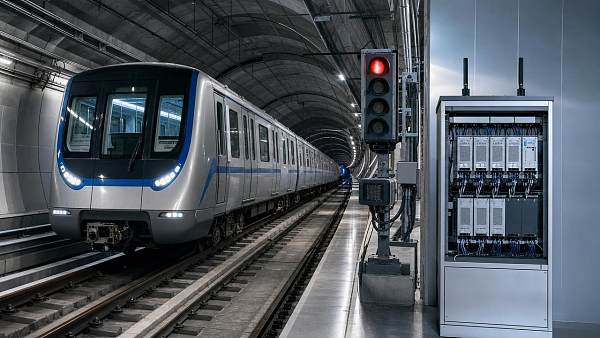
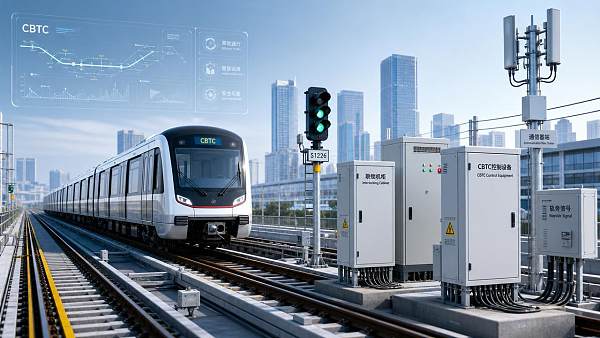
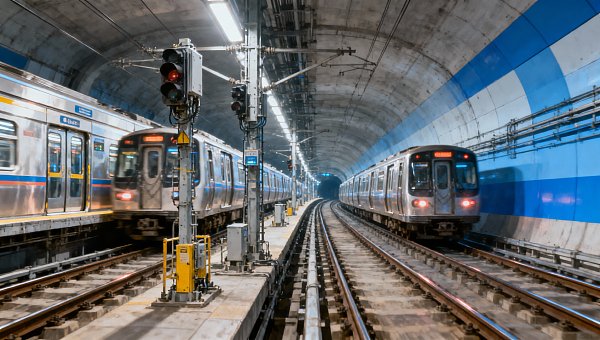
In CBTC signaling, engineers rarely fail because they do not know the architecture. Problems often start because one subsystem assumes a message arrives within a defined time window, while another subsystem is designed around a different delay budget. A mismatch of only a few milliseconds can propagate into train localization, movement authority handling, door enable logic, and platform coordination. For urban metro operators running headways of 90–120 seconds, these small timing gaps can quickly become operational risks.
The challenge is bigger in multi-vendor projects. A radio network supplier may validate performance under one traffic profile, while the onboard subsystem integrator tests under another. The signaling team may define nominal latency, yet field conditions introduce jitter, packet loss recovery, clock drift, and handover delay. In practice, timing assumptions fail most often during integration, migration, and degraded mode operation rather than during isolated factory tests.
For information researchers and technical evaluators, this matters because CBTC signaling problems are not always visible in marketing specifications. A proposal may state compliance with EN 50126 or IEC 62278, but that alone does not prove timing consistency across trainborne equipment, zone controllers, wayside communication, and operation control interfaces. Timing integrity must be reviewed as a system property, not as a single component feature.
This is where G-RTI adds value. By benchmarking Advanced Signaling & Communication systems within a broader rail infrastructure context, G-RTI helps buyers compare not only declared functions, but also the integration logic behind them. For procurement teams facing 2–4 bid rounds, compressed delivery schedules, and cross-border compliance reviews, timing-related due diligence is often the difference between a stable commissioning phase and months of avoidable rework.
Where hidden timing assumptions usually appear
- Train-to-wayside communication links, especially during radio handover, roaming, or temporary bandwidth congestion.
- Clock synchronization between onboard controllers, interlocking interfaces, supervision servers, and event logging platforms.
- Fallback and degraded modes, where a 3-step transition logic may depend on conservative timeout values that differ by supplier.
- Mixed traffic or migration corridors where legacy signaling and CBTC must coexist over a staged commissioning period of several weeks or months.
What technical teams should evaluate before blaming software defects
When a CBTC signaling issue appears in trial running, many teams first suspect software quality. That can be true, but in rail systems the first question should be narrower: what timing model was assumed, and was that model validated under realistic field conditions? A stable laboratory result can fail on a live line if controller scan cycles, network delay, radio retry behavior, and operator workstation refresh rates were tested separately instead of as a closed-loop system.
Technical assessment should therefore begin with a timing path review. This means tracing the sequence from train position update to zone authority calculation, message transmission, onboard confirmation, and braking curve enforcement. In many projects, one path includes 5–8 processing stages. If each stage adds a small delay margin, the end-to-end response can exceed the operational assumption even though every individual device appears compliant.
For business evaluators, this review has direct contract implications. Late discovery of timing mismatches can affect acceptance milestones, extension-of-time claims, spare stock planning, and interface liability. A contract that defines performance only at the subsystem level may leave the owner exposed during final integration. The safer approach is to tie technical deliverables to interface timing evidence, scenario-based tests, and documented degraded mode behavior.
The table below summarizes practical evaluation points that help identify whether a signaling issue is rooted in timing assumptions, integration gaps, or true software faults. These dimensions are especially useful for EPC contractors, metro authorities, and distributors supporting pre-tender technical clarification.
A useful procurement lesson is that timing should be examined as an interface control issue as early as the bid evaluation stage. If the supplier can only provide nominal values but not end-to-end timing envelopes or scenario-based validation logic, the project team should expect integration pressure later. G-RTI’s benchmarking approach supports this by translating technical timing risks into practical decision criteria across supplier comparison, compliance review, and project delivery planning.
A 4-step review method for technical and procurement teams
- Map the end-to-end signaling path and identify all processing stages, including external interfaces and radio segments.
- Request timing budgets for normal, peak, and degraded conditions rather than a single nominal figure.
- Check whether field acceptance tests cover worst-case timing scenarios over at least several repeated cycles.
- Align commercial responsibilities so interface timing evidence is part of milestone acceptance, not an afterthought.
Why isolated subsystem compliance is not enough
A subsystem can meet its own test criteria and still contribute to a CBTC signaling failure. That is common when one supplier validates under a 50 ms internal cycle and another under a 100 ms assumption, or when a supervisory layer updates more slowly than field logic expects. System safety in rail depends on coordinated behavior over time, not only on individual component certification. This is why cross-domain benchmarking remains critical in metro and high-speed rail programs.
How CBTC timing risks differ from ETCS and mixed-network environments
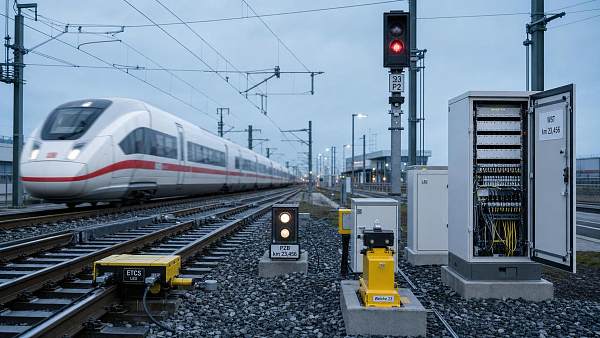
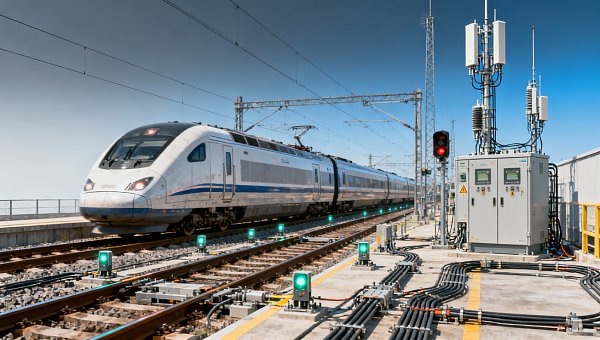
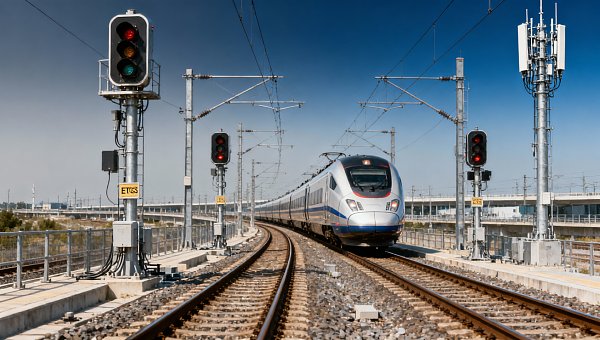
CBTC and ETCS are often discussed together, yet their timing sensitivities appear in different operational contexts. CBTC is tightly associated with urban metro transit, short headways, and dense train control updates. ETCS, especially in intercity and high-speed rail, works within broader route protection and interoperable supervision logic. Both rely on disciplined timing, but the failure patterns differ because service patterns, network topologies, and migration strategies differ.
In metro systems, timing errors are often visible as unstable train separation, delayed route setting acknowledgement, or inconsistent platform-door coordination. In ETCS-related environments, especially where national legacy systems still coexist, timing assumptions may affect balise telegram handling, RBC communication transitions, or onboard supervision reactions during boundary crossings. Mixed-network projects are more exposed because they usually combine legacy assets, phased upgrades, and multiple integration contracts over 3 or more implementation stages.
For distributors and commercial partners, the practical lesson is clear: product equivalence on paper does not automatically mean operational equivalence. If a supplier is strong in standalone signaling hardware but weak in timing validation under mixed-vendor conditions, the project risk remains high. G-RTI’s role as a technical benchmarking repository is especially relevant here because it connects component-level claims with project-level interoperability concerns across Europe, the Americas, the Middle East, and Asian supply chains.
The comparison below helps decision-makers understand where timing reviews should be emphasized when evaluating CBTC signaling, ETCS-related deployments, or hybrid modernization programs. This is particularly useful in prequalification, tender clarification, and reseller due diligence.
This comparison shows why buyers should avoid generic signaling questionnaires. The right questions change by operational environment. In a metro line, radio and moving-block responsiveness may dominate. In a cross-border or high-speed project, transition logic and compliance mapping may matter more. An intelligence-led evaluation process reduces the risk of choosing a technically acceptable but operationally fragile solution.
Standards and compliance matter, but context matters more
Standards such as IEC 62278, EN 50126, and ISO/TS 22163 provide a disciplined framework for lifecycle management, reliability thinking, and quality control. However, standards do not replace project-specific interface governance. A compliant supplier should still be asked how timing assumptions are allocated, verified, traced, and revised during design changes. In many tenders, that practical evidence is more valuable than a broad compliance statement alone.
What procurement teams should check before supplier selection and contract award
Procurement teams often focus on price, delivery, and formal compliance first. Those are necessary, but they are not enough for CBTC signaling procurement. Timing assumptions influence interface scope, test planning, and maintenance obligations after commissioning. If those assumptions remain vague, the lowest bid may later become the highest lifecycle burden through change orders, troubleshooting delays, and prolonged trial operation windows lasting 8–12 weeks or more.
A strong procurement file should request more than architecture diagrams. It should ask for timing budget allocation, interface control methodology, degraded mode logic, event logging resolution, and evidence from representative validation scenarios. For commercial evaluators, these documents provide leverage during clarification. For technical assessors, they reveal whether the supplier understands system behavior under real operating constraints rather than only under ideal lab conditions.
This is especially important for dealers, distributors, and agents representing products across several markets. A signaling solution may fit one city’s operational profile but require adaptation for another due to different telecom environments, climate exposure, depot routines, or regulatory expectations. G-RTI supports these channel partners by linking global supply chain intelligence with benchmark-based interpretation of standards, project types, and engineering risk signals.
The checklist below can be used during prequalification, technical-commercial bid review, or supplier interview sessions. It focuses on 5 critical checks that often separate robust signaling packages from high-risk proposals.
Five procurement checks that should not be skipped
- Ask for end-to-end timing assumptions in normal, peak, and degraded modes instead of a single performance claim.
- Verify whether interface responsibilities are contractually assigned across onboard, wayside, telecom, and control center domains.
- Check if test procedures include repetitive field scenarios, such as handover, station dwell variation, and communication recovery after interruption.
- Confirm log correlation capability so incidents can be reconstructed across systems within a practical maintenance window.
- Review spare strategy and software support process, including patch governance, validation lead time, and rollback conditions.
Commercial impact of weak timing governance
Weak timing governance does not only create engineering risk. It can affect liquidated damages exposure, site resource cost, acceptance delay, and warranty disputes. In international rail projects, even a 2–6 week delay in integration retesting can disrupt downstream civil, MEP, and operational readiness plans. For that reason, advanced buyers increasingly treat timing transparency as a commercial risk filter, not just a technical detail.
A practical sourcing strategy is to compare offers on three levels: subsystem compliance, interface timing maturity, and post-commissioning maintainability. Suppliers that score evenly across all three are usually easier to integrate, easier to certify, and easier to support during the first year of operation.
Common misconceptions, field risks, and implementation guidance
One common misconception is that more bandwidth automatically solves CBTC signaling timing problems. In reality, timing faults often come from inconsistent timeout settings, unsynchronized clocks, overloaded processing tasks, or assumptions that were never validated during degraded operation. Another misconception is that predictive maintenance can solve timing issues after commissioning. Predictive tools are valuable, but they work best when the original timing model is already disciplined and observable.
Field risk also increases during migration projects. When a line is upgraded in sections, temporary interfaces may remain active for several months. Those temporary arrangements often receive less scrutiny than the final architecture, yet they are precisely where timing assumptions become unstable. This is one reason G-RTI emphasizes technical benchmarking across lifecycle phases, not only across equipment specifications. Design, commissioning, and operational maintenance each reveal different risk patterns.
Implementation teams should build timing assurance into the project rhythm. A practical approach is to define 3 validation layers: document review, lab integration, and field scenario testing. Each layer should have pass criteria, issue logging rules, and ownership mapping. If a timing deviation appears in field tests, the team should be able to trace it back to a documented assumption rather than debating responsibility after the fact.
For maintenance planners, event visibility matters as much as raw performance. If timestamps, communication retries, and state transitions are not captured at sufficient resolution, teams may spend days isolating issues that could otherwise be confirmed in hours. Better observability reduces mean time to diagnosis and protects service availability, especially on high-frequency urban lines.
FAQ for researchers, evaluators, and channel partners
How should a buyer evaluate CBTC timing maturity during tender review?
Focus on evidence, not only on claims. Ask for timing budgets, interface control documents, degraded mode logic, and scenario-based test records. A capable supplier should explain how assumptions are allocated across at least 3 domains: onboard, wayside, and communication. If the answer stays generic, the integration risk is usually higher than the bid suggests.
Are CBTC signaling timing issues mainly a metro problem?
They are most visible in metro systems because short headways and dense updates make timing deviations easier to notice. However, ETCS and high-speed rail environments also depend on timing discipline, particularly during transitions, supervision updates, and mixed-network operations. The symptom pattern changes, but the underlying need for timing governance remains.
What implementation window is usually most sensitive?
The highest-risk windows are usually interface integration, migration staging, and trial running. These may span several weeks to several months depending on project size. During this period, hidden assumptions become exposed by real traffic, real radio conditions, and real operational sequences that no isolated subsystem test can fully reproduce.
Can predictive maintenance help with signaling timing issues?
Yes, but mainly after observability is established. Predictive maintenance can identify patterns such as rising communication retries, recurring delay spikes, or controller load changes. It is most effective when event data is clean, timestamped consistently, and reviewed at regular intervals such as weekly or monthly. It does not replace disciplined design assumptions.
Why work with G-RTI when evaluating signaling risk, compliance, and supplier fit
G-RTI is positioned for decision-makers who need more than generic rail industry commentary. Our value lies in connecting technical benchmarking with procurement realities across High-Speed Rail systems, Urban Metro & Transit, Advanced Signaling & Communication, Track Infrastructure, and Traction Power Supply. For CBTC signaling and ETCS-related evaluations, this means helping clients understand not only what a supplier offers, but how that offer stands up against international standards, interface complexity, and multi-market project demands.
For information researchers, we provide structured market and technology intelligence that clarifies supplier positioning, project relevance, and standards context. For technical evaluators, we support deeper comparison of timing assumptions, integration logic, and engineering risk indicators. For business evaluators and channel partners, we help interpret how technical constraints affect pricing, lead time, tender competitiveness, certification readiness, and cross-region distribution potential.
If you are reviewing a CBTC package, an ETCS-related subsystem, or a broader rail modernization tender, we can support key decision points before commitment. Typical consultation topics include parameter confirmation, solution selection, interface risk review, delivery cycle expectations, compliance mapping, sample or documentation support, and quotation alignment for target markets. This is particularly useful when projects involve Asian manufacturing sources and European, American, or Middle Eastern regulatory frameworks.
Contact G-RTI if your team needs a clearer basis for supplier comparison, timing-risk screening, or procurement strategy. We can help you assess 3 essential layers before final decision: technical suitability, standards and regulatory fit, and commercial execution practicality. That gives procurement directors, EPC teams, manufacturers, and distributors a more reliable path from market intelligence to project-ready action.
Search News
Industry Portal
Hot Articles

Popular Tags
- rail infrastructure
- high-speed rail systems
- urban metro transit
- CBTC signaling
- ETCS systems
- traction power supply
- rolling stock manufacturers
- rail procurement
- ISO/TS 22163
- IEC 62278
- EN 50126
- rail procurement directors
- high-speed rail
- urban metro
- signaling systems
- CBTC
- ETCS
- traction power
- rolling stock
- predictive maintenance
- EPC contractors
- rail standards
- rail transit efficiency
Recommended News
 Jul 14, 2026How Rail Transit Efficiency in Southeast Asia Improves with CBTC and Predictive MaintenanceRail transit efficiency Southeast Asia improves with CBTC and predictive maintenance, boosting capacity, reliability, and ROI for smarter rail modernization.
![]() Jul 07, 2026CBTC Signaling Interoperability Explained: Key Interfaces, Risks, and Integration ChecksCBTC signaling interoperability explained with key interfaces, major risks, and integration checks to help metro teams reduce delays, prove safety, and strengthen multi-vendor project delivery.
Jul 07, 2026CBTC Signaling Interoperability Explained: Key Interfaces, Risks, and Integration ChecksCBTC signaling interoperability explained with key interfaces, major risks, and integration checks to help metro teams reduce delays, prove safety, and strengthen multi-vendor project delivery. Jun 28, 2026Rail European Standards Signaling: ETCS, Interlocking, and Compliance BasicsRail European standards signaling explained clearly: learn ETCS, interlocking, and compliance basics to reduce approval risk, improve safety evidence, and support faster rail project delivery.
 Jun 08, 2026CBTC vs Fixed Block Signaling: Key Criteria for Metro Upgrade DecisionsCBTC vs fixed block signaling: compare capacity, safety, lifecycle cost, retrofit burden, and procurement risk to choose the right metro upgrade path with confidence.
 May 31, 2026How to Choose an ETCS On-Board Equipment Factory?Choose the right ETCS on-board equipment factory with expert tips on certification, integration, testing, lifecycle support, and risk-based supplier evaluation.
 May 27, 2026How rail policy foresight helps avoid costly CBTC delaysRail policy foresight helps rail teams prevent costly CBTC delays by spotting compliance, supplier, and approval risks early—learn how to protect schedule, budget, and project delivery.
 May 25, 2026How ETCS systems reduce signal risk on busy rail corridorsETCS systems cut signal risk on busy rail corridors with continuous speed supervision, safer movement authority control, and stronger compliance—discover how they boost capacity and reliability.
 May 23, 2026Rail regulatory compliance is harder than many teams expectRail regulatory compliance is harder than it seems. Learn how standards, supplier validation, traceability, and cross-border approvals impact risk, cost, and delivery.
 May 20, 2026Rail technical specifications often hide costly gapsRail technical specifications often hide costly gaps in compliance, interfaces, and lifecycle planning. Learn what procurement teams must verify before tendering to avoid delays and overruns.
 May 16, 2026How to read rail technical specifications without missing risksRail technical specifications guide: learn how to spot compliance, interface, lifecycle, and certification risks early so you can evaluate faster, avoid costly gaps, and make safer rail procurement decisions.
 May 13, 2026Where rail European standards slow projects and where they helpRail European standards can delay rail projects through documentation, interfaces, and approvals, but they also improve safety, interoperability, and lifecycle value. Discover where they slow progress and where they create long-term advantage.
 May 09, 2026Why rail multi-disciplinary teams still miss system conflictsRail multi-disciplinary teams still miss system conflicts when interfaces, software, and operations drift apart. Discover the hidden risks delaying rail projects and how to spot them early.
 May 07, 2026Rail Urban Mobility Upgrades That Outdate Legacy SignallingRail urban mobility upgrades are reshaping city transit with CBTC, digital interlocking, and smarter diagnostics. See how to assess safer, higher-capacity signalling modernization.
 May 01, 2026Rail Global Mobility Trends Pushing New ETCS PrioritiesRail global mobility is reshaping ETCS priorities around interoperability, safety, and compliance. Learn how to reduce risk, improve procurement decisions, and future-proof rail projects.
 Apr 23, 2026ETCS migration issues that surface late in testingETCS migration issues that surface late in testing can derail ETCS systems, CBTC signaling, and rail regulatory compliance. Learn how EN 50126, IEC 62278, and smart procurement reduce risk.
 Apr 23, 2026CBTC rollout risks that are easy to underestimateCBTC rollout risks in urban metro and rail infrastructure often hide in signaling systems, ETCS, traction power, and predictive maintenance interfaces—learn how procurement teams can cut delays and compliance costs.
 Apr 23, 2026ETCS systems need more than interoperability on paperETCS systems need more than paper compliance. Explore ETCS interoperability, rail standards, predictive maintenance, and signaling systems to cut risk, improve rail transit efficiency, and support smarter procurement.
 Apr 23, 2026CBTC signaling issues often begin with timing assumptionsCBTC signaling issues often begin with hidden timing assumptions. Explore rail standards, ETCS, predictive maintenance, and procurement insights to improve urban metro and high-speed rail efficiency.
 Apr 23, 2026CBTC ETCS systems comparison is harder than feature lists suggestETCS and CBTC signaling systems comparison goes beyond feature lists—explore rail standards, procurement risk, lifecycle support, and smarter choices for urban metro and high-speed rail.










Quarterly Executive Summaries Delivered Directly.
Join 50,000+ industry leaders who receive our proprietary market analysis and policy outlooks before they hit the public library.