

Traction motors wear faster under unstable duty cycles
Dr. Alistair Thorne
Time
Click Count
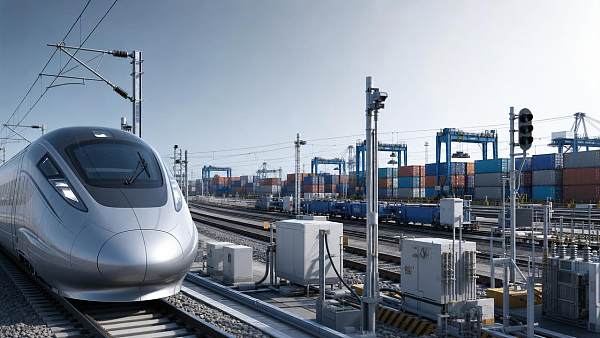
Traction motors wear faster under unstable duty cycles, making predictive maintenance essential for rolling stock reliability and rail transit efficiency. For EPC contractors, rolling stock manufacturers, and procurement directors navigating rail regulatory frameworks, EN 50126, IEC 62278, and ISO/TS 22163, understanding how traction power, bogie systems, and track maintenance interact is critical to carbon-neutral rail performance across high-speed rail, urban metro transit, and global mobility projects.
Why unstable duty cycles accelerate traction motor wear in real rail operations
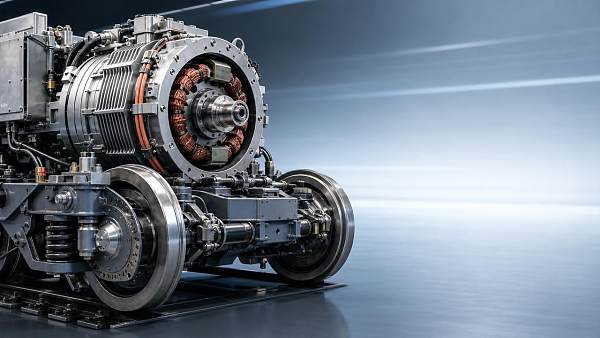
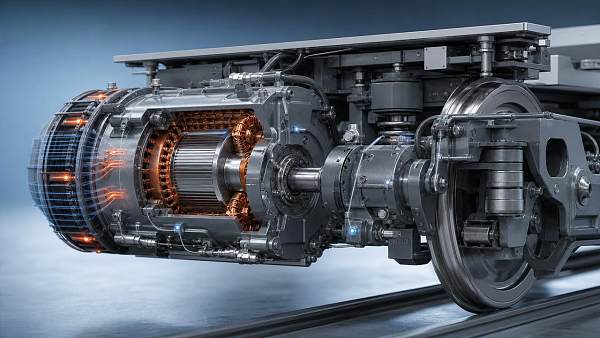
In rail transit, a traction motor rarely fails because of one isolated event. Wear usually builds up when load, speed, braking frequency, ambient temperature, and power quality shift faster than the motor system was designed to absorb. Under unstable duty cycles, repeated thermal expansion, current spikes, insulation stress, and vibration loading can shorten service intervals across both high-speed rail and urban metro fleets.
For technical evaluators, the key issue is not simply whether a motor can meet rated output. The real question is whether it can maintain stable performance across 3 operating patterns: frequent stop-start metro duty, mixed-gradient regional service, and long-duration high-speed operation. Each pattern creates different torque ripple, bearing load, and cooling challenges, especially when traction power supply conditions fluctuate over daily or seasonal cycles.
For commercial evaluators and channel partners, unstable duty cycles create hidden lifecycle costs. A motor that appears competitive at purchase may trigger higher inspection frequency every 3–6 months, earlier bearing replacement within 2–4 years, or repeated downtime linked to thermal hotspots and contamination ingress. Procurement decisions therefore need to move beyond unit price and include reliability under duty-cycle variation.
This is where G-RTI adds value. By benchmarking traction motors, bogie systems, track infrastructure conditions, and predictive maintenance strategies against international rail frameworks, G-RTI helps decision-makers identify where wear is driven by product design, where it is driven by operating conditions, and where it is caused by system-level mismatch across the rail asset chain.
What changes most under unstable duty cycles?
- Thermal cycling increases because acceleration and regenerative braking events can occur dozens or even hundreds of times per shift in metro applications.
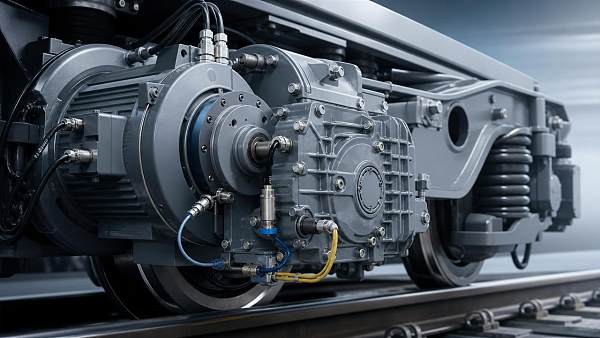
- Bearing loads become less predictable when wheel-rail interaction, bogie alignment, and track geometry are not consistently controlled.
- Insulation systems face repeated electrical stress when inverter switching behavior, harmonics, and power quality vary across depots, substations, and route sections.
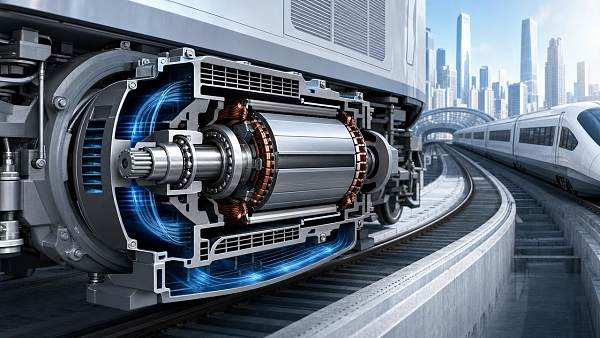
- Cooling efficiency drops when ambient temperatures, tunnel ventilation, dust exposure, or enclosure contamination shift outside normal maintenance assumptions.
These wear drivers are interconnected. A traction motor may show symptoms in winding temperature, but the root cause can sit in bogie dynamics, wheel condition, track irregularity, or power conversion strategy. That broader view is essential for information researchers comparing suppliers across regions with different regulatory and infrastructure maturity levels.
Which operating scenarios create the highest wear risk?
Not every rail application exposes traction motors to the same wear profile. Procurement teams often make errors when they compare motors by nameplate rating alone, without mapping duty cycle severity to route conditions and maintenance philosophy. A 400 km/h high-speed corridor, a dense urban metro network, and a mixed-use suburban line require different reliability assumptions, inspection windows, and component margins.
In practice, the highest wear risk appears where duty instability combines with constrained maintenance access. Metro systems may face repeated acceleration every 1–3 minutes during peak operation. Regional services may transition between open-air and tunnel environments, with changing gradients and variable load factors. Freight-capable mixed corridors may impose torque demand swings that push traction systems outside their preferred thermal envelope.
The table below helps technical and business stakeholders compare common rail scenarios, wear mechanisms, and procurement implications. It is especially useful for distributors and agents screening portfolios for multiple markets where rolling stock configuration, maintenance culture, and standards adoption differ.
The comparison shows that unstable duty cycles are not a niche issue. They affect asset planning in at least 3 ways: maintenance interval definition, spare parts stocking, and route-specific motor selection. G-RTI’s cross-market intelligence is useful here because it connects hardware benchmarking with project tender realities, local compliance expectations, and supply chain feasibility.
How track and bogie conditions amplify motor wear
A traction motor can be correctly specified and still wear too quickly if track maintenance lags behind operational demand. Poor rail alignment, corrugation, wheel flats, or suboptimal bogie geometry increase vibration transmission. Over 6–12 months, that can accelerate bearing fatigue and degrade mounting integrity, especially in vehicles operating on dense timetables with limited maintenance windows.
This is why traction motor analysis should not be isolated from the other G-RTI pillars. Track infrastructure and maintenance, traction power supply, and rolling stock mechanical design all interact. Decision-makers who evaluate these interfaces early can avoid expensive misdiagnosis later, when recurring motor wear is wrongly blamed on one supplier rather than on system integration gaps.
For distributors and agents, this systems view also improves positioning. Instead of offering a motor as a stand-alone component, they can discuss route fit, maintenance assumptions, and compliance documentation with more authority, which is often decisive in B2B rail procurement cycles lasting 2–6 months or longer.
What should technical and procurement teams evaluate before selecting a traction motor solution?
A common procurement mistake is to compare traction motors using only rated power, procurement lead time, and budget. Those points matter, but they do not explain whether the motor will remain reliable under unstable duty cycles. A stronger evaluation framework should combine mechanical, electrical, operational, and compliance criteria, especially for multi-country rail projects or fleets entering regulated export markets.
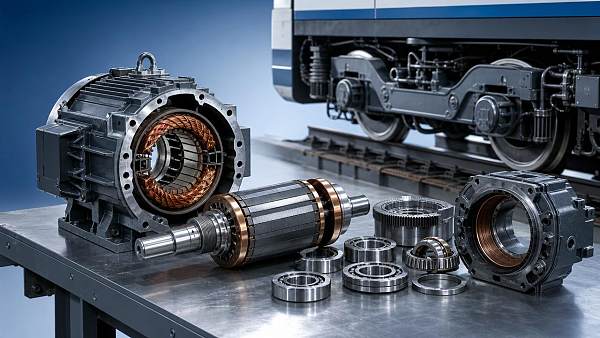
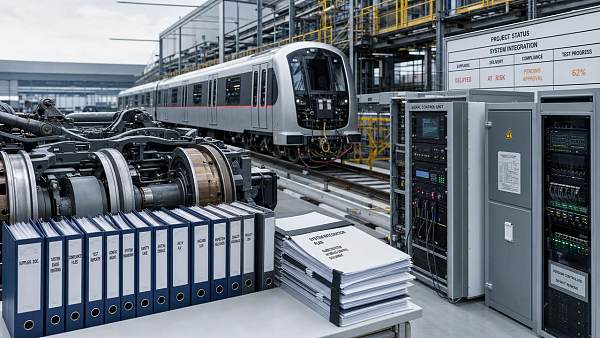
For practical decision-making, teams should review at least 5 core dimensions: duty-cycle compatibility, insulation and thermal management, bearing and sealing design, maintainability, and standards documentation. In cross-border projects, one more dimension becomes critical: how well the supplier’s documentation supports integration into EN 50126 lifecycle thinking, IEC 62278 process expectations, and ISO/TS 22163 quality-oriented supply chain workflows.
The next table provides a procurement-oriented checklist that can be used during technical clarification, RFQ comparison, and pre-award review. It supports information researchers, technical evaluators, and commercial teams who need a common language between engineering risk and purchasing decisions.
A checklist like this is valuable because rail procurement rarely depends on one department. Engineering may focus on thermal margins, while commercial teams focus on lead time of 8–20 weeks, warranty scope, or regional service support. G-RTI helps align these perspectives by translating technical benchmarking into decision-ready insights for rolling stock buyers, EPC contractors, and supply chain partners.
A practical 4-step review process
- Map the real duty cycle, not the nominal route description. Include peak-hour frequency, gradient sections, ambient conditions, and braking patterns.
- Check system interfaces. Review inverter behavior, bogie dynamics, wheel condition, and track quality assumptions together.
- Evaluate maintainability. Confirm inspection access, expected service interval, spare strategy, and data availability for predictive maintenance.
- Verify compliance pathway. Ensure documents can support customer, operator, and regional regulatory review without late-stage gaps.
When this sequence is skipped, wear problems often appear as repeated field complaints rather than as a design-stage risk. That is expensive. It affects fleet availability, tender credibility, and distributor reputation in markets where buyers increasingly expect technical transparency instead of generic catalog claims.
How predictive maintenance reduces wear, downtime, and lifecycle cost
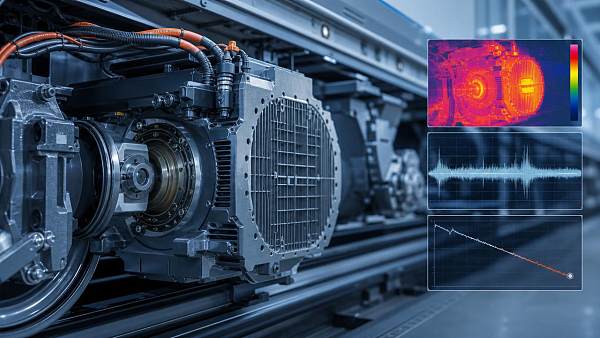
Predictive maintenance matters because unstable duty cycles do not produce linear damage. A motor can operate normally for months, then degrade quickly once thermal stress, vibration amplitude, or contamination passes a threshold. Traditional periodic maintenance every 6 or 12 months may miss those transitions, especially in fleets with route variation or changing ridership patterns.
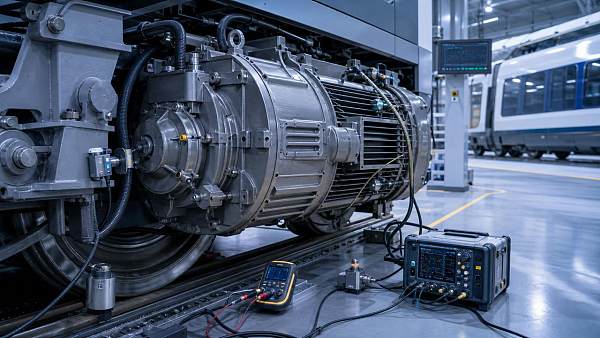
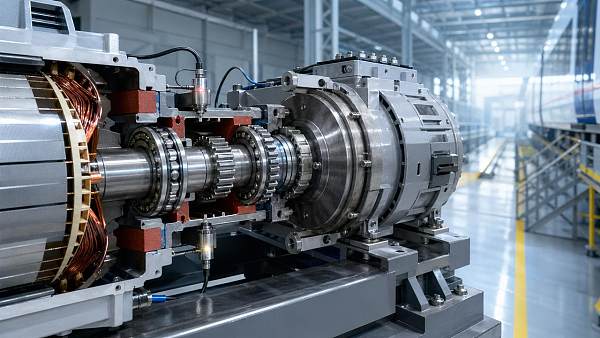
For traction motors, useful predictive maintenance signals often include winding temperature trend, bearing vibration behavior, insulation condition indicators, inverter fault correlation, and abnormal current signatures. None of these should be interpreted in isolation. The strongest maintenance decisions come from combining motor data with bogie inspection records, wheel condition, and track maintenance findings over a rolling time window.
From a business perspective, predictive maintenance supports 3 important outcomes: fewer unplanned withdrawals from service, better spare parts planning, and stronger justification for lifecycle-focused procurement. It also supports carbon-neutral rail objectives because efficient assets consume less avoidable energy and require fewer emergency interventions across the maintenance chain.
What a practical monitoring scope usually includes
Core data points
- Temperature tracking at defined operating stages, such as start-up, continuous run, and regenerative braking events.
- Vibration trend review at regular intervals, often weekly or monthly depending on fleet criticality and route severity.
- Correlation of motor alerts with bogie, wheel, and track maintenance logs to distinguish symptom from root cause.
- Maintenance prioritization using a 3-tier model: observe, schedule intervention, or remove for urgent inspection.
G-RTI’s role is not limited to commenting on hardware. Its benchmarking framework helps organizations compare digital maintenance readiness, documentation quality, and practical implementation pathways across suppliers. For operators and manufacturers entering new markets, this matters because predictive maintenance value depends on interoperability, data clarity, and compliance awareness, not only on sensor availability.
In tender reviews, teams should ask whether a supplier can support condition-based maintenance decisions within the project’s actual service model. A sophisticated monitoring layer is far less useful if maintenance teams lack clear thresholds, spare availability within 2–8 weeks, or documentation that aligns with operator approval procedures.
How standards and compliance shape traction motor decisions across export markets
Standards do not eliminate wear, but they structure how risk is identified, documented, and controlled. In international rail projects, EN 50126 and IEC 62278 are frequently referenced in relation to RAMS-oriented lifecycle thinking, while ISO/TS 22163 is relevant to quality management expectations across the rail supply chain. For traction motors operating under unstable duty cycles, these frameworks help buyers ask better questions before failure patterns emerge in service.
This matters even more for organizations bridging manufacturing and export compliance. A technically capable motor may still face approval delays if the supporting quality records, validation logic, interface assumptions, or maintenance documentation are incomplete. That is a recurring challenge for global sourcing programs moving between Asian production capabilities and the regulatory expectations of Europe, North America, and the Middle East.
The following table summarizes how common standards-related concerns connect to traction motor evaluation and project execution. It is not a substitute for project-specific compliance review, but it helps business and technical teams align terminology early in the procurement cycle.
The practical lesson is clear: compliance should be treated as a performance factor, not only a paperwork step. When documentation properly reflects duty-cycle assumptions, maintenance philosophy, and interface conditions, procurement teams can compare suppliers on a more realistic basis. That reduces the risk of selecting a motor that is technically acceptable on paper but commercially risky in execution.
Common misconceptions that create avoidable risk
Misread assumptions
- Assuming rated performance guarantees durability under highly variable stop-start operation.
- Assuming repeated motor wear always points to motor design rather than track, bogie, or power quality issues.
- Assuming compliance documents can be completed after award without affecting schedule, approval, or technical clarity.
- Assuming predictive maintenance tools automatically reduce failure risk without defined thresholds and service workflows.
These misconceptions are costly because they distort root-cause analysis and procurement timing. G-RTI addresses this by combining technical benchmarking, standards awareness, and supply-chain interpretation in one decision support model, which is particularly useful for multinational projects and distributor-led market development.
FAQ for researchers, evaluators, and channel partners
How can buyers tell whether traction motor wear is caused by duty cycle instability or poor component quality?
Start with pattern analysis over at least 3 sources of evidence: maintenance history, route operating profile, and related subsystem condition. If wear accelerates after timetable changes, higher passenger load, or altered braking strategy, duty cycle instability may be the trigger. If wear concentrates in one batch or one supplier lot despite similar operating conditions, component quality or process consistency may be a stronger suspect.
The most reliable approach compares motor findings with bogie inspection, wheel condition, and power system events over a period such as 3–12 months. This avoids the common mistake of judging a traction motor by a single workshop observation.
Which rail applications should prioritize predictive maintenance first?
Dense metro fleets, high-utilization regional fleets, and export projects with strict availability targets should usually prioritize predictive maintenance first. These applications often face the greatest combination of stop-start intensity, limited maintenance windows, and commercial penalties for unplanned service disruption. Where inspection intervals are already tight, condition-based insights can improve resource allocation without waiting for a full digital overhaul.
A practical starting point is a phased rollout in 2–3 steps: monitor critical fleets, validate thresholds, then expand to broader asset groups once maintenance teams trust the data.
What should distributors and agents ask suppliers before representing a traction motor line?
They should ask for more than brochures. Key requests include duty-cycle application references by segment, maintenance interval assumptions, documentation package scope, expected lead times, spare parts logic, and standards-related support for target export regions. It is also important to understand whether the supplier can discuss integration with bogie systems, traction power conditions, and predictive maintenance workflows.
This broader supplier dialogue helps channel partners avoid underqualified representation in markets where buyers expect technical depth during pre-sales and tender clarification.
How long does traction motor technical evaluation usually take in a B2B rail project?
The answer depends on project maturity, but a focused technical-commercial review often takes 2–6 weeks for initial screening and longer when multiple standards, local operator rules, or customization requirements are involved. If route data, interface assumptions, and documentation scope are incomplete, the process can extend significantly because each unresolved point affects both engineering confidence and commercial negotiation.
Early alignment on 5 items usually saves time: operating profile, compliance targets, maintenance strategy, integration boundaries, and document deliverables.
Why work with G-RTI when evaluating traction motor wear, supply risk, and project fit?
G-RTI is positioned for organizations that need more than fragmented market news or isolated component data. Its value lies in connecting traction motors with the wider rail system: bogie behavior, track infrastructure, signaling-linked operating profiles, traction power supply conditions, standards expectations, and tender realities across global transit markets. That system-level perspective is especially important when unstable duty cycles are driving wear faster than maintenance teams expect.
For information researchers, G-RTI provides benchmark-oriented clarity. For technical evaluators, it supports more grounded comparison across product design, reliability assumptions, and compliance fit. For commercial evaluators and channel partners, it helps translate engineering risk into sourcing, positioning, and negotiation decisions that are easier to defend internally and externally.
If you are reviewing traction motor options for high-speed rail, urban metro transit, or cross-border rolling stock programs, you can consult G-RTI on specific decision points instead of relying on generic claims. Typical consultation topics include parameter confirmation, route-duty matching, product selection logic, indicative delivery cycles, customization pathways, standards and certification requirements, sample or pilot evaluation support, and quotation alignment for target markets.
That makes the next step practical. Bring your operating scenario, tender requirement, or current wear concern into the discussion. G-RTI can help structure a review covering 4 essential areas: duty-cycle risk, system interface fit, compliance readiness, and supply-chain execution. For organizations making high-value rail decisions, that is often the difference between a low-price purchase and a defensible long-term asset strategy.
Search News
Industry Portal
Hot Articles
Popular Tags
- urban metro transit
- traction power supply
- rolling stock manufacturers
- rail procurement
- rail supply chain
- ISO/TS 22163
- IEC 62278
- EN 50126
- high-speed rail
- urban metro
- track maintenance
- traction power
- rolling stock
- bogie systems
- predictive maintenance
- EPC contractors
- carbon-neutral rail
- rail transit efficiency
- rail regulatory frameworks
Recommended News
 May 17, 2026How to judge rail traction motors beyond nameplate specsRail traction motors need more than nameplate checks. Learn how to assess thermal life, vibration, bearings, compliance, and lifecycle risk for safer rail performance.
 May 15, 2026Early Warning Signs of Rail Traction Motor FailureRail traction motors show early failure signs through vibration, heat, insulation loss, and noise. Learn what to spot first to prevent costly rail downtime and improve fleet reliability.
 May 14, 2026Rail Traction Motors: Repair Cost Traps You Can Spot EarlyRail traction motors can hide costly failures long before breakdowns occur. Learn the early warning signs that help rail teams cut repair costs, protect uptime, and plan maintenance smarter.
 May 11, 2026Rail traction motors: the hidden reasons behind early failureRail traction motors fail early for reasons beyond aging. Discover hidden causes like insulation stress, heat, contamination, and weak diagnostics to improve fleet reliability.
 May 09, 2026How rail carbon neutrality targets reshape traction choicesRail carbon neutrality targets are reshaping traction decisions across rail networks. Compare electric, battery, hydrogen, and diesel options by lifecycle cost, compliance risk, and long-term value.
 May 08, 2026Rail Traction Motors: Rebuild or Replace When Performance Drops?Rail traction motors losing efficiency? Learn when to rebuild or replace based on performance signals, downtime risk, lifecycle cost, and compliance for more reliable rail operations.
 May 07, 2026When Rail Tier-1 Suppliers Become a Project BottleneckRail Tier-1 suppliers can quietly derail metro, high-speed, retrofit, and export projects. Discover where bottlenecks start, how to spot risk early, and what managers should check before delays grow.
 May 06, 2026Rail Traction Motors Compared by Heat Load and Service LifeRail traction motors compared by heat load and service life: discover which designs deliver better cooling, longer overhaul intervals, and lower lifecycle cost for demanding rail operations.
 May 03, 2026Common failure signs in rail traction motors you should not missRail traction motors can show early warning signs before major failure. Learn how to spot noise, overheating, vibration, insulation issues, and power loss to protect safety and uptime.
 May 02, 2026Rail Traction Motors: Repair Cost Signs Worth Catching EarlyRail traction motors warning signs like vibration, heat, odor, and abnormal current can drive repair costs up fast. Learn how early diagnosis cuts downtime and protects fleet reliability.
 Apr 30, 2026How to spot premature wear in rail traction motorsRail traction motors can fail quietly from overheating, vibration, insulation decline, or bearing wear. Learn how to spot early signs fast and protect fleet reliability.
 Apr 29, 2026When rail traction motors fail early, what usually gets missed?Rail traction motors often fail early due to hidden heat, insulation, bearing, or alignment issues. Learn what maintenance teams miss to cut repeat failures and improve fleet reliability.
 Apr 23, 2026Traction motors wear faster under unstable duty cyclesRail traction motors wear faster under unstable duty cycles. Learn how predictive maintenance, bogie systems, traction power, and EN 50126 compliance improve rolling stock reliability.
 Apr 23, 2026Traction motors can pass tests and still fail in serviceRail traction motors may pass rail standards yet fail in service. Learn how predictive maintenance, bogie systems, traction power, and rail regulatory frameworks improve rolling stock reliability.

Quarterly Executive Summaries Delivered Directly.
Join 50,000+ industry leaders who receive our proprietary market analysis and policy outlooks before they hit the public library.