

How to judge rail traction motors beyond nameplate specs
Dr. Alistair Thorne
Time
Click Count
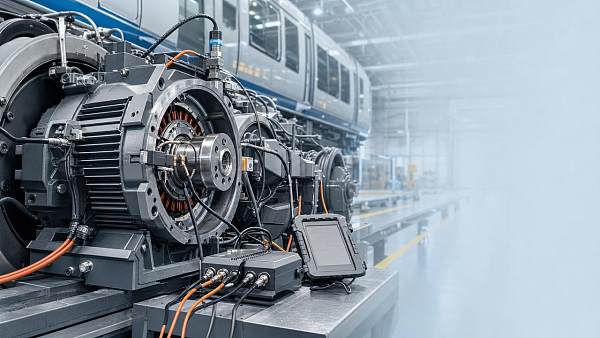
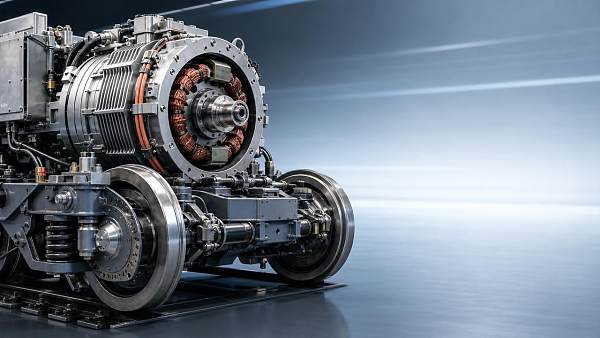
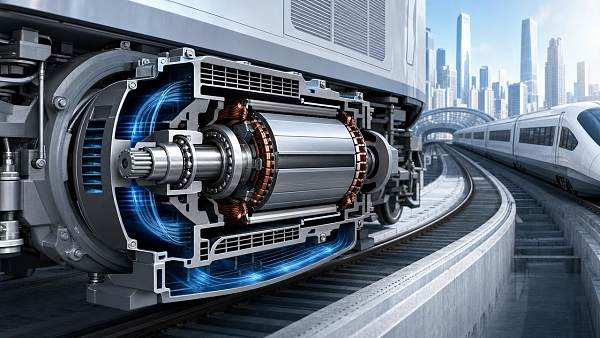
Nameplate data can confirm basic ratings, but it rarely shows real operating behavior. For rail traction motors, actual reliability depends on heat, vibration, contamination, braking stress, and maintenance intervals.
A sound evaluation should test more than voltage, current, speed, and power. It should examine insulation life, bearing robustness, traceable compliance, thermal reserves, and lifecycle risk.
This matters across modern rail systems, from metro fleets to high-speed units. Strong judgment of rail traction motors supports safer operation, lower downtime, and better alignment with international rail standards.
What does a nameplate miss when judging rail traction motors?
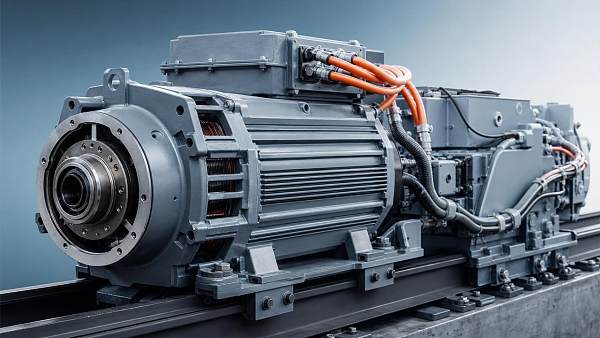
A nameplate states rated power, voltage, current, speed, duty, and sometimes insulation class. These values are useful, but they are only entry-level indicators.
Rail traction motors operate in highly dynamic conditions. Repeated acceleration, regenerative braking, wheel slip events, and ambient variation create stresses that static ratings cannot capture.
Thermal cycling is a major blind spot. A motor may pass rated output tests, yet still degrade quickly if hotspot control is poor under repeated start-stop service.
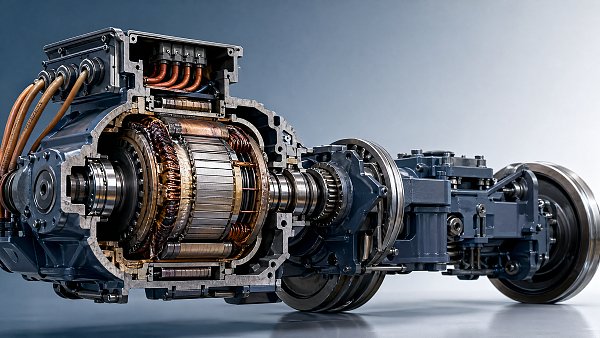
Mechanical endurance also stays hidden. Rotor balance, shaft alignment tolerance, and bearing fit quality often decide whether rail traction motors remain stable over long mileage.
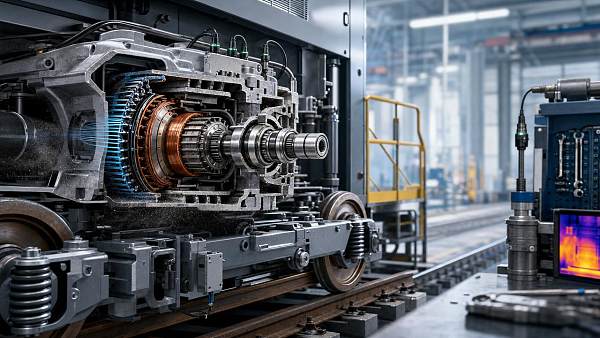
Another missing area is contamination tolerance. Dust, moisture, brake particles, oil mist, and conductive debris can attack insulation systems and cooling paths over time.
Finally, the nameplate says little about traceability. It does not prove process control, test records, material consistency, or compliance with railway-specific quality frameworks.
Key hidden factors behind field performance
- Insulation aging under repetitive thermal shock
- Bearing life under shock, vibration, and current leakage
- Cooling effectiveness during peak traction and braking
- Resistance to humidity, dust, and corrosive exposure
- Consistency between prototype tests and serial production
How should thermal and insulation performance be checked?
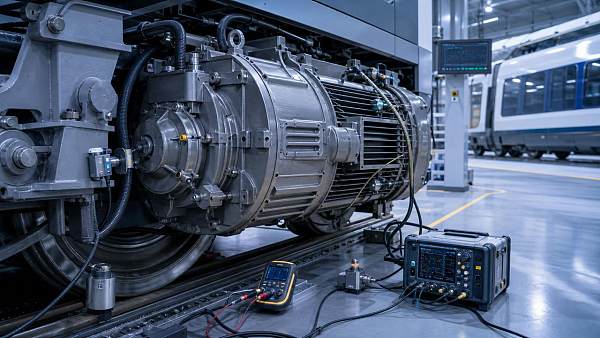
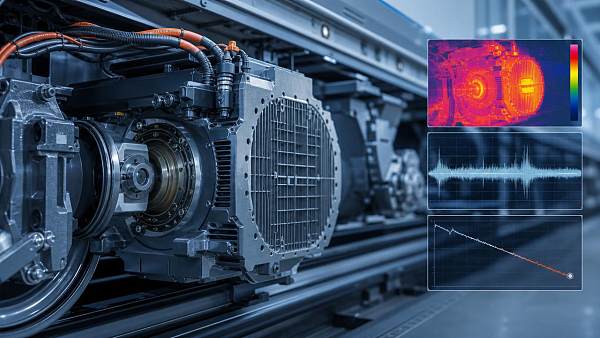
Thermal behavior is one of the most important indicators for rail traction motors. A motor survives not by rated output alone, but by controlling winding and hotspot temperatures.
Start with insulation system design. Insulation class matters, but the full question is whether the system retains dielectric strength after repeated service cycles.
Check temperature rise under realistic duty profiles. Continuous urban stop-start service and high-speed cruise loads stress motors in very different ways.
Look for evidence from thermal endurance tests, surge tests, partial discharge control, and winding impregnation quality. These reveal how well the system resists long-term degradation.
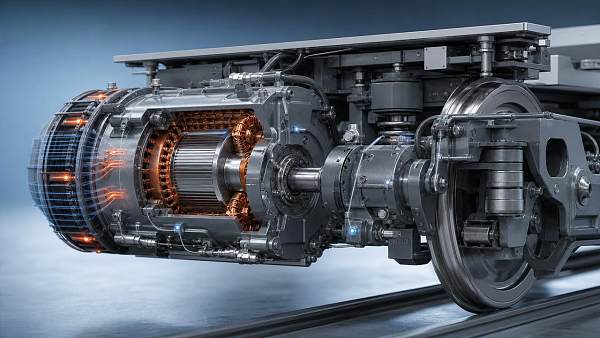
Cooling path design is equally critical. Forced ventilation, self-ventilation, or liquid-assisted solutions must match the intended operating envelope and enclosure protection level.
If data is available, compare rated temperature margins with overload events. Healthy rail traction motors keep stable thermal reserves during acceleration bursts and regenerative braking transitions.
Useful thermal verification points
- Winding temperature rise under representative duty cycles
- Hotspot measurement method and sensor placement
- Insulation impregnation process repeatability
- Thermal aging data and dielectric retention
- Cooling blockage tolerance under contaminated conditions
Why are bearings, vibration, and mechanical integrity so important?
Many rail traction motors fail mechanically before they fail electrically. Bearings often become the first weak point in harsh rail operating environments.
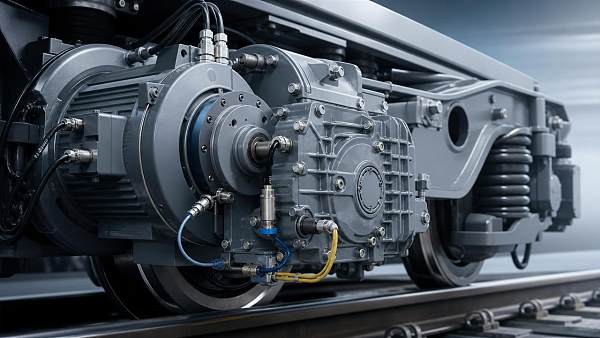
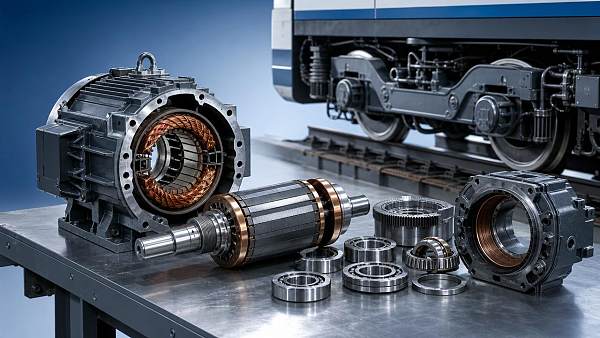
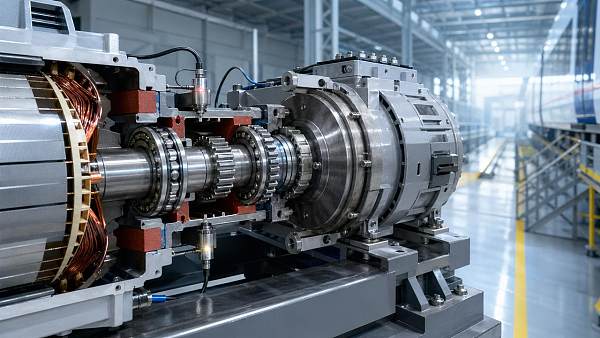
Judgment should include bearing type, lubrication strategy, sealing design, and resistance to stray current damage. These factors directly affect maintenance intervals and fleet availability.
Vibration performance deserves separate review. Rotor eccentricity, balancing quality, mounting stiffness, and gearbox interaction can amplify stress throughout the traction package.
Ask whether test data covers shock, resonance, and vibration endurance. Rail traction motors installed on bogies face repeated structural loads that differ from standard industrial motor applications.
Mechanical integrity also includes shaft surface treatment, rotor retention, fastener reliability, and dimensional consistency. Small production deviations can create large service consequences.
Where possible, connect design claims with teardown findings, service reports, or accelerated endurance data. Mechanical credibility should be demonstrated, not assumed.
Warning signs of weak mechanical robustness
- Limited bearing current mitigation evidence
- No vibration spectrum data under full load
- Unclear balancing grade or rotor retention method
- Incomplete shock and resonance qualification records
- Weak linkage between design and field maintenance data
How can compliance traceability and manufacturing consistency be verified?
Reliable rail traction motors are not defined only by design drawings. They depend on manufacturing discipline, test documentation, and quality system maturity.
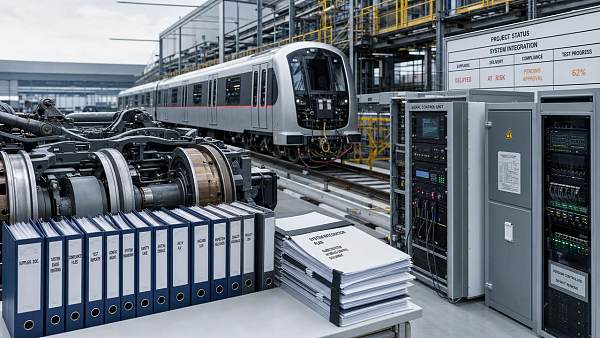
Review whether production follows documented railway quality frameworks. Traceability should connect raw materials, winding processes, balancing records, final tests, and serial numbers.
Check alignment with standards such as ISO/TS 22163, IEC requirements, and relevant EN railway lifecycle expectations. Compliance should be supported by records, not marketing claims.
Factory acceptance data should be specific. Typical evidence includes routine electrical tests, no-load and load verification, insulation checks, overspeed control, and vibration measurement.
Consistency between prototype and mass production is vital. Some rail traction motors perform well in qualification but drift in quality during scaled manufacturing.
A good verification approach compares process capability, nonconformance handling, supplier control, and field corrective action feedback. These elements reduce hidden lifecycle risk.
What application differences affect the judgment of rail traction motors?
Not all rail traction motors face the same duty profile. Evaluation should match the operating scenario, not rely on a universal checklist alone.
Urban metro service usually means frequent starts, dense braking cycles, tunnel heat, and contamination from confined infrastructure. Thermal cycling and braking interaction become central concerns.
High-speed rail introduces different pressures. Aerodynamic heating, sustained high rotational speeds, and tighter vibration expectations place more emphasis on rotor stability and efficiency control.
Regional and freight services may stress torque durability, long-distance maintainability, and resistance to environmental variation. Dust ingress and temperature fluctuation can be more severe.
Mixed-service fleets need broader qualification boundaries. Rail traction motors should be assessed for operational flexibility, not just peak output.
The best judgment connects motor design with route gradient, braking profile, axle load, enclosure exposure, and service interval strategy.
Scenario-based focus points
What common mistakes lead to poor decisions on rail traction motors?
One frequent mistake is comparing only rated power and efficiency. These numbers matter, but they do not reveal degradation speed or maintenance burden.
Another mistake is treating industrial motor evidence as sufficient for railway service. Rail traction motors require stronger proof under shock, vibration, and braking duty.
Some evaluations ignore inverter interaction. Harmonic stress, insulation voltage rise, and bearing current risk can shorten life if drive compatibility is weak.
Short-term cost focus creates another risk. Lower initial price may hide higher replacement rates, more downtime, or stricter maintenance demands over the asset lifecycle.
It is also risky to accept incomplete test summaries. Reliable rail traction motors should be backed by clear methods, acceptance criteria, and reproducible records.
A stronger approach combines technical review, test witness evidence, compliance checks, and service-life reasoning. That creates a balanced, defensible judgment.
Quick FAQ summary
Judging rail traction motors beyond nameplate specs means assessing how they survive real rail conditions. The best decisions combine thermal evidence, mechanical durability, compliance traceability, and service-fit analysis.
For any upcoming evaluation, build a checklist around duty cycle, insulation endurance, bearing protection, vibration records, and manufacturing consistency. That next step turns basic ratings into a reliable technical decision.
Search News
Industry Portal
Hot Articles

Popular Tags
Recommended News
 May 22, 2026When do rail traction motors signal early failure risks?Rail traction motors show early failure risks through rising vibration, heat, insulation decline, and current imbalance. Learn the warning signs that protect uptime, safety, and lifecycle cost.
 May 21, 2026Why rail traction motors fail earlier than expectedRail traction motors fail early from heat, contamination, overload, and maintenance gaps. Learn the hidden causes and practical fixes to reduce downtime and extend fleet life.
 May 17, 2026How to judge rail traction motors beyond nameplate specsRail traction motors need more than nameplate checks. Learn how to assess thermal life, vibration, bearings, compliance, and lifecycle risk for safer rail performance.
 May 15, 2026Early Warning Signs of Rail Traction Motor FailureRail traction motors show early failure signs through vibration, heat, insulation loss, and noise. Learn what to spot first to prevent costly rail downtime and improve fleet reliability.
 May 14, 2026Rail Traction Motors: Repair Cost Traps You Can Spot EarlyRail traction motors can hide costly failures long before breakdowns occur. Learn the early warning signs that help rail teams cut repair costs, protect uptime, and plan maintenance smarter.
 May 11, 2026Rail traction motors: the hidden reasons behind early failureRail traction motors fail early for reasons beyond aging. Discover hidden causes like insulation stress, heat, contamination, and weak diagnostics to improve fleet reliability.
 May 09, 2026How rail carbon neutrality targets reshape traction choicesRail carbon neutrality targets are reshaping traction decisions across rail networks. Compare electric, battery, hydrogen, and diesel options by lifecycle cost, compliance risk, and long-term value.
 May 08, 2026Rail Traction Motors: Rebuild or Replace When Performance Drops?Rail traction motors losing efficiency? Learn when to rebuild or replace based on performance signals, downtime risk, lifecycle cost, and compliance for more reliable rail operations.
 May 07, 2026When Rail Tier-1 Suppliers Become a Project BottleneckRail Tier-1 suppliers can quietly derail metro, high-speed, retrofit, and export projects. Discover where bottlenecks start, how to spot risk early, and what managers should check before delays grow.
 May 06, 2026Rail Traction Motors Compared by Heat Load and Service LifeRail traction motors compared by heat load and service life: discover which designs deliver better cooling, longer overhaul intervals, and lower lifecycle cost for demanding rail operations.
 May 03, 2026Common failure signs in rail traction motors you should not missRail traction motors can show early warning signs before major failure. Learn how to spot noise, overheating, vibration, insulation issues, and power loss to protect safety and uptime.
 May 02, 2026Rail Traction Motors: Repair Cost Signs Worth Catching EarlyRail traction motors warning signs like vibration, heat, odor, and abnormal current can drive repair costs up fast. Learn how early diagnosis cuts downtime and protects fleet reliability.
 Apr 30, 2026How to spot premature wear in rail traction motorsRail traction motors can fail quietly from overheating, vibration, insulation decline, or bearing wear. Learn how to spot early signs fast and protect fleet reliability.
 Apr 29, 2026When rail traction motors fail early, what usually gets missed?Rail traction motors often fail early due to hidden heat, insulation, bearing, or alignment issues. Learn what maintenance teams miss to cut repeat failures and improve fleet reliability.
 Apr 23, 2026Traction motors wear faster under unstable duty cyclesRail traction motors wear faster under unstable duty cycles. Learn how predictive maintenance, bogie systems, traction power, and EN 50126 compliance improve rolling stock reliability.
 Apr 23, 2026Traction motors can pass tests and still fail in serviceRail traction motors may pass rail standards yet fail in service. Learn how predictive maintenance, bogie systems, traction power, and rail regulatory frameworks improve rolling stock reliability.

Quarterly Executive Summaries Delivered Directly.
Join 50,000+ industry leaders who receive our proprietary market analysis and policy outlooks before they hit the public library.