

Common failure signs in rail traction motors you should not miss
Dr. Alistair Thorne
Time
Click Count
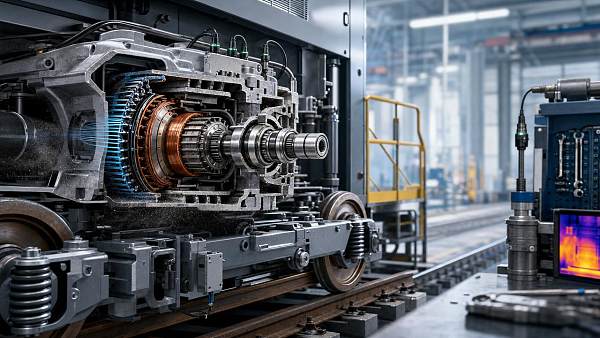
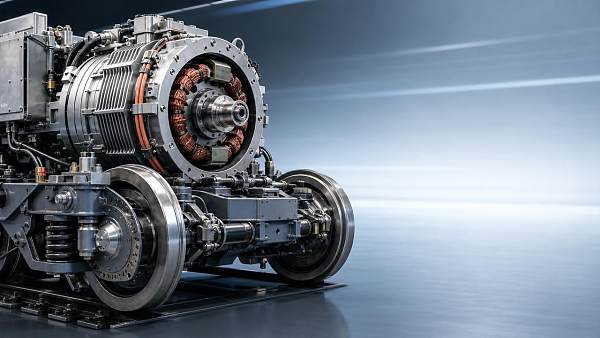
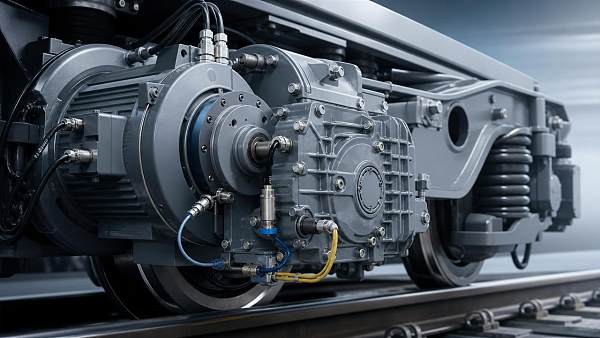
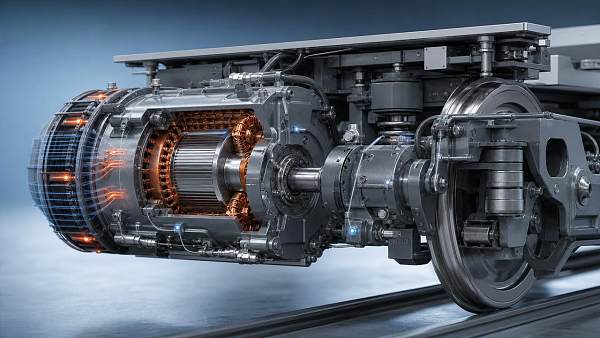
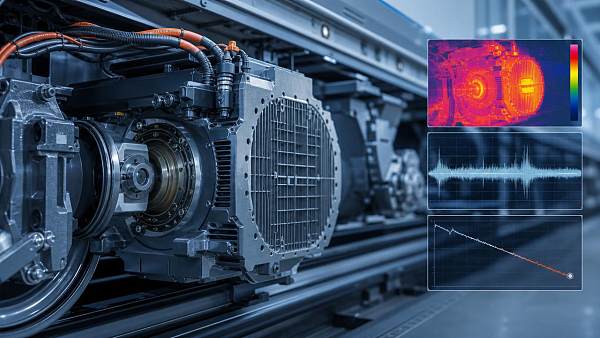
Rail traction motors rarely fail without warning, but the early signs are often overlooked until safety, uptime, and maintenance costs are at risk. For quality control and safety management teams, recognizing abnormal noise, overheating, vibration, insulation issues, and power loss is essential to preventing service disruption and equipment damage. This guide outlines the common failure signs you should not miss and why timely action matters.
Why a checklist approach works better for rail traction motors
For quality control and safety management teams, the challenge is rarely a lack of data. The real issue is deciding which warning signs in rail traction motors deserve immediate escalation and which can be handled through routine monitoring. A checklist-based review helps teams prioritize high-risk indicators before they develop into traction loss, line delays, component burn-out, or safety incidents.
This matters even more in mixed fleets, metro systems, regional trains, and high-duty urban operations where thermal cycling, frequent starts, and contamination accelerate wear. Instead of waiting for a complete failure, teams should verify a short list of repeatable indicators: sound, temperature, vibration, insulation condition, current behavior, and mechanical integrity. When these checks are standardized, rail traction motors become easier to assess across depots, shifts, and maintenance contractors.
First-priority checklist: failure signs you should not miss
If you need a fast inspection framework, start with the following high-value checks. These are the warning signs most likely to indicate deterioration in rail traction motors before a major outage occurs.
- Abnormal noise: Grinding, whining, rattling, or repetitive knocking may indicate bearing wear, rotor imbalance, gear interface issues, or mounting looseness. A change in sound profile under load is often more important than absolute sound level.
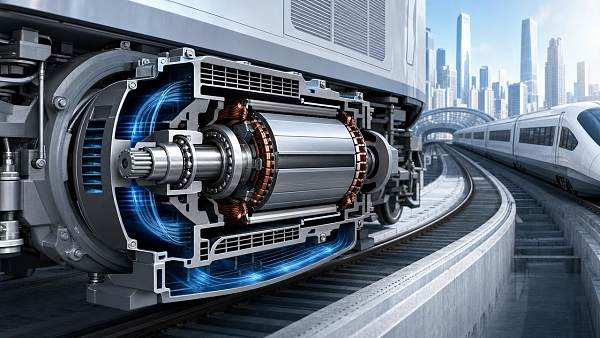
- Persistent overheating: Rising motor temperature beyond normal operating trend can point to overloading, poor ventilation, cooling path blockage, insulation degradation, or electrical imbalance.
- Excessive vibration: Vibration spikes may be linked to shaft misalignment, bearing damage, rotor eccentricity, wheel-rail shock transfer, or loose fasteners. Unchecked vibration can quickly damage adjacent systems.
- Insulation weakness: Low insulation resistance, moisture ingress, contamination by carbon dust, or repeated partial discharge events can lead to short circuits and flashover risk.
- Power loss or unstable traction output: Reduced acceleration, inconsistent torque, or current irregularity may reflect winding faults, inverter interaction problems, connection degradation, or thermal derating.
- Burning smell or discoloration: Odor, varnish smell, darkened terminals, or heat marks around cable interfaces are strong warning signs that should trigger immediate inspection.
- Frequent protective trips: Repeated overcurrent, overtemperature, or insulation monitoring alarms should never be normalized as “temporary nuisance” events.
How to judge each failure sign with better accuracy
1. Abnormal noise: listen for change, not just volume
In rail traction motors, a new sound pattern often appears before measurable temperature or power abnormalities. Quality inspectors should compare sound during start-up, steady load, coast, and regenerative braking. A sharp metallic sound may suggest bearing or coupling distress. A high-pitched whine can indicate electromagnetic imbalance or drive-related harmonic effects. Intermittent knocking may point to mounting looseness or internal mechanical contact.
The key judgment standard is repeatability. If the same sound appears under the same operating condition across multiple runs, it should be logged, trended, and escalated. Random noise from track condition should not be confused with motor-specific acoustic changes.
2. Overheating: trend data matters more than a single reading
A traction motor can appear functional while already operating in a damaging thermal range. One common mistake is treating temperature alarms as the first warning. In reality, a gradual rise in baseline temperature is often the earlier sign. Compare current temperature against route type, ambient conditions, load profile, and recent maintenance history. If one unit consistently runs hotter than peer units in similar service, that deviation deserves immediate review.
Safety teams should also verify whether heat is concentrated at bearings, winding zones, terminal boxes, or cooling passages. Each pattern suggests a different root cause. Localized bearing heat differs from full-body heating caused by overload or ventilation failure.
3. Vibration: one of the most actionable early indicators
Among all failure signs in rail traction motors, vibration is one of the easiest to monitor and one of the easiest to underestimate. Vibration can reveal imbalance, looseness, bearing fatigue, misalignment, and structural stress long before catastrophic failure. The best practice is not just to record amplitude, but to monitor frequency pattern, direction, and change over time.
For quality control teams, an isolated high reading is less useful than a trend. A motor that shows growing vibration after recent bearing replacement, bogie work, or wheel reprofiling may signal installation or alignment issues rather than internal motor damage alone.
4. Insulation deterioration: often hidden until the risk becomes severe
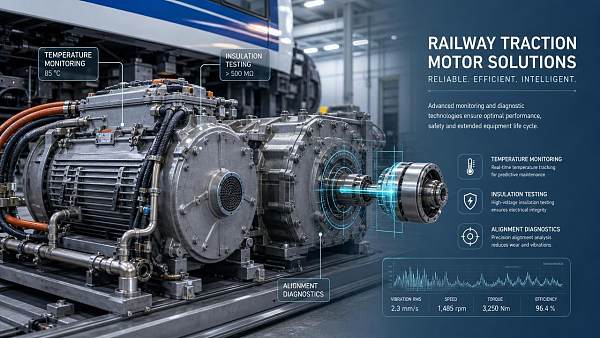
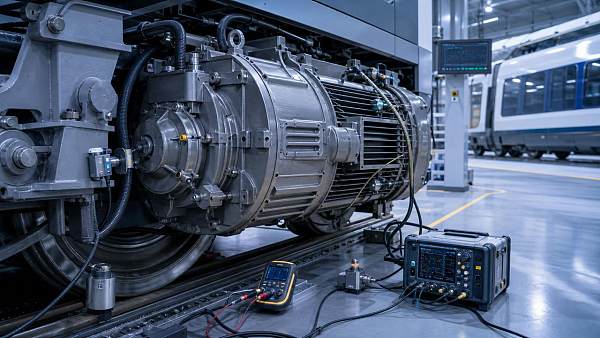
Insulation failure in rail traction motors is especially dangerous because it can remain invisible during normal operation. Moisture, dust, oil contamination, thermal aging, and repetitive electrical stress can all reduce insulation integrity. Teams should not rely on visual inspection only. Insulation resistance testing, polarization index review, and trend comparison across service intervals are critical.
An important judgment point is environment. Motors operating in coastal, tunnel, flood-prone, or high-particulate routes face a higher contamination burden. In these cases, acceptable test values should always be interpreted alongside cleaning quality, sealing condition, and storage history.
5. Power loss and unstable output: treat performance change as a quality signal
Not every traction performance issue originates in the train control system. Rail traction motors may show reduced torque, delayed response, speed instability, or current imbalance when winding condition declines or electrical connections degrade. If drivers report sluggish acceleration or inconsistent traction under comparable load, this should be cross-checked against motor current, thermal behavior, and alarm records.
A useful rule is simple: if performance deviation is repeatable and cannot be explained by route, load, or weather, it should be investigated as a motor-health issue until proven otherwise.
Practical judgment table for QC and safety teams
The table below helps teams connect visible symptoms in rail traction motors with likely risk level and immediate action priority.
Extra checks by operating scenario
Urban metro and frequent-stop service
In metro duty cycles, rail traction motors face repeated acceleration and braking, making heat build-up and insulation stress more likely. Focus on temperature trend consistency, ventilation effectiveness, and alarm frequency after peak-hour operation.
High-speed and intercity operation
For higher-speed applications, even a small vibration deviation can become serious because dynamic loads amplify quickly. Bearing condition, rotor balance, and fastening integrity should be reviewed with tighter thresholds.
Harsh environment routes
Where dust, moisture, salt, or flood exposure is common, insulation condition and sealing effectiveness must move higher on the checklist. In such routes, rail traction motors may fail earlier from contamination than from normal mechanical aging.
Commonly overlooked items that increase failure risk
- Ignoring fleet comparison: A motor may still pass its limit but remain abnormal compared with identical units.
- Closing alarms without root-cause review: Repeated resets can hide a progressive fault pattern.
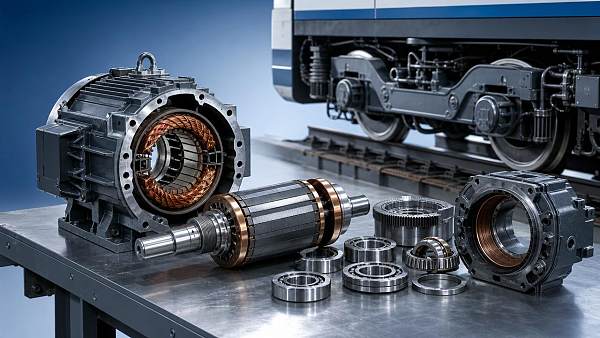
- Focusing only on the motor body: Cable terminations, mounting hardware, cooling ducts, and adjacent transmission components also affect rail traction motors.
- Separating maintenance data from operations feedback: Driver complaints, depot records, and condition monitoring should be analyzed together.
- Not verifying post-repair baseline: After overhaul or component replacement, new reference values should be established rather than assuming the old baseline still applies.
Execution advice: what teams should do next
To improve reliability and safety outcomes, quality control and safety management teams should create a practical escalation path for rail traction motors. Start by defining which symptoms trigger immediate withdrawal, restricted service, or enhanced monitoring. Then ensure every inspection record includes operating condition, symptom severity, trend direction, and comparison with similar units.
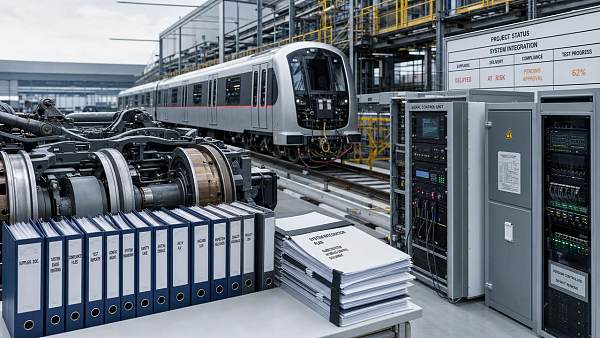
It is also useful to align internal checks with recognized rail quality and lifecycle management frameworks such as ISO/TS 22163, IEC 62278, and EN 50126, especially when working across multiple suppliers or international fleets. This helps teams convert scattered workshop observations into auditable maintenance decisions and more credible risk controls.
FAQ: quick answers for common decision points
Should rail traction motors be removed from service after one abnormal reading?
Not always. One isolated reading may require confirmation. However, severe overheating, insulation failure, burning smell, or strong mechanical noise should be treated as high-risk and assessed immediately.
Which sign usually appears first?
There is no single rule, but abnormal noise, gradual vibration increase, and rising thermal baseline are among the most common early indicators in rail traction motors.
What data should be prepared before supplier or engineering review?
Prepare alarm history, route conditions, load profile, maintenance records, insulation test results, temperature trend data, vibration logs, and any driver or operator observations. This speeds root-cause analysis and reduces unnecessary part replacement.
Final checkpoint for safer decisions
The most costly failures in rail traction motors are often preceded by small but traceable warning signs. For QC personnel and safety managers, the priority is not to memorize every failure mode, but to consistently check the few indicators that reveal real deterioration early: noise, heat, vibration, insulation condition, and traction performance. If you need to move from basic observation to stronger control, the next conversation should focus on motor model data, duty cycle, test thresholds, maintenance history, retrofit compatibility, spare parts lead time, and risk classification criteria. That is the fastest path to turning warning signs into preventive action.
Search News
Industry Portal
Hot Articles
Popular Tags
Recommended News
 Jun 16, 2026Industrial IoT for Predictive Maintenance in Traction Motors: Key Sensors, Data, and ROI ChecksIndustrial IoT for predictive maintenance in traction motors: learn which sensors, data signals, and ROI checks matter most across rail projects to reduce failures and improve uptime.
 Jun 15, 2026How to Choose Drivetrain Solutions for Rail Systems: Torque, Efficiency, and Lifecycle CostsDrivetrain solutions for rail systems: learn how to evaluate torque, efficiency, and lifecycle costs to reduce risk, improve reliability, and choose smarter long-term fleet performance.
 Jun 14, 2026Multi Ground Spark Plugs vs Standard Plugs: Do They Improve Ignition or Just Last Longer?Multi ground spark plugs: do they boost ignition or mainly extend service life? Learn the real benefits, durability trade-offs, and how to choose the right plug for your engine.
 Jun 07, 2026Solid-State Battery Breakthroughs for Long Lifespan: What Limits Cycle Life?Solid-state battery breakthroughs long lifespan insights: discover what limits cycle life, from interface instability to manufacturing consistency, and why it matters for safer, bankable mobility energy systems.
 Jun 02, 2026Impact of Hydrogen on Rail Power: Grid Demand, Storage, and Traction UseImpact of hydrogen on rail power is reshaping grid demand, storage, and traction strategy. Explore where hydrogen can cut diesel use and strengthen future rail networks.
 May 28, 2026When rail traction motors fail, what gets overlooked firstRail traction motors often fail because hidden cooling, bearing, or insulation issues are missed first. Learn how early diagnosis cuts repeat faults, downtime, and lifecycle cost.
 May 22, 2026When do rail traction motors signal early failure risks?Rail traction motors show early failure risks through rising vibration, heat, insulation decline, and current imbalance. Learn the warning signs that protect uptime, safety, and lifecycle cost.
 May 21, 2026Why rail traction motors fail earlier than expectedRail traction motors fail early from heat, contamination, overload, and maintenance gaps. Learn the hidden causes and practical fixes to reduce downtime and extend fleet life.
 May 17, 2026How to judge rail traction motors beyond nameplate specsRail traction motors need more than nameplate checks. Learn how to assess thermal life, vibration, bearings, compliance, and lifecycle risk for safer rail performance.
 May 15, 2026Early Warning Signs of Rail Traction Motor FailureRail traction motors show early failure signs through vibration, heat, insulation loss, and noise. Learn what to spot first to prevent costly rail downtime and improve fleet reliability.
 May 14, 2026Rail Traction Motors: Repair Cost Traps You Can Spot EarlyRail traction motors can hide costly failures long before breakdowns occur. Learn the early warning signs that help rail teams cut repair costs, protect uptime, and plan maintenance smarter.
 May 11, 2026Rail traction motors: the hidden reasons behind early failureRail traction motors fail early for reasons beyond aging. Discover hidden causes like insulation stress, heat, contamination, and weak diagnostics to improve fleet reliability.
 May 09, 2026How rail carbon neutrality targets reshape traction choicesRail carbon neutrality targets are reshaping traction decisions across rail networks. Compare electric, battery, hydrogen, and diesel options by lifecycle cost, compliance risk, and long-term value.
 May 08, 2026Rail Traction Motors: Rebuild or Replace When Performance Drops?Rail traction motors losing efficiency? Learn when to rebuild or replace based on performance signals, downtime risk, lifecycle cost, and compliance for more reliable rail operations.
 May 07, 2026When Rail Tier-1 Suppliers Become a Project BottleneckRail Tier-1 suppliers can quietly derail metro, high-speed, retrofit, and export projects. Discover where bottlenecks start, how to spot risk early, and what managers should check before delays grow.
 May 06, 2026Rail Traction Motors Compared by Heat Load and Service LifeRail traction motors compared by heat load and service life: discover which designs deliver better cooling, longer overhaul intervals, and lower lifecycle cost for demanding rail operations.
 May 03, 2026Common failure signs in rail traction motors you should not missRail traction motors can show early warning signs before major failure. Learn how to spot noise, overheating, vibration, insulation issues, and power loss to protect safety and uptime.
 May 02, 2026Rail Traction Motors: Repair Cost Signs Worth Catching EarlyRail traction motors warning signs like vibration, heat, odor, and abnormal current can drive repair costs up fast. Learn how early diagnosis cuts downtime and protects fleet reliability.
 Apr 30, 2026How to spot premature wear in rail traction motorsRail traction motors can fail quietly from overheating, vibration, insulation decline, or bearing wear. Learn how to spot early signs fast and protect fleet reliability.
 Apr 29, 2026When rail traction motors fail early, what usually gets missed?Rail traction motors often fail early due to hidden heat, insulation, bearing, or alignment issues. Learn what maintenance teams miss to cut repeat failures and improve fleet reliability.
 Apr 23, 2026Traction motors wear faster under unstable duty cyclesRail traction motors wear faster under unstable duty cycles. Learn how predictive maintenance, bogie systems, traction power, and EN 50126 compliance improve rolling stock reliability.
 Apr 23, 2026Traction motors can pass tests and still fail in serviceRail traction motors may pass rail standards yet fail in service. Learn how predictive maintenance, bogie systems, traction power, and rail regulatory frameworks improve rolling stock reliability.

Quarterly Executive Summaries Delivered Directly.
Join 50,000+ industry leaders who receive our proprietary market analysis and policy outlooks before they hit the public library.