

Rail Engineering Integrity Checks That Catch Early Failures
Dr. Alistair Thorne
Time
Click Count
In rail systems, small integrity gaps can trigger costly downtime, safety incidents, and compliance risks long before visible failure appears. This article explores how rail engineering integrity checks help quality control and safety managers detect early warning signs across track, signaling, traction, and rolling stock systems, enabling faster intervention, stronger regulatory alignment, and more resilient transit performance.
For quality control teams and safety managers, the challenge is rarely the obvious defect. It is the slow drift: a tolerance moving from acceptable to marginal, a sensor response time extending by 20 milliseconds, a wheel profile wearing unevenly across only one axle, or an insulation value falling below its historical baseline weeks before a fault alarm is triggered. Effective rail engineering integrity programs are designed to identify these weak signals early, before they escalate into service disruption, emergency maintenance, or audit exposure.
This matters across the full rail asset chain. High-speed rail, urban metro, traction power, and advanced signaling all depend on integrity verification that is both technical and repeatable. For organizations operating in regulated international markets, integrity checks also support alignment with frameworks such as ISO/TS 22163, IEC 62278, and EN 50126, where traceability, lifecycle risk control, and documented validation are core expectations. In this environment, G-RTI helps decision-makers compare engineering performance against global benchmarks and translate data into procurement, maintenance, and compliance decisions.
Why Early Integrity Checks Matter in Modern Rail Operations
Rail engineering integrity is not limited to final inspection. It is a continuous verification discipline that examines whether components, systems, interfaces, and maintenance outcomes remain within safe and intended operating limits across the asset lifecycle. In practice, that lifecycle can span 20 to 35 years for track and power infrastructure, and 25 to 40 years for certain rolling stock platforms. A missed defect at commissioning can become a recurring cost center for decades.
For safety managers, the value of early detection is straightforward: fewer unplanned incidents, stronger root-cause visibility, and better control over hazard escalation. For quality control teams, the value is equally commercial. Detecting integrity drift during incoming inspection, factory acceptance testing, or the first 90 days of operation is typically less disruptive than corrective action during peak service. The difference can affect labor allocation, parts availability, and service continuity across entire corridors.
Common failure modes that begin as minor deviations
- Track geometry variation beyond maintenance thresholds, such as alignment or gauge drift approaching ±2 mm to ±4 mm action bands
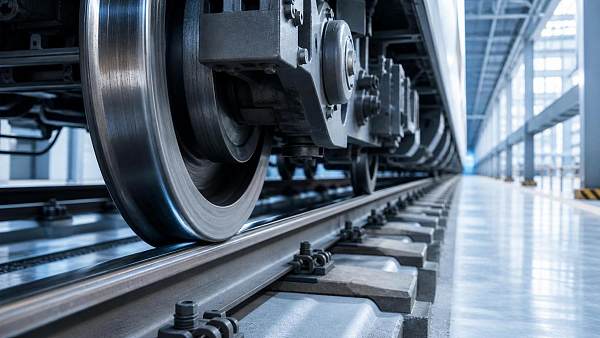
- Wheel-rail contact issues, including early corrugation, flange wear, or localized shelling
- Signaling data latency, interface instability, or intermittent communication loss in CBTC or ETCS subsystems
- Traction power anomalies, including rising transformer temperature, insulation degradation, or harmonic distortion
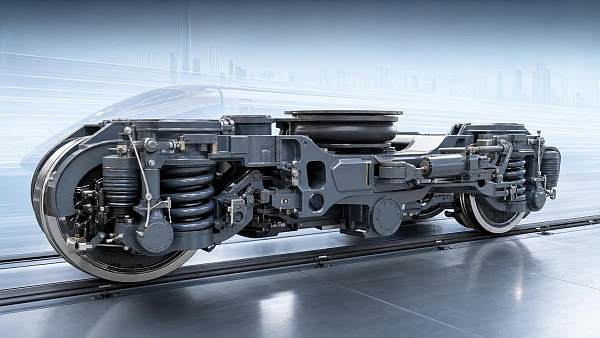
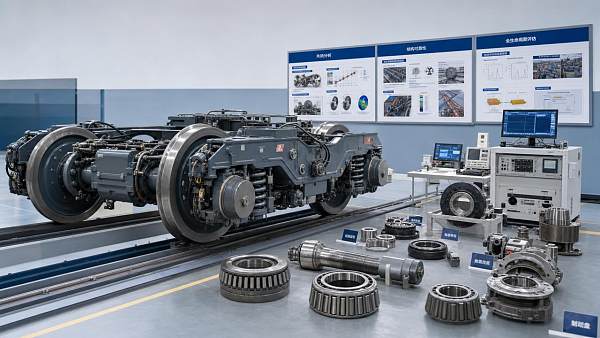
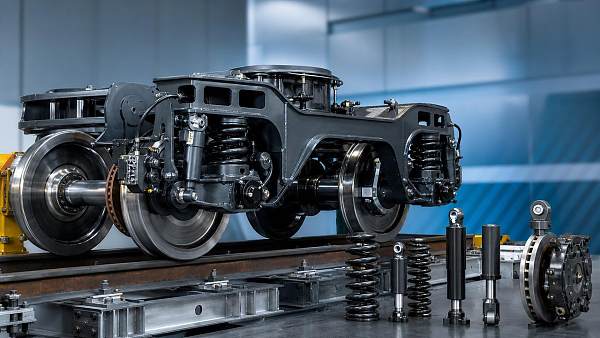
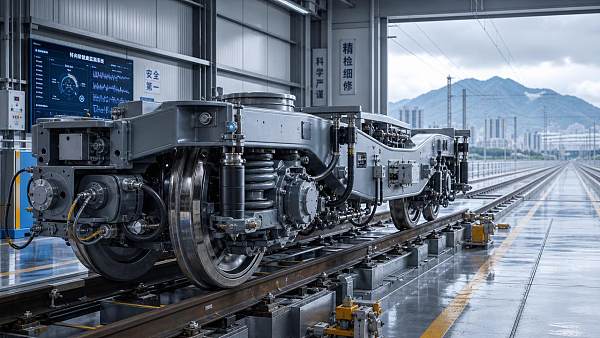
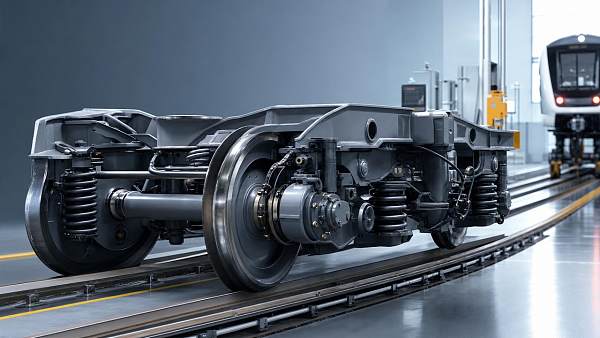
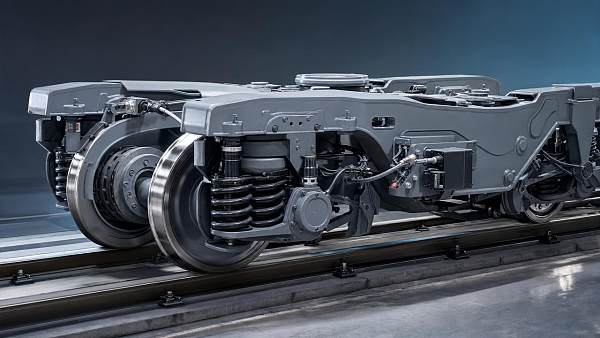
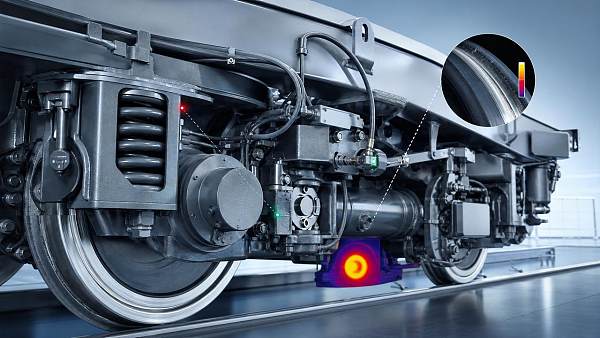
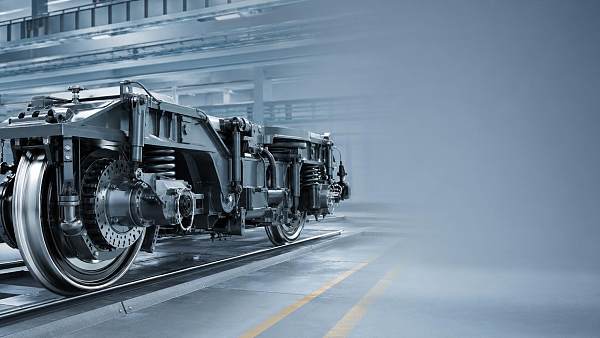
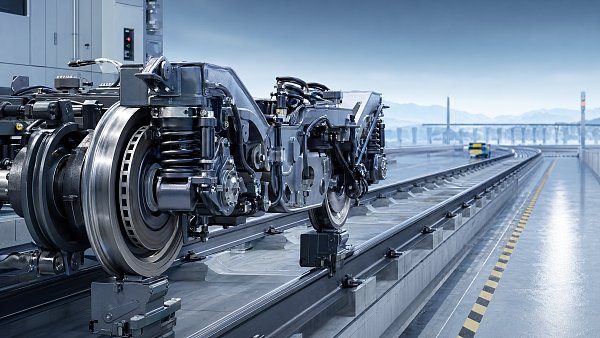
- Bogie, suspension, or bearing condition changes that appear first in vibration or thermal trends rather than visible damage
What links these issues is that they often develop gradually. A system may remain operational while integrity is already weakening. That is why rail engineering integrity checks must combine static inspection, dynamic performance data, and lifecycle documentation review. A visual inspection alone is no longer enough for high-utilization transit assets running 16 to 20 hours per day.
Where integrity checks create the highest value
The highest-value checkpoints usually occur in 4 stages: supplier qualification, pre-delivery testing, commissioning validation, and in-service condition monitoring. Each stage catches a different category of risk. Supplier qualification detects process instability. Pre-delivery testing verifies product conformity. Commissioning confirms system integration. In-service monitoring reveals degradation under real operating load, temperature, vibration, and duty-cycle conditions.
For multinational buyers and EPC teams, this staged approach is especially useful when components are sourced across several manufacturing regions. G-RTI’s benchmarking model is relevant here because procurement decisions are increasingly judged not only on price and lead time, but on documented engineering integrity, maintainability, and compatibility with destination market regulations.
Core Rail Engineering Integrity Checks by Asset Category
Quality and safety teams need a structured view of which checks deliver the earliest and most reliable warning signals. The table below maps common rail engineering integrity checks to typical failure indicators and operational consequences across four core asset groups.
The key takeaway is that rail engineering integrity checks are most effective when they are tied to measurable indicators, not generic pass-fail observations. A trend line showing 3 consecutive months of rising bearing temperature or repeated signaling retries tells a stronger story than a single inspection note. This is also where benchmarking becomes valuable: teams can compare current results against international design expectations, historical fleet baselines, and supplier performance patterns.
Track and infrastructure checks
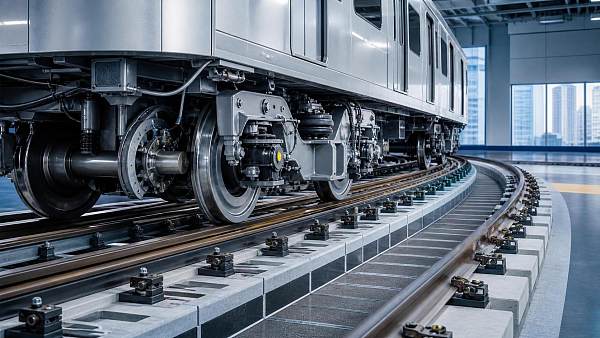
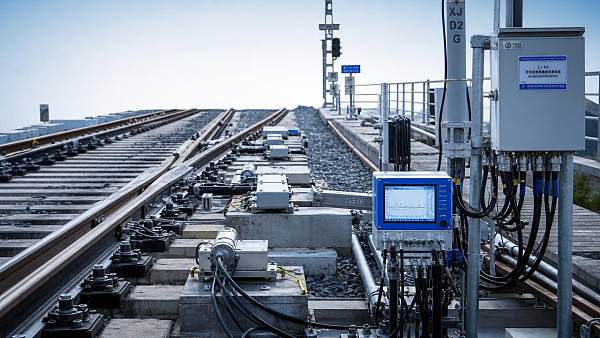
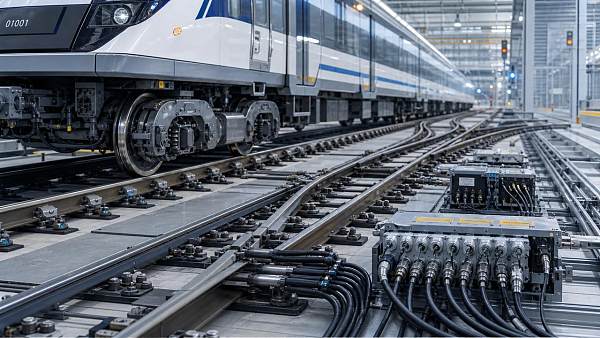
For track assets, early failure detection often starts with geometry measurement and rail surface condition. Inspection intervals vary by line class and traffic density, but heavily used metro corridors may require targeted review every 7 to 30 days, while major geometry campaigns may run on a quarterly basis. Critical indicators include gauge spread, cross-level variation, fastening degradation, rail head wear, and the condition of welds and joints.
What quality teams should watch
A common mistake is treating track defects as isolated maintenance events. In reality, repeated defects in the same 50-meter to 200-meter section may indicate drainage issues, subgrade settlement, or wheel-rail interaction problems that require a system-level response. Integrity checks should therefore combine physical measurements with maintenance history and vehicle interaction data.
Signaling and communication checks
In signaling, early failure rarely appears as a total outage first. More often, it begins with intermittent anomalies: delayed command execution, unstable data links, event logging inconsistencies, or degraded failover performance. For CBTC and ETCS environments, quality managers should review software version control, interface validation records, communication integrity tests, and incident recurrence patterns over rolling 30-day and 90-day periods.
Why documentation integrity matters
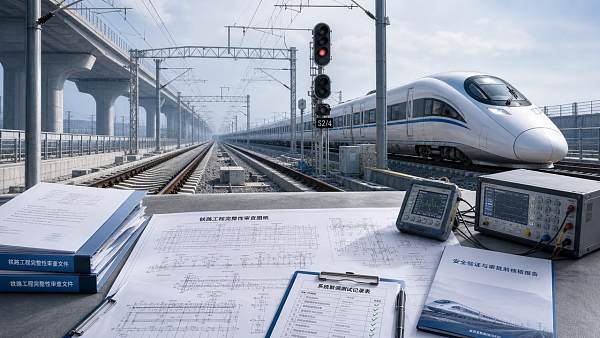
A technically sound signaling asset can still create safety risk if the change log, configuration register, or test traceability is incomplete. Rail engineering integrity therefore extends beyond hardware and code into documentation discipline. During audits or incident investigations, missing records can delay root-cause determination and weaken regulatory confidence.
Traction power and rolling stock checks
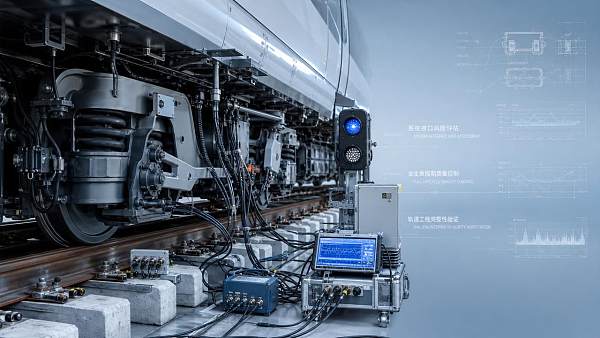
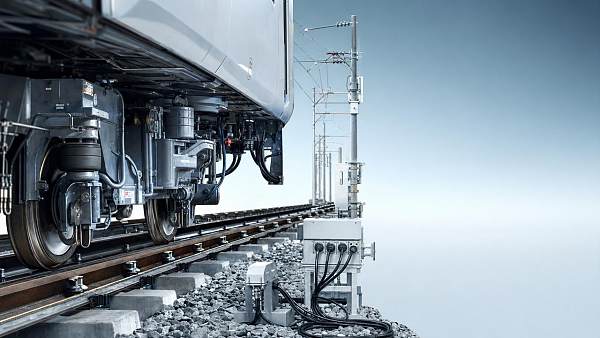
Traction power systems demand both electrical and thermal verification. Common indicators include insulation resistance trend, transformer temperature rise, harmonic distortion, breaker response consistency, and earthing continuity. For rolling stock, the most useful early-warning data often comes from wheel condition, bogie dynamics, traction motor temperature, and bearing vibration. A deviation that remains within nominal operating limits can still justify intervention if the trend slope changes rapidly over 2 or 3 inspection cycles.
This is especially relevant for high-speed or high-frequency fleets where dynamic load, braking intensity, and service hours accelerate wear. A line operating above 300 km/h or a metro line with headways under 3 minutes will expose weaknesses faster than low-density service. Integrity thresholds should reflect that operational reality rather than rely on static generic tolerances.
How to Build an Integrity Check Framework That Works
An effective framework must be practical enough for daily operations and rigorous enough for procurement review, safety oversight, and lifecycle planning. The most resilient programs typically combine 5 elements: criticality ranking, measurable thresholds, inspection frequency, escalation rules, and traceable closure of corrective actions. If one of these elements is missing, rail engineering integrity checks may produce data without delivering control.
A 5-step implementation model
- Classify assets by safety impact, service criticality, and replacement lead time.
- Define measurable acceptance criteria, including tolerances, response windows, and trend thresholds.
- Assign inspection methods such as visual review, non-destructive testing, dynamic monitoring, and software log analysis.
- Set escalation triggers, for example 2 consecutive deviations, one major threshold breach, or recurring faults within 14 days.
- Close the loop with root-cause review, supplier feedback, and documented corrective action verification.
This structure supports both internal operational control and external supplier governance. It also helps buyers compare vendors on evidence, not marketing claims. A supplier able to provide repeatable test records, failure trend analysis, and lifecycle maintenance assumptions is usually easier to integrate into complex transit projects than one offering only basic conformity certificates.
Recommended control points for QC and safety managers
The following control matrix can help teams decide which checkpoints deserve the highest level of scrutiny during procurement, commissioning, and operation.
The strongest frameworks do not over-inspect every component equally. They prioritize controls based on consequence and detectability. For example, a high-impact signaling interface with low fault visibility may justify tighter review than a low-risk mechanical component that is easy to inspect and replace. This risk-weighted approach helps teams use labor and diagnostic tools more effectively.
Threshold setting without false confidence
One frequent weakness in integrity programs is reliance on overly broad acceptance bands. If thresholds are too loose, early degradation remains invisible. If they are too strict, teams create alarm fatigue and unnecessary interventions. A balanced method is to define 3 levels: normal, alert, and action. That structure allows quality teams to respond before a hard failure limit is crossed, while still keeping operations practical.
Procurement, Benchmarking, and Common Mistakes to Avoid
Rail engineering integrity is not only an engineering issue; it is a procurement and governance issue. In large transit projects, contract value, supply chain complexity, and cross-border compliance can make early defect detection harder unless integrity requirements are written clearly into technical specifications, inspection plans, and vendor evaluation criteria. This is particularly important when sourcing from multiple regions with different manufacturing norms and documentation maturity.
What buyers and safety teams should require from suppliers
- Traceable inspection and test records linked to serial numbers, batches, or software versions
- Defined tolerance ranges and test methods instead of only generic compliance declarations
- Lifecycle assumptions covering duty cycle, operating environment, and maintenance intervals
- Evidence of corrective action closure for prior nonconformities within agreed timeframes such as 10 to 30 working days
- Compatibility data for destination-market standards and system interfaces
These requirements improve decision quality at the tender stage and reduce surprises during integration. G-RTI’s role is especially relevant here because benchmarking allows procurement directors, EPC contractors, and Tier-1 manufacturers to compare performance claims against realistic technical baselines across HSR systems, urban metro, signaling, track maintenance, and traction power supply.
Three mistakes that weaken integrity control
1. Focusing only on visible defects
Visible defects are late-stage indicators in many rail systems. By the time cracking, severe wear, or repeated service interruption appears, the organization may already face secondary damage, emergency repair cost, or passenger impact. Trend-based diagnostics should be treated as primary evidence, not optional support data.
2. Treating each subsystem in isolation
A traction issue can influence signaling stability. Wheel condition can accelerate track degradation. Drainage failure can distort geometry and increase maintenance demand across several asset classes. Rail engineering integrity checks are more effective when teams evaluate interfaces and system interactions, not just individual parts.
3. Underestimating documentation and change control
Many post-handover issues are not caused by a single defective part, but by incomplete configuration control, undocumented substitution, or inconsistent maintenance records. If a component revision, firmware update, or repair method changes without traceability, future fault analysis becomes slower and less reliable.
For quality control personnel and safety managers, rail engineering integrity checks are the practical mechanism that turns scattered inspection data into actionable risk control. The most effective programs combine measurable thresholds, staged verification, system-level thinking, and supplier accountability across track, signaling, traction, and rolling stock. They also create a stronger basis for procurement decisions, lifecycle maintenance planning, and regulatory readiness in high-value transit projects.
If your team needs a more rigorous way to benchmark asset integrity, compare suppliers, or strengthen early-failure detection in international rail projects, G-RTI can help translate technical evidence into clear operational and commercial decisions. Contact us to discuss your evaluation priorities, request a tailored benchmarking approach, or explore more rail engineering integrity solutions for your network.
Search News
Industry Portal
Hot Articles

Popular Tags
Recommended News
 Aug 27, 2026How Rail Integrity Consultants Identify Fatigue Risks in Bogies and WheelsetsMechanical integrity in rail systems consultant insights: identify bogie and wheelset fatigue risks early, strengthen inspections, and protect fleet safety and uptime.
 Aug 18, 2026How to Evaluate Bogie Systems for Metro Cars by Load, Curving, and NoiseBogie systems for metro: learn how to evaluate load capacity, curving performance, and noise control to choose safer, quieter, lower-maintenance metro bogies.
 Jun 29, 2026Wheel-Rail Contact Mechanics Explained: Key Parameters for Wear, Noise, and StabilityWheel-rail contact mechanics explained clearly: discover how contact stress, creepage, friction, and conicity affect wear, noise, and stability—and make smarter rail system decisions.
 Jun 24, 2026Rail Bogie Systems: Key Components, Suspension Types, and Performance Trade-OffsRail bogie systems explained: explore key components, suspension types, and real performance trade-offs to compare comfort, stability, maintenance, and lifecycle value.
 Jun 20, 2026Plastic Injection Molds Cost Breakdown: Tooling, Cavities, Materials, and Lead TimePlastic injection molds cost breakdown: learn how tooling design, cavity count, mold materials, and lead time shape pricing, quality, and risk—so you can compare quotes smarter and source with confidence.
 May 27, 2026What rail multi-disciplinary work changes in bogie design reviewRail multi-disciplinary insights reveal how bogie design review changes across high-speed, metro, and retrofit projects—improving safety, compliance, and lifecycle value.
 May 23, 2026How to compare rail bogie systems without missing failuresRail bogie systems compared the right way: discover a failure-aware checklist covering fatigue, stability, maintenance, compliance, and lifecycle cost to make safer, smarter rail decisions.
 May 21, 2026What to check before choosing rail bogie systemsRail bogie systems: learn what to check before choosing—stability, maintenance, compliance, and lifecycle cost across metro, high-speed, and freight applications.
 May 20, 2026How to judge rail engineering integrity before approvalRail engineering integrity starts with evidence, not assumptions. Learn the approval checklist that verifies safety, interfaces, RAMS, testing, and long-term rail system reliability.
 May 19, 2026How to assess rail Tier-1 suppliers beyond price aloneRail Tier-1 suppliers should be assessed beyond unit price. Discover how to compare compliance, delivery resilience, and lifecycle value to reduce rail project risk.
 May 18, 2026What to check before choosing rail bogie systemsRail bogie systems: learn what to check first before you buy—load capacity, suspension, fatigue strength, certifications, and lifecycle cost for safer, smarter fleet decisions.
 May 15, 2026Rail Bogie Systems: Which Design Choices Raise Lifecycle Risk?Rail bogie systems face hidden lifecycle risks from lightweighting, packaging, sealing, and route compromise. Explore scenario-based design choices that impact reliability, maintenance, and long-term cost.
 May 14, 2026Rail Bogie Systems Fail Early for Reasons Many Teams MissRail bogie systems fail early for reasons many teams overlook. Learn the hidden interaction effects, inspection blind spots, and practical fixes that improve reliability.
 May 13, 2026Rail engineering integrity issues that rarely appear in bid reviewsRail engineering integrity risks often hide beyond bid checklists. Learn the overlooked gaps in interfaces, validation, software, and maintainability before they become costly rail project failures.
 May 12, 2026Rail Bogie Systems: Which Design Choices Reduce Lifecycle Failures?Rail bogie systems that cut lifecycle failures start with smarter design. Explore how frame fatigue control, suspension tuning, sealing, braking, and monitoring lower risk and total cost.
 May 09, 2026Why rail engineering integrity is harder to verify than it seemsRail engineering integrity is harder to verify than certificates suggest. Learn the hidden risks audits miss and how stronger QC, safety, and supplier checks prevent costly rail failures.
 May 08, 2026Rail Bogie Systems Fail in Small Ways First. Here Is What to WatchRail bogie systems often show small warning signs before major failure. Learn what vibration, wear, noise, and heat changes reveal to improve rail safety and reduce costly downtime.
 May 07, 2026How to Judge Rail Engineering Integrity Before Failures SurfaceRail engineering integrity starts with early, evidence-based judgment. Learn how to spot hidden risks, assess system weakness, and prevent costly rail failures before they surface.
 May 06, 2026Rail Bogie Systems: When Lower Weight Brings Higher RiskRail bogie systems can boost efficiency through lower weight, but hidden fatigue and safety risks may follow. Learn how to verify lightweight designs before costly failures occur.
 May 04, 2026Rail Bogie Systems: Which Design Choices Raise Lifecycle Costs?Rail bogie systems can hide major lifecycle costs. Learn which design choices drive downtime, wheel wear, maintenance risk, and higher total ownership costs.
 May 02, 2026Rail Engineering Integrity Failures Rarely Start Where You ThinkRail engineering integrity often fails long before the visible incident. Discover how to spot upstream risks, benchmark suppliers, and prevent costly rail safety and reliability issues.
 May 01, 2026Rail Engineering Integrity Checks That Catch Early FailuresRail engineering integrity checks reveal early failure signals across track, signaling, traction, and rolling stock—helping safety and QC teams cut downtime, strengthen compliance, and act before costly disruptions occur.
 Apr 30, 2026Rail bogie systems: which design choices raise lifecycle cost?Rail bogie systems can quietly inflate fleet lifecycle costs. Discover which design choices raise maintenance, downtime, and spare-part risk before procurement approval.
 Apr 29, 2026Rail bogie systems selection mistakes that show up in serviceRail bogie systems selection mistakes often stay hidden until service begins. Learn how to avoid wear, instability, maintenance overruns, and compliance risks.




Quarterly Executive Summaries Delivered Directly.
Join 50,000+ industry leaders who receive our proprietary market analysis and policy outlooks before they hit the public library.