

The hidden tradeoffs behind rail connectivity upgrades
Dr. Alistair Thorne
Time
Click Count
Upgrading rail connectivity promises shorter travel times, wider labor markets, lower road congestion, and a clearer pathway to decarbonized mobility. Yet the value of better rail links is rarely captured by speed alone. Behind every network extension, signaling modernization, cross-border corridor, or station integration project sits a complex set of tradeoffs involving capital allocation, system interoperability, maintenance intensity, cybersecurity, regulatory alignment, and long-term asset resilience. For organizations evaluating transport infrastructure, the central question is not whether rail connectivity matters, but how to improve it without creating hidden operational burdens that erode the expected return.
What does rail connectivity really include beyond new tracks?
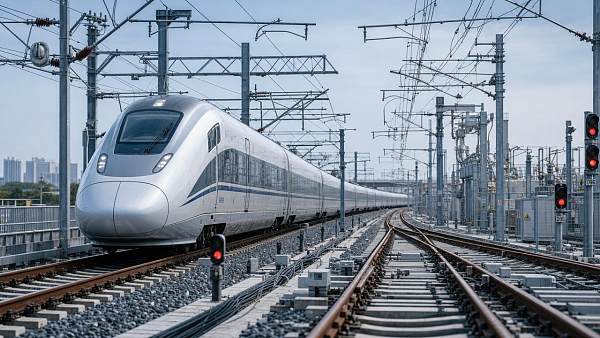
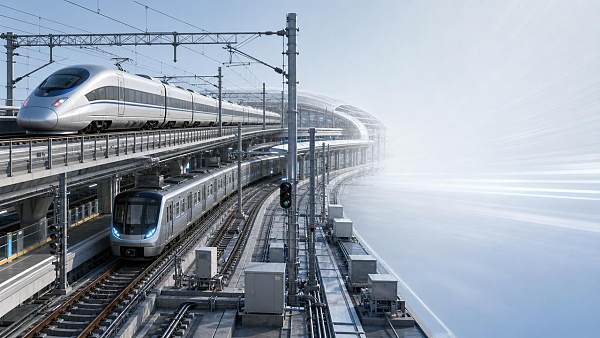
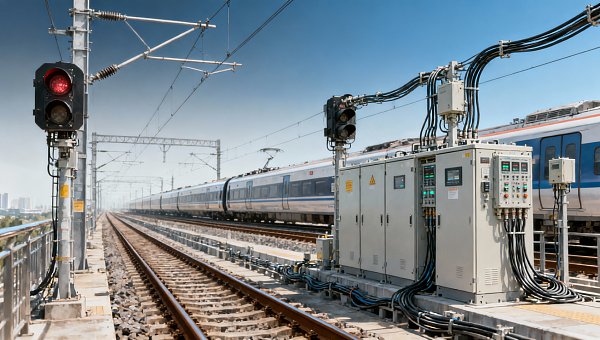
In practice, rail connectivity is broader than physical rail expansion. It includes the quality of links between high-speed rail, regional passenger lines, metro systems, freight corridors, intermodal terminals, traction power networks, digital signaling, and station access. A corridor may look connected on a map, yet still underperform because rolling stock interfaces are inconsistent, schedules are poorly synchronized, maintenance windows are not coordinated, or signaling standards create bottlenecks.
This is why many rail upgrades fail to deliver their full benefit. A line extension can increase route coverage while reducing timetable flexibility. A station redevelopment can improve passenger flow while introducing higher lifecycle costs for vertical transport, platform screen systems, and smart building controls. Better rail connectivity therefore depends on mechanical, digital, and operational integration, not just civil works completion.
A useful way to frame the issue is to divide connectivity into four layers: network reach, interoperable operations, data and signaling integration, and maintainable performance over time. If one layer is weak, the headline benefit of the upgrade often becomes overstated. That is especially true in projects where public goals, commercial targets, and technical realities do not fully align.
Why can better rail connectivity increase total cost instead of lowering it?
A common assumption is that more rail connectivity automatically creates efficiency. Sometimes it does. But in large infrastructure programs, connectivity gains often come with higher total system cost. The most visible expense is upfront capital: tunnels, bridges, electrification, signaling migration, depot expansion, and station retrofits. The less visible expense is the increase in system complexity that follows.
For example, linking legacy networks with modern digital control systems may require additional interface engineering, safety validation, and software assurance. Cross-border routes can demand compliance with multiple standards, certification pathways, and language-specific operating procedures. Even where the infrastructure is physically complete, operators may need to hold larger spare-parts inventories, retrain maintenance teams, and invest in new diagnostic tools. In that context, the real cost of rail connectivity is distributed across the entire lifecycle.
Another hidden factor is the cost of service reliability during transition. Upgrading lines in live networks often means temporary closures, reduced frequencies, substitute transport, or phased signaling cutovers. These disruptions may be unavoidable, but they should be modeled as part of the investment case rather than treated as temporary side effects. A corridor that becomes more connected after three years of unstable operations may still generate a weaker long-term outcome than a phased upgrade with lower peak performance but better continuity.
- Higher integration cost between legacy and new systems
- Expanded maintenance obligations across electrical, digital, and structural assets
- Certification and compliance costs across different jurisdictions
- Operational disruption during migration and commissioning
- Increased vulnerability to supply-chain concentration in critical components
How does interoperability affect the success of rail connectivity upgrades?
Interoperability is often the decisive factor in whether rail connectivity produces real network value. A line can be technically advanced and still function as an isolated asset if rolling stock, signaling, power supply, platform dimensions, or maintenance systems do not align with the wider network. This issue is especially important in regions where high-speed, commuter, freight, and urban transit systems intersect.
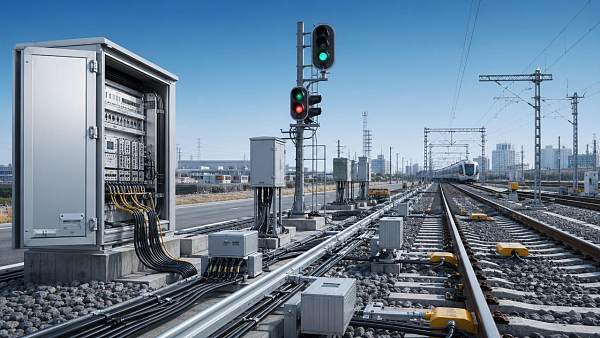
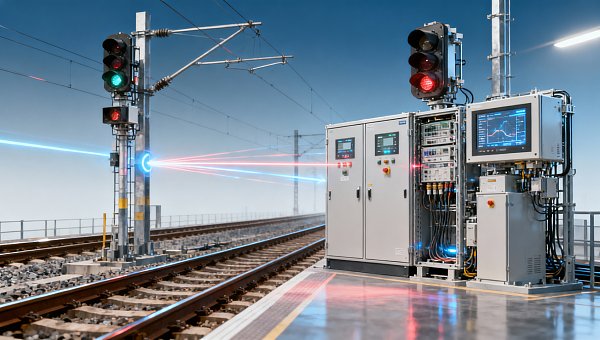
The challenge is not only about standards such as ETCS, CBTC, IEC, or EN compliance. It is also about operational compatibility. Can trains be reallocated across routes without costly modifications? Can data from condition-monitoring systems feed a shared maintenance platform? Can traction power architecture support future service density? Can depots handle mixed fleets efficiently? These practical questions determine whether rail connectivity scales or stalls.
There is also a strategic tradeoff. Highly customized systems may optimize short-term corridor performance, but they can weaken future interoperability and procurement flexibility. Standardization may appear slower at the beginning, yet it often reduces lifecycle risk, simplifies training, and supports competitive sourcing. For infrastructure with a 30- to 50-year horizon, interoperability discipline usually delivers greater resilience than project-specific optimization.
Quick comparison: localized optimization vs network interoperability
Which risks are most often underestimated in rail connectivity projects?
The most underestimated risks in rail connectivity projects are usually not engineering impossibilities. They are planning blind spots. One major blind spot is assuming traffic demand will naturally follow infrastructure expansion. Demand depends on pricing, timetable reliability, modal integration, first-mile and last-mile access, and the credibility of the service proposition. If these conditions are weak, better rail connectivity may not translate into proportional usage growth.
Another frequent oversight is lifecycle maintenance exposure. High-performance assets often require stricter maintenance regimes, specialized components, and more advanced digital monitoring. Without dependable spare parts and service support, uptime targets can quickly slip. Supply-chain fragility has become particularly relevant for electronics, power modules, communication hardware, and specialized bogie or braking components.
Cybersecurity risk is also rising. As rail connectivity becomes more digital, the attack surface expands across signaling links, remote diagnostics, control centers, and passenger information systems. A connected railway is more efficient, but it is also more exposed unless cyber resilience is designed as a core engineering requirement rather than a late compliance check.
Finally, policy volatility can distort project economics. Funding cycles, local content rules, environmental review frameworks, and safety regulations may shift over the lifetime of a project. The stronger the dependence on a narrow regulatory or vendor pathway, the greater the exposure if assumptions change midstream.
How should organizations judge whether a rail connectivity upgrade is worth it?
The most effective way to assess rail connectivity is to move beyond simple capacity or speed metrics and evaluate long-term system value. A robust business case should test at least five dimensions: network effect, interoperability, lifecycle cost, regulatory fit, and supply resilience. If a project scores high on only one of these, the investment may still underperform.
It is also important to compare baseline alternatives honestly. In some cases, timetable redesign, signaling optimization, targeted maintenance modernization, or station throughput improvements can deliver better connectivity outcomes than a large new-build package. This does not mean expansion is unnecessary; it means the best rail connectivity strategy is often a portfolio of targeted interventions rather than one iconic asset.
Decision quality improves when scenario analysis includes downside conditions: slower ridership growth, delayed approvals, reduced vendor availability, inflation in electrification materials, or lower-than-expected cross-border harmonization. Projects that remain viable under stress are usually better candidates than those relying on perfect assumptions.
Practical decision checklist
What does a smarter rail connectivity strategy look like in practice?
A smarter rail connectivity strategy starts with technical realism. It prioritizes corridors and nodes where integration can unlock measurable gains in reliability, transfer quality, freight flow, and energy efficiency. It also combines hard infrastructure with digital visibility, using condition monitoring, asset benchmarking, and standards-based architecture to ensure that performance improvements remain sustainable after commissioning.
This is where technical benchmarking becomes valuable. By comparing traction systems, bogie performance, signaling maturity, maintenance requirements, and compliance pathways against international standards, infrastructure stakeholders can identify whether a proposed upgrade is scalable or merely impressive on paper. In a market shaped by ISO/TS 22163, IEC 62278, EN 50126, and evolving regional procurement expectations, evidence-based evaluation is essential for resilient rail connectivity.
The strongest programs usually share three traits: they phase complexity carefully, maintain open pathways for interoperability, and treat maintenance and compliance as design inputs from the beginning. That approach may appear less dramatic than headline-grabbing expansion, but it tends to produce the most durable mobility outcomes.
In the end, the hidden tradeoffs behind rail connectivity upgrades are not reasons to avoid investment. They are reasons to invest with greater discipline. The next step is to test every proposed improvement against lifecycle cost, interface compatibility, operational continuity, and supply-chain resilience. Organizations that use verified technical benchmarks and scenario-based planning will be better positioned to turn rail connectivity from a political promise into a dependable long-term asset.
Search News
Industry Portal
Hot Articles

Popular Tags
Recommended News
 Aug 04, 2026What Does Digital Integrity in Rail Systems Certification Cover?Digital integrity in rail systems certification covers software, interfaces, lifecycle control, cybersecurity, and traceability. Learn what evaluators check and where certification risks hide.
 Jul 12, 2026High-Speed Rail Technology: Key Systems, Performance Limits, and Upgrade PrioritiesHigh-speed rail technology explained: explore core systems, real performance limits, and upgrade priorities to improve safety, capacity, efficiency, and long-term rail investment decisions.
 Jul 09, 2026Rail System Integrity Worldwide: Which Standards and Failure Risks Matter Most?Rail system integrity worldwide explained: discover the key standards, top failure risks, and practical assurance priorities shaping safer, more reliable global rail projects.
 Jun 14, 2026Printed Circuit Board Assembly Process Explained: From SMT to Testing and Rework ControlPrinted circuit board assembly explained from SMT and reflow to testing, traceability, and rework control. Learn how strong process discipline improves reliability and supplier confidence.
 Jun 13, 2026How to Compare a GSM-R Equipment Manufacturer for Metro Projects: Compliance, Integration, and Lifecycle CostCompare a gsm-r equipment manufacturer for metro projects with confidence. Learn how to assess compliance, integration strength, and lifecycle cost before you buy.
![]() Jun 09, 2026How to Choose Relay Modules for Control Panels: Voltage, Load Type, and Isolation BasicsRelaymodules selection made simple: learn how to match control voltage, load type, and isolation for safer control panels, longer service life, and more reliable switching.
Jun 09, 2026How to Choose Relay Modules for Control Panels: Voltage, Load Type, and Isolation BasicsRelaymodules selection made simple: learn how to match control voltage, load type, and isolation for safer control panels, longer service life, and more reliable switching. Jun 03, 2026PCB Dielectric Constant Benchmark: How to Compare Materials for RF BoardsPCB dielectric constant benchmark guide for comparing RF board materials, Dk tolerance, loss, and supplier data—make confident, standards-aware laminate decisions.
 May 29, 2026Can wholesale ic chip components pass traceability checks?wholesale ic chip components can pass traceability checks when sourcing, lot records, testing, and compliance evidence align. Learn how to reduce risk in critical rail applications.
 May 27, 2026Why rail data transparency now shapes safer signal upgradesRail data transparency is now critical to safer signal upgrades. Learn how traceability, compliance evidence, and smarter benchmarking reduce risk, speed approvals, and improve procurement decisions.
 May 26, 2026How rail technical specifications shape safer system choicesRail technical specifications shape safer procurement decisions by reducing compliance, integration, and lifecycle risk. Learn how to benchmark suppliers and choose rail systems with confidence.
 May 19, 2026What rail European standards mean for product approvalRail European standards shape product approval from design to market entry. Learn how compliance, safety evidence, and documentation affect faster rail project acceptance.
 May 18, 2026How rail connectivity affects urban project delivery speedRail connectivity drives faster urban project delivery by improving logistics, approvals, and system integration. See how smarter network planning reduces delays and boosts execution confidence.
 May 17, 2026What rail AI solutions can solve beyond pilot projectsRail AI solutions move beyond pilots to cut failures, optimize maintenance, improve signaling, and reduce energy waste—see how scalable deployment delivers measurable rail performance.
 May 16, 2026Rail connectivity is no longer just about faster transfersRail connectivity now drives resilience, compliance, and lifecycle value—not just speed. Learn how project leaders can reduce risk and build future-ready rail systems.
 May 13, 2026Rail policy foresight and the risks of late signaling upgradesRail policy foresight reveals how delayed signaling upgrades can increase safety, interoperability, and lifecycle risks—learn how early alignment protects capacity, compliance, and investment value.
 May 11, 2026Rail technical standards that delay cross-border approvalsRail technical standards can delay cross-border rail approvals through gaps in signaling, EMC, fire safety, and documentation. Learn how benchmarking reduces compliance risk.
 May 09, 2026The hidden tradeoffs behind rail connectivity upgradesRail connectivity upgrades can cut travel time and congestion, but hidden costs in interoperability, maintenance, and resilience shape real value. Explore the tradeoffs before investing.
 May 07, 2026Why Rail Multi-Disciplinary Projects Slip at Interface HandoverRail multi-disciplinary projects often slip at interface handover. Discover the hidden causes, business risks, and practical fixes project leaders need to cut delays and rework.
 May 04, 2026Rail Connectivity Gaps That Quietly Reduce Network PerformanceRail connectivity gaps can quietly cut network performance, increase maintenance, and delay delivery. Learn how to spot hidden interface risks and build more resilient rail systems.
 May 02, 2026Rail Connectivity Problems That Expansion Alone Will Not FixRail connectivity issues do not end with new lines. Discover how signaling, maintenance, power, and interoperability shape reliable rail performance—and what operators can fix first.
 May 01, 2026Why Rail Technical Standards Still Delay Signal UpgradesRail technical standards still slow signal upgrades through fragmented rules, legacy interfaces, and approval delays. Learn the real project risks and how to reduce schedule overruns.
 Apr 29, 2026Why rail connectivity projects stall after the first phaseRail connectivity projects often stall after phase one due to funding gaps, fragmented governance, permits, and integration risks. Learn the real causes and how leaders can keep expansion moving.
 Apr 23, 2026Signaling systems integration fails for familiar reasonsRail regulatory frameworks and signaling systems integration often fail at CBTC, ETCS, rolling stock, and traction power interfaces. Learn how rail standards, predictive maintenance, and data transparency improve compliance and transit efficiency.
 Apr 23, 2026Signal flow problems often start with one bad interface mapRail signaling systems often fail from one bad interface map. Explore ETCS, CBTC, rolling stock, traction power, rail standards, and predictive maintenance insights for smarter procurement.










Quarterly Executive Summaries Delivered Directly.
Join 50,000+ industry leaders who receive our proprietary market analysis and policy outlooks before they hit the public library.