

Why rail technical standards shape safer buying decisions
Dr. Alistair Thorne
Time
Click Count
For complex transit investments, rail technical standards do far more than confirm basic compliance. They shape safer buying decisions by translating performance claims into measurable engineering evidence.
When traction, signaling, bogies, braking, and track systems must work together across decades, weak specification control creates financial and operational risk. Strong standards discipline reduces uncertainty before contracts are signed.
That is why rail technical standards matter across the broader industrial landscape. They support supplier comparison, lifecycle cost control, interoperability planning, and market entry across Europe, North America, the Middle East, and Asia.
Why scenario-based evaluation changes the meaning of rail technical standards
Not every rail project faces the same risk profile. A metro expansion, a high-speed corridor, and a depot modernization program require different evidence, test depth, and certification pathways.
In practice, rail technical standards become buying tools only when they are mapped to operating conditions. Temperature range, axle load, signaling architecture, and maintenance capability all change the right decision.
This is where benchmarking platforms such as G-RTI create value. They connect global manufacturing capacity with hard technical references like ISO/TS 22163, IEC 62278, and EN 50126.
The result is a clearer view of what is safe, durable, interoperable, and commercially realistic. That clarity improves selection quality in both public and private infrastructure programs.
Scenario 1: High-speed rail projects demand deeper proof than brochure performance
High-speed rail systems push every subsystem toward tighter tolerances. At 300 to 400 km/h, small deviations in traction stability, aerodynamic behavior, or bogie dynamics become major safety concerns.
Here, rail technical standards help verify whether supplier claims survive real operating stress. Testing records, fatigue validation, vibration control, and compatibility with signaling logic become central buying criteria.
Core judgment points for high-speed procurement
- Traction motors validated for sustained thermal performance
- Bogie systems aligned with fatigue and stability benchmarks
- Brake response verified under emergency and high-speed conditions
- Signaling interfaces proven for ETCS or equivalent frameworks
- Documentation traceability across design, test, and manufacturing stages
Without this evidence chain, headline speed ratings mean little. Rail technical standards turn peak performance into verifiable procurement confidence.
Scenario 2: Urban metro and transit buying depends on reliability, not maximum speed
Urban metro projects face a different reality. Frequent stops, dense passenger loads, tunnel conditions, and tight headways make reliability, maintainability, and signaling resilience more important than top speed.
In this setting, rail technical standards guide decisions around door systems, braking cycles, onboard diagnostics, fire safety, and CBTC integration. Failures here create immediate service disruption.
Key checks in metro and transit applications
- Mean time between failures under high-frequency operation
- Compatibility with existing signaling and control systems
- Low-maintenance component architecture for depot efficiency
- Passenger safety compliance covering fire, evacuation, and doors
- Availability of digital diagnostics and predictive maintenance data
For these projects, rail technical standards protect service continuity. They help separate low upfront pricing from genuine long-term value.
Scenario 3: Signaling and communication upgrades require interoperability discipline
Signaling modernization often looks digital first, but buying decisions still depend on physical interfaces, software assurance, and lifecycle support. The risk is hidden incompatibility, not visible hardware failure.
Rail technical standards are essential when evaluating CBTC, ETCS, onboard units, trackside equipment, and communication layers. Small integration gaps can delay commissioning and increase safety validation costs.
What to verify before selecting signaling solutions
- Interoperability with legacy train control environments
- Evidence of RAMS alignment under IEC 62278 principles
- Cybersecurity readiness and software update governance
- Test plans for migration, shadow mode, and failure recovery
- Supplier capability for long-term spare and support continuity
In this scenario, rail technical standards reduce hidden integration risk. They make digital ambition operationally realistic.
Scenario 4: Track and maintenance investments should be judged by lifecycle impact
Track infrastructure buying often suffers from narrow price comparisons. Yet rail wear, turnout reliability, geometry retention, and maintenance access strongly influence whole-life network cost.
Here, rail technical standards help assess steel quality, fastening performance, inspection methods, and predictive maintenance capability. A cheaper component can trigger years of avoidable possession time.
This is especially relevant where mixed traffic, harsh climate, or heavy axle loads accelerate degradation. Standards-based evaluation protects both safety margins and asset longevity.
How needs differ across common rail buying scenarios
Practical ways to adapt rail technical standards to each scenario
Effective use of rail technical standards starts with project context, not documentation volume. The goal is to identify which standards drive risk reduction for the specific operating model.
- Define operating conditions before supplier comparison begins.
- Map each subsystem to the most relevant international benchmarks.
- Request test evidence, not only declarations of conformity.
- Score interoperability and maintenance impact alongside price.
- Check whether certifications match the target export market.
- Use independent technical benchmarking to challenge assumptions.
This approach is especially useful in cross-border sourcing. G-RTI supports these decisions by benchmarking components and systems against internationally recognized rail technical standards and market expectations.
Common mistakes when rail technical standards are misunderstood
One common mistake is treating certification as a full quality guarantee. A certificate may confirm process alignment, but it does not replace project-specific performance validation.
Another mistake is copying specifications from unrelated projects. Rail technical standards must reflect route geometry, climate, maintenance maturity, and signaling architecture.
A third mistake is underestimating interface risk. Even compliant components can fail collectively if subsystem integration is not tested thoroughly.
There is also a commercial blind spot. Lowest-price selection can ignore lifecycle penalties, spare complexity, retraining needs, and delayed approvals in stricter regulatory markets.
A smarter next step for safer rail buying decisions
Safer procurement begins by turning rail technical standards into a scenario-based evaluation framework. That means linking standards, operating context, supplier evidence, and lifecycle outcomes before final selection.
A practical next step is to build a decision matrix covering traction, signaling, track, maintenance, certification, and interoperability. This makes technical comparison more transparent and commercially defensible.
Where cross-market sourcing is involved, independent benchmarking adds another layer of protection. It helps verify whether products built for one region can satisfy another region’s rail technical standards.
In modern rail infrastructure, safer buying decisions come from verified compatibility, not assumptions. Rail technical standards provide that discipline, and disciplined evaluation protects both project value and public trust.
Search News
Industry Portal
Hot Articles

Popular Tags
Recommended News
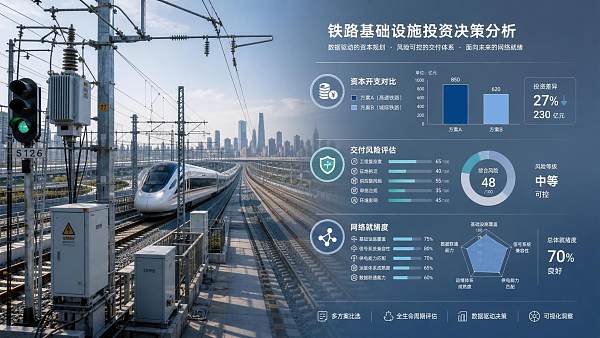
 Jul 10, 2026How Rail Infrastructure Benchmarking Reports Help Compare Capex, Delivery Risk, and Network ReadinessRail infrastructure benchmarking reports help decision-makers compare capex, delivery risk, and network readiness with greater clarity—discover smarter, lower-risk rail investment insights.
 Jul 10, 2026What an EPC Rail Contractors Database Should Include Before You Shortlist BiddersEPC rail contractors database essentials: discover the must-have data fields, compliance checks, and risk signals to shortlist stronger bidders and reduce tender mistakes.
 Jul 10, 2026Rail Supplier Evaluation for Global Sourcing: Criteria, Scorecards, and Red FlagsRail supplier evaluation global sourcing guide covering criteria, scorecards, and red flags to reduce risk, improve compliance, and choose reliable rail partners with confidence.
 Jul 09, 2026Contract Furniture Buying Guide: How to Evaluate Durability, Compliance, and Lifecycle CostContract Furniture buying guide: learn how to assess durability, compliance, and lifecycle cost to reduce risk, avoid costly replacements, and choose smarter long-term solutions.
 Jul 09, 2026Eco-Build Materials Explained: How to Compare Low-Impact Options for New ProjectsEco-Build explained for new projects: compare low-impact materials by carbon, compliance, durability, cost, and supply risk to choose smarter, greener options with confidence.
 Jul 09, 2026Rail Industry Intelligence for Sourcing: What Buyers Should Track Before Comparing SuppliersRail industry intelligence for sourcing helps buyers assess compliance, lifecycle cost, capacity, and cross-border risk before comparing suppliers. Read the key checkpoints now.
 Jul 08, 2026Catalysts Manufacturer Selection Guide: How to Assess Quality Systems and Supply RiskCatalysts manufacturer selection guide: learn how to assess quality systems, batch consistency, compliance readiness, and supply risk to reduce sourcing costs and avoid costly disruptions.
 Jul 08, 2026How to Use Rail Infrastructure Benchmarking Reports to Compare Network ReliabilityRail infrastructure benchmarking reports help compare network reliability with the right context, standards, and lifecycle risks—so you can make smarter rail investment decisions.
 Jul 08, 2026Rail Infrastructure Data Analytics: What KPIs Matter for Asset Performance Planning?Rail infrastructure data analytics reveals the KPIs that matter most for asset performance planning—condition, reliability, cost, and risk—to improve uptime, budgets, and smarter rail decisions.
 Jul 08, 2026How to Choose Coworking Space Furniture Solutions for Flexibility, Comfort, and ROICoworking space furniture solutions that improve flexibility, comfort, and ROI. Learn how to compare layouts, ergonomics, durability, and lifecycle value for smarter workspace decisions.
![]() Jul 07, 2026How to Evaluate a CNC Machining Service Supplier for Quality, Lead Time, and Costcnc machining service supplier selection starts with quality, lead time, and total cost. Learn practical evaluation tips to reduce risk, improve delivery, and choose with confidence.
Jul 07, 2026How to Evaluate a CNC Machining Service Supplier for Quality, Lead Time, and Costcnc machining service supplier selection starts with quality, lead time, and total cost. Learn practical evaluation tips to reduce risk, improve delivery, and choose with confidence.![]() Jul 07, 2026What Is a Structured Resource? Use Cases, Data Organization, and Implementation BasicsStructured resource explained: learn use cases, data organization, and implementation basics to turn scattered information into searchable, reliable insights for better decisions.
Jul 07, 2026What Is a Structured Resource? Use Cases, Data Organization, and Implementation BasicsStructured resource explained: learn use cases, data organization, and implementation basics to turn scattered information into searchable, reliable insights for better decisions.![]() Jul 07, 2026Signal-to-Noise Ratio in MRI: What Affects It and How to Improve Image QualitySignal-to-noise ratio in MRI explained: discover what affects SNR, the tradeoffs behind image quality, and practical ways to improve scans for clearer, more reliable results.
Jul 07, 2026Signal-to-Noise Ratio in MRI: What Affects It and How to Improve Image QualitySignal-to-noise ratio in MRI explained: discover what affects SNR, the tradeoffs behind image quality, and practical ways to improve scans for clearer, more reliable results.![]() Jul 06, 2026When to Use Sulfate Resisting Cement Bulk in Foundations and Marine Projectssulfate resisting cement bulk: learn when foundations, tunnels, and marine structures truly need it to improve durability, cut lifecycle repair risk, and support smarter specification decisions.
Jul 06, 2026When to Use Sulfate Resisting Cement Bulk in Foundations and Marine Projectssulfate resisting cement bulk: learn when foundations, tunnels, and marine structures truly need it to improve durability, cut lifecycle repair risk, and support smarter specification decisions.![]() Jul 06, 2026What Is Fintech? Key Business Models, Services, and Adoption Risks ExplainedFintech explained: explore key business models, core services, real-world enterprise use cases, and adoption risks to make smarter, faster financial technology decisions.
Jul 06, 2026What Is Fintech? Key Business Models, Services, and Adoption Risks ExplainedFintech explained: explore key business models, core services, real-world enterprise use cases, and adoption risks to make smarter, faster financial technology decisions. Jul 05, 2026Rail Benchmarking Platform Software: Key Metrics, Data Sources, and Integration BasicsRail benchmarking platform software explained: compare key metrics, trusted data sources, and integration basics to improve rail compliance, supplier decisions, and lifecycle performance.
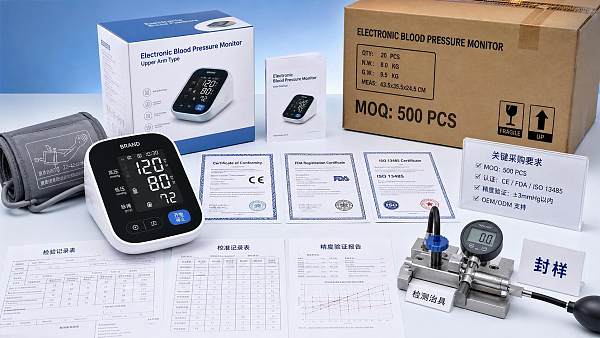
 Jul 05, 2026Blood Pressure Monitor Wholesale: MOQ, Certifications, Accuracy, and OEM Questions to AskBlood pressure monitor wholesale guide covering MOQ, certifications, accuracy checks, and OEM questions. Learn how to compare suppliers, reduce risk, and secure reliable long-term sourcing.
 Jul 05, 2026Cold Chain Failures Explained: Common Temperature Control Risks and How to Prevent ThemCold chain failures often start with small mistakes. Learn the most common temperature control risks in storage and transport, plus practical ways to prevent costly quality, compliance, and delivery issues.
 Jul 04, 2026What Is Bioengineering Used For? Core Applications in Medicine, Food, and ManufacturingBioengineering powers breakthroughs in medicine, food, and manufacturing. Discover its core applications, business value, and why it is shaping scalable innovation.
 Jul 04, 2026Hospital HVAC Air Exchange Rates: How to Read ACH Requirements by Room TypeHospital HVAC air exchange rates explained by room type. Learn how to read ACH requirements, avoid compliance mistakes, and improve infection control, design accuracy, and project performance.
 Jul 04, 2026Strategic Benchmarking vs Competitive Benchmarking: Which Method Fits Business Planning?Strategic benchmarking vs competitive benchmarking: learn which method best supports business planning, long-term investment, risk control, and stronger market decisions.
 Jul 04, 2026Fire Extinguishers Explained: Types, Ratings, and How to Choose for Different RisksFireextinguishers explained clearly: compare types, ratings, and best-use scenarios to choose the right protection for offices, workshops, warehouses, kitchens, and high-risk facilities.
 Jul 02, 2026How to Use a Rail Infrastructure Data Supplier Reference in Vendor ScreeningRail infrastructure data supplier reference strategies help procurement teams screen vendors faster, compare compliance and delivery risk, and choose qualified rail partners with confidence.
 Jul 01, 2026Cryogenic Storage Safety Protocols: Common Hazards, PPE, and Emergency Response StepsCryogenic storage safety protocols explained: learn common hazards, task-based PPE, and site-specific emergency response steps to reduce risk, improve compliance, and protect operations.

















Quarterly Executive Summaries Delivered Directly.
Join 50,000+ industry leaders who receive our proprietary market analysis and policy outlooks before they hit the public library.