

Why rail technical standards change supplier qualification paths
Dr. Alistair Thorne
Time
Click Count
As rail technical standards evolve, supplier qualification paths are being reshaped across high-speed rail, urban metro transit, and signaling systems. For EPC contractors, rolling stock manufacturers, and rail procurement directors, understanding rail regulatory frameworks, EN 50126, IEC 62278, and ISO/TS 22163 is now essential to balancing compliance, rail transit efficiency, carbon-neutral rail goals, and supply chain competitiveness in European, Middle Eastern, and Asian manufacturing markets.
Why supplier qualification is no longer a simple factory audit
In rail procurement, supplier qualification used to be treated as a checklist exercise: plant visit, quality manual review, and sample approval. That path is no longer sufficient. Today, rail technical standards influence not only what a supplier manufactures, but how it documents safety, validates interfaces, manages software, controls configuration, and proves lifecycle reliability over 20–30 years of asset operation.
This shift is especially visible in high-speed rail, urban metro, CBTC, ETCS, traction power, and track infrastructure projects. A component that looks technically acceptable in one market may fail qualification in another because the required evidence package is different. In practice, many buyers now assess suppliers across 3 layers at once: product conformity, process maturity, and project-specific compliance to local rail regulatory frameworks.
For technical evaluation teams, the challenge is not only to compare specifications. It is to confirm whether a supplier can support hazard analysis, RAMS documentation, interface traceability, and controlled design changes during a 6–18 month project cycle. For business evaluators and distributors, the issue is equally critical: delayed qualification often means missed tenders, higher bid risk, and weaker negotiation power.
This is where G-RTI creates value. By benchmarking suppliers and subsystems against international standards such as ISO/TS 22163, IEC 62278, and EN 50126, G-RTI helps procurement directors and Tier-1 manufacturers move from broad supplier screening to evidence-based qualification planning. That reduces ambiguity before RFQ release, during technical clarification, and in pre-award risk reviews.
What changes most when standards evolve?
- Documentation depth increases, often from basic test reports to multi-stage design, verification, and validation records.
- Qualification timing moves earlier, sometimes 2–4 bid stages before final nomination, because missing evidence affects tender responsiveness.
- Cross-functional review becomes mandatory, involving engineering, safety, quality, sourcing, and legal teams rather than procurement alone.
- Regional market access diverges, meaning one approved supplier in ASEAN may still require substantial requalification for Europe or the Middle East.
Which standards most strongly reshape rail supplier qualification paths?
Not all rail standards affect qualification in the same way. Some govern system lifecycle processes, some focus on quality management, and others shape technical acceptance through safety and interface control. Buyers who fail to distinguish these roles often overestimate a certificate or underestimate the documentation needed for project entry.
EN 50126 and IEC 62278 are particularly influential because they push qualification beyond manufacturing quality. They require suppliers to demonstrate disciplined lifecycle thinking, especially in RAMS planning, hazard control, validation logic, and operational maintainability. For signaling, traction, braking, and control subsystems, this can change the approval path from a short-term sample review to a multi-phase technical evidence process.
ISO/TS 22163, meanwhile, is highly relevant for organizational maturity. It does not replace project-specific compliance, but it significantly affects buyer confidence in process control, supplier development, special process management, and nonconformity handling. In large rolling stock and infrastructure programs, a supplier without this level of quality discipline may face a longer onboarding cycle, often by 4–12 weeks depending on project complexity.
For information researchers and channel partners, the key is to read standards as qualification drivers, not as abstract references. A standard changes bidding behavior, documentation cost, supplier pool size, and time to market. That is why technical benchmarking must be linked to procurement reality, not isolated inside engineering departments.
How the main standards affect supplier entry decisions
The table below helps clarify how major rail standards alter the supplier qualification path across documentation, audit scope, and commercial readiness.
A practical takeaway is that certification alone rarely guarantees bid acceptance. Buyers usually need 3 supporting elements: applicable test evidence, controlled design records, and project-level interface clarity. G-RTI helps decision-makers compare those elements across suppliers, regions, and subsystem categories before commercial risk escalates.
A useful rule for cross-border sourcing
If a supplier is moving from domestic rail supply into Europe, North America, or a regulated Middle Eastern project, qualification should be expected to expand in 3 directions: more formal safety evidence, tighter traceability, and stronger project documentation control. The lower the subsystem criticality, the shorter this gap may be. The higher the subsystem safety relevance, the more detailed the qualification path becomes.
How different rail segments change the qualification burden
Supplier qualification is not uniform across the rail sector. A cable accessory supplier, a bogie manufacturer, a predictive maintenance software provider, and a CBTC subsystem vendor face very different acceptance pathways. The burden changes with safety relevance, interface complexity, environmental exposure, maintainability expectations, and project integration risk.
In high-speed rail, tolerance for uncontrolled variation is low. Buyers often require tighter review of design validation, fatigue performance, dynamic behavior, and long-term reliability. In urban metro transit, qualification may focus more on maintainability, interoperability, depot support, and fast replacement cycles under dense service intervals. Signaling and communications add another dimension: software assurance, configuration integrity, and interface validation can become decisive.
This creates a common sourcing mistake. Commercial teams may compare prices from technically unlike suppliers without adjusting for qualification depth. A lower-cost offer can quickly become expensive if it triggers extra testing, resubmission loops, or 8–16 weeks of engineering clarification. The real cost of a supplier path includes approval effort, not just unit price.
G-RTI addresses this by benchmarking suppliers through five industrial pillars: High-Speed Rail Systems, Urban Metro & Transit, Advanced Signaling & Communication, Track Infrastructure & Maintenance, and Traction Power Supply. That structure helps technical and business evaluators map qualification expectations to the actual operating environment rather than relying on generic vendor claims.
Qualification differences by application scenario
The following comparison table is useful for procurement teams deciding whether a supplier can move directly into RFQ evaluation or first needs a capability development phase.
The interpretation is straightforward: qualification effort rises with interface count, safety relevance, and lifecycle accountability. Suppliers that perform well in low-interface categories may still struggle in signaling or system-level integration unless they can document changes, risks, and validation steps with far greater discipline.
Three questions buyers should ask before shortlisting
- Is the supplier qualified for the product only, or for the project environment, operating duty, and interface structure as well?
- Can the supplier support a 3-stage review process covering technical submission, compliance clarification, and production readiness?
- What is the likely cost of qualification delay compared with the apparent purchase-price advantage?
What should technical and commercial teams evaluate before approval?
A reliable rail supplier qualification path should combine engineering rigor with commercial realism. Technical teams often focus on standards, drawings, tests, and failure modes. Business teams focus on lead time, payment terms, supply continuity, and localization strategy. In rail, these areas are tightly linked. A supplier that cannot maintain documentation discipline during engineering changes may also become a delivery risk during serial production.
For this reason, a strong qualification framework usually includes 5 key review dimensions: standards applicability, design control, manufacturing capability, lifecycle support, and commercial resilience. On major programs, these dimensions are reviewed through 2–3 formal gates, often before first article approval or pilot delivery. This is especially important where bid timelines are tight, such as 30–60 day response windows.
Distributors and regional agents should pay particular attention to what can and cannot be localized. A supplier may offer competitive pricing from Asian manufacturing, but qualification success in European or Middle Eastern rail markets depends on whether documents, test logic, and support response can meet buyer expectations. Documentation response time alone can influence tender competitiveness within 48–72 hours during clarification rounds.
G-RTI supports this stage by connecting technical benchmarking with procurement intelligence. That means buyers can review not only whether a supplier appears compliant, but whether the qualification path is commercially manageable within the project schedule and target market requirements.
Practical qualification checklist for rail sourcing
- Confirm which standards are mandatory, referenced, or customer-preferred. These are not the same, and they drive different evidence requirements.
- Review whether RAMS, hazard logs, interface matrices, and validation plans are available in usable form, not only in summary form.
- Assess process maturity for engineering change control, supplier sub-tier management, and nonconformity closure within defined timelines such as 5–10 working days.
- Check manufacturing repeatability, including special processes, inspection hold points, and traceability retention periods commonly expected for multi-year rail projects.
- Evaluate service support capability, including spare parts planning, technical clarification turnaround, and localization readiness for after-sales coordination.
Common decision mistake
One of the most common mistakes is to treat supplier qualification as a one-time gate rather than a managed pathway. In reality, approval often moves through at least 4 steps: desktop screening, compliance document review, technical audit or workshop, and project-specific acceptance. If one step is weak, downstream delays can affect prototype approval, first delivery, and even warranty exposure.
Where do buyers lose time, budget, and bid competitiveness?
The biggest losses rarely come from obviously unqualified suppliers. They come from partially qualified suppliers whose gaps surface too late. A bidder may assume that prior metro references are enough, only to discover missing EN 50126-aligned lifecycle evidence during customer review. Another may rely on strong factory capability but fail because software or configuration management records are not audit-ready.
These failures affect more than compliance. They influence pricing, contingency, and partner strategy. When qualification uncertainty is high, EPC contractors and rolling stock manufacturers often add buffer costs, demand tighter terms, or avoid using otherwise attractive suppliers. This weakens supply chain flexibility at a time when many transit programs are balancing carbon-neutral rail goals with cost pressure and regional sourcing policy.
A second hidden cost is duplicated evaluation effort. Without structured benchmarking, separate teams may review the same supplier from different angles and still miss critical issues. G-RTI reduces this friction by organizing technical, market, and tender intelligence into comparable benchmarks across categories such as traction motors, bogie systems, signaling equipment, and predictive maintenance software.
For commercial evaluators, this is not just an engineering efficiency issue. It is a bid strategy issue. Faster, clearer qualification improves shortlist confidence, supports better RFQ timing, and reduces the need for late-stage supplier replacement. In projects with 2–3 major clarification rounds, that can materially improve response quality and reduce schedule risk.
Frequent misconceptions in rail supplier qualification
“A certified quality system means project qualification is done”
Not necessarily. Organizational quality maturity helps, but project-specific evidence is still required. Buyers need to see how the supplier applies controls to the exact subsystem, environment, and interface profile under review.
“If the product passed in one country, it should pass elsewhere”
Cross-market transfer is possible, but rarely automatic. Local rules, operator specifications, language expectations, documentation formats, and safety review practices can all change the approval path.
“The lowest unit price is the best sourcing option”
In rail, the better metric is total qualification-adjusted cost. A supplier with a 5% lower unit price may create a much higher total cost if approval delays extend engineering man-hours, test repetition, or contract negotiation.
FAQ: what procurement teams and distributors ask most often
How long does a rail supplier qualification process usually take?
It depends on subsystem criticality and market requirements. For lower-complexity track or power accessories, a focused review may take 5–12 weeks. For high-speed, signaling, or software-involved systems, qualification may extend to 10–24 weeks, especially if RAMS evidence, interface validation, or customer-specific documentation must be added.
What documents matter most in rail technical standards review?
Beyond certificates, buyers usually examine drawings, test reports, process control records, change management evidence, interface definitions, and where applicable, RAMS-related materials such as hazard logs and validation plans. The exact package differs by category, but traceability is almost always a deciding factor.
Is ISO/TS 22163 enough for entering Europe or other regulated rail markets?
It is helpful, but not sufficient on its own. It supports confidence in rail-oriented quality management, yet project access often still depends on compliance with customer specifications, lifecycle expectations, and safety documentation linked to EN 50126 or IEC 62278-related practices.
What should distributors or agents prepare before representing a rail supplier?
They should prepare a qualification brief covering target applications, standards relevance, document availability, expected lead time, reference markets, and response capability during clarification. A distributor that can answer these points within 2–3 working days is far more credible to EPC contractors and rolling stock buyers.
Why work with G-RTI when standards, tenders, and supplier paths are changing?
When rail technical standards change, the real challenge is not simply finding more data. It is turning fragmented technical, regulatory, and supply chain information into a qualification path that supports faster decisions. G-RTI is built for that problem. We benchmark mechanical, digital, and structural rail systems against internationally relevant standards while also tracking tender dynamics and market-entry realities across Asia, Europe, and the Middle East.
For information researchers, we provide structured visibility into the standards environment, subsystem expectations, and regional market shifts. For technical evaluators, we help compare supplier readiness against lifecycle, safety, and quality requirements. For business evaluators and channel partners, we connect compliance depth with bid strategy, delivery timing, and commercial risk.
You can contact G-RTI for specific support on 6 high-value topics: applicable standard mapping, supplier qualification benchmarking, product selection for rail segments, expected documentation gaps, typical delivery and approval timelines, and cross-market entry planning for regulated rail projects. These discussions are especially useful before RFQ release, before supplier nomination, or when a new region requires requalification.
If you are evaluating a supplier, preparing a tender response, building a distributor portfolio, or comparing Asian manufacturing capability with European or Middle Eastern compliance expectations, reach out with your target subsystem, project timeline, and certification context. G-RTI can help you clarify qualification risk, compare options, and shape a more defensible sourcing decision before cost, schedule, and compliance pressures converge.
Search News
Industry Portal
Hot Articles

Popular Tags
- high-speed rail systems
- urban metro transit
- traction power supply
- rolling stock manufacturers
- rail procurement
- rail technical standards
- ISO/TS 22163
- IEC 62278
- EN 50126
- rail procurement directors
- high-speed rail
- urban metro
- signaling systems
- CBTC
- ETCS
- traction power
- rolling stock
- bogie systems
- predictive maintenance
- EPC contractors
- rail standards
- carbon-neutral rail
- rail transit efficiency
- rail regulatory frameworks
Recommended News
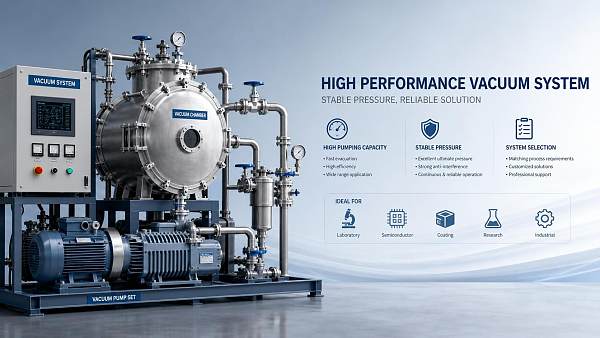
 Jul 22, 2026How to Evaluate Vacuum System Pump Capacity Metrics for Reliable System SizingVacuum system pump capacity metrics explained: learn how to compare pumping speed, ultimate pressure, leakage tolerance, and duty cycle for reliable sizing and better lifecycle performance.
 Jul 20, 2026What Is Logistics Infrastructure and How Does It Shape Freight Efficiency?Logistics infrastructure drives freight speed, reliability, and cost control. Learn how rail, terminals, signaling, and digital systems improve efficiency and resilience.
 Jul 19, 2026How Rail Predictive Maintenance Analytics Helps Cut Failures and Plan Smarter RepairsRail predictive maintenance analytics helps rail teams cut failures, predict risks, and plan smarter repairs. Learn how to reduce downtime, improve safety, and control lifecycle costs.
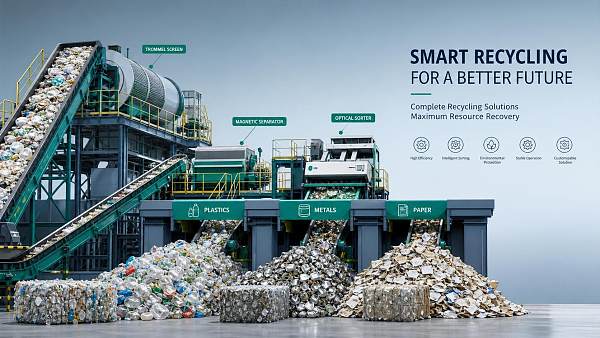
 Jul 17, 2026How to Choose a Waste Recycling Line Manufacturer for Capacity, Material Mix, and ComplianceWaste recycling line manufacturer selection guide: compare real capacity, material mix fit, compliance, and lifecycle cost to choose a reliable supplier with confidence.
 Jul 16, 2026How to Evaluate a MES Software Manufacturer for Integration, Support, and ScalabilityMES software manufacturer selection starts with integration, support, and scalability. Learn how to compare vendors, reduce risk, and choose a platform built for traceability and growth.
 Jul 15, 2026Rail Technical Benchmarking in Europe: How Operators Compare Reliability and Asset KPIsRail technical benchmarking Europe explained: discover how operators compare reliability, maintenance design, signaling resilience, and asset KPIs to make smarter rail investment decisions.
 Jul 15, 2026Rail Systems Benchmarking Framework: What Metrics Matter for Network PerformanceRail systems benchmarking framework: discover the metrics that truly drive network performance, reliability, lifecycle cost, and compliance for smarter rail investment decisions.
 Jul 15, 2026How to Interpret Martindale Abrasion Test Results for Fabric Durability DecisionsMartindale abrasion test results reveal more than rub counts. Learn how to read fabric durability data correctly, compare reports with confidence, and choose materials that reduce wear risk and lifecycle cost.
: What Limits Apply and How Hospitals Measure Compliance") Jul 14, 2026ICU Noise Level Standards (dB): What Limits Apply and How Hospitals Measure ComplianceICU noise level standards (dB) explained: learn accepted ICU sound limits, how hospitals measure compliance, and what drives non-compliance to improve patient safety and care quality.
Jul 14, 2026ICU Noise Level Standards (dB): What Limits Apply and How Hospitals Measure ComplianceICU noise level standards (dB) explained: learn accepted ICU sound limits, how hospitals measure compliance, and what drives non-compliance to improve patient safety and care quality. Jul 14, 2026Sustainable Packaging Design: 7 Factors to Balance Recyclability, Cost, and Shelf AppealSustainable packaging design made practical: explore 7 key factors to balance recyclability, total cost, compliance, product protection, and shelf appeal for smarter packaging decisions.
 Jul 14, 2026EPS Sandwich Panels Wholesale: How to Compare Density, Fire Rating, and Lead TimeEPS sandwich panels wholesale buyers should compare density, fire rating, and real lead time—not just price. Learn how to avoid compliance risks, delays, and costly sourcing mistakes.
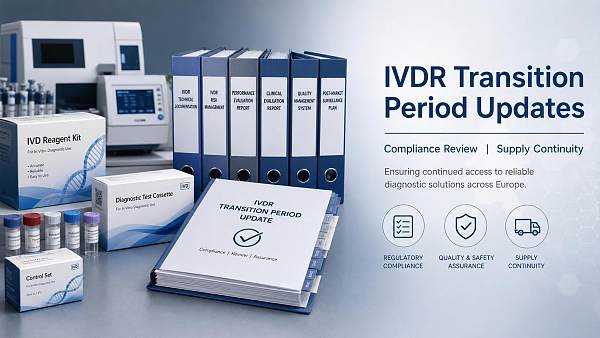
 Jul 13, 2026European IVDR Grace Period Updates: What Device Manufacturers Must Review NowEuropean IVDR grace period updates: learn what device manufacturers must review now, from classification and notified body timing to portfolio risk, to protect market access and avoid costly disruption.
 Jul 13, 2026Sustainable Agriculture Benefits Explained: Soil Health, Water Savings, and Yield StabilitySustainable agriculture benefits explained: discover how healthier soil, smarter water use, and more stable yields help farms reduce risk, improve resilience, and perform better over time.
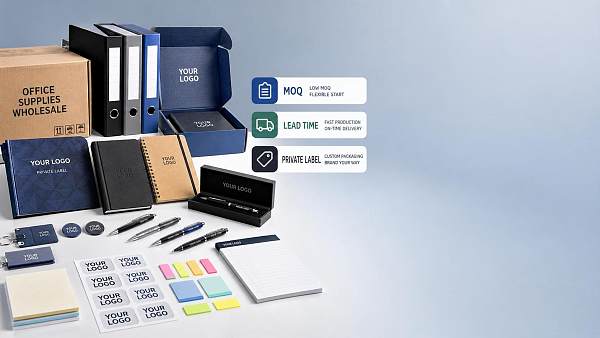
 Jul 13, 2026Office Stationery Wholesale: How to Compare MOQ, Lead Time, and Private Label OptionsOffice stationery wholesale made simple: compare MOQ, lead time, and private label options to reduce risk, improve supply continuity, and choose the right supplier faster.
 Jul 12, 2026How to Choose an Outdoor Furniture Distributor for Hospitality and Retail ProjectsOutdoor furniture distributor selection for hospitality and retail projects: learn how to compare supply reliability, compliance, customization, and after-sales support with confidence.
 Jul 11, 2026How Rail Project Intelligence Reports Support Bid Planning and Market Entry DecisionsRail project intelligence reports help teams assess bid feasibility, compliance risk, and market entry timing—turning complex rail opportunities into smarter, lower-risk growth decisions.
 Jul 11, 2026How to Evaluate a Rail Data Platform Provider for Multi-Line Asset and Project VisibilityRail data platform provider selection starts with visibility you can trust. Learn how to compare data accuracy, benchmarking depth, and multi-line project control for better rail decisions.
 Jul 10, 2026How Rail Infrastructure Benchmarking Reports Help Compare Capex, Delivery Risk, and Network ReadinessRail infrastructure benchmarking reports help decision-makers compare capex, delivery risk, and network readiness with greater clarity—discover smarter, lower-risk rail investment insights.
 Jul 10, 2026What an EPC Rail Contractors Database Should Include Before You Shortlist BiddersEPC rail contractors database essentials: discover the must-have data fields, compliance checks, and risk signals to shortlist stronger bidders and reduce tender mistakes.
 Jul 10, 2026Rail Supplier Evaluation for Global Sourcing: Criteria, Scorecards, and Red FlagsRail supplier evaluation global sourcing guide covering criteria, scorecards, and red flags to reduce risk, improve compliance, and choose reliable rail partners with confidence.
 Jul 09, 2026Contract Furniture Buying Guide: How to Evaluate Durability, Compliance, and Lifecycle CostContract Furniture buying guide: learn how to assess durability, compliance, and lifecycle cost to reduce risk, avoid costly replacements, and choose smarter long-term solutions.
 Jul 09, 2026Eco-Build Materials Explained: How to Compare Low-Impact Options for New ProjectsEco-Build explained for new projects: compare low-impact materials by carbon, compliance, durability, cost, and supply risk to choose smarter, greener options with confidence.
 Jul 09, 2026Rail Industry Intelligence for Sourcing: What Buyers Should Track Before Comparing SuppliersRail industry intelligence for sourcing helps buyers assess compliance, lifecycle cost, capacity, and cross-border risk before comparing suppliers. Read the key checkpoints now.
 Jul 08, 2026Catalysts Manufacturer Selection Guide: How to Assess Quality Systems and Supply RiskCatalysts manufacturer selection guide: learn how to assess quality systems, batch consistency, compliance readiness, and supply risk to reduce sourcing costs and avoid costly disruptions.

















Quarterly Executive Summaries Delivered Directly.
Join 50,000+ industry leaders who receive our proprietary market analysis and policy outlooks before they hit the public library.