

Why data transparency in retail now drives trust
Dr. Alistair Thorne
Time
Click Count
Why data transparency in retail now drives trust
In today’s trust-driven economy, data transparency in retail has become more than a compliance expectation—it is a strategic benchmark for every enterprise that depends on complex supply chains, procurement confidence, and measurable performance.
For infrastructure, mobility, and industrial markets, the same principle applies. Verified data reduces risk, strengthens stakeholder trust, and improves capital allocation.
As global rail and transit projects grow in scale and scrutiny, transparent intelligence is essential for comparing suppliers, validating standards, and making resilient long-term decisions.
Understanding data transparency in retail as a trust mechanism
Data transparency in retail means making product, sourcing, pricing, inventory, quality, and performance information traceable, consistent, and verifiable across the value chain.
It does not require unlimited disclosure. It requires relevant evidence, clear data ownership, and reliable methods for checking claims.
In practical terms, data transparency in retail connects what is promised with what can be independently confirmed.
This includes origin data, sustainability indicators, safety documentation, delivery records, technical specifications, warranty terms, and after-sales performance.
Trust rises when information is timely, comparable, and linked to recognized standards. Trust weakens when claims remain fragmented or unverifiable.
The same logic shapes confidence in rail systems, transit infrastructure, and other capital-intensive sectors.
For G-RTI, transparent benchmarking supports credible evaluation of high-speed rail systems, urban transit assets, signaling platforms, and traction power technologies.
Industry signals behind the transparency shift
Several forces explain why data transparency in retail now influences broader industrial decision-making.
Supply chains are longer, regulations are stricter, and public expectations are more evidence-based.
At the same time, digital platforms make it easier to collect data but harder to separate reliable intelligence from noise.
These signals show why data transparency in retail is no longer confined to consumer-facing commerce.
It has become a model for evaluating integrity in multi-tier industrial ecosystems.
Why transparency improves commercial confidence
Commercial trust depends on reducing uncertainty before commitments become expensive, irreversible, or politically sensitive.
Data transparency in retail helps because it turns vague assurance into measurable evidence.
The same benefit applies to rail and transit infrastructure, where errors can affect safety, financing, operations, and public acceptance.
Risk reduction through verifiable evidence
Transparent data reduces dependence on reputation alone. It supports decisions with documented specifications, performance histories, and certification alignment.
For example, a traction motor claim should connect to test records, operating conditions, standard references, and maintenance outcomes.
That discipline reflects the deeper value of data transparency in retail: confidence grows when evidence is accessible and comparable.
Better allocation of capital and resources
Large projects require trade-offs between cost, resilience, lifecycle performance, and delivery certainty.
Transparent intelligence allows assumptions to be challenged before contracts, engineering changes, or maintenance obligations create long-term exposure.
This makes data transparency in retail relevant to institutional benchmarking, supplier qualification, and infrastructure planning.
Stronger alignment across stakeholders
Trust often fails when different parties rely on different versions of information.
A transparent data model creates a shared reference point for technical, commercial, regulatory, and operational decisions.
In this sense, data transparency in retail offers a practical governance lesson for every integrated supply chain.
How transparency transfers from retail to rail intelligence
Retail transparency and rail infrastructure may appear distant, but both depend on traceability, comparability, and accountability.
Retail asks whether a product claim can be trusted. Rail asks whether a system claim can be validated over decades.
G-RTI applies this principle through technical benchmarking across mechanical, digital, and structural dimensions.
- High-Speed Rail systems require transparent evidence on speed, safety, reliability, and interoperability.
- Urban metro and transit networks require consistent data on capacity, maintainability, and lifecycle cost.
- Advanced signaling, including CBTC and ETCS, requires auditable data on safety integrity and system integration.
- Track infrastructure requires verified records on materials, inspection cycles, and maintenance performance.
- Traction power supply requires measurable data on efficiency, redundancy, grid impact, and operational stability.
These categories show how data transparency in retail becomes a wider industrial trust framework.
The goal is not more data for its own sake. The goal is decision-grade intelligence.
Typical transparency objects and decision value
A useful transparency program defines what must be visible, why it matters, and how it will be verified.
This approach keeps data transparency in retail practical rather than abstract.
This structure reflects the operational side of data transparency in retail.
Evidence must serve a decision, not simply fill a database.
Practical principles for building transparent data systems
Organizations can strengthen trust by treating transparency as an operating discipline.
The following principles make data transparency in retail actionable across complex industrial environments.
- Define the decision first, then identify the data required to support it.
- Use recognized standards to create consistent terminology and comparison logic.
- Separate verified records from supplier claims, estimates, and promotional language.
- Maintain data lineage so each figure can be traced to its source.
- Update information regularly, especially where safety, availability, and maintenance trends change.
- Protect sensitive information while still providing enough evidence for responsible decisions.
These steps prevent transparency from becoming uncontrolled disclosure.
Effective data transparency in retail balances openness, confidentiality, and verification discipline.
Key cautions when interpreting transparent data
Transparency improves trust, but it does not automatically guarantee quality.
Data can be incomplete, outdated, selectively presented, or disconnected from real operating conditions.
That is why data transparency in retail must be paired with validation, benchmarking, and contextual interpretation.
- Check whether performance data reflects laboratory conditions or field operation.
- Review whether standards are fully met or only partially referenced.
- Compare lifecycle data over similar duty cycles and maintenance regimes.
- Identify missing assumptions behind cost, reliability, and sustainability claims.
- Confirm whether data has been independently audited or internally generated.
For rail systems, this distinction is critical.
A component may meet one technical threshold yet fail to satisfy integration, durability, or regional compliance requirements.
Responsible interpretation turns transparent information into reliable intelligence.
Strategic role of G-RTI in transparent benchmarking
G-RTI positions transparency as a foundation for the next generation of global mobility.
Its work connects Asian manufacturing strength with the regulatory and technical expectations of European, American, and Middle Eastern markets.
By organizing intelligence across rail systems, signaling, infrastructure, and power supply, G-RTI makes complex information easier to compare.
This mirrors the core value of data transparency in retail: trusted decisions require evidence that can be evaluated across multiple dimensions.
In practice, transparent benchmarking helps identify capability gaps, validate tender assumptions, and assess whether technologies fit specific operating environments.
It also supports policy foresight by linking technical performance with supply chain resilience, standard alignment, and long-term infrastructure priorities.
Next steps for applying transparency with confidence
The rise of data transparency in retail proves that trust is now built through evidence, not assumption.
For complex industries, the next step is to turn fragmented information into structured, comparable, and standards-based intelligence.
Begin by mapping the most important decisions that depend on supplier, product, compliance, and lifecycle data.
Then identify which records are verified, which are missing, and which require independent benchmarking.
G-RTI supports this process by providing technical perspective, market intelligence, and data transparency for rail and transit infrastructure decisions.
When transparency is disciplined, decisions become faster, risks become clearer, and trust becomes measurable.
That is why data transparency in retail now drives trust far beyond retail itself.
Search News
Industry Portal
Hot Articles

Popular Tags
Recommended News
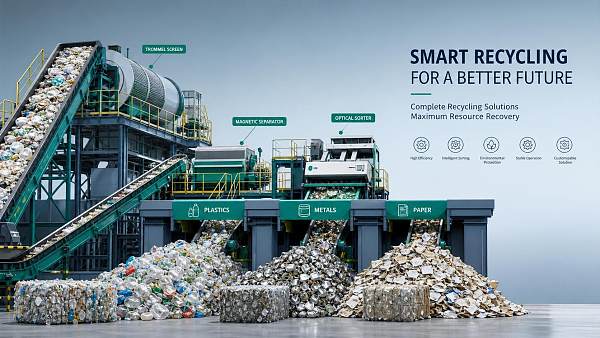
 Jul 17, 2026How to Choose a Waste Recycling Line Manufacturer for Capacity, Material Mix, and ComplianceWaste recycling line manufacturer selection guide: compare real capacity, material mix fit, compliance, and lifecycle cost to choose a reliable supplier with confidence.
 Jul 16, 2026How to Evaluate a MES Software Manufacturer for Integration, Support, and ScalabilityMES software manufacturer selection starts with integration, support, and scalability. Learn how to compare vendors, reduce risk, and choose a platform built for traceability and growth.
 Jul 15, 2026Rail Technical Benchmarking in Europe: How Operators Compare Reliability and Asset KPIsRail technical benchmarking Europe explained: discover how operators compare reliability, maintenance design, signaling resilience, and asset KPIs to make smarter rail investment decisions.
 Jul 15, 2026Rail Systems Benchmarking Framework: What Metrics Matter for Network PerformanceRail systems benchmarking framework: discover the metrics that truly drive network performance, reliability, lifecycle cost, and compliance for smarter rail investment decisions.
 Jul 15, 2026How to Interpret Martindale Abrasion Test Results for Fabric Durability DecisionsMartindale abrasion test results reveal more than rub counts. Learn how to read fabric durability data correctly, compare reports with confidence, and choose materials that reduce wear risk and lifecycle cost.
: What Limits Apply and How Hospitals Measure Compliance") Jul 14, 2026ICU Noise Level Standards (dB): What Limits Apply and How Hospitals Measure ComplianceICU noise level standards (dB) explained: learn accepted ICU sound limits, how hospitals measure compliance, and what drives non-compliance to improve patient safety and care quality.
Jul 14, 2026ICU Noise Level Standards (dB): What Limits Apply and How Hospitals Measure ComplianceICU noise level standards (dB) explained: learn accepted ICU sound limits, how hospitals measure compliance, and what drives non-compliance to improve patient safety and care quality. Jul 14, 2026Sustainable Packaging Design: 7 Factors to Balance Recyclability, Cost, and Shelf AppealSustainable packaging design made practical: explore 7 key factors to balance recyclability, total cost, compliance, product protection, and shelf appeal for smarter packaging decisions.
 Jul 14, 2026EPS Sandwich Panels Wholesale: How to Compare Density, Fire Rating, and Lead TimeEPS sandwich panels wholesale buyers should compare density, fire rating, and real lead time—not just price. Learn how to avoid compliance risks, delays, and costly sourcing mistakes.
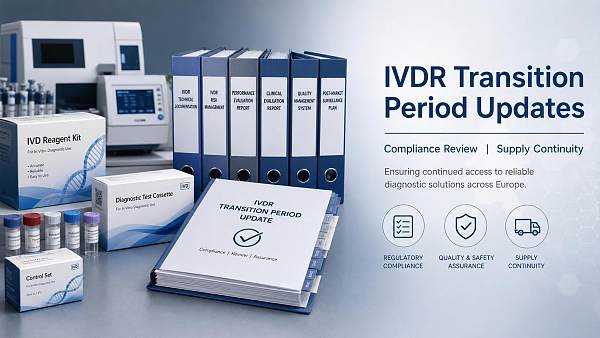
 Jul 13, 2026European IVDR Grace Period Updates: What Device Manufacturers Must Review NowEuropean IVDR grace period updates: learn what device manufacturers must review now, from classification and notified body timing to portfolio risk, to protect market access and avoid costly disruption.
 Jul 13, 2026Sustainable Agriculture Benefits Explained: Soil Health, Water Savings, and Yield StabilitySustainable agriculture benefits explained: discover how healthier soil, smarter water use, and more stable yields help farms reduce risk, improve resilience, and perform better over time.
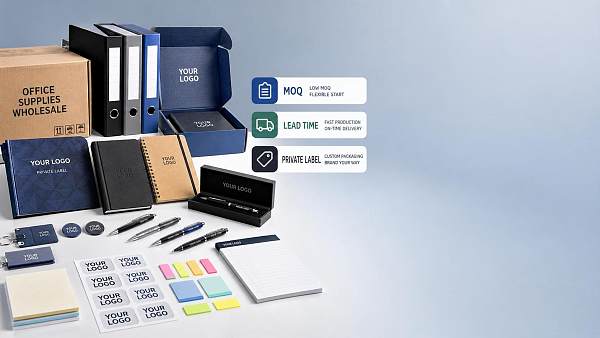
 Jul 13, 2026Office Stationery Wholesale: How to Compare MOQ, Lead Time, and Private Label OptionsOffice stationery wholesale made simple: compare MOQ, lead time, and private label options to reduce risk, improve supply continuity, and choose the right supplier faster.
 Jul 12, 2026How to Choose an Outdoor Furniture Distributor for Hospitality and Retail ProjectsOutdoor furniture distributor selection for hospitality and retail projects: learn how to compare supply reliability, compliance, customization, and after-sales support with confidence.
 Jul 11, 2026How Rail Project Intelligence Reports Support Bid Planning and Market Entry DecisionsRail project intelligence reports help teams assess bid feasibility, compliance risk, and market entry timing—turning complex rail opportunities into smarter, lower-risk growth decisions.
 Jul 11, 2026How to Evaluate a Rail Data Platform Provider for Multi-Line Asset and Project VisibilityRail data platform provider selection starts with visibility you can trust. Learn how to compare data accuracy, benchmarking depth, and multi-line project control for better rail decisions.
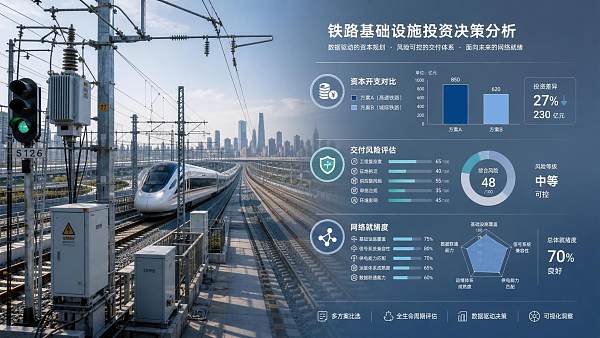
 Jul 10, 2026How Rail Infrastructure Benchmarking Reports Help Compare Capex, Delivery Risk, and Network ReadinessRail infrastructure benchmarking reports help decision-makers compare capex, delivery risk, and network readiness with greater clarity—discover smarter, lower-risk rail investment insights.
 Jul 10, 2026What an EPC Rail Contractors Database Should Include Before You Shortlist BiddersEPC rail contractors database essentials: discover the must-have data fields, compliance checks, and risk signals to shortlist stronger bidders and reduce tender mistakes.
 Jul 10, 2026Rail Supplier Evaluation for Global Sourcing: Criteria, Scorecards, and Red FlagsRail supplier evaluation global sourcing guide covering criteria, scorecards, and red flags to reduce risk, improve compliance, and choose reliable rail partners with confidence.
 Jul 09, 2026Contract Furniture Buying Guide: How to Evaluate Durability, Compliance, and Lifecycle CostContract Furniture buying guide: learn how to assess durability, compliance, and lifecycle cost to reduce risk, avoid costly replacements, and choose smarter long-term solutions.
 Jul 09, 2026Eco-Build Materials Explained: How to Compare Low-Impact Options for New ProjectsEco-Build explained for new projects: compare low-impact materials by carbon, compliance, durability, cost, and supply risk to choose smarter, greener options with confidence.
 Jul 09, 2026Rail Industry Intelligence for Sourcing: What Buyers Should Track Before Comparing SuppliersRail industry intelligence for sourcing helps buyers assess compliance, lifecycle cost, capacity, and cross-border risk before comparing suppliers. Read the key checkpoints now.
 Jul 08, 2026Catalysts Manufacturer Selection Guide: How to Assess Quality Systems and Supply RiskCatalysts manufacturer selection guide: learn how to assess quality systems, batch consistency, compliance readiness, and supply risk to reduce sourcing costs and avoid costly disruptions.
 Jul 08, 2026How to Use Rail Infrastructure Benchmarking Reports to Compare Network ReliabilityRail infrastructure benchmarking reports help compare network reliability with the right context, standards, and lifecycle risks—so you can make smarter rail investment decisions.
 Jul 08, 2026Rail Infrastructure Data Analytics: What KPIs Matter for Asset Performance Planning?Rail infrastructure data analytics reveals the KPIs that matter most for asset performance planning—condition, reliability, cost, and risk—to improve uptime, budgets, and smarter rail decisions.
 Jul 08, 2026How to Choose Coworking Space Furniture Solutions for Flexibility, Comfort, and ROICoworking space furniture solutions that improve flexibility, comfort, and ROI. Learn how to compare layouts, ergonomics, durability, and lifecycle value for smarter workspace decisions.



















Quarterly Executive Summaries Delivered Directly.
Join 50,000+ industry leaders who receive our proprietary market analysis and policy outlooks before they hit the public library.