

How to compare rail Tier-1 suppliers without surprises
Dr. Alistair Thorne
Time
Click Count
Choosing among rail Tier-1 suppliers has become more complex as rail projects grow more digital, regulated, and internationally interconnected. Price still matters, but it rarely predicts long-term project performance. Hidden compliance issues, software integration failures, and underestimated maintenance obligations can erase early savings fast.
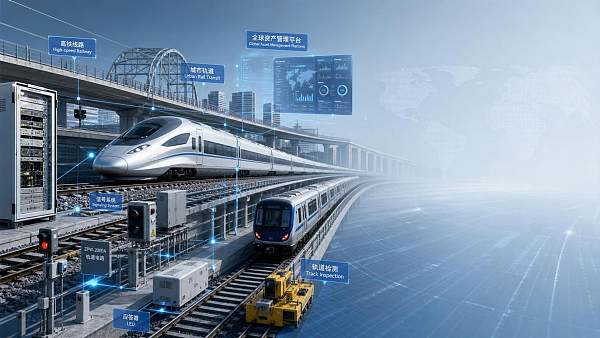
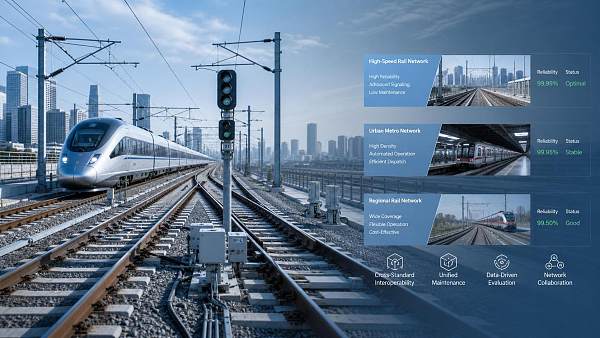
For rail and transit programs, a sound comparison method must examine technical maturity, certification depth, lifecycle cost, delivery resilience, and interoperability. This matters across high-speed rail, urban metro, signaling, track systems, and traction power. The goal is not simply to shortlist vendors. It is to compare rail Tier-1 suppliers without surprises after contract award.
Why rail Tier-1 suppliers are being judged by new standards
The comparison model used ten years ago is no longer enough. Modern rail programs combine mechanical assets, control software, cybersecurity requirements, and strict safety validation. A supplier that looks strong on paper may still carry hidden interface risk.
Market signals are clear. Buyers now expect stronger evidence around EN 50126 alignment, IEC process discipline, ISO/TS 22163 maturity, and digital integration capability. In parallel, geopolitical uncertainty and component shortages have made supply continuity a board-level concern.
As a result, evaluating rail Tier-1 suppliers has shifted from catalog comparison to risk-adjusted benchmarking. The strongest decisions are based on verified engineering data, not sales narratives.
The trend signals reshaping how rail Tier-1 suppliers should be compared
Several trend signals are changing the way enterprises assess rail Tier-1 suppliers. These signals affect both current tenders and future framework agreements.
- Rail systems are becoming software-intensive, especially in signaling, diagnostics, and predictive maintenance.
- Cross-border projects require stronger evidence of regulatory compatibility and documentation quality.
- Lifecycle carbon, energy efficiency, and maintainability now influence tender scoring.
- Supply chain transparency has become critical after repeated logistics and semiconductor disruptions.
- Operators demand easier integration between rolling stock, trackside systems, and digital platforms.
These changes mean that comparing rail Tier-1 suppliers requires more than checking installed base and unit price. It requires forward-looking judgment about operational fit and compliance durability.
What is driving the shift in rail Tier-1 suppliers evaluation
The main drivers can be summarized in a practical framework. Each driver introduces a different kind of procurement and delivery risk.
Where hidden surprises usually appear with rail Tier-1 suppliers
Most sourcing surprises do not come from headline specifications. They appear in the gaps between tender promises and project execution realities. That is why a structured comparison of rail Tier-1 suppliers must include failure points, not just strengths.
Compliance gaps that surface late
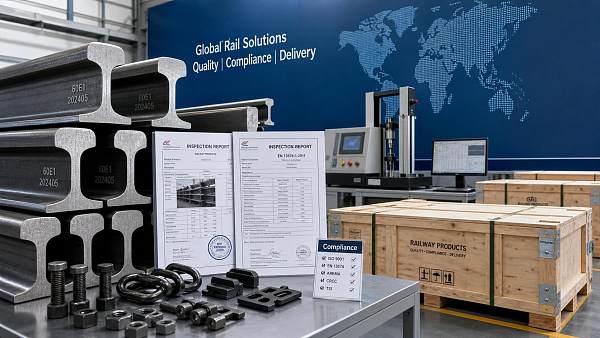
A supplier may hold relevant certifications, yet the certified scope may not match the offered subsystem, site, or configuration. Audit dates, notified body references, and localization assumptions need review.
Integration risk across subsystems
Signaling, traction, braking, doors, communications, and condition monitoring all exchange data. Weak interface control can trigger delays, revalidation, and field modifications. Interface ownership must be explicit.
Lifecycle cost underestimation
Low acquisition cost often hides expensive spares, proprietary tools, limited local repair capacity, or energy inefficiency. A credible supplier comparison should include fifteen-to-thirty-year ownership assumptions.
Delivery resilience weaknesses
A strong prime contractor can still depend on fragile second-tier electronics, castings, insulation materials, or semiconductors. Ask where bottlenecks exist and how substitutions are validated.
How these shifts affect project outcomes across the rail value chain
The new evaluation standard for rail Tier-1 suppliers changes more than vendor scoring. It affects schedules, financing confidence, operational readiness, and long-term asset performance.
- During design, stronger supplier benchmarking reduces rework from incompatible interfaces.
- During construction, verified delivery capacity lowers disruption from material shortages.
- During testing, robust safety and validation records shorten approval friction.
- During operations, better maintainability and diagnostics improve availability and cost control.
- During expansion, modular and standards-aligned solutions simplify network upgrades.
This is especially important in global rail and transit infrastructure, where systems often combine Asian manufacturing scale with European, American, or Middle Eastern compliance expectations. Comparison criteria must reflect both engineering capability and market-entry readiness.
What to examine first when comparing rail Tier-1 suppliers
A practical first-pass screen helps remove weak options quickly. The following checkpoints create a more defensible baseline for comparing rail Tier-1 suppliers.
- Certification relevance: Confirm current and subsystem-specific compliance, not only corporate certificates.
- Installed base similarity: Prioritize references with matching speed class, climate, axle load, and duty cycle.
- Interface maturity: Review ICD discipline, protocol openness, and test responsibilities.
- RAM evidence: Request measurable reliability and maintainability data, not generic claims.
- Localization capability: Check spare parts, field service, and training support in target regions.
- Supply chain depth: Identify dependency on single-source components and long-lead items.
- Digital governance: Assess software updates, cybersecurity controls, and data access terms.
A stronger comparison model for rail Tier-1 suppliers
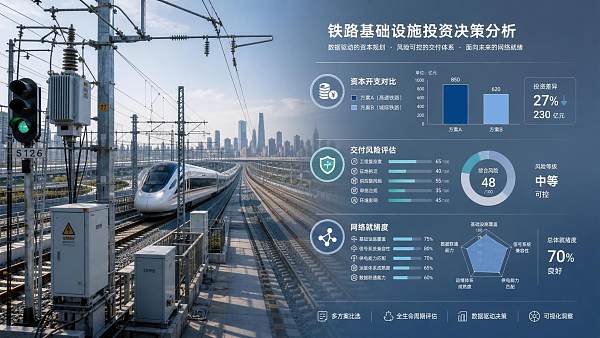
Instead of ranking rail Tier-1 suppliers only by price and technical compliance, use a weighted model that reflects project risk. This method aligns better with complex transit procurement.
The priority checks that deserve extra attention now
Current market conditions suggest several checks should receive special focus when reviewing rail Tier-1 suppliers.
- Verify whether key electronic parts have approved alternates.
- Check if software ownership and access rights remain usable after warranty expiry.
- Review mean time to repair assumptions against real field conditions.
- Test whether reference projects match the target regulatory region.
- Examine obsolescence management for long-life rail assets.
- Assess energy performance under actual operating profiles, not laboratory peaks.
How to move from comparison to confident action
A reliable decision on rail Tier-1 suppliers should end with a documented risk position, not a simple ranked list. Record unresolved gaps, interface assumptions, and validation obligations before final award.
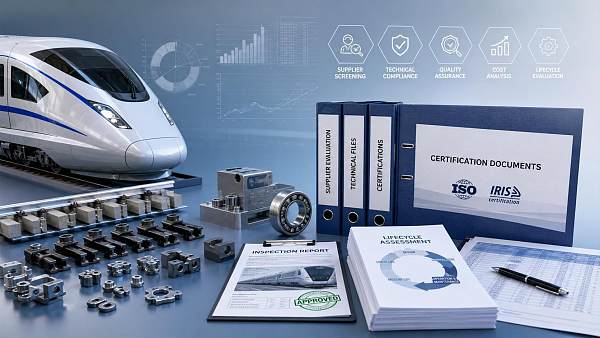
Use technical benchmarking, compliance evidence review, and lifecycle modeling together. This reduces dependence on brand perception and improves negotiation leverage. It also creates a clearer basis for contract clauses, milestones, and performance guarantees.
For complex global rail and transit infrastructure projects, the strongest next step is to build a comparison matrix that combines standards alignment, subsystem fit, RAM data, digital readiness, and supply chain resilience. When rail Tier-1 suppliers are evaluated through that lens, costly surprises become far less likely.
Search News
Industry Portal
Hot Articles

Popular Tags
Recommended News
 Jul 12, 2026How to Choose an Outdoor Furniture Distributor for Hospitality and Retail ProjectsOutdoor furniture distributor selection for hospitality and retail projects: learn how to compare supply reliability, compliance, customization, and after-sales support with confidence.
 Jul 11, 2026How Rail Project Intelligence Reports Support Bid Planning and Market Entry DecisionsRail project intelligence reports help teams assess bid feasibility, compliance risk, and market entry timing—turning complex rail opportunities into smarter, lower-risk growth decisions.
 Jul 11, 2026How to Evaluate a Rail Data Platform Provider for Multi-Line Asset and Project VisibilityRail data platform provider selection starts with visibility you can trust. Learn how to compare data accuracy, benchmarking depth, and multi-line project control for better rail decisions.
 Jul 10, 2026How Rail Infrastructure Benchmarking Reports Help Compare Capex, Delivery Risk, and Network ReadinessRail infrastructure benchmarking reports help decision-makers compare capex, delivery risk, and network readiness with greater clarity—discover smarter, lower-risk rail investment insights.
 Jul 10, 2026What an EPC Rail Contractors Database Should Include Before You Shortlist BiddersEPC rail contractors database essentials: discover the must-have data fields, compliance checks, and risk signals to shortlist stronger bidders and reduce tender mistakes.
 Jul 10, 2026Rail Supplier Evaluation for Global Sourcing: Criteria, Scorecards, and Red FlagsRail supplier evaluation global sourcing guide covering criteria, scorecards, and red flags to reduce risk, improve compliance, and choose reliable rail partners with confidence.
 Jul 09, 2026Contract Furniture Buying Guide: How to Evaluate Durability, Compliance, and Lifecycle CostContract Furniture buying guide: learn how to assess durability, compliance, and lifecycle cost to reduce risk, avoid costly replacements, and choose smarter long-term solutions.
 Jul 09, 2026Eco-Build Materials Explained: How to Compare Low-Impact Options for New ProjectsEco-Build explained for new projects: compare low-impact materials by carbon, compliance, durability, cost, and supply risk to choose smarter, greener options with confidence.
 Jul 09, 2026Rail Industry Intelligence for Sourcing: What Buyers Should Track Before Comparing SuppliersRail industry intelligence for sourcing helps buyers assess compliance, lifecycle cost, capacity, and cross-border risk before comparing suppliers. Read the key checkpoints now.
 Jul 08, 2026Catalysts Manufacturer Selection Guide: How to Assess Quality Systems and Supply RiskCatalysts manufacturer selection guide: learn how to assess quality systems, batch consistency, compliance readiness, and supply risk to reduce sourcing costs and avoid costly disruptions.
 Jul 08, 2026How to Use Rail Infrastructure Benchmarking Reports to Compare Network ReliabilityRail infrastructure benchmarking reports help compare network reliability with the right context, standards, and lifecycle risks—so you can make smarter rail investment decisions.
 Jul 08, 2026Rail Infrastructure Data Analytics: What KPIs Matter for Asset Performance Planning?Rail infrastructure data analytics reveals the KPIs that matter most for asset performance planning—condition, reliability, cost, and risk—to improve uptime, budgets, and smarter rail decisions.
 Jul 08, 2026How to Choose Coworking Space Furniture Solutions for Flexibility, Comfort, and ROICoworking space furniture solutions that improve flexibility, comfort, and ROI. Learn how to compare layouts, ergonomics, durability, and lifecycle value for smarter workspace decisions.
![]() Jul 07, 2026How to Evaluate a CNC Machining Service Supplier for Quality, Lead Time, and Costcnc machining service supplier selection starts with quality, lead time, and total cost. Learn practical evaluation tips to reduce risk, improve delivery, and choose with confidence.
Jul 07, 2026How to Evaluate a CNC Machining Service Supplier for Quality, Lead Time, and Costcnc machining service supplier selection starts with quality, lead time, and total cost. Learn practical evaluation tips to reduce risk, improve delivery, and choose with confidence.![]() Jul 07, 2026What Is a Structured Resource? Use Cases, Data Organization, and Implementation BasicsStructured resource explained: learn use cases, data organization, and implementation basics to turn scattered information into searchable, reliable insights for better decisions.
Jul 07, 2026What Is a Structured Resource? Use Cases, Data Organization, and Implementation BasicsStructured resource explained: learn use cases, data organization, and implementation basics to turn scattered information into searchable, reliable insights for better decisions.![]() Jul 07, 2026Signal-to-Noise Ratio in MRI: What Affects It and How to Improve Image QualitySignal-to-noise ratio in MRI explained: discover what affects SNR, the tradeoffs behind image quality, and practical ways to improve scans for clearer, more reliable results.
Jul 07, 2026Signal-to-Noise Ratio in MRI: What Affects It and How to Improve Image QualitySignal-to-noise ratio in MRI explained: discover what affects SNR, the tradeoffs behind image quality, and practical ways to improve scans for clearer, more reliable results.![]() Jul 06, 2026When to Use Sulfate Resisting Cement Bulk in Foundations and Marine Projectssulfate resisting cement bulk: learn when foundations, tunnels, and marine structures truly need it to improve durability, cut lifecycle repair risk, and support smarter specification decisions.
Jul 06, 2026When to Use Sulfate Resisting Cement Bulk in Foundations and Marine Projectssulfate resisting cement bulk: learn when foundations, tunnels, and marine structures truly need it to improve durability, cut lifecycle repair risk, and support smarter specification decisions.![]() Jul 06, 2026What Is Fintech? Key Business Models, Services, and Adoption Risks ExplainedFintech explained: explore key business models, core services, real-world enterprise use cases, and adoption risks to make smarter, faster financial technology decisions.
Jul 06, 2026What Is Fintech? Key Business Models, Services, and Adoption Risks ExplainedFintech explained: explore key business models, core services, real-world enterprise use cases, and adoption risks to make smarter, faster financial technology decisions. Jul 05, 2026Rail Benchmarking Platform Software: Key Metrics, Data Sources, and Integration BasicsRail benchmarking platform software explained: compare key metrics, trusted data sources, and integration basics to improve rail compliance, supplier decisions, and lifecycle performance.
 Jul 05, 2026Blood Pressure Monitor Wholesale: MOQ, Certifications, Accuracy, and OEM Questions to AskBlood pressure monitor wholesale guide covering MOQ, certifications, accuracy checks, and OEM questions. Learn how to compare suppliers, reduce risk, and secure reliable long-term sourcing.
 Jul 05, 2026Cold Chain Failures Explained: Common Temperature Control Risks and How to Prevent ThemCold chain failures often start with small mistakes. Learn the most common temperature control risks in storage and transport, plus practical ways to prevent costly quality, compliance, and delivery issues.
 Jul 04, 2026What Is Bioengineering Used For? Core Applications in Medicine, Food, and ManufacturingBioengineering powers breakthroughs in medicine, food, and manufacturing. Discover its core applications, business value, and why it is shaping scalable innovation.
 Jul 04, 2026Hospital HVAC Air Exchange Rates: How to Read ACH Requirements by Room TypeHospital HVAC air exchange rates explained by room type. Learn how to read ACH requirements, avoid compliance mistakes, and improve infection control, design accuracy, and project performance.
 Jul 04, 2026Strategic Benchmarking vs Competitive Benchmarking: Which Method Fits Business Planning?Strategic benchmarking vs competitive benchmarking: learn which method best supports business planning, long-term investment, risk control, and stronger market decisions.












Quarterly Executive Summaries Delivered Directly.
Join 50,000+ industry leaders who receive our proprietary market analysis and policy outlooks before they hit the public library.