

Can rail carbon neutrality cut costs without slowing upgrades
Dr. Alistair Thorne
Time
Click Count
Can rail carbon neutrality reduce operating costs while keeping network upgrades on schedule? For finance approvers balancing capex discipline, compliance risk, and long-term asset value, the answer depends on data-driven planning. This article examines how rail carbon neutrality strategies can align procurement, energy efficiency, and lifecycle performance to protect budgets without compromising modernization goals.
Why rail carbon neutrality has become a finance issue, not just a sustainability issue
For many rail operators and infrastructure investors, rail carbon neutrality is no longer a branding exercise. It now affects financing conditions, public tender scoring, energy exposure, and long-term maintenance liabilities. Financial approvers are increasingly asked to justify why a lower-emission solution deserves approval when capital budgets are already under pressure.
The core question is practical: can decarbonization reduce total cost without delaying critical upgrades? In rail, the answer is often yes, but only when carbon targets are tied to measurable operating levers such as traction energy consumption, component lifespan, maintenance intervals, and procurement compliance across multiple markets.
This is where G-RTI adds value. Its benchmarking model helps decision-makers compare hardware, digital systems, and infrastructure choices against international standards and real project conditions. That makes rail carbon neutrality easier to evaluate as a capital allocation decision rather than a vague policy ambition.
- Energy costs remain volatile, especially for high-frequency metro systems and electrified freight corridors.
- Regulatory frameworks in Europe, North America, and the Middle East increasingly reward lower lifecycle emissions.
- Rolling stock, power systems, signaling, and track maintenance now interact more tightly, so isolated cost decisions can create expensive downstream inefficiencies.
Where finance teams usually misread the business case
A common mistake is to compare only upfront equipment prices. A cheaper motor, converter, switchgear package, or track component can increase energy draw, maintenance labor, downtime, and spare part complexity over the asset life. That weakens the real economics of rail carbon neutrality and can also slow modernization because corrective interventions consume future budgets.
Which cost levers matter most when evaluating rail carbon neutrality
Finance approvers need a structured way to assess where rail carbon neutrality can create savings. The most credible savings usually come from operating expenditure reduction and risk avoidance, not from headline claims. The table below shows the cost levers that should be reviewed before approving any upgrade package.
The key takeaway is that rail carbon neutrality pays off when financial review focuses on whole-system performance. G-RTI’s cross-pillar benchmarking is useful here because traction, signaling, track, and maintenance decisions should not be modeled separately if the objective is cost control during modernization.
How to separate real savings from optimistic assumptions
A stronger approval process asks vendors and project teams to present assumptions in a common framework. Energy savings should be linked to route profile, axle load, dwell time, and service frequency. Maintenance savings should show the current failure rate, planned intervention schedule, and spare part lead time. Carbon reduction claims should be mapped to operational boundaries rather than generic statements.
Can upgrades stay on schedule while pursuing rail carbon neutrality?
Schedule risk is one of the biggest concerns for finance approvers. Delayed upgrades can trigger liquidated damages, political scrutiny, and rising financing costs. The good news is that rail carbon neutrality does not automatically slow delivery. Problems usually appear when carbon goals are added late, after specifications, interfaces, and supplier qualification paths are already fixed.
In practice, the fastest route is phased integration. That means prioritizing measures with strong compatibility and short validation cycles, then sequencing deeper system changes later. G-RTI’s benchmark repository helps procurement teams identify which upgrade categories are easier to insert into active programs and which require broader system redesign.
- Start with high-confidence retrofits such as energy management software, condition monitoring, and selected traction efficiency upgrades.
- Align technical specifications early with standards and regional approval pathways.
- Use dual-track procurement planning so carbon-related options are evaluated before tender lock-in.
- Reserve schedule contingency for interface testing, not for late scope changes.
Upgrade categories with lower disruption risk
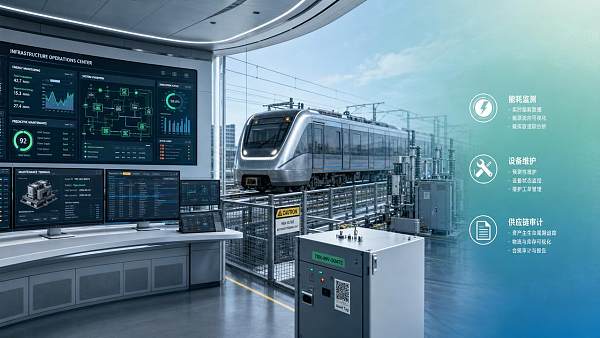
Software-led maintenance analytics, improved substation monitoring, and selected component substitutions can support rail carbon neutrality with relatively limited service disruption. By contrast, fleet-wide traction architecture changes, major signaling migrations, or platform power reconfiguration often need longer commissioning windows and tighter stakeholder coordination.
What procurement teams should compare before approving a low-carbon rail solution
Because rail carbon neutrality spans multiple asset classes, procurement teams need a comparison method that speaks to finance. The table below compares three common pathways for lowering emissions while protecting upgrade timelines and budget discipline.
This comparison shows why rail carbon neutrality should not be treated as one procurement category. The financially sound option depends on network maturity, asset age, service pattern, and regulatory pressure. G-RTI helps buyers compare these pathways with technical benchmarks rather than sales narratives.
A practical approval checklist for finance decision-makers
- Is the carbon reduction linked to a measurable cost line such as electricity, maintenance labor, unplanned outages, or spare inventory?
- Has the supplier shown compatibility with existing rolling stock, signaling logic, track geometry, and traction power constraints?
- Are the assumptions aligned with standards and regional approval expectations?
- What is the exposure if delivery slips by one quarter, two quarters, or a full fiscal year?
- Can the project be staged to protect essential service upgrades if part of the low-carbon scope is delayed?
Which standards and compliance points affect the rail carbon neutrality business case
Financial approval becomes easier when technical claims are backed by recognized frameworks. In cross-border rail procurement, compliance is not a side issue. It influences tender eligibility, integration risk, insurance comfort, and acceptance timelines. For rail carbon neutrality, standards matter because they validate not only performance but also the management of safety, reliability, and lifecycle processes.
G-RTI’s emphasis on ISO/TS 22163, IEC 62278, and EN 50126 is particularly relevant for procurement directors and finance approvers managing complex projects. These references support a more disciplined review of whether a proposed solution can be integrated, verified, and maintained under realistic operating conditions.
- ISO/TS 22163 supports quality management discipline in the rail supply chain and helps assess supplier process maturity.
- IEC 62278 focuses on railway applications and lifecycle reliability, availability, maintainability, and safety considerations.
- EN 50126 provides a structured framework for demonstrating system-level dependability across the asset lifecycle.
Why compliance affects cost more than many teams expect
A solution that looks inexpensive at quotation stage may become expensive if its approval pathway is unclear. Rework, repeated tests, interface disputes, and delayed commissioning can erase projected savings. Rail carbon neutrality therefore works best when compliance review is integrated into sourcing, not left to late-stage engineering validation.
Where rail carbon neutrality delivers the strongest return across rail segments
Not every network will see the same return profile. Financial approvers should evaluate rail carbon neutrality by segment rather than assuming one solution fits all. G-RTI’s five industrial pillars provide a useful lens because cost and carbon outcomes differ sharply between high-speed, metro, signaling, track, and power applications.
High-speed rail systems
High-speed rail tends to magnify energy efficiency gains because traction demand is high and service quality expectations are strict. Even small improvements in propulsion efficiency or maintenance predictability can have meaningful budget impact. However, validation requirements are also stricter, so schedule planning must be conservative.
Urban metro and transit
Metro systems often offer fast wins for rail carbon neutrality through regenerative braking capture, station energy management, and predictive maintenance. Their dense operating pattern means savings repeat every day. Finance teams should still examine software integration cost and cyber-related support requirements.
Advanced signaling and communication
CBTC and ETCS-related upgrades can contribute indirectly to carbon reduction by improving traffic regularity, reducing unnecessary acceleration, and increasing capacity utilization. The financial logic is strongest where better headway control delays the need for heavier civil expansion.
Track infrastructure and maintenance
Track condition monitoring and optimized maintenance planning support rail carbon neutrality by extending asset life and reducing disruptive interventions. This area appeals to finance teams because it often converts emergency spending into forecastable maintenance budgets.
Traction power supply
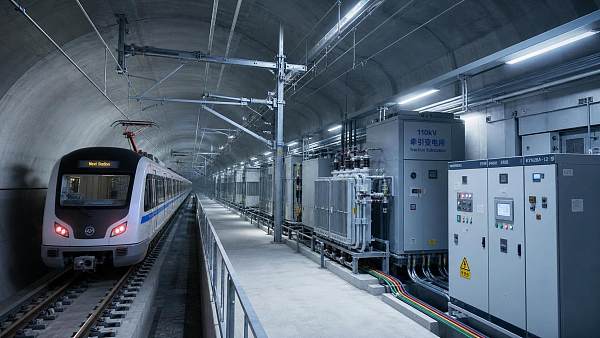
Power supply upgrades are less visible to passengers but highly relevant to cost control. Lower network losses, improved conversion efficiency, and better load management can strengthen both carbon performance and operating economics, especially where electricity tariffs are rising.
Common misconceptions finance approvers should avoid
“Lower carbon always means higher capex”
Not necessarily. Some rail carbon neutrality measures are software-led or focused on targeted retrofits. They can reduce maintenance waste and energy consumption without requiring a full fleet or infrastructure replacement.
“If the payback is not immediate, the project should wait”
Delaying can increase exposure to future energy prices, tighter tender rules, and aging-asset failures. A better question is whether the project can be phased so early savings support later modernization steps.
“Carbon metrics are too abstract for financial review”
They become practical when tied to measurable system variables. Energy per train-km, mean time between failures, spare part consumption, outage duration, and overhaul intervals are all finance-relevant indicators that support rail carbon neutrality analysis.
FAQ: how finance teams can judge rail carbon neutrality with confidence
How should we evaluate suppliers claiming rail carbon neutrality benefits?
Ask for project-specific assumptions, not generic percentages. Require evidence tied to route conditions, service frequency, maintenance baseline, and standards alignment. It is also wise to compare claims against benchmarked components and known international practices, which is where G-RTI can support due diligence.
What usually delivers faster savings: equipment replacement or digital optimization?
Digital optimization and predictive maintenance often deliver earlier savings because they require less intrusive installation. Full equipment replacement may create bigger long-term gains, but it usually carries higher approval thresholds, longer lead times, and more commissioning risk.
What procurement documents should include rail carbon neutrality requirements?
The requirements should appear in technical specifications, bid evaluation criteria, lifecycle cost models, interface definitions, and acceptance documentation. If carbon expectations are mentioned only at policy level, they are unlikely to shape supplier behavior or protect the budget.
How do we prevent low-carbon upgrades from delaying the main project?
Lock the system boundaries early, prioritize compatible measures first, and define decision gates for more disruptive upgrades. Financial approvals should be linked to milestone evidence, including compliance review, interface readiness, and realistic commissioning windows.
Why choose us for rail carbon neutrality planning and procurement support
G-RTI supports finance approvers, procurement leaders, EPC contractors, and Tier-1 rail manufacturers with a technical and commercial view of rail carbon neutrality. Our advantage is not generic sustainability messaging. It is the ability to benchmark mechanical, digital, and structural rail solutions across high-speed rail, urban transit, signaling, track maintenance, and traction power against real international requirements.
If you need to evaluate whether a low-carbon rail upgrade will actually protect budget and schedule, we can support specific decision points with usable market intelligence and technical comparison.
- Parameter confirmation for traction, signaling, track, and power-related upgrade packages
- Product and solution selection based on lifecycle cost, compatibility, and regulatory fit
- Delivery cycle assessment for multi-region sourcing and phased implementation planning
- Certification and standards review for projects facing European, American, or Middle Eastern compliance expectations
- Quotation comparison support, tender intelligence, and supply chain risk screening
For organizations weighing rail carbon neutrality against capex pressure, the right next step is a structured review of asset condition, upgrade timing, standards exposure, and supplier options. Contact us to discuss specification checks, procurement strategy, delivery timing, certification questions, or a tailored benchmarking brief for your next rail modernization decision.
Search News
Industry Portal
Hot Articles

Popular Tags
Recommended News
 Jul 15, 2026Rail Carbon Neutrality Metrics Explained: Scope, Data Sources, and Reporting GapsRail carbon neutrality metrics explained clearly: learn Scope 1, 2, and 3 boundaries, data sources, and reporting gaps to compare rail projects with more confidence.
 Jul 13, 2026Urban Metro Transit Electrification: Key Substation and OHE Design FactorsUrban metro transit electrification explained: discover the key substation and OHE design factors that improve reliability, lifecycle value, and scalable metro performance.
 Jun 14, 2026What Is Sustainability Tracking and Which Metrics Matter for Operations and Reporting?Sustainability tracking goes beyond reporting. Learn which metrics matter most for operations, procurement, compliance, and long-term resilience—and how to turn data into better decisions.
 May 25, 2026Can rail carbon neutrality cut costs without slowing upgradesRail carbon neutrality can cut rail operating costs without derailing upgrades. Learn how finance teams can balance capex, compliance, and lifecycle savings with confidence.
 May 20, 2026Rail carbon neutrality is changing project bids fastRail carbon neutrality is changing bid decisions fast. Learn how carbon metrics now shape rail tender scoring, supplier selection, compliance, cost, and competitive project delivery.
 May 18, 2026Can rail carbon neutrality lower long term operating risk?Rail carbon neutrality can do more than cut emissions—it can reduce long-term operating risk through energy stability, compliance resilience, and smarter asset planning. Learn how.
 May 12, 2026Can Rail Carbon Neutrality Goals Survive Rising Upgrade Costs?Rail carbon neutrality remains achievable despite rising upgrade costs. Discover how rail leaders can balance decarbonization, ROI, funding models, and long-term resilience.
 May 06, 2026Rail Carbon Neutrality Plans That Look Strong but UnderperformRail carbon neutrality plans often look strong but underperform in delivery. Learn where rail projects fail, how benchmarking improves results, and how to turn targets into measurable gains.
 May 04, 2026Rail Carbon Neutrality Goals Are Rising, but What Counts as Progress?Rail carbon neutrality is rising fast—but what truly counts as progress? Discover a practical checklist to evaluate real gains, avoid greenwashing, and guide smarter rail investment decisions.
 Apr 29, 2026Rail carbon neutrality claims need more than cleaner powerRail carbon neutrality needs more than cleaner power. Discover how verified lifecycle performance, maintenance discipline, and safety-led standards make sustainability claims credible.
 Apr 23, 2026OHE metrics can look healthy while failures still increaseRail regulatory frameworks and predictive maintenance reveal why healthy OHE metrics can mask rising failures across traction power, signaling systems, and track maintenance—read the smarter benchmarking view.

Quarterly Executive Summaries Delivered Directly.
Join 50,000+ industry leaders who receive our proprietary market analysis and policy outlooks before they hit the public library.