

What rail policy foresight gets wrong about project timing
Dr. Alistair Thorne
Time
Click Count
Rail policy foresight often promises strategic clarity, yet it frequently misreads the real timing pressures that shape major infrastructure delivery. For enterprise decision-makers navigating complex rail investments, understanding where rail policy foresight falls short is essential to avoiding procurement delays, regulatory misalignment, and cost overruns. This article examines why project timing is too often treated as predictable when the market realities are anything but.
Why timing errors matter more in some rail investment scenarios than others
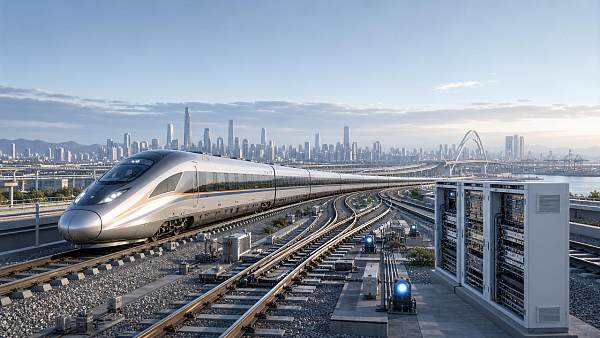
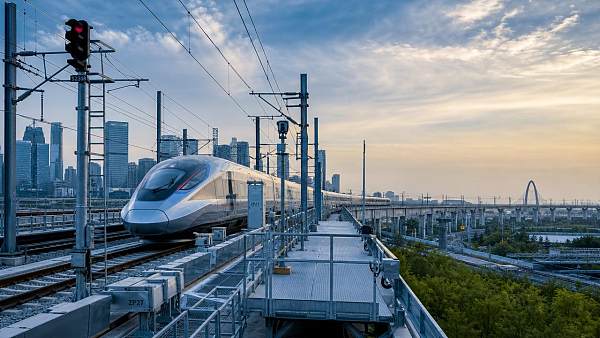
Different rail programs absorb timing risk in very different ways. A greenfield high-speed rail corridor with 5 to 8 years of phased design, land acquisition, civil works, systems integration, and trial operation does not behave like a metro signaling upgrade that must be executed within 18 to 36 months under live operational constraints. Yet rail policy foresight often treats both as if they respond to the same policy calendar, funding tempo, and approval rhythm.
For enterprise decision-makers, this mismatch is not academic. It affects bid strategy, supplier onboarding, localization planning, conformity assessment, and contract structuring. In cross-border rail markets, a delay of 6 to 12 months in one policy gate can ripple into rolling stock procurement windows, traction power package sequencing, or ETCS and CBTC interface testing schedules. What appears to be a policy update can become a commercial timing shock.
This is particularly relevant for organizations operating between manufacturing centers in Asia and regulated deployment markets in Europe, North America, and the Middle East. Technical readiness may be in place, but project timing is often governed by environmental review cycles, safety case review lead times, financing close conditions, and public procurement challenge periods. These are not minor details; they are schedule-defining variables.
Where rail policy foresight usually overestimates predictability
- It assumes policy intent converts into tender activity on a linear timeline, when real projects often pause for 3 to 9 months between planning and procurement.
- It underestimates interface risk between civil, mechanical, electrical, and digital packages, especially where multiple EPC structures are used.
- It overlooks the difference between political announcements and legally executable procurement milestones.
- It compresses certification and assurance processes that typically require repeated documentation cycles under EN 50126, IEC frameworks, or client-specific requirements.
The practical implication is clear: timing should be evaluated by scenario, not by headline policy momentum. Decision-makers need to ask not whether a market is “moving,” but which part of the project lifecycle is truly moving, at what speed, and under which gating conditions.
Three common project scenarios where rail policy foresight gets timing wrong
The most useful way to test rail policy foresight is to examine it through real operating scenarios. In practice, timing errors cluster around three high-impact cases: greenfield national expansion, urban network modernization, and cross-border or standards-sensitive procurement. Each has a different risk pattern, a different schedule logic, and a different set of triggers that can distort forecasts.
The table below compares these scenarios from the perspective of enterprise planning. It focuses on where timing assumptions fail, what the hidden bottlenecks look like, and how executive teams should interpret project signals before committing resources.
The key lesson is that timing mistakes rarely come from a lack of policy information. They come from using policy information at the wrong decision layer. Executive planning that depends only on top-down market signals is vulnerable because each scenario transforms policy into procurement through a different mechanism.
Scenario 1: Greenfield expansion looks active long before it is executable
Large national rail programs generate strong forward signals: ministerial roadmaps, transport master plans, bilateral investment announcements, and public funding commitments. These indicators matter, but they do not mean component packages or system contracts are immediately bankable opportunities. In many cases, the period between strategic approval and executable tender can extend 12 to 24 months longer than expected.
For suppliers of bogies, traction systems, track components, or maintenance platforms, the danger is early overcommitment. Teams may invest in localization studies, pre-bid engineering, or partner structures before right-of-way, utility diversion, and interface definitions are sufficiently mature. Rail policy foresight often captures the strategic direction correctly but misses the delivery friction that determines when revenue can realistically begin.
The better approach is to separate “policy maturity” from “procurement maturity.” A project can score high on national priority yet remain low on tender readiness. Decision-makers should map at least 4 readiness gates: funding lock-in, land access, package definition, and authority approval sequence.
Scenario 2: Urban upgrades are constrained by operations, not ambition
Metro modernization programs are frequently described as faster, more modular, and easier to schedule than greenfield lines. That can be true on paper, especially when civil works are limited. However, live-network upgrades face severe timing constraints because engineering access is often available only during narrow night possessions, weekend closures, or phased corridor shutdowns.
In signaling and communications, for example, the difference between a theoretical 20-month program and a real 30-month program may lie in testing windows, software validation rounds, and migration sequencing between legacy and new systems. Rail policy foresight often misses these operational realities because they are not visible in high-level policy documents.
For decision-makers, the practical test is whether the project owner has defined the access regime, interface manager, and commissioning protocol. Without those three items, timing confidence should remain low even if policy support appears strong.
Scenario 3: Cross-border projects fail on approval timing, not product performance
Many technically capable suppliers assume that once a product aligns with international norms such as ISO/TS 22163, IEC 62278, or EN 50126 principles, market entry timing becomes manageable. In reality, approval timing depends on document traceability, customer-specific evidence formats, interface responsibilities, and local review behavior. This is where rail policy foresight is often weakest.
A traction power subsystem, CBTC element, or track maintenance technology may be technically mature yet commercially delayed by 6 to 18 months if the compliance pathway is underplanned. This is especially common when local operators require adaptation of safety cases, testing protocols, or maintenance documentation rather than simple submission of existing technical files.
Decision-makers should therefore treat approval timing as a core commercial variable, not a legal afterthought. In standards-sensitive markets, schedule certainty often depends less on product capability than on documentation architecture and review readiness.
How different buyer groups should judge timing risk in practice
Not every organization experiences timing risk in the same way. Procurement directors, EPC contractors, system integrators, and rolling stock manufacturers each sit at a different point in the delivery chain. As a result, the same rail policy foresight signal may be actionable for one group and misleading for another.
The next table translates timing risk into buyer-specific concerns. This helps enterprise leaders decide whether to accelerate market engagement, hold engineering resources, or seek additional technical and regulatory verification before advancing.
What this comparison shows is that rail policy foresight should not be consumed as a single forecast product. It must be translated into role-specific timing logic. A procurement executive may need clarity on package launch probability, while a manufacturer needs clarity on document acceptance and factory qualification milestones.
For procurement leaders: timing is a sourcing issue, not only a market issue
Procurement teams often feel pressure to engage the supply base early in order to secure competition, cost transparency, and delivery certainty. That instinct is valid, but if rail policy foresight overstates near-term execution, early engagement can produce price volatility, repeated clarifications, and supplier disengagement. This becomes more acute in markets with long-lead equipment, where manufacturing slots may be held for only 60 to 120 days before repricing.
The solution is to align sourcing activity with verified project gates rather than policy narratives alone. Prequalification should begin when scope architecture is stable enough to define interfaces, not merely when a project appears in a national plan.
This is especially important for multi-package programs where track, signaling, power, depot systems, and rolling stock are procured separately. Small timing errors in one package can multiply across the full supply chain.
For manufacturers: forecast installation timing separately from market-entry timing
Manufacturers entering new regions often use rail policy foresight to estimate demand and allocate business development resources. That is useful, but it can obscure a crucial distinction: being invited into the project ecosystem is not the same as being installable on the project timeline. Factory audits, sample approvals, software interface validation, and local maintenance support expectations can each shift the real entry point.
For products with complex interfaces, such as traction converters, onboard control components, axle monitoring systems, or predictive maintenance platforms, market-entry preparation may need to start 9 to 15 months before commercial mobilization. If this preparatory layer is ignored, timing forecasts become overly optimistic.
In short, revenue timing should be built from approval and integration logic, not from policy momentum alone.
A practical framework for testing whether rail policy foresight fits your scenario
Enterprise teams need a disciplined way to separate useful rail policy foresight from misleading schedule optimism. The best method is to test any forecast against scenario-specific evidence. This does not require perfect certainty, but it does require a structured filter that links policy signals to delivery mechanics.
Four-level timing validation model
1. Policy signal
Confirm whether the project is backed by formal budget pathways, not only strategic statements. A policy announcement without funding sequence visibility should be treated as an early indicator, not a scheduling anchor.
2. Procurement signal
Check whether package breakdown, contracting model, and supplier qualification logic are defined. If packaging is unstable, delivery timing remains highly speculative, even in otherwise active rail markets.
3. Technical signal
Verify interface readiness, standards alignment, and evidence requirements. For many rail systems, documentation completeness determines whether a 24-month delivery plan is realistic or merely aspirational.
4. Execution signal
Assess site access, possession windows, manufacturing lead times, and test-and-commissioning logic. This is where timing becomes real, and where rail policy foresight most often proves incomplete.
Applied properly, this four-level model reduces false urgency and late-stage surprises. It also helps commercial teams prioritize the right actions: some projects justify early partner engagement, while others require only monitoring until procurement and technical signals become stronger.
Checklist for scenario-based timing review
- Identify whether the project is greenfield, upgrade, or cross-border standards-sensitive.
- Estimate realistic lead times by subsystem, including 4 to 12 months for approvals where relevant.
- Test whether package sequencing depends on civil completion, operator access, or external funding release.
- Map the required standards and technical evidence, especially for digital, signaling, and safety-critical systems.
- Define the cost of being early versus the cost of being late for your specific role in the value chain.
This framework is especially valuable for organizations managing multi-market expansion. It allows one portfolio to contain early-stage policy opportunities and late-stage procurement opportunities without forcing the same timing assumptions onto all of them.
Common misjudgments that create avoidable delays and cost exposure
Even experienced rail executives can misread timing when market narratives are strong. The most common issue is not lack of intelligence, but overreliance on one type of intelligence. Rail policy foresight is useful, but on its own it does not capture the full timing structure of complex transit delivery.
Several repeat errors appear across rail and transit programs. They are worth tracking because each one leads directly to cost exposure, strained supplier relations, or internal planning inefficiency.
- Treating political priority as equivalent to procurement readiness.
- Assuming standards compliance automatically shortens approval timing.
- Ignoring the schedule impact of interface management across 3 to 6 major work packages.
- Underpricing the cost of documentation rework, test repetition, and revised technical submissions.
- Applying one timing model to HSR, metro, signaling, track, and power projects alike.
Avoiding these misjudgments requires a more technical view of timing. That is why organizations increasingly rely on integrated intelligence that combines tender tracking, subsystem benchmarking, standards interpretation, and delivery-stage analysis. In a market where a 90-day slip can alter contract viability, timing quality is part of engineering quality.
Why work with a technical intelligence partner before committing to rail timing assumptions
For decision-makers in global rail and transit infrastructure, the value of external support lies in reducing ambiguity before cost is committed. A capable intelligence partner should help you test whether rail policy foresight matches the specific scenario you are pursuing, whether that involves HSR systems, urban metro modernization, advanced signaling, track infrastructure, or traction power supply.
At G-RTI, the focus is not limited to policy headlines. We examine timing through technical benchmarking, tender-stage interpretation, subsystem readiness, and regulatory fit across internationally relevant standards environments. This is particularly important for enterprises bridging Asian manufacturing capabilities with the compliance demands of European, American, and Middle Eastern rail markets.
If your team is evaluating where rail policy foresight can be trusted and where it requires deeper validation, we can support practical decision points before execution risk grows. That includes parameter confirmation, product and subsystem selection, delivery-cycle review, certification pathway assessment, tender readiness interpretation, and customized market-entry planning.
Contact us for scenario-specific support
Contact us if you need help confirming project timing assumptions for rolling stock components, signaling and communication systems, track assets, maintenance technologies, or traction power solutions. We can assist with application-fit review, documentation expectations, delivery lead-time analysis, certification requirements, and quotation planning aligned to your target market.
For enterprise teams facing uncertain tender timing, cross-border approval complexity, or subsystem integration risk, a scenario-based review can prevent expensive misalignment. The earlier these timing variables are clarified, the stronger your position on procurement strategy, resource allocation, and commercial negotiation.
Search News
Industry Portal
Hot Articles

Popular Tags
Recommended News
 Jun 02, 2026What to Check Before Choosing a Color Doppler Ultrasound FactoryChoose the right color doppler ultrasound factory with confidence. Learn key checks for imaging quality, compliance, probe reliability, service support, and supplier risk.
 Jun 02, 2026Dining Furniture Buying Guide: Materials, Sizes, and Layout PlanningDining furniture buying guide: compare materials, table sizes, chair comfort, and layout tips to create a stylish, durable dining space that fits real life.
 Jun 02, 2026How to Choose a SCARA Robot Factory for Automotive Assembly LinesChoose the right scara robot factory for automotive assembly with key checks on precision, cycle time, quality systems, TCO, and service support to reduce risk and boost line output.
 Jun 02, 2026Cold Chain Temperature Control: Key Risks, Equipment, and Compliance ChecksCold chain temperature control guide: discover key risks, essential equipment, and compliance checks to prevent excursions, protect quality, and reduce costly recalls.
 Jun 01, 2026Which retail integration strategies cut stock errors?Retail integration strategies that reduce stock errors start with real-time inventory visibility, clean master data, OMS control, and accountable workflows to protect margins.
 Jun 01, 2026How can you vet blood pressure monitor wholesale deals?Blood pressure monitor wholesale buyers can reduce risk with smart supplier vetting, compliance checks, cost comparison, and contract safeguards before volume orders.
 May 31, 2026Are Agri-PV Systems for Greenhouse Farming Worth It?Agri-PV systems for greenhouse farming can cut energy costs and boost resilience—learn when they deliver ROI, what risks to avoid, and how to procure smarter.
 May 31, 2026Do Medical Gas Alarm System Protocols Reduce Failures?Medical gas alarm system protocols help prevent failures through tested alarms, clear response steps, compliance records, and reliability metrics. Learn how to reduce risk.
 May 31, 2026Can a Blockchain Trade Platform Cut Settlement Risk?Blockchain trade platform insights for rail procurement: see how verified records, smart workflows, and compliance evidence can reduce settlement risk and speed decisions.
 May 31, 2026What Drives Wastewater Treatment Cost in 2026?Wastewater treatment cost in 2026 depends on energy, compliance, sludge, automation, and lifecycle risk. Learn how financial approvers can budget smarter.
 May 30, 2026What makes a pla packaging supplier worth trusting?pla packaging supplier selection made clearer: learn how to verify materials, compliance, testing, traceability, and delivery reliability before you scale.
 May 30, 2026Is chicken farming still profitable in 2026?Chicken farming in 2026 can still be profitable with the right model, feed control, biosecurity, and buyers. Explore key scenarios before investing.
 May 30, 2026How to compare architectural low e glass wholesale offersCompare architectural low e glass wholesale offers with confidence—check performance data, compliance, supplier reliability, delivery risks, and total project value before you buy.
 May 29, 2026Why lighting cost keeps rising despite LED upgradesLighting cost keeps rising after LED upgrades. Discover hidden drivers, tariff impacts, control gaps, and lifecycle strategies to restore measurable savings.
 May 29, 2026Can telemedicine hardware reduce remote care gaps?Telemedicine hardware helps close remote care gaps with reliable diagnostics, secure connectivity, and scalable workflows for better access and decisions.
 May 23, 2026What rail global mobility signals for regional distributorsRail global mobility is reshaping rail distribution. Discover a practical checklist to assess compliance, supplier fit, tender timing, and growth opportunities across regional rail projects.
 May 23, 2026Why rail policy foresight matters before expansion plansRail policy foresight helps rail expansion avoid costly compliance, supplier, and interoperability risks. See how smarter early planning protects investment and speeds delivery.
 May 22, 2026How rail market analysis helps spot growth before rivalsRail market analysis helps businesses spot rising demand, compliance shifts, and tender momentum early, so they can enter faster, position smarter, and stay ahead of rivals.
 May 21, 2026How to read rail project tenders and spot hidden costsRail project tenders often hide major costs beyond the bid price. Learn how to spot risks in compliance, signaling, maintenance, and contracts before they damage margins.
 May 21, 2026When a rail multi-disciplinary team slows a project downRail multi-disciplinary teams can accelerate delivery—or create costly delays. Discover the key bottlenecks, risks, and practical fixes shaping faster rail project execution.
 May 20, 2026Can rail economic resilience protect long term returnsRail economic resilience helps investors assess whether rail assets can protect long term returns through reliable operations, lower risk, and stronger lifecycle value.
 May 19, 2026Are rail Middle East markets worth entering in 2026Rail Middle East markets in 2026 offer real growth for qualified entrants. Explore where demand, compliance, and localization align to unlock profitable rail opportunities.
 May 19, 2026When a rail commercial gateway speeds deals or adds costRail commercial gateway decisions can speed rail deals or quietly raise costs. Learn the checklist to verify suppliers, manage compliance, and protect margins in cross-border transit bids.
 May 19, 2026What rail policy foresight reveals about next market shiftsRail policy foresight reveals where funding, standards, and procurement are heading next. Learn the key signals shaping rail market shifts, reducing risk, and unlocking smarter investment decisions.


















Quarterly Executive Summaries Delivered Directly.
Join 50,000+ industry leaders who receive our proprietary market analysis and policy outlooks before they hit the public library.